Gestational diabetes mellitus (GDM) is one of the most common complications of pregnancy, affecting 10–20% of pregnant women in India — significantly higher than the global average. Yet it is also one of the most manageable conditions when identified early and addressed systematically. Dr. Shweta Mendiratta, obstetrician and high-risk pregnancy specialist in Faridabad, walks you through everything you need to know about gestational diabetes — from what causes it to how it is managed to what happens after delivery.
What Is Gestational Diabetes?
Gestational diabetes is a form of glucose intolerance that develops during pregnancy in women who did not have diabetes before. During pregnancy, the placenta produces hormones that can cause insulin resistance — particularly in the second and third trimesters. In women who cannot produce enough extra insulin to compensate, blood sugar levels rise, resulting in GDM.
GDM differs from pre-existing diabetes (type 1 or type 2), though the distinction between GDM and undiagnosed pre-existing diabetes discovered in pregnancy is sometimes difficult.
Why Is GDM More Common in India?
Indians are genetically predisposed to insulin resistance at lower body weights than Caucasians. The ‘Asian phenotype’ — relatively higher body fat percentage at a given BMI, a predisposition to abdominal fat, and a high-carbohydrate traditional diet — creates the perfect storm for gestational diabetes. Rapid urbanisation, increasingly sedentary lifestyles, and rising rates of obesity amplify this risk further.
Who Is at Risk?
- Pre-pregnancy BMI above 23 kg/m² (lower threshold for Asians)
- Family history of type 2 diabetes
- Previous gestational diabetes
- Previous macrosomic baby (birth weight above 3.5–4 kg)
- PCOS
- Age above 35
- Multiple pregnancy (twins or more)
Screening and Diagnosis
In India, universal screening for GDM is recommended for all pregnant women. Dr. Mendiratta follows the DIPSI (Diabetes in Pregnancy Study Group India) or IADPSG protocol, depending on your specific situation:
- 75g oral glucose tolerance test (OGTT) between 24–28 weeks of gestation — or earlier if risk factors are present
- Diagnosis is confirmed if fasting glucose is ≥92 mg/dL, or 1-hour post-glucose is ≥180 mg/dL, or 2-hour post-glucose is ≥153 mg/dL
What Happens If GDM Is Not Treated?
Risks to the Baby
- Macrosomia (excessive birth weight), leading to difficult delivery or caesarean section
- Shoulder dystocia (dangerous delivery complication)
- Neonatal hypoglycaemia (low blood sugar after birth)
- Respiratory distress
- Higher risk of obesity and type 2 diabetes in childhood
Risks to the Mother
- Preeclampsia
- Higher rate of caesarean delivery
- Up to 50% risk of developing type 2 diabetes within 5–10 years after delivery
Step-by-Step Management of GDM
Step 1: Medical Nutrition Therapy
Diet is the cornerstone of GDM management. Dr. Mendiratta works with patients to develop an individualised diet plan:
- Distribute carbohydrates evenly across 3 main meals and 2–3 snacks
- Choose complex, low-GI carbohydrates (millets, oats, legumes, vegetables)
- Limit refined grains, sweets, fruit juices, and sugary beverages
- Include adequate protein and healthy fats at every meal
- Monitor portion sizes — do not skip meals
Step 2: Physical Activity
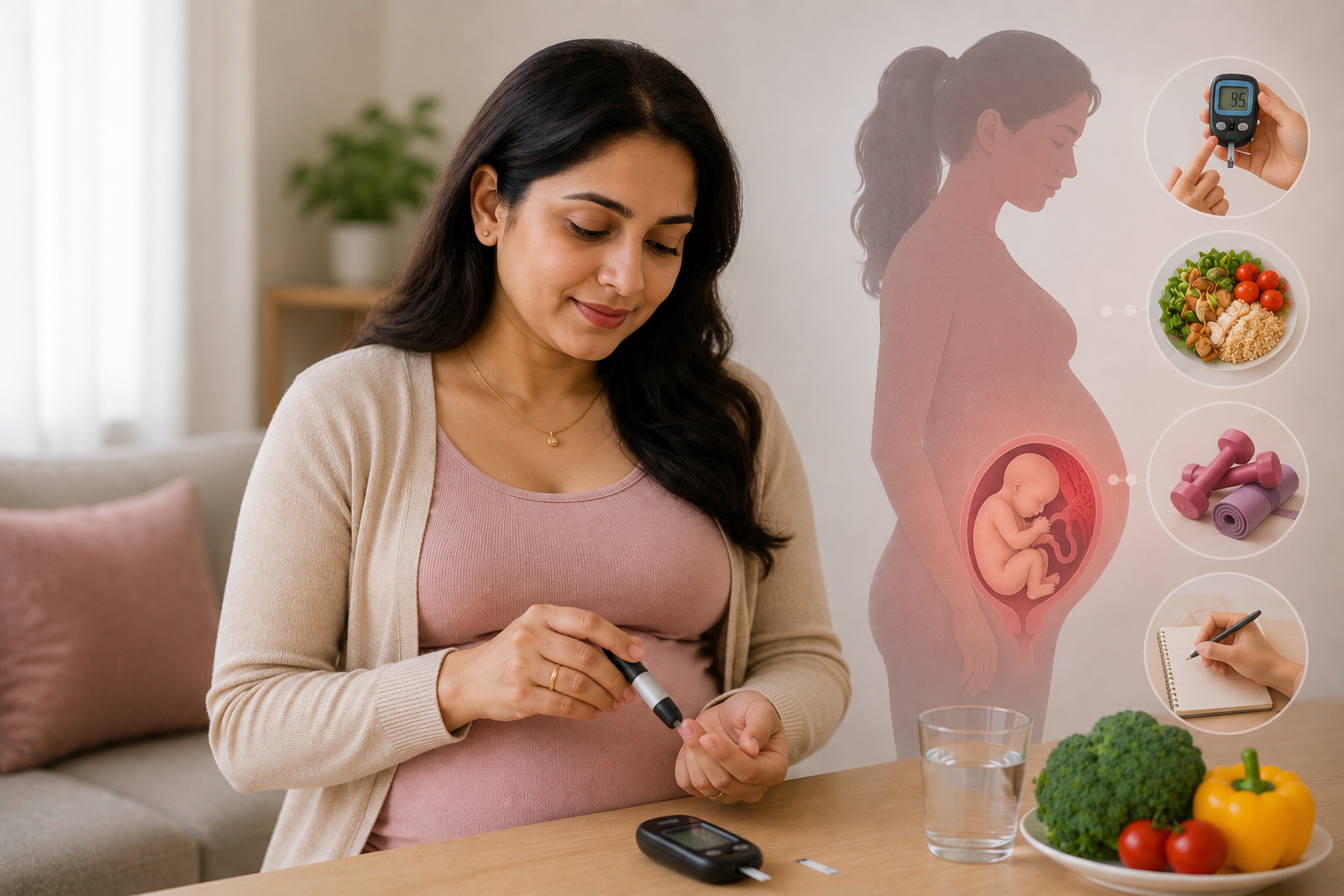
Regular moderate exercise improves insulin sensitivity. Walking for 30 minutes after meals is particularly effective at blunting post-meal glucose spikes. Pregnancy-safe exercise, including walking, yoga, and swimming, is encouraged unless medically contraindicated.
Step 3: Blood Glucose Monitoring
Self-monitoring of blood glucose (SMBG) is recommended:
- Fasting glucose target: Below 95 mg/dL
- 1-hour post-meal target: Below 140 mg/dL
- 2-hour post-meal target: Below 120 mg/dL
Step 4: Insulin or Oral Medication
If blood glucose targets are not met within 1–2 weeks of diet and exercise changes, medication is required. Insulin is the safest and most effective option in pregnancy. Metformin may be used in selected cases. Dr. Mendiratta will titrate insulin doses carefully based on your glucose log.
Step 5: Fetal Monitoring
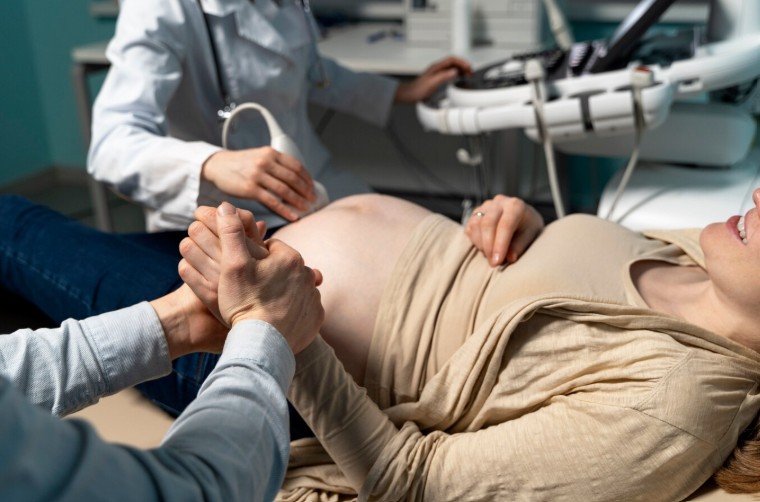
Women with GDM require additional monitoring including regular growth scans, Doppler studies of umbilical blood flow, and non-stress tests — particularly in the third trimester.
After Delivery
Blood glucose levels typically normalise after delivery, but GDM leaves a lasting metabolic imprint. Dr. Mendiratta recommends a 75g OGTT at 6–12 weeks postpartum to confirm normoglycaemia, followed by annual fasting glucose checks. Breastfeeding, maintaining a healthy weight, and regular exercise significantly reduce the risk of future type 2 diabetes.
Frequently Asked Questions (FAQs)
Q1. Does GDM mean I will have diabetes for life?
No. GDM typically resolves after delivery. However, it is a significant risk factor for type 2 diabetes in the future — approximately 50% of women with GDM develop type 2 diabetes within 5–10 years. Lifestyle modification dramatically reduces this risk.
Q2. Can I have a normal vaginal delivery with GDM?
Yes, in most cases. The decision on mode of delivery depends on your glucose control, the baby’s estimated weight, and other obstetric factors.
Q3. Is it safe to take insulin during pregnancy?
Insulin does not cross the placenta and is completely safe for the baby. It is actually the safest and most predictable treatment for GDM.
Q4. What should I eat for breakfast if I have GDM?
A GDM-friendly breakfast includes a small portion of protein (eggs, paneer, dahi), healthy fat (nuts), and a small amount of complex carbohydrate (1 small roti, oats, or millet). Avoid fruit juice, white bread, and sugary cereals in the morning, when insulin resistance is typically highest.
Q5. Can GDM be prevented?
Preconception weight management, a low-GI diet, and regular physical activity can reduce the risk but cannot guarantee prevention in genetically predisposed women.
Get In Touch With Dr. Shweta Mendiratta
Phone: +91-8130048652 | +91-9999093503
Email: shwetasmendiratta@gmail.com
Yatharth Super Speciality Hospital
Plot No 9, Sector-20, Krishna Nagar, New Industrial Township, Faridabad, Haryana 121007
Phone: +91 8178-939442
Mediclub Gynae ‘N’ Neuro Clinic
Plot No. 857 Sector 21 C, Faridabad Delhi, Haryana 121001