Can PCOS Affect Fertility? Expert Advice You Need

If you’ve recently been diagnosed with PCOS or have been trying to conceive without success, chances are this question has crossed your mind—“Can PCOS affect my fertility?”

The short answer is yes, but here’s the reassuring part—it’s manageable and treatable. Many women with PCOS go on to have healthy pregnancies with the right guidance and care.

According to Dr Shweta Mendiratta, best PCOS Doctor in Faridabad early diagnosis, lifestyle changes, and personalized treatment can significantly improve fertility outcomes in women with PCOS.

Understanding PCOS: More Than Just Irregular Periods

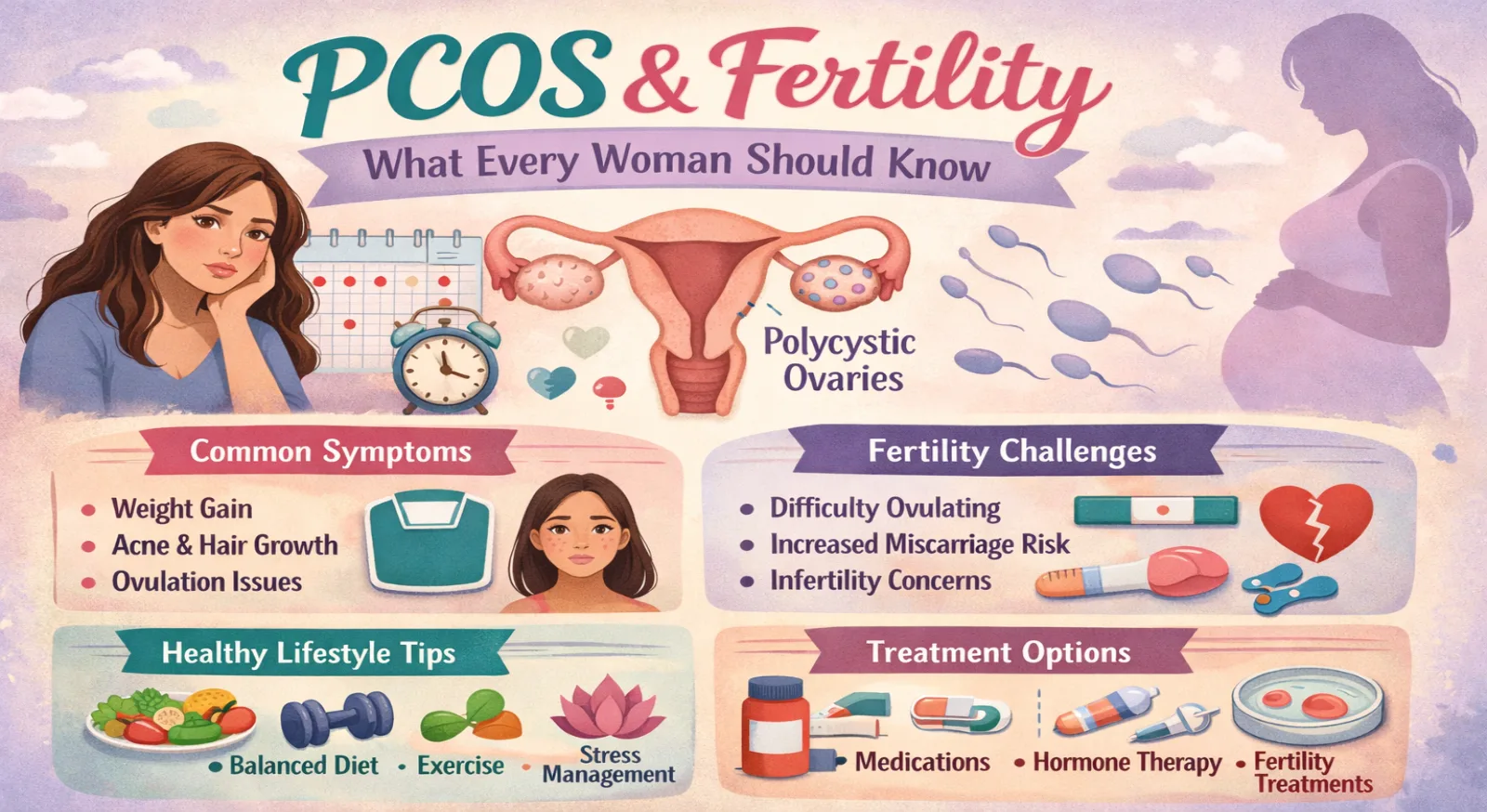
Polycystic Ovary Syndrome (PCOS) is a hormonal condition that affects how the ovaries function. It is one of the most common reasons behind irregular periods and infertility in women of reproductive age.

Women with PCOS may experience:

  • Irregular or missed periods
  • Excess facial or body hair
  • Acne or oily skin
  • Weight gain or difficulty losing weight
  • Thinning hair or hair fall

While these symptoms may seem manageable on the surface, internally, PCOS can interfere with ovulation—which is key to natural conception.

How Does PCOS Affect Fertility?

To understand the connection between PCOS and fertility, it’s important to know how ovulation works.

Every month, your ovaries release an egg (ovulation), which can be fertilized. In PCOS, hormonal imbalance disrupts this process.

Here’s what happens:

  • The body produces higher levels of androgens (male hormones)
  • Eggs don’t mature properly
  • Ovulation becomes irregular or may not occur at all

This condition is often referred to as anovulation, one of the leading causes of infertility in women with PCOS.

Does PCOS Mean You Can’t Get Pregnant?

Absolutely not.

One of the biggest myths around PCOS is that it leads to permanent infertility. The truth is:

PCOS may make conception difficult, but not impossible.

With the right treatment from an experienced specialist like Dr Shweta Mendiratta, best PCOS doctor in Faridabad, many women successfully conceive—sometimes even naturally.

Signs That PCOS May Be Affecting Your Fertility

If you are trying to conceive and have PCOS, watch out for these signs:

  • Irregular menstrual cycles
  • Difficulty tracking ovulation
  • Long gaps between periods
  • Repeated failed attempts to conceive
  • Weight gain and insulin resistance

If you notice these symptoms, it’s important to consult a gynecologist in Faridabad for PCOS treatment and fertility guidance early on.

Expert Advice: How to Improve Fertility with PCOS

The good news is that PCOS-related fertility issues can often be improved with the right approach.

  1. Lifestyle Modifications (First Line of Treatment)

Simple lifestyle changes can make a huge difference:

  • Maintain a healthy weight
  • Follow a balanced, low-carb diet
  • Exercise regularly (even 30 minutes daily helps)
  • Manage stress levels

Even a 5–10% weight loss can restore ovulation in some women.

  1. Ovulation Induction Treatments

If natural ovulation doesn’t occur, doctors may prescribe medications to stimulate ovulation. These treatments are highly effective when monitored properly.

  1. Hormonal Balance & Insulin Management

PCOS is often linked to insulin resistance. Managing insulin levels through diet, medication, or supplements can improve hormonal balance and fertility.

  1. Advanced Fertility Treatments

In cases where basic treatments don’t work, options like:

  • IUI (Intrauterine Insemination)
  • IVF (In Vitro Fertilization)

may be considered. These treatments have helped many PCOS patients conceive successfully.

Emotional Impact of PCOS & Infertility

Trying to conceive with PCOS can be emotionally exhausting. There’s often anxiety, self-doubt, and pressure—especially in Indian families.

It’s important to remember:

You are not alone, and PCOS is treatable.

Having a supportive doctor who understands both the medical and emotional aspects can make all the difference.

Why Choose Dr. Shweta Mendiratta for PCOS & Fertility Treatment in Faridabad?

When dealing with something as sensitive as fertility, choosing the right doctor is crucial.

Dr. Shweta Mendiratta offers:

  • Personalized PCOS treatment plans
  • Expertise in hormonal and fertility management
  • Focus on natural conception whenever possible
  • Advanced fertility guidance when needed
  • Compassionate, patient-friendly care

Her holistic approach makes her a trusted choice for women searching for the best PCOS doctor in Faridabad or a reliable gynecologist for fertility treatment in Faridabad.

When Should You See a Doctor?

You should consult a specialist if:

  • You’ve been trying to conceive for 6–12 months without success
  • Your periods are irregular or absent
  • You have been diagnosed with PCOS
  • You notice symptoms like weight gain, acne, or excessive hair growth

Early consultation can prevent delays and improve your chances of conception.

Frequently Asked Questions (FAQs)

Q1: Can women with PCOS get pregnant naturally?

A: Yes, many women with PCOS conceive naturally, especially with lifestyle changes and proper medical guidance.

Q2: How long does it take to get pregnant with PCOS?

A: It varies from person to person. With treatment, many women conceive within a few months to a year.

Q3: Is PCOS a permanent condition?

A: PCOS cannot be completely cured, but it can be effectively managed with lifestyle changes and medical treatment.

Q4: Does weight loss really help in PCOS fertility?

A: Yes, even a small amount of weight loss can regulate hormones and improve ovulation.

Q5: Are fertility treatments necessary for all PCOS patients?

A: No, many women conceive with basic treatments and lifestyle changes. Advanced treatments are only needed in some cases.

Q6: Can PCOS cause miscarriage?

A: PCOS may slightly increase the risk, but with proper care and monitoring, many women have healthy pregnancies.

Q7: What is the best treatment for PCOS-related infertility?

A: The best treatment depends on individual health, but a combination of lifestyle changes, medications, and expert guidance works best.

Conclusion

PCOS can affect fertility, but it doesn’t take away your chance of becoming a mother. With early diagnosis, the right treatment, and a supportive healthcare provider, managing PCOS and achieving pregnancy is absolutely possible.

If you’re struggling with irregular periods or difficulty conceiving, consulting an experienced specialist like Dr Shweta Mendiratta, a leading gynecologist in Faridabad, can help you take the right steps toward a healthy pregnancy.

Remember—your journey may be different, but your dream is still within reach.

Hormonal Imbalance in Women: Signs You Shouldn’t Ignore

Hormones play a vital role in regulating almost every function in a woman’s body—from menstrual cycles and fertility to mood, metabolism, and bone health. When these hormones go out of balance, the effects can be subtle at first but may gradually impact overall well-being. Many women ignore early symptoms, assuming they are due to stress, age, or lifestyle. However, untreated hormonal imbalance can lead to long-term health issues. If you are experiencing persistent changes in your body or mood, consulting an experienced gynecologist in Faridabad like Dr. Shweta Mendiratta can help identify and manage the root cause.

What Is Hormonal Imbalance?

Hormonal imbalance occurs when there is too much or too little of one or more hormones in the body. Common hormones involved include:

  • Estrogen
  • Progesterone
  • Thyroid hormones
  • Insulin
  • Prolactin

Even small changes in hormone levels can significantly affect physical and emotional health.

Common Signs of Hormonal Imbalance in Women

Hormonal imbalance does not look the same in every woman. However, certain symptoms should never be ignored.

🔹 Irregular or Missed Periods

Unpredictable cycles, heavy bleeding, or skipped periods may indicate conditions like PCOS, thyroid disorders, or perimenopause.

🔹 Unexplained Weight Gain or Difficulty Losing Weight

Sudden weight changes, especially around the abdomen, may be linked to insulin resistance, thyroid imbalance, or cortisol issues.

🔹 Persistent Fatigue

Feeling tired despite adequate rest can be a sign of thyroid imbalance or low progesterone levels.

🔹 Mood Swings, Anxiety, or Depression

Hormonal fluctuations can affect neurotransmitters in the brain, leading to irritability, anxiety, or low mood.

🔹 Acne and Skin Changes

Adult acne, oily skin, or sudden breakouts may indicate androgen or estrogen imbalance.

🔹 Hair Fall or Excess Facial Hair

Hair thinning on the scalp or excessive hair growth on the face and body can be linked to hormonal disorders like PCOS.

🔹 Difficulty Conceiving

Hormonal imbalance is one of the leading causes of female infertility.

🔹 Sleep Problems

Difficulty falling or staying asleep may be linked to progesterone or cortisol imbalance.

According to Dr. Shweta Mendiratta, early diagnosis of hormonal imbalance significantly improves treatment outcomes and quality of life.

Causes of Hormonal Imbalance in Women

Several factors can disrupt hormonal balance, including:

  • Polycystic Ovary Syndrome (PCOS)
  • Thyroid disorders
  • Stress and lifestyle changes
  • Poor diet and lack of exercise
  • Pregnancy and postpartum changes
  • Perimenopause and menopause
  • Certain medications

When Should You See a Gynecologist in Faridabad?

You should consult a gynecologist if you experience:

  • Persistent menstrual irregularities
  • Symptoms affecting daily life
  • Difficulty getting pregnant
  • Sudden physical or emotional changes
  • Worsening symptoms despite lifestyle changes

A specialist like Dr. Shweta Mendiratta, an experienced gynecologist in Faridabad, can provide accurate diagnosis and personalised treatment.


How Is Hormonal Imbalance Diagnosed?

Diagnosis may involve:

  • Detailed medical history
  • Physical examination
  • Blood tests to check hormone levels
  • Ultrasound or other imaging if required

Proper evaluation helps identify the exact cause rather than treating symptoms alone.

Treatment Options for Hormonal Imbalance in Faridabad

Treatment depends on the underlying cause, age, and future health goals.

🔹 Lifestyle Modifications

  • Balanced diet
  • Regular physical activity
  • Stress management
  • Adequate sleep

🔹 Medications

Hormonal or non-hormonal medications may be prescribed to restore balance.

🔹 Fertility-Focused Treatment

For women planning pregnancy, treatment is tailored to improve ovulation and reproductive health.

🔹 Menopause & Perimenopause Care

Specialised management helps relieve symptoms and prevent long-term complications.

Dr. Shweta Mendiratta focuses on individualised, evidence-based treatment rather than one-size-fits-all solutions.

Patient Queries About Hormonal Imbalance

❓ Can hormonal imbalance fix itself?

Mild imbalances may improve, but persistent symptoms require medical evaluation.

❓ Is hormonal imbalance common?

Yes. Many women experience it at some stage of life, especially during reproductive transitions.

❓ Can stress alone cause hormonal imbalance?

Chronic stress can significantly disrupt hormone levels.

FAQs – Hormonal Imbalance Treatment in Faridabad

Q1. Can hormonal imbalance cause infertility?

Yes. It is one of the most common causes of difficulty in conceiving.

Q2. Are hormonal treatments safe?

When prescribed by a qualified gynecologist after evaluation, they are generally safe.

Q3. How long does treatment take?

It depends on the cause and severity. Some women improve within months, while others need longer care.

Q4. Do I need lifelong medication?

Not always. Many cases improve with lifestyle changes and short-term treatment.

Q5. Who should I consult for hormonal imbalance in Faridabad?

A qualified gynecologist like Dr. Shweta Mendiratta is the right specialist to consult.

Why Choose Dr. Shweta Mendiratta in Faridabad?

Dr. Shweta Mendiratta is known for:

  • Expertise in women’s hormonal health
  • Compassionate, patient-centric approach
  • Accurate diagnosis and ethical treatment
  • Experience in managing PCOS, infertility, and menopause
  • Focus on long-term wellness

Her holistic approach ensures women receive care that addresses both symptoms and root causes.

Importance of Location-Based Care in Faridabad

Choosing a local gynecologist in Faridabad ensures:

  • Easy access for follow-ups
  • Continuity of care
  • Faster diagnosis and treatment

This plays a crucial role in managing hormonal health effectively.


Final Thoughts

Hormonal imbalance is common—but ignoring symptoms is not safe. Early medical guidance can prevent complications, improve fertility, and enhance overall quality of life.

If you are experiencing symptoms of hormonal imbalance and looking for expert care in Faridabad, consulting Dr. Shweta Mendiratta can help you regain balance and confidence.

Understanding Irregular Periods: Causes, Diagnosis, and Treatment Options for Women

A woman’s menstrual cycle is one of the most important indicators of her reproductive health. While slight variations in cycle length are normal, frequent changes, missed periods, extremely light or heavy flow, or unpredictable patterns often indicate irregular periods.
Irregular menstruation is more common than most women realize—and understanding its causes and solutions can help restore hormonal balance and overall well-being.

What Are Irregular Periods?

A normal menstrual cycle typically ranges between 21 to 35 days. If your cycle consistently falls outside this range, varies widely each month, or includes unusual symptoms like spotting or severe pain, it is considered irregular.

Common signs include:

  • Periods coming earlier or later than usual

  • Missed periods

  • Extremely heavy or prolonged bleeding

  • Very light bleeding

  • Spotting between cycles

  • Severe cramps or discomfort

If these patterns continue for more than 2–3 months, it’s important to seek guidance from an expert gynecologist.

Common Causes of Irregular Periods

Irregular cycles may occur due to multiple physical, hormonal, or lifestyle-related factors. Here are the most common causes:

1. Hormonal Imbalances

Disturbances in estrogen and progesterone can affect ovulation. Conditions like:

  • PCOS (Polycystic Ovary Syndrome)

  • Thyroid disorders (hypothyroidism or hyperthyroidism)

  • Hyperprolactinemia
    are leading contributors.

2. Stress and Emotional Factors

High stress impacts the hypothalamus—the brain region that regulates hormones. Work pressure, emotional stress, or lack of sleep can cause delayed or missed periods.

3. Excessive Weight Gain or Weight Loss

Sudden or extreme shifts in weight disrupt hormonal balance.
Eating disorders, crash dieting, or obesity can all lead to irregular menstruation.

4. Intense Physical Activity

Athletes or women who exercise excessively may stop ovulating due to reduced body fat and altered hormonal levels.

5. Contraceptives

Birth control pills, IUDs, and hormonal injections may temporarily alter menstrual patterns.

6. Perimenopause

Women in their mid-40s may experience irregular periods as their body transitions toward menopause.

7. Chronic Medical Conditions

Illnesses like:

  • Diabetes

  • Celiac disease

  • Liver or kidney disorders
    may also cause cycle disruptions.

8. Pregnancy and Breastfeeding

Missed periods is often the earliest sign of pregnancy. Breastfeeding mothers also commonly experience irregular menstruation due to high prolactin levels.

Diagnosis: How Gynecologists Evaluate Irregular Periods

Early diagnosis is key to preventing complications related to fertility, hormonal imbalance, or underlying medical disorders.

1. Medical History

A thorough evaluation includes:

  • Duration of irregular cycles

  • Stress levels

  • Weight changes

  • Family history

  • Lifestyle habits

2. Physical and Pelvic Examination

This helps identify infections, cysts, or anatomical abnormalities.

3. Blood Tests

Hormonal blood investigations commonly include:

  • Thyroid profile

  • Prolactin levels

  • LH/FSH

  • Estrogen & progesterone

  • Blood sugar levels (fasting & insulin for PCOS)

4. Ultrasound Scan

A pelvic ultrasound is essential to check for:

  • Ovarian cysts

  • PCOS

  • Fibroids

  • Endometrial thickness

5. Additional Tests (If Required)

  • Pap smear

  • Endometrial biopsy

  • MRI (rare cases)

For accurate diagnosis and comprehensive evaluation, many women in Faridabad trust Dr. Shweta Mendiratta, known for her precision, patient-centric approach, and expertise in women’s reproductive health.

Treatment Options for Irregular Periods

The treatment depends on the root cause identified during diagnosis.

1. Lifestyle Changes

  • Maintaining a healthy weight

  • Balanced diet rich in proteins, iron, and healthy fats

  • Regular exercise

  • Stress reduction techniques (yoga, meditation, deep breathing)

These changes alone may restore normal cycles in many cases.

2. Medications

Your gynecologist may prescribe:

  • Hormonal therapy to regulate periods

  • Thyroid medications for thyroid disorders

  • Metformin for PCOS-related insulin resistance

  • Progesterone pills to regulate cycles

  • Treatments for infections if present

3. Treatment for PCOS

Managing PCOS may include:

  • Weight management

  • Hormonal medication

  • Ovulation induction if planning pregnancy

4. Treatment for Fibroids or Structural Issues

Depending on the severity, options include:

  • Medication

  • Minimally invasive procedures

5. Fertility Treatment (If Needed)

Women struggling with irregular ovulation may be guided through:

  • Ovulation induction

  • Assisted reproductive techniques

6. Stress Management

Techniques that help restore hormonal balance:

  • Mindfulness practices

  • Quality sleep

  • Reduced screen time

  • Counseling (if required)

Why Consult Dr. Shweta Mendiratta – Best Gynecologist in Faridabad?

Dr. Shweta Mendiratta is recognized for her expertise in managing complex menstrual disorders, PCOS, thyroid-related menstrual issues, and fertility concerns.
Her approach combines advanced diagnostics, compassionate care, and customized treatment plans, ensuring every woman receives the most effective solution for her reproductive health.

Women across Faridabad rely on her for:

  • Accurate diagnosis

  • Evidence-based treatments

  • Comfortable consultations

  • Modern technology and procedures

  • Long-term health guidance

If you are dealing with irregular periods, timely consultation with Dr. Shweta Mendiratta can help restore balance, comfort, and confidence in your menstrual health.

FAQs on Irregular Periods

1. Are irregular periods normal?

Occasional irregularities are normal, but persistent irregular periods may indicate hormonal imbalance or other medical conditions.

2. Can stress cause missed periods?

Yes. High stress impacts hormone regulation and can delay or stop menstruation temporarily.

3. Does irregular menstruation affect fertility?

Yes, if irregularity is due to lack of ovulation. However, with proper treatment, fertility can often be restored.

4. When should I see a gynecologist?

If your cycles remain irregular for more than 3 months, or if you experience severe pain, heavy bleeding, or missed periods.

5. Can PCOS cause irregular periods?

Yes. PCOS is one of the most common causes of irregular menstruation in women of reproductive age.

6. Can irregular periods be treated?

Absolutely. Once the underlying cause is identified, treatments—including lifestyle changes, medications, or hormonal therapy—can regulate your cycle.