
Endometriosis Symptoms That Women in India Are Ignoring — and Why It Matters

Endometriosis affects an estimated 1 in 10 women of reproductive age worldwide — yet in India, the average woman waits 7 to 10 years between her first symptom and a confirmed diagnosis. This delay is not simply a medical failing; it is a cultural one. Pain is normalised. Suffering is expected. Women are told to ‘manage’ their periods, to have a baby and ‘it will get better,’ or that their pain is psychological. Dr. Shweta Mendiratta, endometriosis specialist in Faridabad, is here to challenge every one of those myths.

What Is Endometriosis?

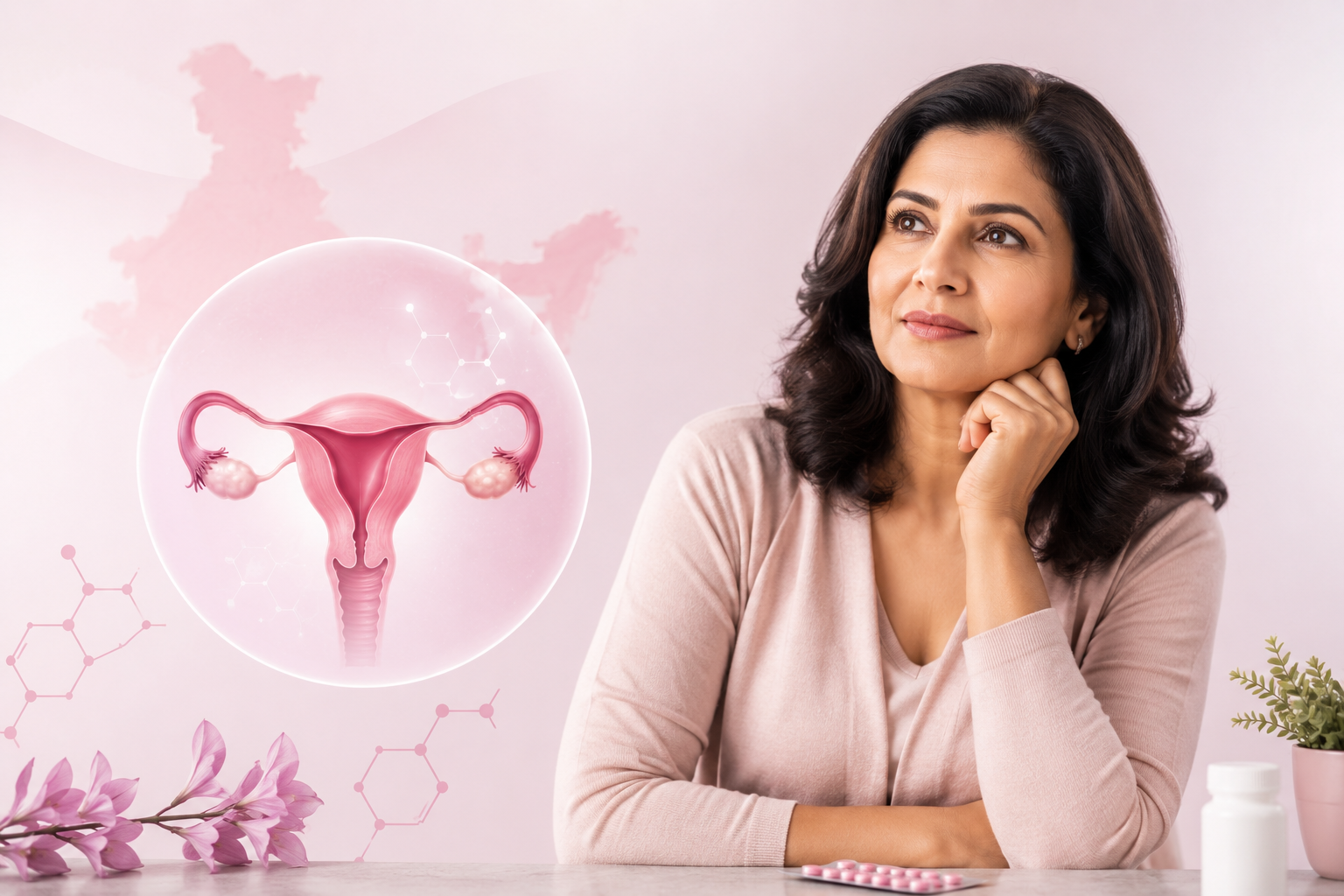
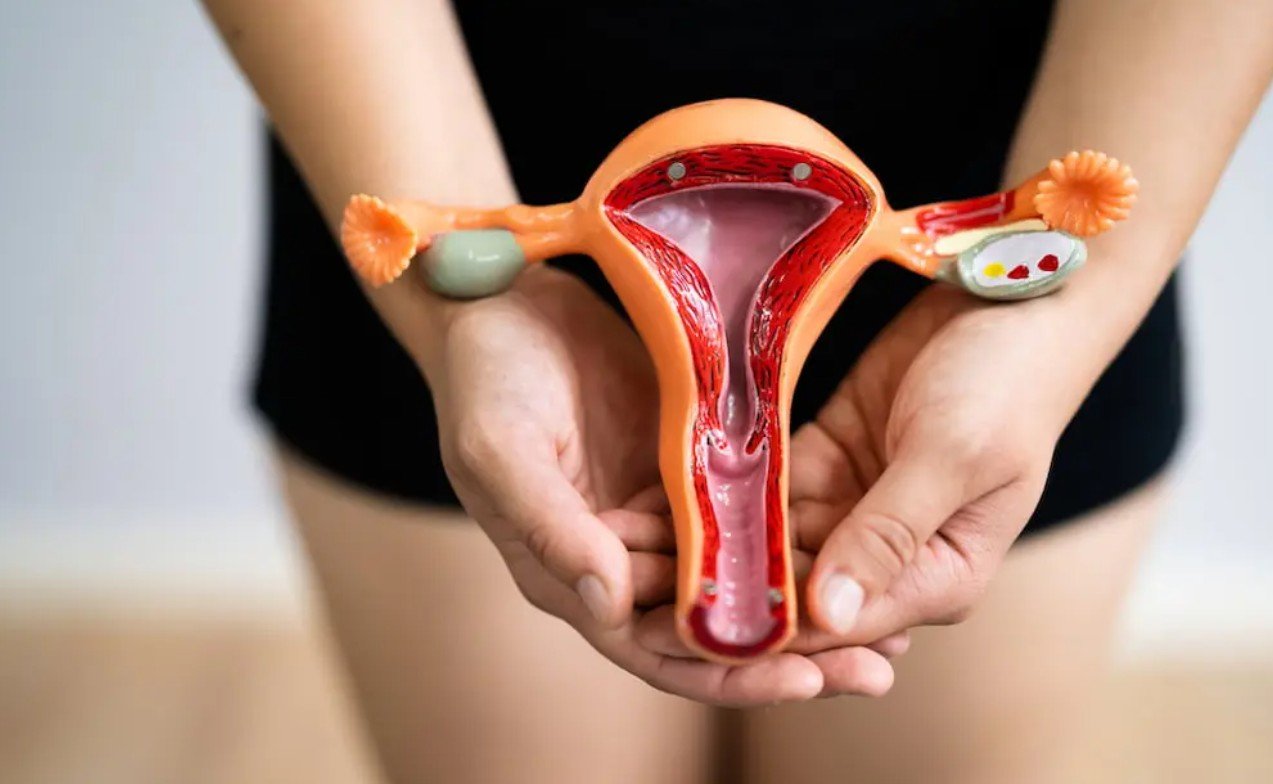
Endometriosis is a condition in which tissue similar to the lining of the uterus (endometrium) grows outside the uterus — on the ovaries, fallopian tubes, bladder, bowel, and other pelvic structures. This tissue behaves like uterine lining: it thickens and bleeds with every menstrual cycle. But because the blood has nowhere to go, it causes inflammation, scarring, and the formation of adhesions (bands of fibrous tissue that bind organs together).

Over time, endometriosis can cause chronic pain, distorted pelvic anatomy, damaged fallopian tubes, and impaired egg quality — all of which contribute to infertility.

The Symptoms Most Women Dismiss

  1. Painful Periods (Dysmenorrhoea)

Period pain that requires you to miss school, work, or social events is not normal. Normal periods may cause mild cramping that responds to a painkiller. Endometriosis-related pain is often severe, starts before bleeding begins, and persists throughout the period — sometimes radiating to the back or legs.

  1. Pain During or After Sex (Dyspareunia)

Deep pain during sexual intercourse, particularly in certain positions, is a classic endometriosis symptom that many women are too embarrassed to mention. This pain typically occurs when endometrial deposits are present on the uterosacral ligaments or in the pouch of Douglas (the space behind the uterus).

  1. Painful Bowel Movements or Urination

If you experience pain when opening your bowels or passing urine — particularly during your period — endometriosis may have spread to the bowel or bladder. Many women with this symptom are first sent to a gastroenterologist and spend years being treated for irritable bowel syndrome (IBS) before endometriosis is considered.

  1. Chronic Pelvic Pain

Unlike period pain, chronic pelvic pain is present throughout the month — not just during menstruation. Women often describe it as a dull ache, pressure, or a feeling of heaviness in the lower pelvis. This is frequently dismissed as ‘stress’ or ‘anxiety’ and goes uninvestigated for years.

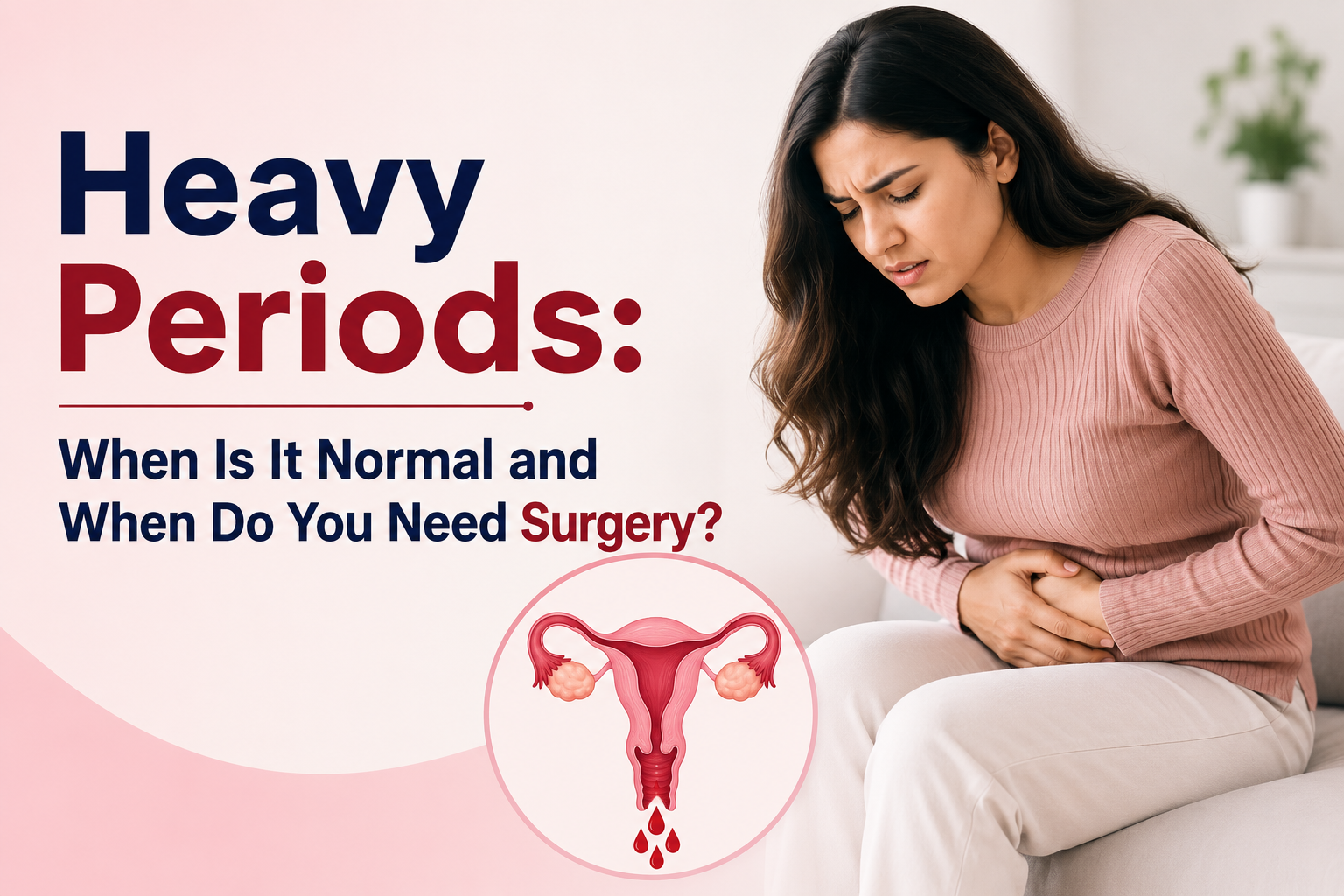
  1. Heavy Periods

While not always present, many women with endometriosis experience heavier-than-normal periods, sometimes with clots. If you are changing pads or tampons every one to two hours, this warrants medical evaluation.

  1. Bloating and Gastrointestinal Symptoms

‘Endo belly’ — severe abdominal bloating associated with endometriosis — can be so pronounced that some women look visibly pregnant during their cycle. Nausea, diarrhoea, and constipation around the period are also common and frequently misattributed to IBS.

  1. Infertility

Up to 40% of women with infertility have endometriosis as an underlying cause — and in many cases, infertility is the first symptom that prompts investigation. Endometriosis impairs fertility through multiple mechanisms: distorted anatomy, blocked tubes, toxic peritoneal fluid, and impaired embryo implantation.

Why the Diagnostic Delay in India Is So Dangerous

Every year without treatment, endometriosis can progress. Deposits grow larger, adhesions become more extensive, and the damage to reproductive organs becomes more difficult to reverse. Women who might have had a straightforward laparoscopic excision at stage 1 or 2 may find themselves facing complex surgery involving the bowel or bladder by the time they receive a diagnosis at stage 3 or 4.

Beyond fertility, untreated endometriosis imposes a profound quality-of-life burden. Chronic pain affects productivity, relationships, mental health, and overall wellbeing. The economic cost of untreated endometriosis in India — in terms of lost working days, healthcare visits, and failed fertility treatments — is enormous.

How Is Endometriosis Diagnosed?

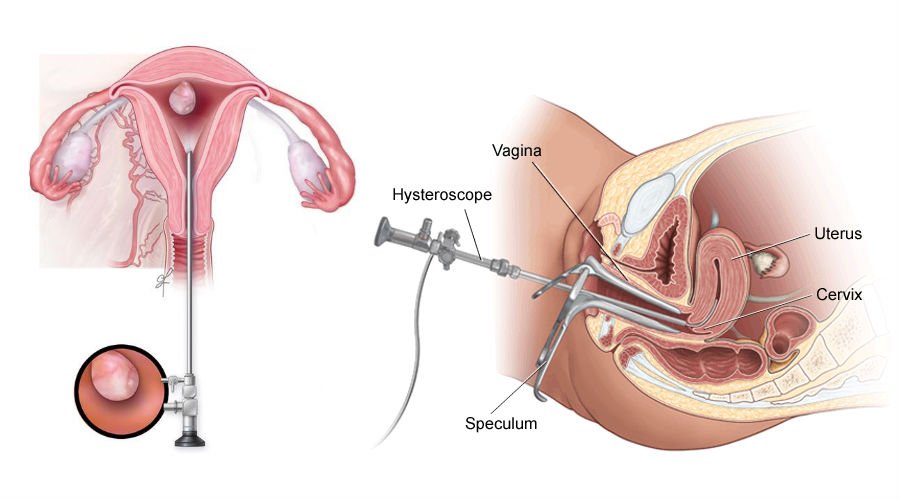
The definitive diagnosis of endometriosis is made by laparoscopy — a minimally invasive surgical procedure in which a camera is inserted through a small incision to directly visualise and biopsy endometrial deposits. However, a clinical diagnosis can often be suspected on the basis of:

  • Symptom history and pattern
  • Pelvic examination (tenderness, nodularity, fixed uterus)
  • Transvaginal ultrasound (especially for ovarian endometriomas)
  • MRI (particularly for deep infiltrating endometriosis)

Dr. Shweta Mendiratta uses a combination of clinical assessment and imaging to guide surgical planning, ensuring that each procedure is targeted and minimally disruptive.

Treatment of Endometriosis

Treatment depends on the severity of disease, your symptoms, and your fertility goals:

  • Medical management: Hormonal therapies (combined OCPs, progestins, GnRH analogues) to suppress the growth of endometrial deposits
  • Laparoscopic excision: Surgical removal of endometrial deposits, cysts (endometriomas), and adhesions — the gold standard for improving both pain and fertility
  • Fertility-preserving surgery: Dr. Mendiratta specialises in excising endometriosis while protecting the ovaries and tubes
  • Post-operative medical therapy: To suppress recurrence after surgery

Frequently Asked Questions (FAQs)

Q1. Can endometriosis be confirmed by a blood test?

There is no definitive blood test for endometriosis. CA-125 may be elevated but is not specific. Definitive diagnosis requires laparoscopy.

Q2. Will pregnancy cure my endometriosis?

Pregnancy may temporarily suppress endometriosis symptoms, but it does not cure the condition. Symptoms typically return after delivery and breastfeeding end.

Q3. Can I still get pregnant if I have endometriosis?

Yes. Many women with endometriosis conceive — either naturally or with treatment. Early diagnosis and appropriate surgical management significantly improve fertility outcomes.

Q4. Does endometriosis always cause pain?

No. Some women with severe endometriosis have minimal or no pain, while others with mild disease experience debilitating symptoms. The degree of pain does not correlate with the extent of disease.

Q5. How do I know if my period pain is ‘endometriosis level’ pain?

If your pain is not controlled by standard over-the-counter painkillers, interferes with daily functioning, or is accompanied by the other symptoms described in this article, you should seek specialist evaluation.


Get In Touch With Dr. Shweta Mendiratta

Phone: +91-8130048652 | +91-9999093503

Email: shwetasmendiratta@gmail.com

Yatharth Super Speciality Hospital

Plot No 9, Sector-20, Krishna Nagar, New Industrial Township, Faridabad, Haryana 121007

Phone: +91 8178-939442

Mediclub Gynae ‘N’ Neuro Clinic

Pilot No. 857 Sector 21 C, Faridabad Delhi, Haryana 121001

PCOS Treatment in Faridabad — Your Complete Guide by Dr. Shweta Mendiratta

Polycystic Ovary Syndrome (PCOS) is one of the most common hormonal disorders affecting women of reproductive age — and yet it remains one of the most misunderstood and undertreated conditions in India. If you live in Faridabad or the surrounding NCR region and are searching for reliable PCOS treatment, this guide by Dr. Shweta Mendiratta, senior gynaecologist and laparoscopic surgeon, will walk you through everything you need to know — from recognising PCOS to getting the most effective treatment available near you.

What Is PCOS?

Polycystic Ovary Syndrome is a hormonal disorder in which the ovaries produce an excess of androgens (male hormones), which interferes with the regular development and release of eggs. The name refers to the many small cysts (fluid-filled sacs) that can form on the ovaries — though not every woman with PCOS has visible cysts.

PCOS affects approximately 1 in 5 women in India, making it far more prevalent than commonly assumed. It can begin as early as the first menstrual period and continue well into the perimenopausal years.

How Do You Know If You Have PCOS?

PCOS presents differently in every woman. Common symptoms include:

  • Irregular or missing periods (fewer than 8 cycles per year)
  • Excess facial or body hair (hirsutism)
  • Acne, particularly on the jaw and chin
  • Hair thinning or scalp hair loss
  • Weight gain, especially around the abdomen
  • Difficulty getting pregnant
  • Darkened skin patches (acanthosis nigricans) around the neck or underarms
  • Mood swings, anxiety, or depression

A diagnosis of PCOS typically requires at least two of the three Rotterdam criteria: irregular ovulation, elevated androgens, and polycystic ovaries on ultrasound.

Why Is PCOS So Often Misdiagnosed or Dismissed?

Many women in Faridabad and across India are told that irregular periods are ‘normal’ or that their symptoms will resolve after marriage or pregnancy. This is medically inaccurate and harmful. PCOS is a metabolic and hormonal condition that requires proper evaluation and long-term management. Leaving it untreated raises the risk of type 2 diabetes, infertility, heart disease, endometrial cancer, and depression.

How Is PCOS Diagnosed?

Dr. Shweta Mendiratta follows a comprehensive diagnostic approach:

  • Detailed menstrual and medical history
  • Physical examination including BMI, blood pressure, and skin assessment
  • Pelvic ultrasound to evaluate ovarian morphology
  • Hormonal blood tests: FSH, LH, testosterone, DHEAS, prolactin, thyroid function
  • Fasting glucose and insulin levels
  • Lipid profile

This thorough workup ensures that your PCOS diagnosis is accurate and that any overlapping conditions (such as thyroid disease or hyperprolactinaemia) are not missed.

PCOS Treatment Options in Faridabad

  1. Lifestyle Modification

Lifestyle changes are the first-line treatment for PCOS, particularly for women with weight-related symptoms. Even a 5–10% reduction in body weight can restore menstrual regularity, improve insulin sensitivity, and reduce androgen levels significantly.

  1. Medications

Depending on your dominant symptoms and goals, Dr. Mendiratta may recommend:

  • Oral contraceptive pills (OCPs) — to regulate periods and reduce androgens
  • Metformin — to improve insulin resistance and support weight management
  • Anti-androgens such as spironolactone — for acne and hirsutism
  • Clomiphene citrate or letrozole — for women trying to conceive
  • Progesterone therapy — to induce withdrawal bleeds and protect the uterine lining
  1. Fertility Treatment

For women with PCOS who are trying to conceive, Dr. Mendiratta offers ovulation induction with close monitoring, intrauterine insemination (IUI) coordination, and referral for IVF when needed. PCOS is the leading cause of anovulatory infertility, and most women with PCOS can conceive with the right treatment.

  1. Long-Term Monitoring

Because PCOS is a lifelong condition, regular monitoring of blood sugar, lipids, blood pressure, and endometrial health is important. Dr. Mendiratta provides structured follow-up care to help women manage PCOS through every life stage.

Why Choose Dr. Shweta Mendiratta for PCOS in Faridabad?

  • Over a decade of experience in gynaecology and women’s endocrinology
  • Subspecialty expertise in laparoscopic and robotic surgery
  • Evidence-based, personalised treatment protocols
  • Holistic approach addressing metabolic, hormonal, and emotional wellbeing
  • Consultations available at two convenient Faridabad locations

Frequently Asked Questions (FAQs)

Q1. Can PCOS be cured permanently?

PCOS cannot be ‘cured’ in the traditional sense, but it can be effectively managed. With the right treatment plan, most women with PCOS live symptom-free and can conceive naturally or with minimal intervention.

Q2. Is PCOS hereditary?

Yes, PCOS has a genetic component. If your mother or sister has PCOS, you are at higher risk. However, lifestyle choices significantly influence whether or how severely PCOS manifests.

Q3. Can a teenager have PCOS?

Yes. PCOS can be diagnosed in adolescents, though the criteria are slightly different since irregular periods are common in the first few years after puberty. If your daughter has significant acne, excess hair, weight gain, or very irregular cycles, she should be evaluated.

Q4. Will I need surgery for PCOS?

Most PCOS cases are managed without surgery. In rare cases where medication has failed to stimulate ovulation, a laparoscopic procedure called ovarian drilling may be considered. Dr. Mendiratta will discuss all options with you before recommending any procedure.

Q5. How do I book an appointment with Dr. Shweta Mendiratta in Faridabad?

You can call +91-8130048652 or +91-9999093503 or visit the clinic at Yatharth Super Speciality Hospital, Sector 20, Faridabad.


Get In Touch With Dr. Shweta Mendiratta

Phone: +91-8130048652 | +91-9999093503

Email: shwetasmendiratta@gmail.com

Yatharth Super Speciality Hospital

Plot No 9, Sector-20, Krishna Nagar, New Industrial Township, Faridabad, Haryana 121007

Phone: +91 8178-939442

Mediclub Gynae ‘N’ Neuro Clinic

Pilot No. 857 Sector 21 C, Faridabad Delhi, Haryana 121001

Top Signs You Need to Visit a Gynecologist Immediately

Let’s be honest—most women tend to ignore early symptoms when it comes to their health. Whether it’s irregular periods, unusual discomfort, or something that just “doesn’t feel right,” we often delay visiting a doctor, hoping it will resolve on its own.

But when it comes to reproductive and hormonal health, ignoring symptoms can sometimes make things worse. Knowing when to seek medical help is crucial. According to Dr Shweta Mendiratta, early diagnosis and timely treatment can prevent minor issues from turning into serious conditions.

Why You Shouldn’t Ignore Gynecological Symptoms

Your body always gives signals when something is wrong. The problem is, many of these signs are subtle at first. Delaying care can lead to complications like infections, hormonal imbalances, or even fertility issues.

If you’ve been searching for the best gynecologist in Faridabad, chances are you’re already concerned about something—and that’s a good first step.

Top Signs You Should See a Gynecologist Immediately

Here are some important symptoms you should never ignore:

  1. Irregular Periods

While occasional cycle changes are normal, consistently irregular periods are not.

You should consult a doctor if:

  • Your periods are delayed frequently
  • You skip cycles
  • Your cycle length changes drastically

This could indicate conditions like PCOS, thyroid imbalance, or hormonal disorders. Early treatment from a gynecologist in Faridabad for irregular periods can help regulate your cycle.

  1. Heavy or Painful Periods

Severe cramps or excessive bleeding are often brushed off as “normal,” but they shouldn’t be ignored.

Warning signs include:

  • Bleeding that lasts more than 7 days
  • Changing pads every hour
  • Severe pain affecting daily activities

These could be signs of fibroids, endometriosis, or infections.

  1. Unusual Vaginal Discharge

A change in vaginal discharge can be an early sign of infection.

Watch out for:

  • Strong or foul odor
  • Yellow, green, or grey color
  • Itching or irritation

These symptoms may indicate bacterial infections, fungal infections, or sexually transmitted infections (STIs). Immediate consultation is important for proper treatment.

  1. Persistent Pelvic Pain

Ongoing pain in the lower abdomen or pelvic area is not something to ignore.

Possible causes include:

  • Ovarian cysts
  • Endometriosis
  • Pelvic inflammatory disease (PID)

If the pain is severe or recurring, it’s best to consult the best gynecologist in Faridabad for women’s health issues.

  1. Bleeding Between Periods or After Intercourse

This is one of the most important warning signs.

It may be linked to:

  • Hormonal imbalance
  • Cervical issues
  • Infections
  • In rare cases, precancerous changes

Even if it happens once, it’s better to get it checked.

  1. Difficulty in Conceiving

If you’ve been trying to conceive for:

  • 12 months (if under 35)
  • 6 months (if above 35)

…it’s time to consult a specialist.

Issues like PCOS, ovulation problems, or blocked fallopian tubes may be affecting fertility. Early intervention improves your chances significantly.

  1. Severe PMS or Mood Changes

Mood swings, irritability, or anxiety before periods are common—but if they interfere with your daily life, it may indicate Premenstrual Dysphoric Disorder (PMDD) or hormonal imbalance.

A doctor can help manage these symptoms effectively.

  1. Sudden Changes in Breast Health

Don’t ignore:

  • Lumps in the breast
  • Nipple discharge
  • Skin changes

While not all lumps are serious, it’s always safer to get them evaluated early.

  1. Pain During Intercourse

Pain during or after intercourse is not normal and should not be ignored.

Possible causes include:

  • Vaginal infections
  • Hormonal dryness
  • Endometriosis

Consulting a gynecologist in Faridabad for women’s intimate health can help identify and treat the underlying issue.

  1. Symptoms During Pregnancy

If you’re pregnant, immediate medical attention is needed if you experience:

  • Bleeding or spotting
  • Severe abdominal pain
  • Reduced baby movement
  • High fever

These could indicate complications that require urgent care from a pregnancy doctor in Faridabad.

When in Doubt, Don’t Wait

One simple rule to follow:
If something feels unusual, it’s worth getting checked.

You don’t need to wait for symptoms to become severe. Early consultation can save time, stress, and prevent complications.

Why Women Delay Visiting a Gynecologist

Many women hesitate due to:

  • Fear or embarrassment
  • Lack of awareness
  • Busy schedules
  • Assuming symptoms are “normal”

But your health should always come first. A supportive and understanding doctor makes all the difference.

Why Choose Dr. Shweta Mendiratta?

When it comes to women’s health, trust and comfort matter the most.

Dr. Shweta Mendiratta is known as the best gynecologist in Faridabad for her:

  • Accurate diagnosis and personalized treatment
  • Expertise in handling hormonal, menstrual, and fertility issues
  • Patient-friendly and approachable nature
  • Focus on preventive care and long-term wellness

Whether it’s a minor concern or a serious condition, timely consultation ensures peace of mind.

Frequently Asked Questions (FAQs)

Q1: How often should I visit a gynecologist?

A: Ideally, once a year for a routine check-up, even if you don’t have symptoms.

Q2: Are irregular periods always serious?

A: Not always, but persistent irregularity should be evaluated to rule out hormonal issues like PCOS.

Q3: Is vaginal discharge normal?

A: Yes, but changes in color, smell, or consistency may indicate infection.

Q4: When should I see a doctor for period pain?

A: If the pain is severe, affects daily life, or worsens over time, consult a gynecologist.

Q5: Can stress affect menstrual cycles?

A: Yes, stress can disrupt hormones and lead to irregular periods.

Q6: Is it necessary to visit a gynecologist before planning pregnancy?

A: Yes, a pre-pregnancy consultation helps ensure a healthy start.

Q7: What should I expect during my first visit?

A: Your doctor will discuss your medical history, symptoms, and may recommend tests if needed.

Conclusion

Your body speaks—you just need to listen. Ignoring early warning signs can lead to bigger health issues down the line. Whether it’s irregular periods, unusual pain, or changes in your body, seeking timely medical advice is always the right decision.

Consulting an experienced specialist like Dr Shweta Mendiratta, the best gynecologist in Faridabad, ensures you receive the right care at the right time.

Because when it comes to your health, early action is always better than late regret.

Best Gynecologist in Faridabad for Normal Delivery – What to Look For?

Pregnancy is a life-changing journey, and when it comes to childbirth, most women hope for a safe and smooth normal delivery. But one of the most important decisions you’ll make during this time is choosing the right doctor.

If you’ve been searching for the best gynecologist in Faridabad for normal delivery, you’re not alone. With so many options available, it’s easy to feel confused about what really matters. Is it experience? Hospital facilities? Or patient reviews?

The truth is—it’s a combination of all these factors and more. According to Dr Shweta Mendiratta, a normal delivery is not just about avoiding surgery; it’s about ensuring the safety of both mother and baby through the right medical guidance and timely decisions.

Why Choosing the Right Gynecologist Matters

A skilled and supportive gynecologist can make a huge difference in your pregnancy experience. From prenatal care to delivery, your doctor is your guide, support system, and decision-maker in critical moments.

The right doctor will:

  • Encourage natural delivery when medically possible
  • Monitor your pregnancy closely
  • Identify risks early
  • Provide emotional reassurance

Choosing the best doctor for normal delivery in Faridabad increases your chances of a positive and confident childbirth experience.

What to Look for in a Gynecologist for Normal Delivery

Let’s break it down into practical points that actually matter when you’re making this decision.

  1. Experience in Handling Normal Deliveries

Not every gynecologist has the same approach. Some may prefer planned C-sections, while others actively support vaginal births whenever possible.

Look for a doctor who:

  • Has a strong track record of normal deliveries
  • Is experienced in handling both low-risk and high-risk pregnancies
  • Believes in minimizing unnecessary interventions

An experienced specialist like Dr Shweta Mendiratta, known for normal delivery in Faridabad, focuses on safe and natural childbirth whenever possible.

  1. Patient-Centric Approach

Pregnancy is personal, and every woman’s journey is different. A good gynecologist listens to your concerns, answers your questions, and involves you in decision-making.

Signs of a patient-friendly doctor:

  • Takes time to explain procedures
  • Doesn’t rush appointments
  • Respects your preferences (when medically safe)

Feeling comfortable with your doctor is just as important as their qualifications.

  1. Hospital Facilities & Emergency Support

Even if you’re planning a normal delivery, it’s important to be prepared for unexpected situations.

Make sure the hospital:

  • Has a well-equipped labor room
  • Offers 24/7 emergency care
  • Has NICU (Neonatal Intensive Care Unit) facilities
  • Provides pain management options like epidural

Choosing a gynecologist in Faridabad for safe delivery means also choosing the right hospital setup.

  1. Focus on Prenatal Care

A smooth delivery begins long before labor. Regular check-ups and proper prenatal care play a huge role in increasing the chances of normal delivery.

A good doctor will:

  • Monitor your baby’s growth closely
  • Guide you on diet and exercise
  • Help you maintain a healthy pregnancy weight
  • Identify complications early

This is why many women prefer consulting the best pregnancy doctor in Faridabad early in their journey.

  1. Transparency in Advice

One of the biggest concerns women have is unnecessary C-sections. A trustworthy gynecologist will always prioritize medical necessity over convenience.

Look for a doctor who:

  • Clearly explains why a C-section is needed (if at all)
  • Doesn’t create unnecessary fear
  • Supports natural labor unless complications arise
  1. Positive Patient Reviews & Word of Mouth

Real patient experiences often give you the most honest insights.

Check for:

  • Google reviews
  • Testimonials
  • Recommendations from friends or family

Doctors like Dr Shweta Mendiratta, regarded as the best gynecologist in Faridabad for normal delivery, are often recommended because of consistent patient satisfaction and successful outcomes.

Can Every Woman Have a Normal Delivery?

This is a common question—and the answer is: not always.

While many women can safely have a normal delivery, certain conditions may require a C-section, such as:

  • High-risk pregnancy
  • Baby in abnormal position
  • Fetal distress
  • Placenta-related issues

A good gynecologist will always aim for a normal delivery but will not compromise on safety.

Tips to Increase Chances of Normal Delivery

If you’re aiming for a normal delivery, here are some practical tips:

  • Stay active (walking, prenatal yoga)
  • Eat a balanced and nutritious diet
  • Attend all prenatal check-ups
  • Avoid excessive weight gain
  • Practice breathing and relaxation techniques
  • Stay mentally positive and informed

Your doctor’s guidance plays a key role in this journey.

Emotional Comfort is Equally Important

Beyond medical expertise, emotional support matters a lot during pregnancy and labor.

A doctor who reassures you, supports your decisions, and stays calm during critical moments can make childbirth a much more positive experience.

This is one of the reasons why many expecting mothers trust Dr Shweta Mendiratta, a leading gynecologist in Faridabad, for their pregnancy and delivery care.

Why Choose Dr. Shweta Mendiratta for Normal Delivery in Faridabad?

Choosing the right doctor is about trust, experience, and comfort.

Dr. Shweta Mendiratta offers:

  • Strong focus on normal delivery
  • Expertise in handling high-risk pregnancies
  • Personalized pregnancy care plans
  • Transparent and ethical medical advice
  • Supportive and compassionate approach

Her dedication to safe and natural childbirth makes her one of the best gynecologists in Faridabad for normal delivery.

Frequently Asked Questions (FAQs)

Q1: How do I choose the best gynecologist for normal delivery?

A: Look for experience, patient reviews, hospital facilities, and a doctor who supports natural delivery when possible.

Q2: Can a doctor guarantee normal delivery?

A: No, delivery type depends on medical conditions. However, a skilled doctor can increase the chances with proper care.

Q3: What is the success rate of normal delivery?

A: It varies, but with proper prenatal care and a healthy pregnancy, many women can have a normal delivery.

Q4: Is normal delivery safer than a C-section?

A: In low-risk pregnancies, yes. It has faster recovery and fewer complications.

Q5: When should I start consulting a gynecologist?

A: Ideally, as soon as you confirm your pregnancy or even while planning pregnancy.

Q6: Can high-risk pregnancies have normal delivery?

A: In some cases, yes—but it depends on medical evaluation and continuous monitoring.

Q7: Does hospital choice matter for normal delivery?

A: Absolutely. A well-equipped hospital with emergency support is essential for safe delivery.

Conclusion

Finding the best gynecologist in Faridabad for normal delivery is not just about credentials—it’s about trust, comfort, and the confidence that you’re in safe hands.

A good doctor will guide you through every step of your pregnancy, support your goal of a normal delivery, and make the right decisions when it matters the most.

With the right care, preparation, and expert guidance from Dr Shweta Mendiratta, your journey to motherhood can be safe, smooth, and truly empowering.

Can PCOS Affect Fertility? Expert Advice You Need

If you’ve recently been diagnosed with PCOS or have been trying to conceive without success, chances are this question has crossed your mind—“Can PCOS affect my fertility?”

The short answer is yes, but here’s the reassuring part—it’s manageable and treatable. Many women with PCOS go on to have healthy pregnancies with the right guidance and care.

According to Dr Shweta Mendiratta, best PCOS Doctor in Faridabad early diagnosis, lifestyle changes, and personalized treatment can significantly improve fertility outcomes in women with PCOS.

Understanding PCOS: More Than Just Irregular Periods

Polycystic Ovary Syndrome (PCOS) is a hormonal condition that affects how the ovaries function. It is one of the most common reasons behind irregular periods and infertility in women of reproductive age.

Women with PCOS may experience:

  • Irregular or missed periods
  • Excess facial or body hair
  • Acne or oily skin
  • Weight gain or difficulty losing weight
  • Thinning hair or hair fall

While these symptoms may seem manageable on the surface, internally, PCOS can interfere with ovulation—which is key to natural conception.

How Does PCOS Affect Fertility?

To understand the connection between PCOS and fertility, it’s important to know how ovulation works.

Every month, your ovaries release an egg (ovulation), which can be fertilized. In PCOS, hormonal imbalance disrupts this process.

Here’s what happens:

  • The body produces higher levels of androgens (male hormones)
  • Eggs don’t mature properly
  • Ovulation becomes irregular or may not occur at all

This condition is often referred to as anovulation, one of the leading causes of infertility in women with PCOS.

Does PCOS Mean You Can’t Get Pregnant?

Absolutely not.

One of the biggest myths around PCOS is that it leads to permanent infertility. The truth is:

PCOS may make conception difficult, but not impossible.

With the right treatment from an experienced specialist like Dr Shweta Mendiratta, best PCOS doctor in Faridabad, many women successfully conceive—sometimes even naturally.

Signs That PCOS May Be Affecting Your Fertility

If you are trying to conceive and have PCOS, watch out for these signs:

  • Irregular menstrual cycles
  • Difficulty tracking ovulation
  • Long gaps between periods
  • Repeated failed attempts to conceive
  • Weight gain and insulin resistance

If you notice these symptoms, it’s important to consult a gynecologist in Faridabad for PCOS treatment and fertility guidance early on.

Expert Advice: How to Improve Fertility with PCOS

The good news is that PCOS-related fertility issues can often be improved with the right approach.

  1. Lifestyle Modifications (First Line of Treatment)

Simple lifestyle changes can make a huge difference:

  • Maintain a healthy weight
  • Follow a balanced, low-carb diet
  • Exercise regularly (even 30 minutes daily helps)
  • Manage stress levels

Even a 5–10% weight loss can restore ovulation in some women.

  1. Ovulation Induction Treatments

If natural ovulation doesn’t occur, doctors may prescribe medications to stimulate ovulation. These treatments are highly effective when monitored properly.

  1. Hormonal Balance & Insulin Management

PCOS is often linked to insulin resistance. Managing insulin levels through diet, medication, or supplements can improve hormonal balance and fertility.

  1. Advanced Fertility Treatments

In cases where basic treatments don’t work, options like:

  • IUI (Intrauterine Insemination)
  • IVF (In Vitro Fertilization)

may be considered. These treatments have helped many PCOS patients conceive successfully.

Emotional Impact of PCOS & Infertility

Trying to conceive with PCOS can be emotionally exhausting. There’s often anxiety, self-doubt, and pressure—especially in Indian families.

It’s important to remember:

You are not alone, and PCOS is treatable.

Having a supportive doctor who understands both the medical and emotional aspects can make all the difference.

Why Choose Dr. Shweta Mendiratta for PCOS & Fertility Treatment in Faridabad?

When dealing with something as sensitive as fertility, choosing the right doctor is crucial.

Dr. Shweta Mendiratta offers:

  • Personalized PCOS treatment plans
  • Expertise in hormonal and fertility management
  • Focus on natural conception whenever possible
  • Advanced fertility guidance when needed
  • Compassionate, patient-friendly care

Her holistic approach makes her a trusted choice for women searching for the best PCOS doctor in Faridabad or a reliable gynecologist for fertility treatment in Faridabad.

When Should You See a Doctor?

You should consult a specialist if:

  • You’ve been trying to conceive for 6–12 months without success
  • Your periods are irregular or absent
  • You have been diagnosed with PCOS
  • You notice symptoms like weight gain, acne, or excessive hair growth

Early consultation can prevent delays and improve your chances of conception.

Frequently Asked Questions (FAQs)

Q1: Can women with PCOS get pregnant naturally?

A: Yes, many women with PCOS conceive naturally, especially with lifestyle changes and proper medical guidance.

Q2: How long does it take to get pregnant with PCOS?

A: It varies from person to person. With treatment, many women conceive within a few months to a year.

Q3: Is PCOS a permanent condition?

A: PCOS cannot be completely cured, but it can be effectively managed with lifestyle changes and medical treatment.

Q4: Does weight loss really help in PCOS fertility?

A: Yes, even a small amount of weight loss can regulate hormones and improve ovulation.

Q5: Are fertility treatments necessary for all PCOS patients?

A: No, many women conceive with basic treatments and lifestyle changes. Advanced treatments are only needed in some cases.

Q6: Can PCOS cause miscarriage?

A: PCOS may slightly increase the risk, but with proper care and monitoring, many women have healthy pregnancies.

Q7: What is the best treatment for PCOS-related infertility?

A: The best treatment depends on individual health, but a combination of lifestyle changes, medications, and expert guidance works best.

Conclusion

PCOS can affect fertility, but it doesn’t take away your chance of becoming a mother. With early diagnosis, the right treatment, and a supportive healthcare provider, managing PCOS and achieving pregnancy is absolutely possible.

If you’re struggling with irregular periods or difficulty conceiving, consulting an experienced specialist like Dr Shweta Mendiratta, a leading gynecologist in Faridabad, can help you take the right steps toward a healthy pregnancy.

Remember—your journey may be different, but your dream is still within reach.

Laparoscopic vs. Open Surgery: Why Less Is Often More

For many years, open surgery was the standard approach for treating several gynecological conditions. It involved making a large incision in the abdomen so the surgeon could directly access the internal organs. While effective, open surgery often required longer hospital stays, more pain, and extended recovery time.

With advancements in medical technology, minimally invasive surgery (MIS)—especially laparoscopic surgery—has become the preferred option for many gynecological procedures. Laparoscopy allows surgeons to perform complex surgeries through very small incisions using specialized instruments and a camera.

Today, patients benefit from safer procedures, faster recovery, and improved outcomes. Under the expertise of Dr. Shweta Mendiratta – Best Gynae Laparoscopic Surgeon in Faridabad, many women are choosing laparoscopic surgery for better comfort and quicker healing.

Understanding Open Surgery

Open surgery is the traditional surgical technique where a large incision is made in the abdomen to access the uterus, ovaries, or other pelvic organs.

Features of Open Surgery

  • Large abdominal incision
  • Direct access to organs
  • Longer hospital stay
  • Higher risk of blood loss
  • Longer recovery time

Open surgery may still be required in certain complex cases, such as extensive disease, emergency situations, or when minimally invasive techniques are not feasible.

However, in many situations today, laparoscopic surgery provides a safer and more patient-friendly alternative.

What Is Laparoscopic Surgery?

Laparoscopic surgery, also known as keyhole surgery, is a minimally invasive surgical technique performed using small incisions and a thin camera called a laparoscope.

The laparoscope sends high-definition images to a monitor, allowing the surgeon to view the internal organs in great detail while performing the procedure with specialized instruments.

Key Features of Laparoscopic Surgery

  • Small incisions (usually 0.5–1 cm)
  • High-resolution camera visualization
  • Specialized surgical instruments
  • Minimal tissue damage
  • Faster healing

This advanced surgical approach has transformed gynecological treatment and improved patient comfort significantly.

Common Gynecological Conditions Treated with Laparoscopic Surgery

Laparoscopic surgery is widely used for diagnosing and treating many gynecological conditions.

  1. Fibroids (Myomectomy)

Uterine fibroids can cause heavy bleeding, pain, and fertility problems. Laparoscopic surgery allows precise removal of fibroids while preserving the uterus.

  1. Ovarian Cysts

Large or persistent ovarian cysts can be removed laparoscopically with minimal discomfort and faster recovery.

  1. Endometriosis

Laparoscopy is considered the gold standard for diagnosing and treating endometriosis by removing abnormal tissue growth.

  1. Hysterectomy

In many cases, the uterus can be removed laparoscopically instead of through large abdominal incisions.

  1. Ectopic Pregnancy

Laparoscopy helps safely treat ectopic pregnancy while minimizing complications.

Under the expertise of Dr. Shweta Mendiratta – Best Gynae Laparoscopic Surgeon in Faridabad, these procedures can often be performed with minimal pain and quick recovery.

Laparoscopic vs. Open Surgery: Key Differences

Feature Laparoscopic Surgery Open Surgery
Incision Size Very small Large abdominal incision
Pain Less pain More post-operative pain
Hospital Stay 1–2 days 4–7 days
Recovery Time Faster recovery Longer recovery
Blood Loss Minimal Higher risk
Scarring Very small scars Visible scars

These advantages explain why laparoscopic surgery is often preferred whenever medically suitable.

Benefits of Laparoscopic Surgery for Patients

  1. Less Pain

Small incisions cause significantly less pain compared to traditional open surgery.

  1. Faster Recovery

Patients can usually return to their normal routine much sooner.

  1. Minimal Scarring

Laparoscopic surgery leaves tiny scars that are barely noticeable.

  1. Reduced Risk of Infection

Smaller wounds lower the risk of infection and other complications.

  1. Shorter Hospital Stay

Most patients go home within a day or two after surgery.

  1. Faster Return to Daily Life

Many patients resume work and daily activities earlier compared to open surgery.

For these reasons, minimally invasive surgery is transforming women’s healthcare.

When Is Open Surgery Still Required?

While laparoscopic surgery offers many benefits, there are certain situations where open surgery may still be necessary.

These include:

  • Extremely large tumors or fibroids
  • Severe pelvic adhesions
  • Complex cancer surgeries
  • Emergency surgical conditions

An experienced gynecologic surgeon carefully evaluates each patient before deciding the most appropriate surgical method.

Why Choose an Experienced Laparoscopic Surgeon?

Minimally invasive procedures require advanced surgical skills and expertise. The surgeon must be trained in using specialized instruments and interpreting high-definition images.

Choosing an experienced specialist ensures:

  • Better surgical precision
  • Reduced complications
  • Improved patient safety
  • Faster recovery

Dr. Shweta Mendiratta – Best Gynae Laparoscopic Surgeon in Faridabad has extensive experience in performing advanced laparoscopic procedures and providing personalized care to women.

Her patient-focused approach ensures that every woman receives the safest and most effective treatment.

Recovery After Laparoscopic Surgery

Recovery after laparoscopic surgery is usually smooth and quick.

Typical Recovery Timeline

  • Walking within a few hours after surgery
  • Discharge within 24–48 hours
  • Return to light activities in a few days
  • Full recovery within 2–3 weeks

Your doctor may advise:

  • Avoid heavy lifting
  • Follow prescribed medications
  • Attend follow-up appointments
  • Maintain a healthy lifestyle

With proper care, most patients experience a comfortable recovery.

Conclusion

Medical advancements have revolutionized gynecological surgery. While open surgery once dominated the field, laparoscopic surgery has become the preferred choice for many conditions due to its minimally invasive nature and faster recovery.

Smaller incisions, less pain, reduced hospital stay, and better cosmetic outcomes make laparoscopic surgery a major breakthrough in modern healthcare.

Under the expertise of Dr. Shweta Mendiratta – Best Gynae Laparoscopic Surgeon in Faridabad, women can benefit from advanced surgical techniques that prioritize safety, comfort, and quicker healing.

When it comes to surgical care, sometimes less truly is more.

Frequently Asked Questions (FAQs)

  1. Is laparoscopic surgery safe?

Yes, laparoscopic surgery is considered very safe when performed by an experienced surgeon. It has lower complication rates compared to traditional open surgery.

  1. How long does laparoscopic surgery take?

Most laparoscopic procedures take 1–3 hours, depending on the complexity of the condition.

  1. Will I have scars after laparoscopic surgery?

The incisions are very small (usually 0.5–1 cm), so the scars are minimal and often barely visible.

  1. Is laparoscopic surgery painful?

Patients generally experience much less pain compared to open surgery because the incisions are smaller.

  1. How soon can I return to work?

Most patients can return to light work within 1–2 weeks, depending on the type of surgery.

  1. Is laparoscopic surgery suitable for everyone?

Not always. Your doctor will evaluate your condition and medical history to determine whether laparoscopic surgery is the best option for you.

How to Choose the Best Gynecologist in Faridabad for Pregnancy

Pregnancy is one of the most important phases in a woman’s life. From confirming pregnancy to delivery and postnatal care, every step requires the guidance of an experienced and trustworthy gynecologist. If you are searching for the best gynecologist in Faridabad for pregnancy, making the right choice can ensure a smoother, safer, and more confident journey to motherhood.

This blog will help expecting mothers understand how to choose the right pregnancy doctor, what factors truly matter, and why many families in Faridabad trust Dr. Shweta Mendiratta for comprehensive pregnancy care.

Why Choosing the Right Gynecologist Is Crucial During Pregnancy

A gynecologist plays a central role throughout pregnancy—not only for medical check-ups but also for emotional reassurance and informed decision-making.

The right pregnancy specialist helps with:

  • Monitoring fetal growth and maternal health
  • Identifying and managing pregnancy-related risks early
  • Guiding nutrition, lifestyle, and prenatal care
  • Supporting normal delivery whenever medically possible
  • Ensuring mother and baby safety during delivery

This is why choosing an experienced pregnancy gynecologist in Faridabad is one of the most important decisions for expecting parents.

Key Factors to Consider While Choosing the Best Gynecologist in Faridabad

1️⃣ Experience in Pregnancy & Obstetrics

Always look for a gynecologist with strong experience in:

  • Routine antenatal care
  • High-risk pregnancy management
  • Emergency obstetric situations

Doctors like Dr. Shweta Mendiratta, who have years of experience in obstetrics and gynecology, are better equipped to handle both routine and complex pregnancies with confidence.

2️⃣ Expertise in Normal Delivery

Many women today actively search for a normal delivery doctor in Faridabad. While delivery method depends on medical conditions, a skilled gynecologist:

  • Encourages natural birth when safe
  • Avoids unnecessary C-sections
  • Educates patients about delivery options

Dr. Shweta Mendiratta is known for her patient-centric approach, focusing on safe and informed delivery planning.

3️⃣ Location & Accessibility in Faridabad

Pregnancy requires frequent visits—especially in the third trimester. Choosing a gynecologist based in Faridabad offers:

  • Faster access during emergencies
  • Reduced travel stress
  • Better continuity of care

A locally practicing doctor understands regional healthcare needs and patient expectations better.

4️⃣ Communication & Patient Comfort

Pregnancy brings many doubts—about diet, symptoms, labor pain, and delivery. The best gynecologists:

  • Listen patiently
  • Explain medical terms clearly
  • Encourage questions
  • Offer emotional reassurance

Patients often appreciate Dr. Shweta Mendiratta’s approachable nature and ability to explain pregnancy-related concerns in a calm, reassuring manner.

5️⃣ Hospital & Medical Infrastructure

Ensure your gynecologist is associated with a hospital that provides:

  • 24/7 emergency obstetric care
  • NICU facilities
  • Advanced ultrasound & lab services
  • Hygienic maternity wards

This ensures safety for both mother and newborn.

6️⃣ Reputation & Patient Reviews in Faridabad

Local reputation matters. Patient reviews help understand:

  • Doctor’s approach to care
  • Experience with normal deliveries
  • Staff support and hospital facilities

Many patients searching online for the best gynecologist in Faridabad frequently come across positive experiences shared for Dr. Shweta Mendiratta.

Common Patient Queries During Pregnancy

❓ When should I consult a gynecologist after pregnancy confirmation?

Ideally, as soon as pregnancy is confirmed to begin early antenatal care.

❓ Is Dr. Shweta Mendiratta suitable for first-time mothers?

Yes. First-time mothers often need extra guidance and reassurance, and experienced gynecologists provide structured counseling and close monitoring.

❓ Can pregnancy complications be prevented?

While not all complications can be prevented, early diagnosis and proper antenatal care significantly reduce risks.

❓ How often are pregnancy check-ups needed?

  • Monthly visits initially
  • Fortnightly in later months
  • Weekly visits near delivery

FAQs – Choosing the Best Gynecologist in Faridabad

Q1. What qualifications should a pregnancy gynecologist have?

An MD/DGO in Obstetrics & Gynecology with experience in antenatal care and deliveries.

Q2. Can a gynecologist guarantee normal delivery?

No doctor can guarantee delivery type, but experienced gynecologists improve the chances of safe normal delivery when medically feasible.

Q3. Is it important to choose a nearby pregnancy doctor?

Yes. Proximity in Faridabad ensures easier access during labor or emergencies.

Q4. Can I switch doctors during pregnancy?

Yes, but it’s best to finalize your gynecologist early for continuity of care.

Why Many Patients Choose Dr. Shweta Mendiratta in Faridabad

Dr. Shweta Mendiratta is widely trusted for:

  • Comprehensive pregnancy care
  • Individualized attention to patients
  • Expertise in managing both routine and high-risk pregnancies
  • Transparent communication and ethical medical advice

Her patient-first approach makes her a preferred choice for families seeking the best gynecologist in Faridabad for pregnancy.

Final Takeaway

Choosing the right gynecologist can make pregnancy a confident and positive experience. Experience, communication, accessibility, and trust are key factors. With expert care, personalized attention, and strong patient satisfaction, Dr. Shweta Mendiratta stands out as a reliable pregnancy specialist in Faridabad.

Pregnancy Care in Faridabad: Complete Guide by Dr. Shweta Mendiratta

Pregnancy is one of the most transformative phases in a woman’s life. Along with excitement and joy, it also brings questions, physical changes, and the need for expert medical care. Choosing the right gynecologist for pregnancy care in Faridabad plays a vital role in ensuring a safe pregnancy and a healthy baby.

If you are looking for comprehensive, compassionate, and reliable pregnancy care in Faridabad, Dr. Shweta Mendiratta is widely trusted by expectant mothers for her patient-centric approach and clinical expertise.

Why Pregnancy Care Is So Important?

Proper pregnancy care, also known as antenatal care, helps in:

  • Monitoring the health of the mother and baby
  • Early detection of pregnancy-related complications
  • Managing lifestyle, nutrition, and weight gain
  • Reducing risks during delivery
  • Preparing parents emotionally and physically for childbirth

Regular visits to a pregnancy specialist in Faridabad ensure that both routine and high-risk pregnancies are managed safely.

About Dr. Shweta Mendiratta – Trusted Pregnancy Doctor in Faridabad

Dr. Shweta Mendiratta is a well-known gynecologist and obstetrician in Faridabad, known for her calm demeanor, ethical practice, and personalized pregnancy care plans. She focuses on natural and safe pregnancy outcomes, while ensuring that modern medical support is available whenever needed.

Her approach combines:

  • Medical expertise
  • Clear communication
  • Emotional support for expecting mothers

Pregnancy Care Services Offered by Dr. Shweta Mendiratta in Faridabad

1️⃣ Pre-Pregnancy Counseling

For women planning pregnancy, pre-conception counseling helps assess:

  • Overall health
  • Existing medical conditions
  • Nutritional requirements
  • Lifestyle modifications

This step improves the chances of a smooth pregnancy.

2️⃣ Antenatal Check-Ups

Regular antenatal visits include:

  • Blood pressure monitoring
  • Weight tracking
  • Fetal growth assessment
  • Blood and urine tests
  • Ultrasound guidance

These check-ups help detect issues early and ensure timely treatment.

3️⃣ Nutrition & Lifestyle Guidance During Pregnancy

Every pregnancy is unique. Dr. Shweta provides customized advice on:

  • Pregnancy diet
  • Supplements (iron, calcium, folic acid, etc.)
  • Safe exercises and walking routines
  • Sleep and stress management

This holistic approach supports both maternal and fetal health.

4️⃣ Normal Delivery Support in Faridabad

Dr. Shweta Mendiratta is known as a trusted normal delivery doctor in Faridabad. She encourages vaginal delivery whenever medically safe and avoids unnecessary interventions.

Benefits of her approach include:

  • Faster recovery
  • Reduced surgical risks
  • Positive childbirth experience

5️⃣ High-Risk Pregnancy Care

Conditions such as:

  • Gestational diabetes
  • High blood pressure
  • Thyroid disorders
  • Previous pregnancy complications

are managed with close monitoring and expert care, ensuring the best possible outcomes.

Common Patient Queries About Pregnancy Care

❓ When should I first visit a gynecologist after pregnancy confirmation?

Ideally, you should visit a gynecologist as soon as pregnancy is confirmed or within the first 6–8 weeks.

❓ How often are pregnancy check-ups needed?

  • Once a month during early pregnancy
  • Every 2 weeks in the later months
  • Weekly visits near delivery

❓ Can I have a normal delivery?

Most women can have a normal delivery if pregnancy remains uncomplicated. Dr. Shweta evaluates each case individually and guides patients honestly.

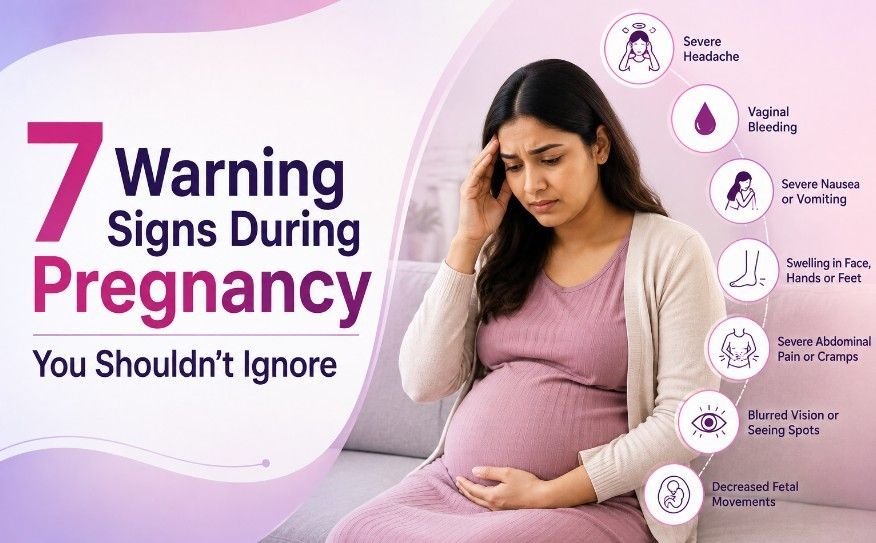
❓ What symptoms require immediate medical attention?

  • Severe abdominal pain
  • Bleeding
  • Reduced fetal movement
  • Severe headaches or swelling

Immediate consultation is advised in such cases.

Why Choose Dr. Shweta Mendiratta for Pregnancy Care in Faridabad?

✔️ Years of experience in obstetrics
✔️ Patient-friendly communication
✔️ Ethical and transparent treatment
✔️ Focus on mother and baby safety
✔️ Convenient location in Faridabad

Her clinic is trusted by families across Faridabad for safe and compassionate pregnancy care.

FAQs – Pregnancy Care in Faridabad

Q1. Is pregnancy care different for first-time mothers?

Yes, first-time mothers often need additional counseling, reassurance, and guidance, which Dr. Shweta provides patiently.

Q2. Does pregnancy care include delivery planning?

Yes, delivery planning is an essential part of pregnancy care, including discussions about normal delivery vs C-section.

Q3. Can working women manage pregnancy easily?

With proper guidance, diet, and rest, working women can safely manage pregnancy under medical supervision.

Q4. Is pregnancy care expensive?

Costs vary based on tests and individual needs. Dr. Shweta believes in transparent and ethical pricing.

Final Words

Pregnancy is not just about medical check-ups; it is about care, confidence, and trust. With the right guidance and expert supervision, this journey becomes smoother and more joyful.

If you are searching for reliable pregnancy care in Faridabad, consulting Dr. Shweta Mendiratta can help ensure a safe pregnancy and a healthy beginning for your baby.

Why Dr. Shweta Mendiratta Is Considered the Best Gynecologist in Faridabad

When it comes to women’s health, choosing the right gynecologist is one of the most important decisions a woman makes. From adolescence to pregnancy, motherhood, and menopause, a gynecologist plays a lifelong role in a woman’s physical and emotional well-being. For thousands of women and families, Dr. Shweta Mendiratta is a trusted name and is widely regarded as one of the best gynecologists in Faridabad. Her expertise, compassionate approach, and patient-first philosophy have made her a preferred choice for women across Faridabad and nearby areas.

A Trusted Name in Women’s Healthcare in Faridabad

Dr. Shweta Mendiratta is known for providing ethical, evidence-based, and personalised gynecological care. With years of clinical experience and a deep understanding of women’s health issues, she has successfully treated patients dealing with:

  • Pregnancy and childbirth
  • High-risk pregnancies
  • PCOS and hormonal imbalance
  • Irregular periods
  • Infertility concerns
  • Menopause-related issues
  • General gynecological problems

Women from Faridabad, Greater Faridabad, Ballabhgarh, and nearby NCR areas seek her consultation for both routine and complex gynecological conditions.

Why Patients Call Dr. Shweta Mendiratta the Best Gynecologist in Faridabad

  1. Patient-Centric and Compassionate Approach

One of the most common reasons patients recommend Dr. Shweta Mendiratta is her calm, approachable, and empathetic nature. She takes the time to listen, understand patient concerns, and explain medical conditions in simple, reassuring language.

Many women feel hesitant or anxious discussing gynecological issues. Dr. Shweta ensures a comfortable, non-judgmental environment, making patients feel heard and supported.

  1. Expertise in Pregnancy & Normal Delivery

Dr. Shweta Mendiratta is especially known as a pregnancy care specialist and normal delivery doctor in Faridabad.

Her pregnancy care focuses on:

  • Regular antenatal check-ups
  • Nutrition and lifestyle counselling
  • Monitoring fetal growth and maternal health
  • Encouraging safe and normal delivery whenever possible

She strongly believes that normal delivery should be promoted whenever medically feasible, while always prioritising the safety of both mother and baby.

  1. High-Risk Pregnancy Management

High-risk pregnancies require close monitoring and expert decision-making. Dr. Shweta Mendiratta has extensive experience in managing conditions such as:

  • Gestational diabetes
  • High blood pressure during pregnancy
  • Thyroid disorders
  • Recurrent pregnancy loss
  • Advanced maternal age pregnancies

Her timely diagnosis and proactive care help reduce complications and improve pregnancy outcomes.

  1. PCOS, Period Problems & Hormonal Disorders

PCOS and menstrual irregularities are among the most searched women’s health issues in Faridabad today.

Dr. Shweta offers a holistic approach to PCOS treatment, focusing on:

  • Accurate diagnosis
  • Lifestyle modification
  • Weight management guidance
  • Medical treatment tailored to individual needs

Patients appreciate her realistic advice rather than unnecessary medications or fear-based counselling.

  1. Ethical, Transparent & Evidence-Based Care

Dr. Shweta Mendiratta follows ethical medical practices and avoids unnecessary tests or procedures. She believes in educating patients so they can make informed decisions about their health.

This transparency has earned her strong word-of-mouth recommendations and long-term patient trust across Faridabad.

Common Patient Queries She Addresses Daily

Patients often search online with questions like:

  • “Who is the best gynecologist in Faridabad for pregnancy?”
  • “Which doctor is best for normal delivery in Faridabad?”
  • “When should I see a gynecologist for irregular periods?”
  • “Is PCOS curable?”
  • “How to choose the right gynecologist near me?”

Dr. Shweta Mendiratta addresses these concerns with clarity, patience, and personalised guidance, which is why patients continue to choose her for long-term care.

Location Advantage: Easily Accessible in Faridabad

Dr. Shweta Mendiratta practices in Faridabad, making her easily accessible to patients from:

  • Old Faridabad
  • Sector areas of Faridabad
  • Greater Faridabad
  • Ballabhgarh
  • Nearby NCR regions

For women searching online for a “gynecologist near me” or “best lady doctor in Faridabad”, her clinic’s location and reputation make her a top choice.

FAQs – Frequently Asked Questions

Q1. Why is Dr. Shweta Mendiratta considered the best gynecologist in Faridabad?

Because of her combination of clinical expertise, compassionate care, ethical practice, and excellent pregnancy outcomes, patients consistently recommend her.

Q2. Does Dr. Shweta Mendiratta support normal delivery?

Yes. She strongly supports normal delivery whenever medically possible, while ensuring complete safety for both mother and baby.

Q3. Can I consult Dr. Shweta Mendiratta for PCOS and irregular periods?

Absolutely. She offers comprehensive evaluation and long-term management for PCOS, hormonal imbalance, and menstrual problems.

Q4. Is she experienced in handling high-risk pregnancies?

Yes. Dr. Shweta Mendiratta has vast experience in managing high-risk pregnancies with careful monitoring and timely intervention.

Q5. When should I visit a gynecologist?

You should consult a gynecologist if you have:

  • Irregular or painful periods
  • Pregnancy or planning pregnancy
  • PCOS symptoms
  • White discharge, pelvic pain, or infections
  • Menopause-related symptoms

Final Words: A Doctor Women Trust

Choosing the right gynecologist is not just about medical qualifications—it’s about trust, communication, and continuity of care. Dr. Shweta Mendiratta embodies all these qualities, making her one of the most trusted and best gynecologists in Faridabad.

Whether you are planning a pregnancy, dealing with hormonal issues, or simply prioritising your reproductive health, consulting an experienced and empathetic specialist like Dr. Shweta Mendiratta can make all the difference.

Best Gynecologist Doctor in Faridabad for All Stages of a Woman’s Life

A woman’s health needs evolve continuously—from adolescence to motherhood and beyond menopause. Each stage brings unique physical, emotional, and hormonal changes that require expert medical care, empathy, and guidance. Choosing the best gynecologist doctor in Faridabad ensures that women receive comprehensive, personalized care throughout every phase of life.

With a patient-centric approach and years of experience, Dr. Shweta Mendiratta is recognized for providing holistic gynecological care tailored to women of all ages.

Gynecological Care During Adolescence

Adolescence is often the first time girls experience changes in their reproductive health. This phase sets the foundation for lifelong gynecological well-being.

Common Adolescent Concerns

  • Irregular or painful periods

  • Heavy menstrual bleeding

  • Hormonal changes and acne

  • Education on menstrual hygiene

Early gynecological consultations help address concerns sensitively and promote healthy habits from the start.

Reproductive Years: Managing Menstrual & Hormonal Health

During the reproductive years, women often face menstrual irregularities, hormonal imbalances, and fertility-related concerns.

Common Issues in Reproductive Age

  • PCOS and hormonal disorders

  • Irregular menstrual cycles

  • Pelvic pain and infections

  • Family planning and contraception

The best gynecologist doctor in Faridabad focuses on accurate diagnosis, preventive care, and long-term health outcomes.

Preconception & Fertility Care

Planning a pregnancy requires medical preparation to ensure optimal maternal and fetal health.

Preconception Care Includes

  • Health assessment and medical history review

  • Nutritional guidance and supplements

  • Managing chronic conditions

  • Fertility evaluation if needed

Timely preconception counseling increases the chances of a healthy pregnancy and smooth delivery.

Pregnancy Care: From Conception to Safe Delivery

Pregnancy is a transformative journey that requires continuous medical monitoring and emotional support.

Comprehensive Pregnancy Care Covers

  • Antenatal check-ups and screenings

  • Ultrasound monitoring

  • Nutritional and lifestyle guidance

  • High-risk pregnancy management if required

With expert pregnancy care in Faridabad, women feel confident and supported throughout their maternity journey.

Labor, Delivery & Postnatal Care

Safe delivery and postnatal recovery are just as important as prenatal care.

Delivery & Postnatal Services

  • Support for normal delivery

  • C-section when medically indicated

  • Postpartum recovery and breastfeeding guidance

  • Emotional and mental health support

Holistic postnatal care ensures both mother and newborn thrive.

Gynecological Care in the 30s & 40s

As women age, hormonal fluctuations and lifestyle changes may lead to new health concerns.

Common Midlife Concerns

  • Heavy or irregular periods

  • Uterine fibroids

  • Endometriosis

  • Perimenopausal symptoms

Regular gynecological check-ups help manage symptoms and detect issues early.

Menopause & Post-Menopausal Care

Menopause marks a significant transition in a woman’s life. Proper care during this stage improves quality of life and long-term health.

Menopause Care Focuses On

  • Managing hot flashes and mood changes

  • Bone health and osteoporosis prevention

  • Urinary and vaginal health

  • Hormonal balance and overall wellness

A trusted gynecologist provides individualized menopause management plans.

Preventive Gynecological Care & Screenings

Preventive care is essential at every stage of life.

Key Preventive Services

  • Pap smears and cervical cancer screening

  • Breast health examinations

  • HPV vaccination guidance

  • Routine pelvic exams

Early detection saves lives and ensures peace of mind.

Why Choose the Best Gynecologist Doctor in Faridabad?

Choosing the right gynecologist is about trust, expertise, and long-term partnership.

Benefits of Expert Gynecological Care

  • Personalized treatment plans

  • Ethical, evidence-based medical advice

  • Comfortable and confidential consultations

  • Focus on overall women’s wellness

Dr. Shweta Mendiratta is known for her compassionate approach and commitment to women’s health at every stage.

When Should You Visit a Gynecologist?

Consult a gynecologist if you experience:

  • Irregular or painful periods

  • Pelvic pain or abnormal discharge

  • Difficulty conceiving

  • Pregnancy-related concerns

  • Menopausal symptoms affecting daily life

Early consultation leads to better outcomes.

Conclusion

A woman’s healthcare journey is lifelong and ever-evolving. From adolescence to menopause, expert gynecological care ensures physical health, emotional well-being, and confidence at every stage. Choosing the best gynecologist doctor in Faridabad means choosing compassionate, comprehensive, and personalized care.

With her extensive experience and patient-first philosophy, Dr. Shweta Mendiratta continues to support women through every milestone of their lives.