
Best Gynecologist in Faridabad for Normal Delivery – What to Look For?

Pregnancy is a life-changing journey, and when it comes to childbirth, most women hope for a safe and smooth normal delivery. But one of the most important decisions you’ll make during this time is choosing the right doctor.

If you’ve been searching for the best gynecologist in Faridabad for normal delivery, you’re not alone. With so many options available, it’s easy to feel confused about what really matters. Is it experience? Hospital facilities? Or patient reviews?

The truth is—it’s a combination of all these factors and more. According to Dr Shweta Mendiratta, a normal delivery is not just about avoiding surgery; it’s about ensuring the safety of both mother and baby through the right medical guidance and timely decisions.

Why Choosing the Right Gynecologist Matters

A skilled and supportive gynecologist can make a huge difference in your pregnancy experience. From prenatal care to delivery, your doctor is your guide, support system, and decision-maker in critical moments.

The right doctor will:

  • Encourage natural delivery when medically possible
  • Monitor your pregnancy closely
  • Identify risks early
  • Provide emotional reassurance

Choosing the best doctor for normal delivery in Faridabad increases your chances of a positive and confident childbirth experience.

What to Look for in a Gynecologist for Normal Delivery

Let’s break it down into practical points that actually matter when you’re making this decision.

  1. Experience in Handling Normal Deliveries

Not every gynecologist has the same approach. Some may prefer planned C-sections, while others actively support vaginal births whenever possible.

Look for a doctor who:

  • Has a strong track record of normal deliveries
  • Is experienced in handling both low-risk and high-risk pregnancies
  • Believes in minimizing unnecessary interventions

An experienced specialist like Dr Shweta Mendiratta, known for normal delivery in Faridabad, focuses on safe and natural childbirth whenever possible.

  1. Patient-Centric Approach

Pregnancy is personal, and every woman’s journey is different. A good gynecologist listens to your concerns, answers your questions, and involves you in decision-making.

Signs of a patient-friendly doctor:

  • Takes time to explain procedures
  • Doesn’t rush appointments
  • Respects your preferences (when medically safe)

Feeling comfortable with your doctor is just as important as their qualifications.

  1. Hospital Facilities & Emergency Support

Even if you’re planning a normal delivery, it’s important to be prepared for unexpected situations.

Make sure the hospital:

  • Has a well-equipped labor room
  • Offers 24/7 emergency care
  • Has NICU (Neonatal Intensive Care Unit) facilities
  • Provides pain management options like epidural

Choosing a gynecologist in Faridabad for safe delivery means also choosing the right hospital setup.

  1. Focus on Prenatal Care

A smooth delivery begins long before labor. Regular check-ups and proper prenatal care play a huge role in increasing the chances of normal delivery.

A good doctor will:

  • Monitor your baby’s growth closely
  • Guide you on diet and exercise
  • Help you maintain a healthy pregnancy weight
  • Identify complications early

This is why many women prefer consulting the best pregnancy doctor in Faridabad early in their journey.

  1. Transparency in Advice

One of the biggest concerns women have is unnecessary C-sections. A trustworthy gynecologist will always prioritize medical necessity over convenience.

Look for a doctor who:

  • Clearly explains why a C-section is needed (if at all)
  • Doesn’t create unnecessary fear
  • Supports natural labor unless complications arise
  1. Positive Patient Reviews & Word of Mouth

Real patient experiences often give you the most honest insights.

Check for:

  • Google reviews
  • Testimonials
  • Recommendations from friends or family

Doctors like Dr Shweta Mendiratta, regarded as the best gynecologist in Faridabad for normal delivery, are often recommended because of consistent patient satisfaction and successful outcomes.

Can Every Woman Have a Normal Delivery?

This is a common question—and the answer is: not always.

While many women can safely have a normal delivery, certain conditions may require a C-section, such as:

  • High-risk pregnancy
  • Baby in abnormal position
  • Fetal distress
  • Placenta-related issues

A good gynecologist will always aim for a normal delivery but will not compromise on safety.

Tips to Increase Chances of Normal Delivery

If you’re aiming for a normal delivery, here are some practical tips:

  • Stay active (walking, prenatal yoga)
  • Eat a balanced and nutritious diet
  • Attend all prenatal check-ups
  • Avoid excessive weight gain
  • Practice breathing and relaxation techniques
  • Stay mentally positive and informed

Your doctor’s guidance plays a key role in this journey.

Emotional Comfort is Equally Important

Beyond medical expertise, emotional support matters a lot during pregnancy and labor.

A doctor who reassures you, supports your decisions, and stays calm during critical moments can make childbirth a much more positive experience.

This is one of the reasons why many expecting mothers trust Dr Shweta Mendiratta, a leading gynecologist in Faridabad, for their pregnancy and delivery care.

Why Choose Dr. Shweta Mendiratta for Normal Delivery in Faridabad?

Choosing the right doctor is about trust, experience, and comfort.

Dr. Shweta Mendiratta offers:

  • Strong focus on normal delivery
  • Expertise in handling high-risk pregnancies
  • Personalized pregnancy care plans
  • Transparent and ethical medical advice
  • Supportive and compassionate approach

Her dedication to safe and natural childbirth makes her one of the best gynecologists in Faridabad for normal delivery.

Frequently Asked Questions (FAQs)

Q1: How do I choose the best gynecologist for normal delivery?

A: Look for experience, patient reviews, hospital facilities, and a doctor who supports natural delivery when possible.

Q2: Can a doctor guarantee normal delivery?

A: No, delivery type depends on medical conditions. However, a skilled doctor can increase the chances with proper care.

Q3: What is the success rate of normal delivery?

A: It varies, but with proper prenatal care and a healthy pregnancy, many women can have a normal delivery.

Q4: Is normal delivery safer than a C-section?

A: In low-risk pregnancies, yes. It has faster recovery and fewer complications.

Q5: When should I start consulting a gynecologist?

A: Ideally, as soon as you confirm your pregnancy or even while planning pregnancy.

Q6: Can high-risk pregnancies have normal delivery?

A: In some cases, yes—but it depends on medical evaluation and continuous monitoring.

Q7: Does hospital choice matter for normal delivery?

A: Absolutely. A well-equipped hospital with emergency support is essential for safe delivery.

Conclusion

Finding the best gynecologist in Faridabad for normal delivery is not just about credentials—it’s about trust, comfort, and the confidence that you’re in safe hands.

A good doctor will guide you through every step of your pregnancy, support your goal of a normal delivery, and make the right decisions when it matters the most.

With the right care, preparation, and expert guidance from Dr Shweta Mendiratta, your journey to motherhood can be safe, smooth, and truly empowering.
When Should You Visit a Gynecologist During Pregnancy?

Finding out you’re pregnant brings a mix of emotions—joy, excitement, and of course, a little anxiety. One of the first questions that comes to mind is: “When should I visit a gynecologist during pregnancy?”

The truth is, timely visits to your doctor play a crucial role in ensuring both your health and your baby’s development. Regular check-ups are not just routine—they are essential milestones in your pregnancy journey.

According to Dr Shweta Mendiratta, the best pregnancy doctor in Faridabad early and consistent prenatal care can help prevent complications and ensure a safe, smooth pregnancy.

Your First Visit: Don’t Wait Too Long

The ideal time to visit a gynecologist is as soon as you miss your period and get a positive pregnancy test. Most doctors recommend scheduling your first appointment between 6 to 8 weeks of pregnancy.

During this visit, your doctor will:

  • Confirm the pregnancy through ultrasound
  • Estimate your due date
  • Review your medical history
  • Suggest essential blood tests
  • Prescribe prenatal vitamins like folic acid

If you’re searching for the best pregnancy doctor in Faridabad, starting early with the right specialist ensures you’re on the right track from day one.

Trimester-Wise Visit Schedule

Pregnancy is divided into three trimesters, and each phase requires a different level of care and monitoring.

First Trimester (0–12 Weeks)

This is the most sensitive phase of pregnancy, where the baby’s major organs begin to develop.

Doctor visits:

  • Every 3–4 weeks

What to expect:

  • Blood tests and urine tests
  • Early ultrasound scans
  • Screening for genetic conditions
  • Guidance on diet, lifestyle, and precautions

This is also the time when symptoms like nausea, fatigue, and mood swings are most common. Having a trusted gynecologist in Faridabad for pregnancy care can help you navigate this phase comfortably.

Second Trimester (13–28 Weeks)

Often called the “golden period” of pregnancy, this phase is relatively more comfortable for most women.

Doctor visits:

  • Every 4 weeks

What to expect:

  • Growth scans to monitor baby development
  • Anomaly scan (around 18–20 weeks)
  • Monitoring blood pressure and weight
  • Screening for gestational diabetes

This is also when you start feeling your baby’s movements, making the journey more real and exciting.

Third Trimester (29–40 Weeks)

As you approach delivery, monitoring becomes more frequent and important.

Doctor visits:

  • Every 2 weeks (till 36 weeks)
  • Weekly visits after 36 weeks

What to expect:

  • Baby’s position and growth monitoring
  • Non-stress tests (if required)
  • Discussion about delivery plan (normal delivery vs C-section)
  • Preparation for labor and hospital admission

Choosing the best gynecologist for delivery in Faridabad ensures you’re well-prepared for the big day.

Situations When You Should Visit Immediately

Apart from scheduled visits, there are certain situations where you should not wait for your next appointment. Seek immediate medical attention if you experience:

  • Vaginal bleeding or spotting
  • Severe abdominal pain or cramps
  • Persistent vomiting or dehydration
  • High fever
  • Sudden swelling in hands or face
  • Reduced baby movements (especially in later months)
  • Severe headaches or blurred vision

These could be signs of complications and require urgent evaluation by a pregnancy specialist in Faridabad.

Why Regular Visits Are So Important

Many women feel that if everything seems normal, they can skip a visit. But pregnancy doesn’t always show visible signs when something is wrong.

Regular prenatal check-ups help:

  • Track baby’s growth and development
  • Detect complications early
  • Monitor mother’s health (BP, sugar levels, etc.)
  • Provide timely vaccinations
  • Offer guidance for a healthy pregnancy

It’s not just about treatment—it’s about prevention and reassurance.

Emotional Support Matters Too

Pregnancy is not just a physical journey—it’s emotional too. There are days filled with excitement and days filled with doubts.

Having a doctor who listens, reassures, and guides you through every stage makes a huge difference.

Many women prefer consulting Dr Shweta Mendiratta, known as the best pregnancy doctor in Faridabad, because of her approachable nature and personalized care.

Tips for a Healthy Pregnancy Journey

Along with regular doctor visits, here are some simple tips to keep your pregnancy smooth:

  • Eat a balanced and nutritious diet
  • Stay hydrated
  • Get enough rest and sleep
  • Avoid stress and overexertion
  • Follow your doctor’s advice strictly
  • Never self-medicate

Consistency is key when it comes to prenatal care.

Why Choose Dr. Shweta Mendiratta for Pregnancy Care in Faridabad?

Choosing the right gynecologist can shape your entire pregnancy experience.

Dr. Shweta Mendiratta offers:

  • Comprehensive prenatal and postnatal care
  • Focus on safe and normal deliveries
  • Expertise in managing high-risk pregnancies
  • Regular monitoring with advanced diagnostics
  • Patient-friendly, supportive approach

Her dedication and experience make her a trusted choice for women looking for the best gynecologist in Faridabad for pregnancy and delivery care.

Frequently Asked Questions (FAQs)

Q1: When should I first visit a gynecologist after a positive pregnancy test?

A: Ideally within 6–8 weeks of pregnancy for confirmation and initial tests.

Q2: How often should I visit the doctor during pregnancy?

A: Monthly in the first 6 months, then every 2 weeks, and weekly in the last month.

Q3: Are all prenatal visits necessary?

A: Yes, each visit helps monitor your health and your baby’s development, even if you feel fine.

Q4: What happens during the first pregnancy visit?

A: Your doctor confirms pregnancy, estimates due date, prescribes supplements, and orders basic tests.

Q5: When should I worry during pregnancy?

A: If you experience bleeding, severe pain, reduced baby movement, or unusual symptoms, consult your doctor immediately.

Q6: Can I skip visits if my pregnancy is normal?

A: No, regular visits are essential to detect hidden complications early.

Q7: How do I choose the right gynecologist?

A: Look for experience, patient reviews, accessibility, and comfort level with the doctor.

Conclusion

Knowing when to visit a gynecologist during pregnancy can make a significant difference in your journey to motherhood. Regular check-ups are not just appointments—they are steps toward ensuring a healthy baby and a safe delivery.

From your first visit to the final weeks before childbirth, having the right medical guidance is essential. Consulting an experienced expert like Dr Shweta Mendiratta, one of the best pregnancy doctors in Faridabad, ensures you receive the care, attention, and confidence you need throughout this beautiful journey.

Because at the end of the day, it’s not just about delivering a baby—it’s about nurturing a healthy beginning.

Normal Delivery vs C-Section: What Every Expecting Mother Should Know

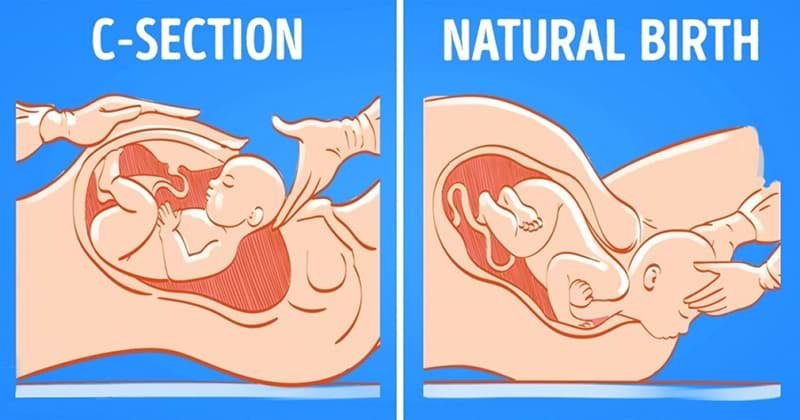
Pregnancy is one of the most beautiful journeys in a woman’s life—but when it comes to childbirth, many expecting mothers find themselves confused between normal delivery and C-section (Cesarean delivery). Questions, fears, and advice from multiple sources can make the decision even more overwhelming.

If you’re planning your delivery, understanding both options clearly can help you feel more confident and prepared. According to Dr Shweta Mendiratta, choosing the right mode of delivery depends on multiple factors, including the health of the mother, baby, and pregnancy progression.

What is Normal Delivery?

A normal delivery (vaginal birth) is the natural process where the baby is delivered through the birth canal without surgical intervention. It usually involves three stages—labor, delivery of the baby, and delivery of the placenta.

Benefits of Normal Delivery

  • Faster recovery compared to surgery
  • Lower risk of infections
  • Shorter hospital stay
  • Immediate bonding and breastfeeding
  • Reduced risk in future pregnancies

Many women today actively look for the best gynecologist for normal delivery in Faridabad to ensure a safe and smooth childbirth experience.

What is a C-Section (Cesarean Delivery)?

A C-section is a surgical procedure in which the baby is delivered through an incision in the abdomen and uterus. While it may sound intimidating, it is a safe and life-saving procedure when medically required.

When is a C-Section Needed?

  • High-risk pregnancy
  • Baby in breech (feet-first) position
  • Multiple pregnancies (twins/triplets)
  • Fetal distress (baby not getting enough oxygen)
  • Placenta previa (placenta blocking the cervix)
  • Previous C-section (in some cases)

Benefits of C-Section

  • Planned and scheduled delivery
  • Safer in complicated pregnancies
  • Avoids prolonged labor pain in certain cases

Normal Delivery vs C-Section: Key Differences

Factor Normal Delivery C-Section
Procedure Natural vaginal birth Surgical procedure
Recovery Time Faster (few days to weeks) Longer (4–6 weeks)
Pain Labor pain during delivery Post-surgery pain
Hospital Stay Short Longer
Risk Lower in normal cases Higher due to surgery
Future Pregnancies Easier recovery May require repeat C-section


Which Option is Better?

This is one of the most common questions expecting mothers ask. The truth is—there is no one-size-fits-all answer.

  • If your pregnancy is healthy and low-risk, normal delivery is usually recommended.
  • If there are complications, a C-section may be the safest option for both mother and baby.

An experienced specialist like Dr Shweta Mendiratta, gynecologist in Faridabad, carefully evaluates each case and suggests the safest delivery method rather than pushing for one approach.

Myths vs Facts About Delivery

Myth 1: C-section is the easier option

Fact: It is a major surgery with longer recovery time.

Myth 2: Normal delivery is always possible

Fact: Not always. Medical conditions may require a C-section.

Myth 3: Once a C-section, always a C-section

Fact: Many women can opt for VBAC (Vaginal Birth After Cesarean), depending on their condition.

Myth 4: Normal delivery affects body shape permanently

Fact: With proper care and exercise, the body recovers well.

Tips to Increase Chances of Normal Delivery

If you are aiming for a normal delivery, here are some helpful tips:

  • Stay physically active (prenatal yoga, walking)
  • Maintain a healthy weight
  • Eat a balanced diet rich in nutrients
  • Attend regular prenatal check-ups
  • Manage stress through meditation or breathing exercises
  • Choose an experienced gynecologist

Searching for the best doctor for pregnancy care in Faridabad can make a big difference in your delivery experience.

Emotional Aspect of Childbirth

Beyond the medical aspects, childbirth is also an emotional journey. Many women feel pressure—either to go for a normal delivery or avoid surgery.

It’s important to remember:
A safe mother and a healthy baby is the only goal.

Whether it’s a normal delivery or a C-section, both are valid and safe when done under expert care.

Why Choose Dr. Shweta Mendiratta for Pregnancy Care in Faridabad?

Choosing the right doctor plays a crucial role in your pregnancy journey.

Dr. Shweta Mendiratta offers:

  • Personalized pregnancy care
  • Focus on safe normal deliveries whenever possible
  • Expertise in handling high-risk pregnancies
  • Transparent guidance without unnecessary procedures
  • Emotional and medical support throughout pregnancy

Her patient-centric approach has made her a trusted name for those looking for a gynecologist in Faridabad for normal delivery and C-section care.

Frequently Asked Questions (FAQs)

Q1: Is normal delivery safer than a C-section?

A: In low-risk pregnancies, normal delivery is generally safer with quicker recovery. However, in complicated cases, a C-section is the safer option.

Q2: Can I choose between normal delivery and C-section?

A: While preferences are considered, the final decision depends on medical conditions and your doctor’s advice.

Q3: How painful is normal delivery?

A: Labor pain varies for every woman. Pain management options like epidural anesthesia can help reduce discomfort.

Q4: How long does it take to recover from a C-section?

A: Recovery usually takes around 4–6 weeks, depending on individual health and care.

Q5: Can I have a normal delivery after a previous C-section?

A: Yes, in many cases, VBAC (Vaginal Birth After Cesarean) is possible, but it depends on your medical history.

Q6: What are the risks of a C-section?

A: Risks include infection, blood loss, and longer recovery time, but it is generally safe when performed by an experienced doctor.

Q7: How can I prepare for a smooth delivery?

A: Regular check-ups, a healthy lifestyle, staying active, and choosing the right gynecologist are key factors.

Conclusion

The choice between normal delivery and C-section should never be based on fear or myths. Instead, it should be guided by medical expertise and your individual health condition.

With the right guidance, preparation, and support, childbirth can be a positive and empowering experience. Consulting an experienced specialist like Dr Shweta Mendiratta, one of the best gynecologists in Faridabad, ensures that both mother and baby receive the safest and most appropriate care.

Preparing for a Healthy Pregnancy: Expert Tips from a Leading Gynecologist in Faridabad

Becoming a mother is one of the most cherished moments in a woman’s life. However, a healthy pregnancy doesn’t just begin with a positive test — it starts much earlier, with proper planning and preparation. From nutrition and lifestyle changes to medical checkups, every step counts in ensuring a safe and smooth journey to motherhood.

Dr. Shweta Mendiratta, one of the best gynecologists in Faridabad, emphasizes the importance of preconception care, saying, “A healthy pregnancy begins even before conception. Preparing your body and mind increases your chances of a safe pregnancy and a healthy baby.”

Let’s explore how you can prepare effectively under expert medical guidance.

1. Schedule a Preconception Consultation

Before you begin your pregnancy journey, book an appointment with a gynecologist in Faridabad like Dr. Shweta Mendiratta. During this visit, your doctor will:

  • Review your medical history and family health conditions.

  • Discuss your menstrual cycle and any past fertility concerns.

  • Recommend necessary blood tests and screenings (thyroid, hemoglobin, blood sugar, and infection panels).

  • Check for immunity against rubella, chickenpox, and other infections.

This pre-pregnancy checkup ensures your body is ready for conception and helps detect any issues early.

2. Focus on a Balanced, Nutrient-Rich Diet

Nutrition plays a crucial role in improving fertility and supporting early fetal development. Dr. Shweta Mendiratta advises women to begin taking folic acid supplements at least three months before trying to conceive. Folic acid prevents neural tube defects and promotes healthy brain and spine development in the baby.

A healthy pre-pregnancy diet should include:

  • Iron-rich foods: Spinach, lentils, dates, and red meat to prevent anemia.

  • Calcium: Milk, yogurt, and leafy greens for strong bones and teeth.

  • Protein: Eggs, paneer, soy, and pulses to support tissue growth.

  • Omega-3 fatty acids: Walnuts, chia seeds, and fish for baby’s brain development.

  • Folic acid & vitamin B12: Crucial for fetal growth and maternal health.

Avoid processed foods, sugary snacks, and excessive caffeine. Staying hydrated is equally important — aim for at least 8–10 glasses of water daily.

3. Achieve a Healthy Weight Before Conception

Both being underweight and overweight can affect fertility and pregnancy health. Women who are overweight may have higher chances of developing gestational diabetes, high blood pressure, or complications during delivery.

Dr. Shweta Mendiratta, the best gynecologist in Faridabad for pregnancy care, recommends adopting a balanced diet combined with light physical activity like walking, yoga, or swimming before conception. This helps regulate hormones, improves ovulation, and prepares the body for a smoother pregnancy.

4. Manage Stress and Sleep Well

Stress can affect ovulation and hormonal balance, making it harder to conceive. Incorporating relaxation techniques such as meditation, breathing exercises, and mindfulness can significantly help.

Additionally, ensure you get 7–8 hours of sleep every night. A well-rested body has a better immune system, hormone balance, and emotional stability — all essential for conception and a healthy pregnancy.

5. Avoid Alcohol, Smoking, and Harmful Substances

Consumption of alcohol, tobacco, or recreational drugs can interfere with fertility and increase the risk of birth defects and miscarriage. Even passive smoking can harm reproductive health.

Dr. Shweta Mendiratta advises quitting these habits well before trying to conceive. If you need help, your gynecologist can guide you with safe detox and lifestyle modification strategies.

6. Track Your Ovulation and Fertile Window

Understanding your menstrual cycle helps you identify your most fertile days. Ovulation usually occurs 12–14 days before your next period. Monitoring cervical mucus changes, basal body temperature, or using ovulation kits can increase your chances of conceiving naturally.

If you have irregular cycles or difficulty tracking ovulation, consult Dr. Shweta Mendiratta. She provides advanced diagnostic support and personalized fertility advice.

7. Get Vaccinations Updated

Some infections can be harmful during pregnancy, especially in the early stages. Before trying to conceive, ensure your immunizations for rubella, varicella, hepatitis B, and influenza are up to date.

Your gynecologist will guide you on which vaccines are safe and necessary before and during pregnancy.

8. Preexisting Medical Conditions Need Special Care

If you have conditions such as diabetes, thyroid disorders, PCOS, hypertension, or epilepsy, discuss them with your gynecologist. Proper management before conception ensures a safer pregnancy.

Dr. Shweta Mendiratta tailors preconception care for women with such conditions, ensuring medication adjustments and regular monitoring to maintain optimal health for both mother and baby.

9. Mental and Emotional Readiness

Pregnancy is not just a physical journey — it’s an emotional transformation. Talking to your partner, setting realistic expectations, and addressing any fears or anxiety can make the process more joyful.

Support groups, prenatal counseling, or simply maintaining open communication with your gynecologist can ease the transition into motherhood.

10. Regular Follow-Ups After Conception

Once you conceive, regular antenatal checkups become essential. These visits help monitor your baby’s growth, detect potential complications early, and provide guidance for every trimester — from diet and exercise to fetal scans and supplements.

At her clinic in Faridabad, Dr. Shweta Mendiratta provides comprehensive pregnancy care, ensuring comfort, safety, and individualized attention throughout your journey.

Why Choose Dr. Shweta Mendiratta – Best Gynecologist in Faridabad

  • Extensive experience in managing high-risk pregnancies and women’s health concerns.

  • Patient-centered care with personalized attention and compassion.

  • Comprehensive preconception and antenatal services under one roof.

  • Modern diagnostic tools and advanced ultrasound facilities.

  • Strong commitment to safe motherhood and women’s wellness.

Frequently Asked Questions (FAQs)

Q1. When should I start preparing for pregnancy?
Ideally, start planning at least 3–6 months before conception to allow your body to adjust nutritionally and hormonally.

Q2. What supplements should I take before getting pregnant?
Folic acid (400 mcg daily) and Vitamin D are essential. Your gynecologist may recommend additional supplements based on your health profile.

Q3. Can I exercise while trying to conceive?
Yes. Moderate physical activity like walking, yoga, or swimming enhances fertility and helps maintain a healthy weight.

Q4. How often should I visit my gynecologist once I conceive?
Typically, every 4 weeks until 28 weeks, then every 2 weeks until 36 weeks, and weekly thereafter until delivery.

Q5. Is stress harmful during pregnancy?
Chronic stress can affect hormone balance and fetal development. Relaxation practices and regular communication with your doctor are recommended.

Conclusion

Preparing for pregnancy is one of the most rewarding investments in your and your baby’s health. With the right guidance, balanced nutrition, and regular medical care, you can embark on a safe and fulfilling journey to motherhood.

If you’re planning to conceive, consult Dr. Shweta Mendiratta, the best gynecologist in Faridabad, for expert preconception counseling and personalized pregnancy care. Her compassionate approach and expertise ensure you and your baby are in the safest hands from the very beginning.