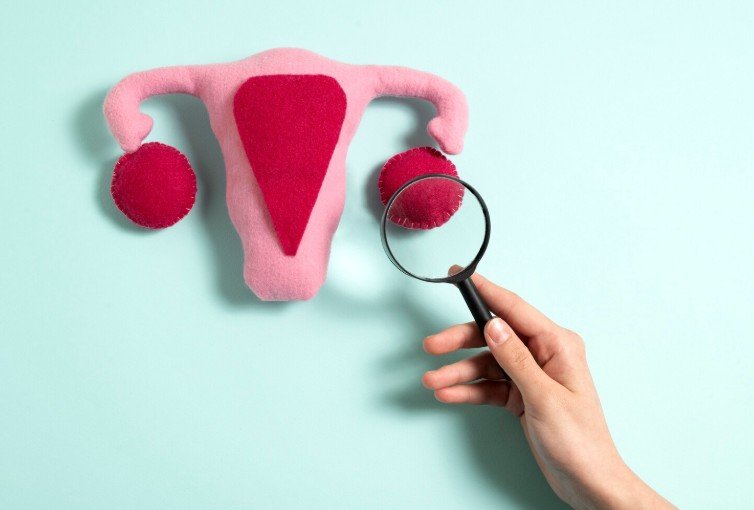

HPV Vaccine and Cervical Cancer Screening: What Women Should Know

Cervical cancer is one of the few cancers we can largely prevent. We know what causes it, we have a vaccine against the main culprit, and we have simple tests that find the early changes years before they turn into cancer. Yet in India, many women have never had a screening test, and many parents have never heard of the vaccine.

This article explains how HPV leads to cervical cancer, who should be vaccinated, who needs screening and how often, and which symptoms should never be ignored.

What is HPV?

Human papillomavirus (HPV) is a very common group of viruses spread through skin-to-skin genital contact. Most sexually active people will be infected at some point in their lives, often without knowing it. In the great majority, the body clears the virus on its own within a year or two.

Problems arise when certain high-risk types, especially HPV 16 and 18, stay in the cervix for years. They can slowly change the cells, first into pre-cancer and, if left alone for ten to twenty years or sometimes less, into cancer. Nearly all cervical cancers are linked to HPV. Other types cause genital warts, and HPV can also cause cancers of the vagina, vulva, anus and throat.

Cervical cancer remains a major health problem in India. Commonly cited estimates suggest the country accounts for roughly a quarter of the world’s cases, mostly because screening and vaccination have not reached enough women.

The HPV vaccine

The vaccine protects against the HPV types that cause most cervical cancers, and some vaccines also cover the types that cause genital warts. It works by preventing infection, so it is most effective when given before a person is exposed to the virus.

  • Best age: girls aged 9 to 14 years, ideally. At this age, the immune response is strong, and one or two doses are generally enough under current recommendations.
  • Older teenagers and young women: the vaccine is still useful, often as a three-dose schedule. The earlier, the better.
  • Women in their late twenties and beyond: the vaccine may still offer protection, particularly if you have not been exposed to all the HPV types it covers. This is a conversation to have with your doctor, who can advise whether it is worth it for you.
  • Boys and men: the vaccine can also be given to boys and men, to protect against warts and some cancers.
  • Pregnancy: the vaccine is not recommended during pregnancy. If you are planning a baby, it is better to complete it beforehand.

India has begun rolling out a national HPV vaccination programme for adolescent girls, according to news reports this year. Eligibility, age group and schedule can change, so please check current guidance with your doctor or local health authorities. The vaccine is safe, with side effects that are usually mild, such as soreness in the arm, low fever or tiredness.

One point I always stress: the vaccine does not treat an existing infection, and it does not protect against every cancer-causing type. Vaccinated women still need screening.

Cervical cancer screening: the tests

Screening means testing healthy women with no symptoms to find changes early. The main tests are:

  • Pap smear (cytology). A few cells are gently collected from the cervix with a small brush and examined under the microscope for abnormal changes.
  • HPV DNA test. The same kind of sample is tested for high-risk HPV types. It is more sensitive than a Pap smear for detecting women at risk, and many guidelines advise it from age 30.
  • Visual inspection with acetic acid (VIA). The cervix is looked at after applying a dilute vinegar-like solution, and abnormal areas turn white. This is used widely in public health programmes where laboratory tests are less available.

The tests are quick, taking only a few minutes. You lie on an examination couch, a speculum is gently inserted, and the sample is taken. It may feel uncomfortable but should not be very painful.

Who should be screened, and how often?

Guidelines differ slightly. Public programmes in India focus on women aged 30 to 65, with screening roughly every five years when results are normal. Many gynecologists, including me, start earlier for women who are sexually active, depending on individual risk, and may advise a Pap smear every three years or an HPV test every five years when results are normal. In general:

  • Start screening around the age of 25 to 30, or earlier if you have risk factors
  • Continue until at least 65, as long as your results have been normal
  • Do not stop screening just because you have had the vaccine or are in a stable relationship
  • Continue after menopause if you are within the screening age and were not regularly tested

This is not one-size-fits-all, which is why I tailor the schedule to each woman. If you are unsure whether you are due, a check-up is the easiest way to find out.

Preparing for the test

  • Schedule it when you are not menstruating
  • Avoid vaginal medicines, creams, douches and intercourse for about 48 hours before
  • Tell the doctor about any bleeding, discharge or pain, and about previous abnormal results

What if the result is abnormal?

Please do not panic. An abnormal screening test does not mean cancer. It usually means that cells have changed or that a high-risk virus is present, and that a closer look is needed. The next step is typically a colposcopy, where the cervix is viewed under magnification, and a small biopsy is taken if needed. Pre-cancerous changes can be treated with a short procedure, often in the outpatient setting, which removes or destroys the affected area. When found at this stage, treatment is very effective and cancer can be prevented.

If HPV is found but the cells are normal, I usually repeat the tests after a defined interval, because most infections clear on their own.

Symptoms that need a check-up, even if you are not due for screening

Screening is for women without symptoms. If you notice any of the following, see a gynecologist without waiting for the next test:

These symptoms are more often caused by infections or other benign problems, but they must be looked at properly.

Who is at higher risk?

  • Women who have never been screened or screened rarely
  • Those who started sexual activity at a young age or have had multiple partners, or whose partner has had multiple partners
  • Smokers
  • Women with weak immunity, for example from HIV or long-term steroids
  • Women who have had many pregnancies or have used hormonal contraceptives for many years (the extra risk is small, and screening mitigates it)
  • Women with other genital infections

Myths worth correcting

“The vaccine encourages early sex.” There is no evidence for this. It protects against a virus, just like the hepatitis B vaccine.

“Only women with many partners get HPV.” Most sexually active adults are exposed at some point, including women in lifelong relationships.

“No symptoms means no problem.” Pre-cancer has no symptoms. That is the whole point of screening.

“The vaccine causes infertility.” Large studies have found no such link.

“I had the vaccine, so I do not need a Pap smear.” Screening is still advised.

Part of a bigger picture

Screening for cervical cancer should sit alongside other routine checks. I discuss why these matter in why regular gynec checkups are important for every woman, why preventive health checkups are crucial for every woman and the importance of early diagnosis in gynecological cancers. For ovarian symptoms, see ovarian cancer awareness. For young girls and their parents, adolescent gynecology explains when to introduce a girl to the gynecologist. If you have PCOS, you need the same screening as everyone else, as I note in PCOS or PCOD. And if you are planning a pregnancy, ask for a Pap or HPV test as part of the preparation, which is also part of infertility tests for women.

Book a consultation

If you have never had a Pap smear, are unsure when you last had one, or want to talk about vaccination for yourself or your daughter, please come in. You can book an appointment here.

This article is for general awareness and does not replace a personal medical consultation.
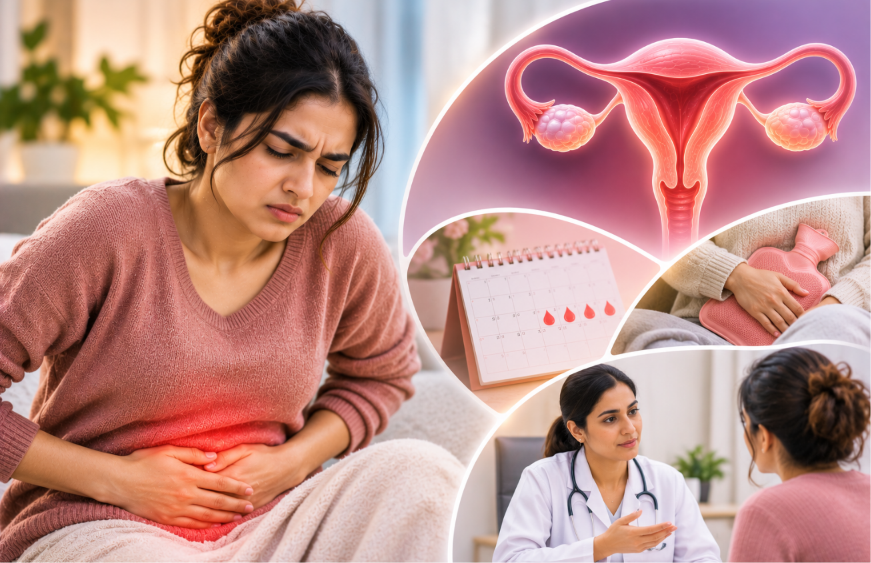
Painful Periods: Causes and When to See a Gynecologist

For many women, a few days of cramps every month feel like a fact of life. Mothers say it, friends say it, and a hot water bag and a painkiller become part of the routine. But there is a difference between cramps that are uncomfortable and pain that stops you from going to work, college or even getting out of bed.

In my clinic I meet women who have put up with severe period pain for ten or fifteen years before finding out that there was a treatable reason behind it. This article explains what is normal, what is not, and when to seek help.

Why periods hurt

During your period, the lining of the uterus is shed. The uterus contracts to push it out, helped by chemicals called prostaglandins. Higher levels of prostaglandins mean stronger contractions and more pain. The cramps are felt in the lower abdomen and can spread to the back and thighs. Some women also get nausea, loose stools, headache or fatigue.

The medical term for painful periods is dysmenorrhoea. It comes in two types.

Primary dysmenorrhoea: pain without an underlying disease

This is the common type. It usually begins within a year or two of a girl’s first period, starts a day or so before the bleeding or when it begins, and lasts for one to three days. The pelvis is normal on examination and scans. The pain tends to ease with age, and often after a pregnancy, and it usually responds well to simple treatment.

Secondary dysmenorrhoea: pain caused by another condition

This type starts later, often in the twenties or thirties, or it changes from what was previously manageable. Causes include:

  • Endometriosis, where tissue like the uterine lining grows outside the uterus. It often causes pain before and during periods, pain during sex, and trouble conceiving. See endometriosis symptoms that women in India are ignoring.
  • Adenomyosis, where the lining grows into the muscle wall of the uterus, causing heavy, painful periods and an enlarged, tender uterus. I explain the difference in adenomyosis vs endometriosis.
  • Fibroids, non-cancerous growths in the uterus that can cause heavy bleeding, pressure and pain. Read more on our fibroids page.
  • Pelvic infection (pelvic inflammatory disease), often with fever, foul-smelling discharge and pain during sex
  • Ovarian cysts, which can cause one-sided pain
  • A copper intrauterine device, which can increase cramps and bleeding in some women

Normal cramps or a warning sign?

Usually normal Worth getting checked
Pain starts around the first day of the period and eases in 2 to 3 days Pain begins days before the period or lasts through most of it
Settles with a hot water bag or one or two painkillers Painkillers barely help or you need them every cycle in high doses
Has been much the same since your teens Is getting worse over months or years, or started after 25
Does not stop you from daily activities Makes you miss school, work or sleep
Periods are of normal flow Bleeding is very heavy, with large clots, or between periods
No pain at other times Pain during sex, while passing stools or urine, or at other times of the month

Warning signs that should not wait

Please see a gynecologist soon if you have:

  • Severe pain that does not improve with medicines
  • Pain that is new, or much worse than before
  • Heavy bleeding that soaks a pad every one to two hours, or contains large clots
  • Fever with lower abdominal pain, or a foul-smelling vaginal discharge. My article on white discharge: normal vs abnormal explains when discharge needs treatment
  • Bleeding after sex or between periods
  • Pain during intercourse
  • Difficulty conceiving after a year of trying
  • Fainting, dizziness or paleness, which may suggest anaemia from heavy blood loss

If the pain is sudden, severe and one-sided, especially with vomiting or fainting, go to an emergency department, because it can be an ovarian cyst twisting or an ectopic pregnancy.

How we find the cause

I start by listening. When did the pain start, how severe is it, what helps, and how are your cycles? A pelvic ultrasound is usually the first test. It can show fibroids, cysts and signs of adenomyosis. If endometriosis is suspected and the ultrasound is not enough, an MRI or a keyhole look (laparoscopy) may be advised. Blood tests may be done for anaemia and infection. A normal scan does not always rule out endometriosis, which is one reason why many women wait years for a diagnosis. For a young woman, we also think about the whole menstrual picture, including whether cycles are regular. If they are not, PCOS or PCOD may be part of the story.

Treatment options

Self-care. A hot water bag on the lower abdomen, gentle walking or yoga, enough sleep and avoiding smoking can all ease cramps. Some women find that cutting down caffeine and salty foods helps.

Pain relief the right way. Anti-inflammatory medicines such as mefenamic acid or ibuprofen work best when taken at the first sign of pain, with food, and for the shortest time needed. They are not suitable for everyone, for example people with stomach ulcers, kidney problems or asthma triggered by painkillers, so please check with your doctor before using them regularly.

Hormonal treatment. Combined contraceptive pills, progestin tablets or a hormone-releasing intrauterine system reduce the lining and prostaglandins, so periods become lighter and less painful. They are also useful in endometriosis and adenomyosis.

Treating the cause. Fibroids, cysts and endometriosis may need medicines or minimally invasive surgery. Where an operation is needed, I prefer keyhole techniques, which mean smaller cuts and quicker recovery. You can read about our laparoscopy services.

Fertility planning. If you have endometriosis or adenomyosis and want a baby, timing and treatment need to be planned carefully. See infertility tests for women: what to expect at your first visit.

Myths about period pain

“Painful periods are normal, every woman has them.” Mild cramps are normal. Severe pain is not, and it should be assessed.

“The pain will go away after marriage or after a baby.” It may ease in primary dysmenorrhoea, but conditions like endometriosis do not disappear on their own.

“Taking painkillers during periods is harmful.” Occasional use at the right dose is safe for most women. Using them heavily every month without finding the cause is the real problem.

“Period pain is a teenage problem.” Pain that begins in your late twenties or thirties usually has a cause.

Teenagers and period pain

Teen girls are often told to ignore cramps. A gentle approach works best: reassurance, heat, simple medicines, and a check-up if the pain is stopping school or is not improving. You may find my articles on irregular periods in teens and menstrual hygiene helpful. If bleeding is also very heavy or irregular, see heavy periods: when is it normal and irregular periods: when to see a gynecologist.

When to see a gynecologist

Book a visit if your period pain is getting worse, keeps you from your normal life, does not respond to simple medicines, or comes with any warning sign above. If you are sexually active and have not had a Pap smear or HPV test, this is also a good time to ask about screening, which I describe in HPV vaccine and cervical cancer screening. You can book an appointment here.

This article is for general awareness and does not replace a personal medical consultation.
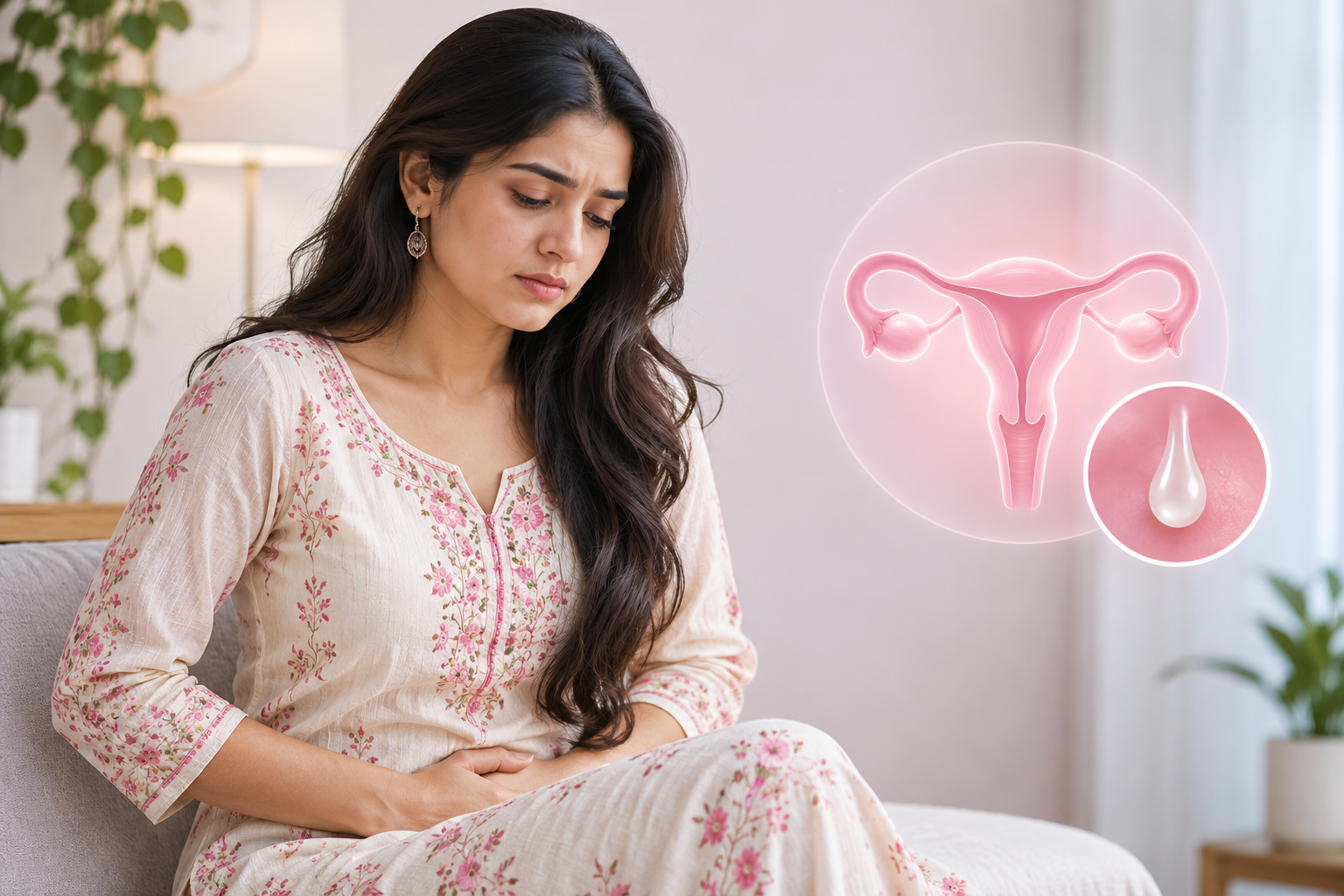
White Discharge: Normal vs Abnormal and When to Worry

Few topics make women more embarrassed to bring up than vaginal discharge. Many wait months, try home remedies or ask a friend, and only see a doctor when the itching or smell has become unbearable. Others worry about perfectly normal discharge and use harsh washes that cause the very problems they fear.

So let me answer plainly: what is normal, what is not, and what to do about it.

Is white discharge normal?

Yes, in most cases. The vagina cleans itself. It produces a small amount of fluid every day to flush out old cells and bacteria and to keep the area moist and slightly acidic, which protects against infection. This fluid is what you notice as discharge.

Normal discharge is usually clear or milky white, has no strong smell, does not cause itching or burning, and changes in amount and texture through the month. It may be:

  • Thin and slightly sticky just after a period
  • Clear, stretchy and slippery, like raw egg white, around ovulation
  • Thicker and creamy in the days before a period
  • Increased during pregnancy, or with hormonal pills
  • Heavier in teenagers who have just started their periods, and sometimes for a few months before the first period

In short, a change in amount or texture alone, without itching, pain or odour, is usually not a problem.

When white discharge becomes abnormal

It is time to think about infection or another cause when discharge:

  • Is thick, white and curdy, like cottage cheese, with intense itching
  • Is grey, yellow or green
  • Has a strong, fishy or foul smell
  • Is frothy
  • Is blood-stained or occurs after Intercourse or between periods
  • Comes with burning during urination, pain during intercourse or lower abdominal pain
  • Is accompanied by fever
  • Comes with sores, blisters or lumps in the genital area

Common causes of abnormal discharge

Cause What it often looks and feels like
Yeast infection (candidiasis) Thick, white, odourless, curd-like discharge with itching and redness
Bacterial vaginosis Thin, grey-white discharge with a fishy smell, especially after intercourse or periods
Trichomoniasis Frothy yellow-green discharge, itching, pain on passing urine
Chlamydia or gonorrhoea Yellowish discharge, burning with urination, pain, or sometimes no symptoms at all
Pelvic inflammatory disease Discharge with lower abdominal pain, fever and pain during intercourse
Cervical problems, including polyps or growths Watery or blood-stained discharge, bleeding after intercourse
Forgotten tampon or foreign body Foul-smelling discharge, often brownish

Only a proper examination and, if needed, a swab test can tell these apart. The look of the discharge is a clue, not a diagnosis. The causes also overlap, and women can have more than one infection at a time. I have also covered this in vaginal infections: causes, symptoms and prevention tips.

Why infections happen

The vagina contains friendly bacteria, mainly lactobacilli, that keep the environment acidic. Anything that disturbs this balance can let other organisms multiply. Common triggers include:

  • Antibiotic courses
  • Uncontrolled diabetes, which feeds yeast
  • Hormonal changes in pregnancy and menopause
  • Wearing damp or tight synthetic clothes for long hours, particularly in hot and humid weather
  • Douching or using soaps, vaginal washes and scented products inside or around the vagina
  • Unprotected Intercourse or new partners
  • Poor hygiene during periods, such as leaving a pad or cup unchanged for too long

One point I wish every woman knew: the vagina does not need to be washed on the inside. Water on the outer area is enough. Douching and perfumed washes kill the protective bacteria and often make discharge worse.

Discharge and hormonal problems

Increased clear or white discharge can also reflect changes in hormones. Women with irregular cycles or PCOS sometimes notice that discharge changes pattern, because ovulation is disturbed. Discharge by itself is not a symptom of PCOS, but if you also have irregular periods, acne or excess hair, read PCOS or PCOD: symptoms, diagnosis and treatment.

When discharge points to something more serious

Most discharge is caused by easily treatable infections. But a persistent, watery, foul-smelling or blood-stained discharge, bleeding after intercourse or bleeding after menopause should be checked promptly, because they can sometimes signal changes in the cervix or uterus. This is also why regular screening matters. My article on HPV vaccine and cervical cancer screening explains the tests, and you can read about the importance of early diagnosis in gynecological cancers.

Please do not self-diagnose. Anti-fungal creams or antibiotics from the chemist may clear one cause and hide another, and incomplete treatment makes infections come back.

How it is diagnosed

I ask about the colour, smell, itching, timing, partners, medicines and any other symptoms. A gentle examination of the vulva, vagina and cervix follows. Depending on what I find, I may take a vaginal swab for microscopy or culture, test urine for infection, check for sexually transmitted infections, or do a Pap smear or HPV test. The tests take only a few minutes, and the information they give saves weeks of trial and error.

Treatment

Treatment depends on the cause:

  • Yeast infection. Antifungal tablets, vaginal pessaries or creams. Diabetes control matters if infections keep returning.
  • Bacterial vaginosis. Antibiotics, taken by mouth or as a vaginal gel.
  • Sexually transmitted infections. Specific antibiotics. In these cases, partners also need treatment, and Intercourse should be avoided until both have completed it, or the infection can pass back and forth.
  • Pelvic infection. Needs a full antibiotic course and sometimes admission to hospital.
  • Cervical polyps or other cervical problems. May need minor procedures.

Take the complete course, even if the symptoms clear after a few days.

Everyday habits that keep discharge healthy

  • Wash the outer genital area with plain water once or twice a day, and avoid inside washes and scented products
  • Wear breathable cotton underwear, change out of wet clothes quickly, and avoid sleeping in tight garments
  • Wipe from front to back after using the toilet
  • Change pads and tampons every four to six hours and keep menstrual cups clean
  • Use condoms with new partners
  • Keep blood sugar under control if you are diabetic
  • Avoid unnecessary antibiotics

For more ideas, see how to maintain vaginal health: tips from a gynecologist and menstrual hygiene: myths, facts and best practices.

Discharge in pregnancy

More discharge is normal in pregnancy. But watery leakage that does not stop, blood-stained discharge, itching with odour or a sudden gush of fluid needs to be checked at once. Infections during pregnancy should be treated promptly because they can sometimes lead to complications. See my article on warning signs during pregnancy you shouldn’t ignore.

When to see a gynecologist

Book a visit if discharge has changed in colour, smell or consistency, if you have itching or burning, if symptoms keep coming back, or if you have pain, fever or bleeding. If cramps also trouble you, my article on painful periods explains when pain needs attention. And if infections keep returning while you are trying to conceive, ask about the full work-up described in infertility tests for women.

You can book an appointment. Every consultation is private and judgement-free.

This article is for general awareness and does not replace a personal medical consultation.
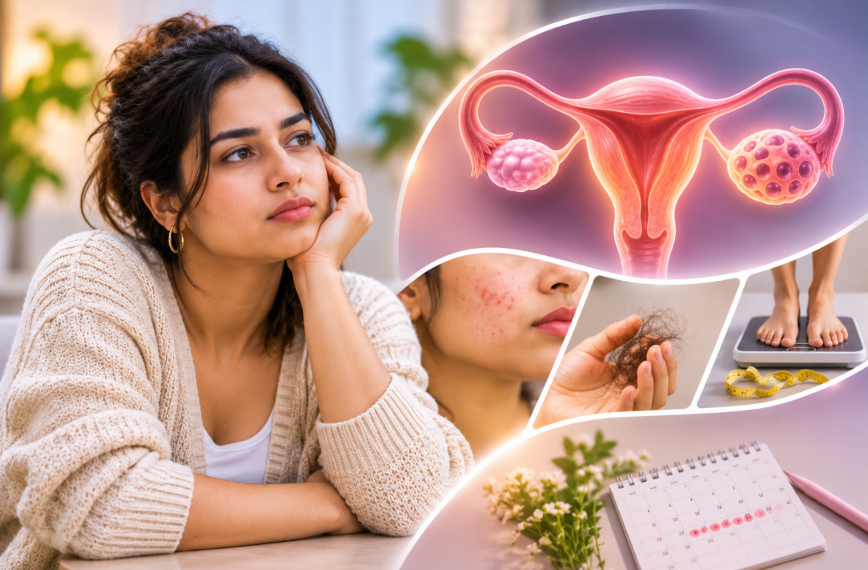
PCOS or PCOD? Symptoms, Diagnosis and Treatment Guide

“Doctor, is it PCOS or PCOD? My friend says they are different.” This is one of the questions I am asked most often by young women who have just seen the words on an ultrasound report. Many arrive anxious, having already read that PCOS means they will never conceive or will gain weight no matter what they do. Neither is true.

Let me explain what these terms mean, how the condition is really diagnosed, and what can be done about it.

PCOS vs PCOD: is there a difference?

In everyday talk in India, PCOD (polycystic ovarian disease) usually means ovaries that contain many small, immature follicles along with some hormonal disturbance. PCOS (polycystic ovary syndrome) is the term doctors use for the full condition, which involves the hormones, the metabolism and the ovaries together. Some people describe PCOD as the milder form and PCOS as the more serious one.

In clinical practice, the two names are mostly used for the same problem, and what matters is not the label but the pattern in each woman: whether she ovulates regularly, whether her male-type hormones are high, and whether her body is resistant to insulin. That pattern decides the treatment.

How common is it?

PCOS is one of the most common hormonal conditions in women of reproductive age. Estimates for India vary widely between studies, but it affects a large number of women, many of whom have never been diagnosed. It often begins in the teenage years, although it may only be noticed when periods become irregular, weight rises, or pregnancy does not happen.

Symptoms to look out for

PCOS does not look the same in everyone. Common signs include:

  • Irregular, delayed or absent periods, often fewer than eight cycles a year
  • Acne, especially along the jaw and chin, that continues past the teenage years
  • Excess hair on the face, chest, abdomen or back
  • Thinning hair on the scalp
  • Weight gain, particularly around the waist, or difficulty losing weight
  • Dark, velvety patches of skin on the neck, underarms or groin
  • Difficulty conceiving
  • Mood changes, low energy and disturbed sleep

A woman can have PCOS without being overweight. Lean PCOS is common, and it is often missed because people assume the condition only affects those who weigh more.

Why it happens

The exact cause is not fully known. Several things seem to work together. Many women with PCOS have insulin resistance, which means the body needs to produce more insulin to control blood sugar. High insulin levels push the ovaries to make more male-type hormones (androgens), which interfere with ovulation. Genes play a role, and PCOS often runs in families. Lifestyle factors, such as weight gain, a sedentary routine and chronic stress, can make it worse.

How PCOS is diagnosed

An ultrasound that shows “polycystic ovaries” is not, by itself, a diagnosis. Many healthy women have ovaries with that appearance, and some women with PCOS have normal-looking ovaries. Doctors generally diagnose PCOS when at least two of these three features are present, after other causes have been ruled out:

  1. Irregular or absent ovulation, shown by irregular periods
  2. Signs of high androgens, such as acne and excess hair, or raised levels on a blood test
  3. Polycystic-appearing ovaries on ultrasound

Because thyroid disease, high prolactin and a few other conditions can look similar, I usually advise some tests along with the examination:

  • Hormone tests, such as thyroid function (TSH), prolactin, and, depending on the picture, testosterone, FSH and LH
  • Blood sugar and insulin assessment, including fasting glucose or HbA1c, and sometimes a glucose tolerance test
  • Cholesterol and lipid profile
  • Ultrasound of the pelvis, which may be done through the abdomen for women who are not sexually active

If you have already read my guide on PCOS treatment in Faridabad, this section shows how the diagnosis is made. If your main concern is periods, see PCOS and irregular periods: 10 questions answered.

Why PCOS needs treatment, not just tolerance

PCOS is not only about periods. Over the years, it increases the chances of:

  • Type 2 diabetes and pre-diabetes
  • High cholesterol and high blood pressure
  • Fatty liver
  • Sleep apnoea
  • Thickening of the uterine lining, because infrequent periods can let it build up without being shed, which in some women can lead to abnormal changes later
  • Anxiety and depression

The good news is that early diagnosis and steady management reduce these risks considerably.

Treatment: what actually works

There is no single “cure” for PCOS, but nearly all of its effects can be controlled. The plan depends on your symptoms and whether you want to conceive.

Lifestyle first. Even a loss of five to ten per cent of body weight can restore ovulation in many women who are overweight. I recommend regular meals with more protein, vegetables and whole grains and fewer refined carbohydrates and sugary drinks, plus around 150 minutes of exercise a week, mixing walking or cycling with strength training. I discuss why the scale is so stubborn in PCOS and weight gain: why losing weight feels impossible and what actually works, and why habits matter more than pills in Your hormones don’t need more pills, they need better habits.

Medicines to regulate periods and symptoms. Combined hormonal pills or progestin courses can regulate cycles and protect the uterine lining, and they often improve acne and hair growth. If there is insulin resistance, metformin may be added. For stubborn unwanted hair or hair loss, anti-androgen medicines can be used under supervision, with reliable contraception.

Help to conceive. If you are trying for a baby, ovulation can usually be induced with tablets such as letrozole, with monitoring through scans. Other options exist if these do not work. More on this in Can PCOS affect fertility? and my guide to infertility tests for women.

Supplements. Some women take inositol, vitamin D or other supplements. Evidence is mixed, so please discuss them with your doctor instead of buying them online.

Myths I hear every week

“PCOS means I cannot have a baby.” Many women with PCOS conceive naturally or with simple treatment.

“It will go away after marriage or after one pregnancy.” It may improve, but it can return. Periods and weight need lifelong attention.

“Only overweight women get PCOS.” Lean women can have it too.

“Birth control pills cure PCOS.” They control symptoms while you take them. They do not fix the underlying cause.

“I should skip carbohydrates completely.” Extreme diets backfire. Balanced, lower-glycaemic eating works better and lasts longer.

When to see a gynecologist

See a doctor if your periods are irregular for more than three months, you have gone more than two months without a period, acne or hair growth is worsening, you are gaining weight without explanation, or you have been trying to conceive for a year (or six months if you are over 35). Teenagers with irregular periods that persist two years after the first period should also be checked.

PCOS does not replace routine care. Women with PCOS still need regular check-ups and cervical screening, which I explain in HPV vaccine and cervical cancer screening: what women should know. If you also notice unusual vaginal discharge, read white discharge: normal vs abnormal. And if period pain is your main complaint, see painful periods: causes and when to see a gynecologist, because PCOS is not usually the cause of severe cramps.

You can book an appointment here. Our menstrual disorders page has more on what we treat.

This article is for general awareness and does not replace a personal medical consultation.

High-Risk Pregnancy Management by an Experienced Gynaecologist in Faridabad

Pregnancy is a special and transformative phase in a woman’s life. While most pregnancies progress smoothly, some require extra medical attention due to certain health conditions or risk factors. Such pregnancies are classified as high-risk pregnancies and need specialized care to ensure the safety of both mother and baby.

Women seeking expert care for complicated pregnancies trust Dr. Shweta Mendiratta, widely recognized as the best high-risk pregnancy doctor in Faridabad, for her experience, clinical expertise, and compassionate approach. With timely monitoring and personalized treatment, high-risk pregnancies can be managed successfully, leading to healthy outcomes.

What Is a High-Risk Pregnancy?

A pregnancy is termed “high-risk” when there is an increased chance of complications during pregnancy, delivery, or after childbirth. This risk may affect the mother, the baby, or both.

Being labeled as high-risk does not mean complications will definitely occur—it simply means that closer monitoring and expert medical supervision are essential. Consulting an experienced gynaecologist in Faridabad ensures that potential risks are identified early and managed effectively.

Common Causes of High-Risk Pregnancy

Several factors can place a woman in the high-risk category. Some of the most common causes include:

1. Advanced Maternal Age

Women who conceive after the age of 35 are more likely to experience pregnancy-related complications and therefore need specialized care from a high-risk pregnancy doctor in Faridabad.

2. Medical Conditions

Pre-existing health conditions such as:

  • Diabetes

  • High blood pressure

  • Thyroid disorders

  • Heart disease

  • Autoimmune conditions

can increase pregnancy risks and require continuous medical supervision.

3. Pregnancy-Related Complications

Certain conditions that develop during pregnancy may increase risk, such as:

  • Gestational diabetes

  • Pregnancy-induced hypertension

  • Preeclampsia

  • Placenta previa

  • Preterm labor

4. History of Pregnancy Complications

Women with a history of:

  • Recurrent miscarriages

  • Preterm delivery

  • Stillbirth

  • Previous C-section

are considered high-risk and require expert monitoring.

5. Multiple Pregnancies

Carrying twins or triplets increases the chances of complications like preterm birth and requires care from a best gynaecologist in Faridabad experienced in managing multiple pregnancies.

Importance of High-Risk Pregnancy Management

High-risk pregnancies need proactive and continuous care. Proper management helps in:

  • Early detection of complications

  • Preventing premature delivery

  • Reducing maternal and fetal risks

  • Planning a safe delivery

  • Ensuring postnatal recovery

Women across the city rely on Dr. Shweta Mendiratta – Best High-Risk Pregnancy Doctor in Faridabad for structured care and reliable guidance throughout pregnancy.

High-Risk Pregnancy Management by Dr. Shweta Mendiratta

As a trusted female gynaecologist in Faridabad, Dr. Shweta Mendiratta follows a comprehensive and patient-centric approach for managing high-risk pregnancies.

1. Detailed Risk Assessment

Each pregnancy begins with a thorough evaluation, including:

  • Medical and obstetric history

  • Physical examination

  • Blood tests and ultrasounds

  • Assessment of lifestyle and nutrition

This helps in identifying risk factors early and planning appropriate care.

2. Personalized Antenatal Care Plan

No two pregnancies are the same. Dr. Shweta Mendiratta designs customized antenatal care plans based on the patient’s condition, ensuring regular monitoring and timely intervention.

3. Close Monitoring and Regular Checkups

High-risk pregnancies require frequent follow-ups to monitor:

  • Blood pressure and sugar levels

  • Baby’s growth and development

  • Placental health

  • Signs of preterm labor

Women searching for a reliable pregnancy doctor in Faridabad benefit from her vigilant and systematic monitoring approach.

4. Management of Medical Conditions During Pregnancy

Conditions like gestational diabetes or hypertension are managed through:

  • Medication (when required)

  • Dietary counseling

  • Lifestyle modifications

  • Coordination with other specialists if needed

This multidisciplinary approach helps minimize risks and maintain maternal health.

5. Fetal Surveillance and Advanced Diagnostics

Regular ultrasounds, Doppler studies, and fetal monitoring are used to assess the baby’s well-being. Any deviation from normal growth patterns is addressed promptly.

6. Prevention and Management of Preterm Labor

Preterm birth is a major concern in high-risk pregnancies. Early signs are carefully monitored, and preventive measures are taken to prolong pregnancy whenever possible.

7. Safe Delivery Planning

Delivery planning is a crucial part of high-risk pregnancy care. Dr. Shweta Mendiratta carefully decides:

  • Timing of delivery

  • Mode of delivery (normal delivery or C-section)

  • Hospital preparedness

Her experience as a senior gynaecologist in Faridabad ensures that both mother and baby receive the safest possible care during childbirth.

Emotional Support and Counseling

High-risk pregnancy can be emotionally stressful for expectant mothers and families. One of the reasons women trust Dr. Shweta Mendiratta is her empathetic and reassuring communication.

She ensures that patients:

  • Understand their condition clearly

  • Feel confident and supported

  • Are actively involved in decision-making

This emotional reassurance plays a significant role in positive pregnancy outcomes.

Post-Delivery Care in High-Risk Pregnancies

Care does not end at delivery. Postnatal monitoring is equally important, especially for women with high blood pressure, diabetes, or surgical deliveries.

Dr. Shweta Mendiratta provides:

  • Postpartum monitoring

  • Breastfeeding support

  • Recovery guidance

  • Long-term health advice

Why Choose Dr. Shweta Mendiratta – Best High-Risk Pregnancy Doctor in Faridabad?

  • Extensive experience in managing complex pregnancies

  • Personalized and ethical treatment approach

  • Expertise in both normal and high-risk deliveries

  • Trusted lady gynaecologist in Faridabad

  • Focus on safety, prevention, and patient comfort

Her consistent outcomes and patient trust have made her one of the most preferred specialists in the region.

Conclusion

A high-risk pregnancy requires expert care, constant monitoring, and emotional support. With the right medical guidance, most high-risk pregnancies can result in safe and healthy deliveries.

If you or a loved one is facing a complicated pregnancy, consult Dr. Shweta Mendiratta – Best High-Risk Pregnancy Doctor in Faridabad for comprehensive care, reassurance, and expert management at every stage of pregnancy.

Menstrual Irregularities Treatment by a Leading Gynaecologist in Faridabad

Menstrual cycles are an important indicator of a woman’s overall health. While minor changes in cycle length or flow can be normal, persistent or severe menstrual irregularities should never be ignored. Irregular periods can affect daily life, emotional well-being, and long-term reproductive health. Seeking timely care from a qualified specialist is essential.

Women looking for reliable care trust Dr. Shweta Mendiratta, a leading gynaecologist in Faridabad, for accurate diagnosis, personalized treatment, and compassionate guidance for menstrual problems at every stage of life.

What Are Menstrual Irregularities?

A normal menstrual cycle typically lasts between 21 to 35 days, with bleeding for about 3 to 7 days. Menstrual irregularities refer to any deviation from this pattern.

Common menstrual irregularities include:

  • Irregular or missed periods

  • Heavy menstrual bleeding (menorrhagia)

  • Very light periods

  • Painful periods (dysmenorrhea)

  • Bleeding between periods

If these symptoms occur frequently, it is important to consult the best gynaecologist in Faridabad for proper evaluation and treatment.

Common Causes of Menstrual Irregularities

Menstrual problems can be caused by a variety of factors, ranging from lifestyle issues to underlying medical conditions.

1. Hormonal Imbalance

Hormones like estrogen and progesterone regulate the menstrual cycle. Any imbalance can lead to irregular periods, spotting, or heavy bleeding.

2. Polycystic Ovary Syndrome (PCOS / PCOD)

PCOS is one of the most common causes of irregular periods in young women. It may also cause weight gain, acne, and difficulty in conceiving.

As a top gynaecologist in Faridabad, Dr. Shweta Mendiratta provides holistic PCOS management with lifestyle advice and medical treatment.

3. Stress and Lifestyle Factors

Excessive stress, poor sleep, sudden weight changes, and lack of physical activity can disrupt hormonal balance and menstrual cycles.

4. Thyroid Disorders

Both hypothyroidism and hyperthyroidism can cause irregular periods. Proper diagnosis and management are essential to restore cycle regularity.

5. Uterine Conditions

Conditions such as uterine fibroids, polyps, or adenomyosis can cause heavy bleeding, prolonged periods, and pelvic pain.

6. Perimenopause

Women in their late 30s and 40s may experience irregular cycles as they approach menopause. A senior gynaecologist in Faridabad can help manage symptoms effectively.

When Should You Consult a Gynaecologist?

You should visit a gynaecologist in Faridabad if you experience:

  • Periods that are consistently irregular

  • Bleeding lasting longer than 7 days

  • Severe menstrual pain affecting daily activities

  • Sudden changes in cycle pattern

  • Missed periods for more than two months (not pregnant)

Early consultation with Dr. Shweta Mendiratta – Best Gynaecologist in Faridabad helps prevent complications like anemia, infertility, and hormonal disorders.

Diagnosis of Menstrual Irregularities

Dr. Shweta Mendiratta follows a thorough and patient-centric approach to diagnosis, which may include:

  • Detailed medical and menstrual history

  • Physical and pelvic examination

  • Blood tests to check hormone levels and thyroid function

  • Ultrasound imaging to evaluate the uterus and ovaries

This comprehensive evaluation ensures accurate diagnosis and effective treatment planning.

Menstrual Irregularities Treatment by Dr. Shweta Mendiratta

As a trusted female gynaecologist in Faridabad, Dr. Shweta Mendiratta offers individualized treatment based on the underlying cause, age, and future fertility plans of the patient.

1. Lifestyle and Dietary Modifications

For many women, simple changes such as:

  • Balanced nutrition

  • Regular exercise

  • Stress management

  • Weight control

can significantly improve menstrual regularity.

2. Medical Management

Medications may be prescribed to:

  • Regulate hormonal balance

  • Reduce heavy bleeding

  • Relieve menstrual pain

  • Treat underlying conditions like PCOS or thyroid disorders

Dr. Shweta Mendiratta ensures safe and evidence-based treatment tailored to each patient.

3. Treatment for PCOS

PCOS management focuses on:

  • Hormonal regulation

  • Weight management

  • Ovulation induction (if pregnancy is planned)

Her holistic approach helps women regain cycle regularity and improve fertility outcomes.

4. Management of Heavy Menstrual Bleeding

Heavy bleeding can lead to anemia and fatigue. Treatment may include medications, iron supplementation, and further evaluation for uterine causes when required.

5. Perimenopausal Care

For women nearing menopause, treatment focuses on symptom relief, cycle regulation, and long-term health protection.

Impact of Untreated Menstrual Irregularities

Ignoring menstrual problems can lead to:

  • Anemia and weakness

  • Fertility issues

  • Hormonal disorders

  • Reduced quality of life

This is why consulting a leading gynaecologist in Faridabad is essential for timely care.

Why Choose Dr. Shweta Mendiratta – Best Gynaecologist in Faridabad?

  • Extensive experience in women’s health

  • Compassionate and patient-friendly approach

  • Expertise in hormonal and menstrual disorders

  • Trusted lady gynaecologist in Faridabad

  • Ethical and personalized treatment plans

Women across Faridabad trust her for reliable and long-term solutions to menstrual problems.

Conclusion

Menstrual irregularities are not something women should accept as “normal” when they disrupt health and daily life. With timely diagnosis and proper treatment, most menstrual problems can be effectively managed.

If you are experiencing irregular or painful periods, consult Dr. Shweta Mendiratta – Best Gynaecologist in Faridabad for expert care, accurate diagnosis, and compassionate treatment tailored to your needs.

Early Pregnancy Symptoms – Consult the Best Pregnancy Doctor in Faridabad

Pregnancy is a beautiful and life-changing journey, but the early signs can often be confusing, subtle, and easily mistaken for everyday health changes. Many women wonder whether what they are experiencing is truly a sign of pregnancy or just hormonal fluctuation. Recognizing early pregnancy symptoms and consulting a qualified specialist at the right time is crucial for a healthy start.

If you suspect pregnancy, consulting Dr. Shweta Mendiratta, widely trusted as the best pregnancy doctor in Faridabad, ensures timely confirmation, proper guidance, and comprehensive antenatal care from the very beginning.

Why Early Pregnancy Care Is Important

The first few weeks of pregnancy play a vital role in fetal development. Early medical supervision helps in:

  • Confirming pregnancy safely

  • Detecting possible complications early

  • Starting prenatal vitamins like folic acid

  • Planning lifestyle and dietary changes

  • Reducing the risk of miscarriage and birth defects

Women searching for a reliable pregnancy doctor in Faridabad trust Dr. Shweta Mendiratta for her attentive, evidence-based, and compassionate care.

Common Early Pregnancy Symptoms Every Woman Should Know

Early pregnancy symptoms vary from woman to woman. Some may experience multiple signs, while others notice only a few.

1. Missed Period

A missed menstrual cycle is often the first and most noticeable sign of pregnancy. If your periods are usually regular and you miss one, it’s advisable to take a pregnancy test and consult a gynaecologist in Faridabad for confirmation.

2. Nausea and Morning Sickness

Nausea, with or without vomiting, commonly begins around the 4th to 6th week of pregnancy. Despite the name, morning sickness can occur at any time of the day.

Consulting the best pregnancy doctor in Faridabad helps manage symptoms safely through diet advice and medications if required.

3. Breast Changes and Tenderness

Hormonal changes in early pregnancy can make breasts feel:

  • Tender or sore

  • Swollen

  • Heavier than usual

Darkening of the areolas may also occur. These changes are natural but should still be discussed with your doctor during early prenatal visits.

4. Fatigue and Excessive Tiredness

Feeling unusually tired or sleepy is common in early pregnancy due to rising progesterone levels. While rest is important, persistent exhaustion should be evaluated by a female gynaecologist in Faridabad to rule out anemia or thyroid issues.

5. Frequent Urination

Hormonal changes increase blood flow to the kidneys, causing more frequent urination even in the early weeks. This symptom is normal but should be monitored to rule out urinary tract infections.

6. Mood Swings and Emotional Changes

Rapid hormonal changes may cause mood swings, irritability, or emotional sensitivity. Many women experience this phase early in pregnancy.

Dr. Shweta Mendiratta, known for her empathetic approach, reassures women and offers guidance on emotional well-being during pregnancy.


7. Food Cravings and Aversions

Sudden cravings or aversions to certain foods or smells are common early pregnancy signs. Metallic taste in the mouth is also frequently reported.

A pregnancy doctor in Faridabad can guide women on balanced nutrition and safe food choices during this phase.

8. Light Spotting or Implantation Bleeding

Some women experience light spotting when the fertilized egg implants in the uterus. This usually occurs earlier than the expected period and is lighter than menstrual bleeding.

Any bleeding during pregnancy should be evaluated by a gynaecologist in Faridabad to rule out complications.

9. Mild Abdominal Cramping or Bloating

Mild cramping or bloating may occur as the uterus begins to expand. While usually harmless, severe pain requires immediate medical attention.

Consulting Dr. Shweta Mendiratta – Best Pregnancy Doctor in Faridabad ensures timely reassurance and care.

10. Heightened Sense of Smell

Many women notice a strong reaction to smells early in pregnancy, which may trigger nausea. This sensitivity typically reduces as pregnancy progresses.


When Should You See a Pregnancy Doctor?

You should consult a pregnancy doctor in Faridabad if:

  • You miss a period and have a positive home pregnancy test

  • You experience severe nausea, vomiting, or pain

  • You have a history of miscarriage or high-risk pregnancy

  • You have medical conditions like diabetes, thyroid disorders, or PCOS

Early consultation with Dr. Shweta Mendiratta helps in safe pregnancy planning and early risk assessment.

What to Expect at Your First Pregnancy Visit

During your first visit, Dr. Shweta Mendiratta may:

  • Confirm pregnancy with blood tests or ultrasound

  • Estimate gestational age and due date

  • Prescribe prenatal vitamins

  • Advise on diet, exercise, and lifestyle

  • Identify any risk factors

Her patient-friendly approach helps women feel confident and informed from day one.

Tips for a Healthy Start to Pregnancy

  • Start folic acid supplementation early

  • Avoid smoking, alcohol, and self-medication

  • Eat a balanced, nutritious diet

  • Stay hydrated and get adequate rest

  • Schedule regular antenatal checkups

Women trust Dr. Shweta Mendiratta – Best Pregnancy Doctor in Faridabad for practical guidance and continuous support throughout pregnancy.

Why Choose Dr. Shweta Mendiratta – Best Pregnancy Doctor in Faridabad?

  • Extensive experience in pregnancy and maternity care

  • Expertise in normal and high-risk pregnancies

  • Compassionate, patient-centric approach

  • Trusted lady gynaecologist in Faridabad

  • Focus on safe motherhood and preventive care

Conclusion

Early pregnancy symptoms are your body’s way of signaling a new beginning. Recognizing these signs and seeking timely medical care ensures a healthy and confident pregnancy journey.

If you suspect pregnancy or are planning to conceive, consult Dr. Shweta Mendiratta – Best Pregnancy Doctor in Faridabad for expert care, guidance, and reassurance at every step.

When Should You Visit a Gynaecologist in Faridabad? A Complete Guide for Women

Women often prioritize their family’s health over their own, ignoring symptoms that may signal underlying gynaecological issues. From teenage years to menopause, a woman’s body goes through continuous hormonal and physical changes that require expert medical attention. Knowing when to visit a gynaecologist in Faridabad can help prevent complications and ensure long-term reproductive and overall health.

Dr. Shweta Mendiratta, widely regarded as the best gynaecologist in Faridabad, provides comprehensive care for women at every stage of life. This guide will help you understand the right time to consult a gynaecologist and why timely visits are essential.

Why Visiting a Gynaecologist Is Important

A gynaecologist specializes in women’s reproductive health, including menstruation, fertility, pregnancy, and menopause. Regular visits help in:

  • Early diagnosis of gynaecological conditions

  • Preventing serious health complications

  • Maintaining hormonal balance

  • Ensuring safe pregnancy and delivery

  • Improving quality of life

Consulting a lady gynaecologist in Faridabad like Dr. Shweta Mendiratta also offers emotional comfort, privacy, and personalized care.

1. During Teenage Years (Puberty & Early Periods)

The first gynaecological visit is often recommended between the ages of 13–15 or when menstruation begins.

You should visit a gynaecologist if you experience:

  • Very painful periods

  • Irregular or missed periods

  • Excessive bleeding

  • Delayed puberty

A female gynaecologist in Faridabad can guide teenagers on menstrual hygiene, hormonal changes, and lifestyle habits, helping them build a healthy foundation for the future.

2. Irregular or Painful Menstrual Cycles

Menstrual problems are common but should not be ignored if they disrupt daily life.

Visit the best gynaecologist in Faridabad if you have:

  • Periods lasting more than 7 days

  • Severe cramps affecting routine activities

  • Bleeding between periods

  • Very frequent or infrequent cycles

Dr. Shweta Mendiratta evaluates hormonal health and treats conditions such as PCOS, thyroid imbalance, or uterine disorders.

3. Symptoms of PCOS / Hormonal Imbalance

Polycystic Ovary Syndrome (PCOS) affects many women of reproductive age and can lead to infertility if untreated.

Signs that require consultation:

  • Irregular periods

  • Weight gain

  • Acne or excessive hair growth

  • Difficulty in conceiving

As a leading gynaecologist in Faridabad, Dr. Shweta Mendiratta offers long-term PCOS management with lifestyle modification, medication, and fertility planning.

4. Vaginal Infections or Abnormal Discharge

Symptoms like itching, burning, foul-smelling discharge, or discomfort during intercourse indicate infections that require medical treatment.

Consult a gynaecologist in Faridabad if you notice:

  • White, yellow, or green discharge

  • Pain or burning sensation

  • Recurrent infections

Early treatment prevents complications such as pelvic inflammatory disease or infertility.

5. Planning Pregnancy or Facing Difficulty Conceiving

If you are planning a pregnancy, a pre-conception visit is highly recommended.

You should visit a pregnancy doctor in Faridabad for:

  • Pre-pregnancy health checkups

  • Fertility assessment

  • Nutritional guidance

  • Ovulation tracking

Couples trying to conceive for over a year (or 6 months if the woman is above 35) should consult Dr. Shweta Mendiratta, known as one of the best gynaecologists in Faridabad for infertility treatment.

6. During Pregnancy

Pregnancy is a crucial phase that requires regular antenatal care to ensure the safety of both mother and baby.

You should consult a gynaecologist in Faridabad for:

  • Routine pregnancy checkups

  • Ultrasound and blood tests

  • High-risk pregnancy management

  • Delivery planning

Women trust Dr. Shweta Mendiratta for expert pregnancy care, normal delivery guidance, and compassionate support throughout the journey.

7. Recurrent UTIs or Pelvic Pain

Frequent urinary tract infections or unexplained pelvic pain should never be ignored.

Seek medical attention if you experience:

  • Burning during urination

  • Frequent urge to urinate

  • Lower abdominal pain

A top gynaecologist in Faridabad can identify underlying causes and provide long-term solutions.

8. After Childbirth (Post-Delivery Care)

Postpartum care is just as important as prenatal care.

Visit a lady gynaecologist in Faridabad for:

  • Post-delivery recovery assessment

  • Breastfeeding issues

  • Postpartum depression screening

  • Family planning guidance

Dr. Shweta Mendiratta ensures a smooth recovery and helps new mothers regain physical and emotional well-being.

9. Menopause & Mid-Life Health Concerns

Menopause brings hormonal changes that can impact daily life and long-term health.

Consult a senior gynaecologist in Faridabad if you experience:

  • Hot flashes

  • Mood swings

  • Sleep disturbances

  • Vaginal dryness

Dr. Shweta Mendiratta provides menopause management focused on comfort, bone health, and heart health.

10. Routine Preventive Checkups

Even without symptoms, women should visit a gynaecologist annually.

Preventive care includes:

  • Pap smear tests

  • Breast health screening

  • Pelvic examinations

Regular checkups at a women’s health clinic in Faridabad help in early detection of cervical cancer, infections, and hormonal disorders.

Why Choose Dr. Shweta Mendiratta – Best Gynaecologist in Faridabad?

  • Extensive experience in women’s health

  • Compassionate and patient-centric approach

  • Expertise in pregnancy, infertility & hormonal disorders

  • Trusted female gynaecologist in Faridabad

  • Focus on preventive and ethical medical care

Conclusion

Knowing when to visit a gynaecologist in Faridabad empowers women to take control of their health. Whether it’s menstrual issues, pregnancy planning, fertility concerns, or menopause management, timely consultation with an expert can make all the difference.

Dr. Shweta Mendiratta, the best gynaecologist in Faridabad, is committed to providing comprehensive, personalized, and compassionate care for women at every stage of life.

Common Gynaecological Problems Treated by the Best Gynaecologist in Faridabad

Women experience several physical and hormonal changes throughout their lives—from adolescence and reproductive years to pregnancy and menopause. While many symptoms are often ignored or considered “normal,” timely consultation with a qualified specialist can prevent complications and improve overall quality of life. Consulting the best gynaecologist in Faridabad ensures accurate diagnosis, personalized treatment, and compassionate care.

Dr. Shweta Mendiratta, a trusted and experienced lady gynaecologist in Faridabad, specializes in diagnosing and treating a wide range of gynaecological conditions with a patient-centric approach. Let’s take a closer look at the most common gynaecological problems treated by her and why early medical attention is essential.

1. Menstrual Disorders

Irregular or painful periods are among the most common reasons women visit a gynaecologist in Faridabad.

Common menstrual issues include:

  • Irregular periods

  • Heavy menstrual bleeding (menorrhagia)

  • Painful periods (dysmenorrhea)

  • Missed periods or spotting

These problems may be caused by hormonal imbalance, stress, PCOS, thyroid disorders, or uterine conditions. Dr. Shweta Mendiratta offers comprehensive evaluation and tailored treatment plans to restore menstrual health and prevent long-term complications such as anemia or infertility.

2. Polycystic Ovary Syndrome (PCOS / PCOD)

PCOS is a hormonal disorder that affects many women of reproductive age. It can lead to:

  • Irregular periods

  • Weight gain

  • Acne and excessive hair growth

  • Difficulty in conceiving

As a leading gynaecologist in Faridabad, Dr. Shweta Mendiratta provides holistic PCOS management through lifestyle guidance, medication, and fertility planning when required. Early diagnosis helps in reducing the risk of diabetes, heart disease, and infertility.

3. Vaginal Infections and White Discharge

Abnormal vaginal discharge, itching, burning, or foul odor are signs of infections such as:

  • Yeast infections

  • Bacterial vaginosis

  • Sexually transmitted infections (STIs)

Ignoring these symptoms can lead to recurrent infections and pelvic inflammatory disease. Consulting a female gynaecologist in Faridabad ensures privacy, comfort, and accurate treatment. Dr. Shweta Mendiratta emphasizes hygiene education and preventive care along with effective medical treatment.

4. Urinary Tract Infections (UTIs)

Recurrent UTIs are common in women due to anatomical factors. Symptoms include:

  • Burning sensation while urinating

  • Frequent urge to urinate

  • Lower abdominal pain

If untreated, UTIs can spread to the kidneys. Dr. Shweta Mendiratta, known as a top gynaecologist in Faridabad, identifies the underlying causes and provides long-term solutions to prevent recurrence.

5. Uterine Fibroids

Uterine fibroids are non-cancerous growths in the uterus that may cause:

  • Heavy periods

  • Pelvic pain

  • Pressure symptoms

  • Fertility issues

Treatment depends on the size, symptoms, and reproductive plans of the patient. With her expertise, Dr. Shweta Mendiratta offers both medical and minimally invasive surgical options when required.

6. Ovarian Cysts

Ovarian cysts are fluid-filled sacs that often form during ovulation. While many cysts resolve on their own, some may cause pain, bloating, or irregular cycles.

As an experienced gynaecologist in Faridabad, Dr. Shweta Mendiratta ensures regular monitoring, correct diagnosis, and timely intervention to avoid complications such as torsion or rupture.

7. Infertility in Women

Infertility can be emotionally challenging for couples. Common female-related causes include:

  • PCOS

  • Ovulation disorders

  • Blocked fallopian tubes

  • Endometriosis

Dr. Shweta Mendiratta is regarded as one of the best gynaecologists in Faridabad for infertility treatment, offering compassionate counseling, fertility evaluation, and advanced treatment options to help couples achieve parenthood.

8. Pregnancy-Related Concerns

From early pregnancy symptoms to delivery and postnatal care, pregnancy requires expert medical supervision.

Common pregnancy concerns treated include:

  • High-risk pregnancy

  • Gestational diabetes

  • Hypertension during pregnancy

  • Recurrent pregnancy loss

Women seeking a pregnancy doctor in Faridabad trust Dr. Shweta Mendiratta for safe antenatal care, normal delivery guidance, and personalized pregnancy management.

9. Menopause and Hormonal Changes

Menopause brings several physical and emotional changes such as:

  • Hot flashes

  • Mood swings

  • Sleep disturbances

  • Vaginal dryness

Consulting a senior gynaecologist in Faridabad helps women manage menopausal symptoms effectively and maintain long-term bone and heart health. Dr. Shweta Mendiratta provides supportive care and hormone management when required.

10. Preventive Gynaecological Care

Preventive care plays a crucial role in early detection of serious conditions.

Dr. Shweta Mendiratta strongly advocates:

  • Regular Pap smear tests

  • Breast health awareness

  • Routine gynaecological checkups

Women searching for a women’s health clinic in Faridabad benefit from her emphasis on prevention, education, and early diagnosis.

Why Choose Dr. Shweta Mendiratta – Best Gynaecologist in Faridabad?

  • Extensive experience in women’s health

  • Patient-friendly and empathetic approach

  • Expertise in pregnancy care, infertility, and hormonal disorders

  • Trusted lady gynaecologist in Faridabad

  • Evidence-based and ethical medical practice

Conclusion

Gynaecological problems should never be ignored or self-treated. Early consultation with the best gynaecologist in Faridabad can prevent complications and ensure long-term well-being. Whether it’s menstrual issues, fertility concerns, pregnancy care, or menopause management, Dr. Shweta Mendiratta provides comprehensive and compassionate care for women at every stage of life.

If you are experiencing any gynaecological symptoms, don’t hesitate to consult a trusted expert and take charge of your health today.