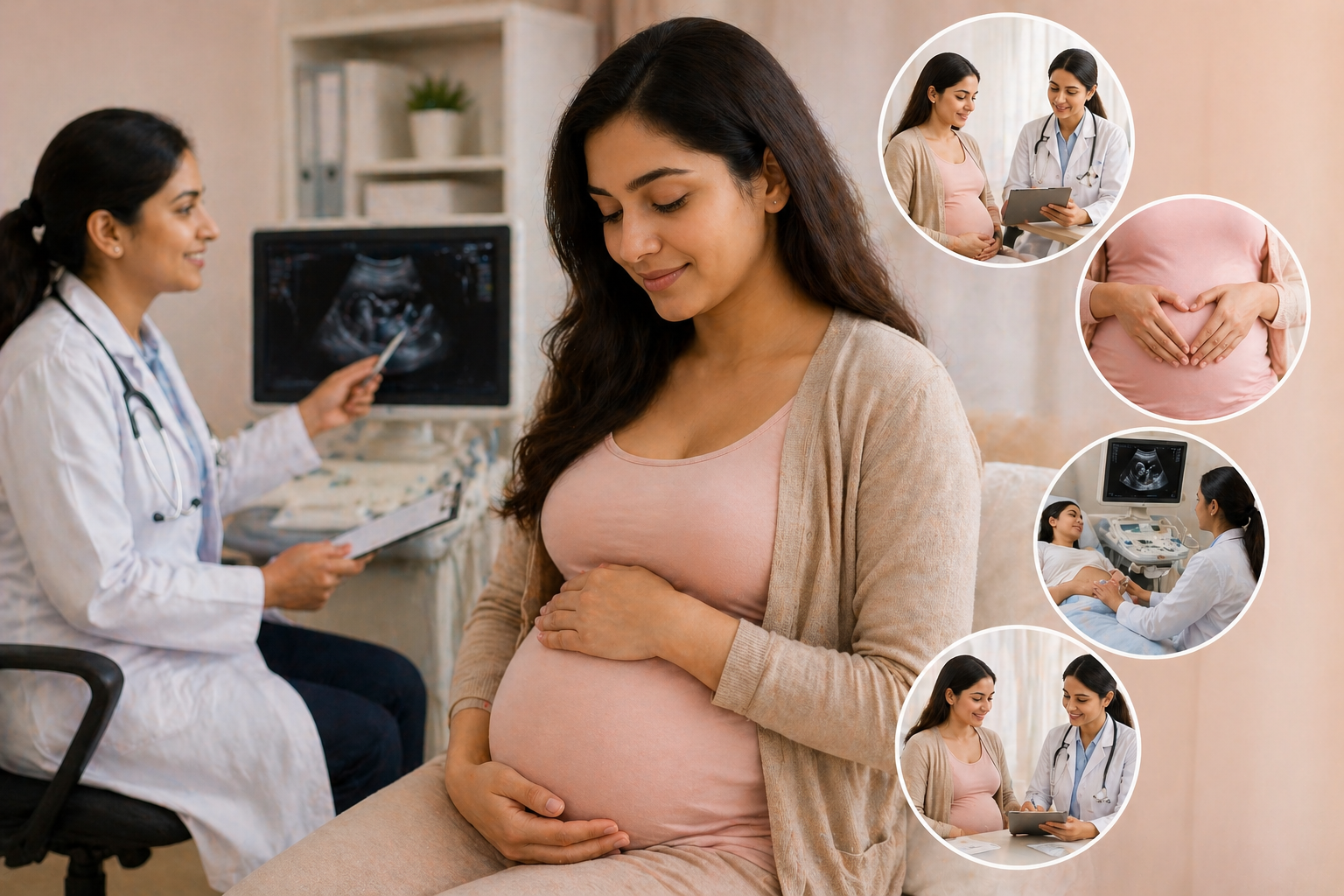
When Should You Visit a Gynecologist During Pregnancy?

Finding out you’re pregnant brings a mix of emotions—joy, excitement, and of course, a little anxiety. One of the first questions that comes to mind is: “When should I visit a gynecologist during pregnancy?”

The truth is, timely visits to your doctor play a crucial role in ensuring both your health and your baby’s development. Regular check-ups are not just routine—they are essential milestones in your pregnancy journey.

According to Dr Shweta Mendiratta, early and consistent prenatal care can help prevent complications and ensure a safe, smooth pregnancy.

Your First Visit: Don’t Wait Too Long

The ideal time to visit a gynecologist is as soon as you miss your period and get a positive pregnancy test. Most doctors recommend scheduling your first appointment between 6 to 8 weeks of pregnancy.

During this visit, your doctor will:

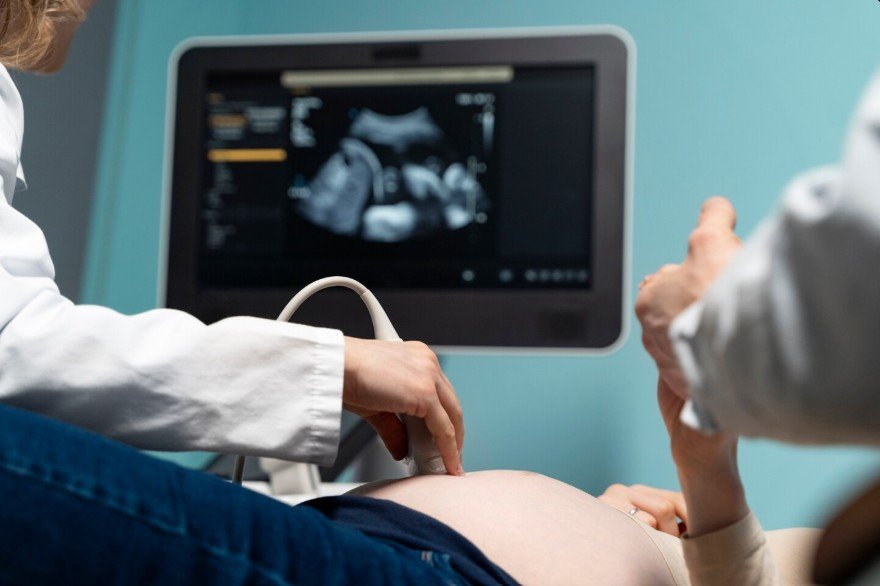
  • Confirm the pregnancy through ultrasound
  • Estimate your due date
  • Review your medical history
  • Suggest essential blood tests
  • Prescribe prenatal vitamins like folic acid

If you’re searching for the best pregnancy doctor in Faridabad, starting early with the right specialist ensures you’re on the right track from day one.

Trimester-Wise Visit Schedule

Pregnancy is divided into three trimesters, and each phase requires a different level of care and monitoring.

First Trimester (0–12 Weeks)

This is the most sensitive phase of pregnancy, where the baby’s major organs begin to develop.

Doctor visits:

  • Every 3–4 weeks

What to expect:

  • Blood tests and urine tests
  • Early ultrasound scans
  • Screening for genetic conditions
  • Guidance on diet, lifestyle, and precautions

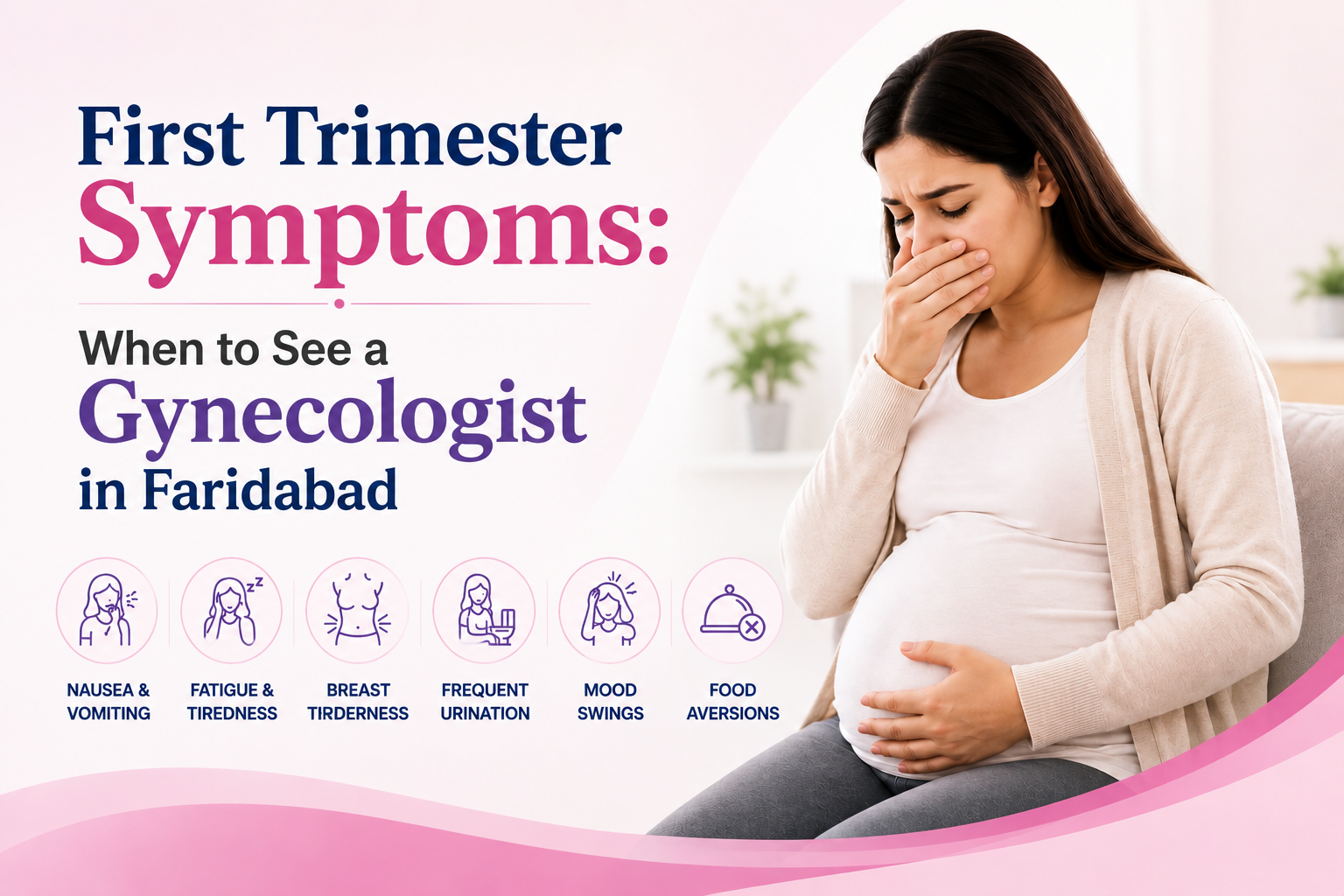
This is also the time when symptoms like nausea, fatigue, and mood swings are most common. Having a trusted gynecologist in Faridabad for pregnancy care can help you navigate this phase comfortably.

Second Trimester (13–28 Weeks)

Often called the “golden period” of pregnancy, this phase is relatively more comfortable for most women.

Doctor visits:

  • Every 4 weeks

What to expect:

  • Growth scans to monitor baby development
  • Anomaly scan (around 18–20 weeks)
  • Monitoring blood pressure and weight
  • Screening for gestational diabetes

This is also when you start feeling your baby’s movements, making the journey more real and exciting.

Third Trimester (29–40 Weeks)

As you approach delivery, monitoring becomes more frequent and important.

Doctor visits:

  • Every 2 weeks (till 36 weeks)
  • Weekly visits after 36 weeks

What to expect:

  • Baby’s position and growth monitoring
  • Non-stress tests (if required)
  • Discussion about delivery plan (normal delivery vs C-section)
  • Preparation for labor and hospital admission

Choosing the best gynecologist for delivery in Faridabad ensures you’re well-prepared for the big day.

Situations When You Should Visit Immediately

Apart from scheduled visits, there are certain situations where you should not wait for your next appointment. Seek immediate medical attention if you experience:

  • Vaginal bleeding or spotting
  • Severe abdominal pain or cramps
  • Persistent vomiting or dehydration
  • High fever
  • Sudden swelling in hands or face
  • Reduced baby movements (especially in later months)
  • Severe headaches or blurred vision

These could be signs of complications and require urgent evaluation by a pregnancy specialist in Faridabad.

Why Regular Visits Are So Important

Many women feel that if everything seems normal, they can skip a visit. But pregnancy doesn’t always show visible signs when something is wrong.

Regular prenatal check-ups help:

  • Track baby’s growth and development
  • Detect complications early
  • Monitor mother’s health (BP, sugar levels, etc.)
  • Provide timely vaccinations
  • Offer guidance for a healthy pregnancy

It’s not just about treatment—it’s about prevention and reassurance.

Emotional Support Matters Too

Pregnancy is not just a physical journey—it’s emotional too. There are days filled with excitement and days filled with doubts.

Having a doctor who listens, reassures, and guides you through every stage makes a huge difference.

Many women prefer consulting Dr Shweta Mendiratta, known as the best pregnancy doctor in Faridabad, because of her approachable nature and personalized care.

Tips for a Healthy Pregnancy Journey

Along with regular doctor visits, here are some simple tips to keep your pregnancy smooth:

  • Eat a balanced and nutritious diet
  • Stay hydrated
  • Get enough rest and sleep
  • Avoid stress and overexertion
  • Follow your doctor’s advice strictly
  • Never self-medicate

Consistency is key when it comes to prenatal care.

Why Choose Dr. Shweta Mendiratta for Pregnancy Care in Faridabad?

Choosing the right gynecologist can shape your entire pregnancy experience.

Dr. Shweta Mendiratta offers:

  • Comprehensive prenatal and postnatal care
  • Focus on safe and normal deliveries
  • Expertise in managing high-risk pregnancies
  • Regular monitoring with advanced diagnostics
  • Patient-friendly, supportive approach

Her dedication and experience make her a trusted choice for women looking for the best gynecologist in Faridabad for pregnancy and delivery care.

Frequently Asked Questions (FAQs)

Q1: When should I first visit a gynecologist after a positive pregnancy test?

A: Ideally within 6–8 weeks of pregnancy for confirmation and initial tests.

Q2: How often should I visit the doctor during pregnancy?

A: Monthly in the first 6 months, then every 2 weeks, and weekly in the last month.

Q3: Are all prenatal visits necessary?

A: Yes, each visit helps monitor your health and your baby’s development, even if you feel fine.

Q4: What happens during the first pregnancy visit?

A: Your doctor confirms pregnancy, estimates due date, prescribes supplements, and orders basic tests.

Q5: When should I worry during pregnancy?

A: If you experience bleeding, severe pain, reduced baby movement, or unusual symptoms, consult your doctor immediately.

Q6: Can I skip visits if my pregnancy is normal?

A: No, regular visits are essential to detect hidden complications early.

Q7: How do I choose the right gynecologist?

A: Look for experience, patient reviews, accessibility, and comfort level with the doctor.

Conclusion

Knowing when to visit a gynecologist during pregnancy can make a significant difference in your journey to motherhood. Regular check-ups are not just appointments—they are steps toward ensuring a healthy baby and a safe delivery.

From your first visit to the final weeks before childbirth, having the right medical guidance is essential. Consulting an experienced expert like Dr Shweta Mendiratta, one of the best pregnancy doctors in Faridabad, ensures you receive the care, attention, and confidence you need throughout this beautiful journey.

Because at the end of the day, it’s not just about delivering a baby—it’s about nurturing a healthy beginning.

Normal Delivery vs C-Section: What Every Expecting Mother Should Know

Pregnancy is one of the most beautiful journeys in a woman’s life—but when it comes to childbirth, many expecting mothers find themselves confused between normal delivery and C-section (Cesarean delivery). Questions, fears, and advice from multiple sources can make the decision even more overwhelming.

If you’re planning your delivery, understanding both options clearly can help you feel more confident and prepared. According to Dr Shweta Mendiratta, choosing the right mode of delivery depends on multiple factors, including the health of the mother, baby, and pregnancy progression.

What is Normal Delivery?

A normal delivery (vaginal birth) is the natural process where the baby is delivered through the birth canal without surgical intervention. It usually involves three stages—labor, delivery of the baby, and delivery of the placenta.

Benefits of Normal Delivery

  • Faster recovery compared to surgery
  • Lower risk of infections
  • Shorter hospital stay
  • Immediate bonding and breastfeeding
  • Reduced risk in future pregnancies

Many women today actively look for the best gynecologist for normal delivery in Faridabad to ensure a safe and smooth childbirth experience.

What is a C-Section (Cesarean Delivery)?

A C-section is a surgical procedure in which the baby is delivered through an incision in the abdomen and uterus. While it may sound intimidating, it is a safe and life-saving procedure when medically required.

When is a C-Section Needed?

  • High-risk pregnancy
  • Baby in breech (feet-first) position
  • Multiple pregnancies (twins/triplets)
  • Fetal distress (baby not getting enough oxygen)
  • Placenta previa (placenta blocking the cervix)
  • Previous C-section (in some cases)

Benefits of C-Section

  • Planned and scheduled delivery
  • Safer in complicated pregnancies
  • Avoids prolonged labor pain in certain cases

Normal Delivery vs C-Section: Key Differences

Factor Normal Delivery C-Section
Procedure Natural vaginal birth Surgical procedure
Recovery Time Faster (few days to weeks) Longer (4–6 weeks)
Pain Labor pain during delivery Post-surgery pain
Hospital Stay Short Longer
Risk Lower in normal cases Higher due to surgery
Future Pregnancies Easier recovery May require repeat C-section


Which Option is Better?

This is one of the most common questions expecting mothers ask. The truth is—there is no one-size-fits-all answer.

  • If your pregnancy is healthy and low-risk, normal delivery is usually recommended.
  • If there are complications, a C-section may be the safest option for both mother and baby.

An experienced specialist like Dr Shweta Mendiratta, gynecologist in Faridabad, carefully evaluates each case and suggests the safest delivery method rather than pushing for one approach.

Myths vs Facts About Delivery

Myth 1: C-section is the easier option

Fact: It is a major surgery with longer recovery time.

Myth 2: Normal delivery is always possible

Fact: Not always. Medical conditions may require a C-section.

Myth 3: Once a C-section, always a C-section

Fact: Many women can opt for VBAC (Vaginal Birth After Cesarean), depending on their condition.

Myth 4: Normal delivery affects body shape permanently

Fact: With proper care and exercise, the body recovers well.

Tips to Increase Chances of Normal Delivery

If you are aiming for a normal delivery, here are some helpful tips:

  • Stay physically active (prenatal yoga, walking)
  • Maintain a healthy weight
  • Eat a balanced diet rich in nutrients
  • Attend regular prenatal check-ups
  • Manage stress through meditation or breathing exercises
  • Choose an experienced gynecologist

Searching for the best doctor for pregnancy care in Faridabad can make a big difference in your delivery experience.

Emotional Aspect of Childbirth

Beyond the medical aspects, childbirth is also an emotional journey. Many women feel pressure—either to go for a normal delivery or avoid surgery.

It’s important to remember:
A safe mother and a healthy baby is the only goal.

Whether it’s a normal delivery or a C-section, both are valid and safe when done under expert care.

Why Choose Dr. Shweta Mendiratta for Pregnancy Care in Faridabad?

Choosing the right doctor plays a crucial role in your pregnancy journey.

Dr. Shweta Mendiratta offers:

  • Personalized pregnancy care
  • Focus on safe normal deliveries whenever possible
  • Expertise in handling high-risk pregnancies
  • Transparent guidance without unnecessary procedures
  • Emotional and medical support throughout pregnancy

Her patient-centric approach has made her a trusted name for those looking for a gynecologist in Faridabad for normal delivery and C-section care.

Frequently Asked Questions (FAQs)

Q1: Is normal delivery safer than a C-section?

A: In low-risk pregnancies, normal delivery is generally safer with quicker recovery. However, in complicated cases, a C-section is the safer option.

Q2: Can I choose between normal delivery and C-section?

A: While preferences are considered, the final decision depends on medical conditions and your doctor’s advice.

Q3: How painful is normal delivery?

A: Labor pain varies for every woman. Pain management options like epidural anesthesia can help reduce discomfort.

Q4: How long does it take to recover from a C-section?

A: Recovery usually takes around 4–6 weeks, depending on individual health and care.

Q5: Can I have a normal delivery after a previous C-section?

A: Yes, in many cases, VBAC (Vaginal Birth After Cesarean) is possible, but it depends on your medical history.

Q6: What are the risks of a C-section?

A: Risks include infection, blood loss, and longer recovery time, but it is generally safe when performed by an experienced doctor.

Q7: How can I prepare for a smooth delivery?

A: Regular check-ups, a healthy lifestyle, staying active, and choosing the right gynecologist are key factors.

Conclusion

The choice between normal delivery and C-section should never be based on fear or myths. Instead, it should be guided by medical expertise and your individual health condition.

With the right guidance, preparation, and support, childbirth can be a positive and empowering experience. Consulting an experienced specialist like Dr Shweta Mendiratta, one of the best gynecologists in Faridabad, ensures that both mother and baby receive the safest and most appropriate care.

Advances in Minimally Invasive Gynecologic Surgery: What’s Next?

Over the past few decades, gynecologic surgery has undergone a remarkable transformation. Traditional open surgeries that required large incisions, longer hospital stays, and extended recovery periods are now increasingly being replaced by minimally invasive surgical techniques. These modern procedures allow surgeons to treat complex gynecological conditions with smaller incisions, greater precision, and faster patient recovery.

Minimally invasive gynecologic surgery includes techniques such as laparoscopy and robotic-assisted surgery, which have become the preferred approach for many procedures including hysterectomy, fibroid removal, ovarian cyst surgery, and treatment of endometriosis.

According to experts like Dr. Shweta Mendiratta, recognized as one of the best gynecologists in Faridabad, continuous innovations in surgical technology are further improving outcomes for women. From advanced robotic systems to artificial intelligence-assisted planning, the future of gynecologic surgery is evolving rapidly.

In this article, we explore the latest advances in minimally invasive gynecologic surgery, emerging technologies shaping the future, and how these developments benefit patients.

Understanding Minimally Invasive Gynecologic Surgery

Minimally invasive surgery (MIS) refers to surgical techniques that are performed through small incisions using specialized instruments and cameras rather than large cuts used in traditional open surgery.

Common minimally invasive approaches include:

  • Laparoscopic surgery
  • Robotic-assisted surgery
  • Hysteroscopic procedures

These techniques allow surgeons to operate with enhanced precision while minimizing trauma to surrounding tissues.

Why Minimally Invasive Surgery Is Transforming Women’s Healthcare

Minimally invasive surgery has become increasingly popular because it offers several advantages for patients:

  • Smaller incisions
  • Less post-operative pain
  • Reduced blood loss
  • Shorter hospital stays
  • Faster recovery
  • Minimal scarring

These benefits not only improve surgical outcomes but also enhance the overall patient experience.

Emerging Trends in Minimally Invasive Gynecologic Surgery

As technology continues to evolve, several new innovations are shaping the future of gynecologic surgery. These advancements are designed to improve surgical precision, reduce complications, and further enhance patient safety.

  1. Single-Incision Laparoscopic Surgery (SILS)

One of the latest innovations in minimally invasive surgery is Single-Incision Laparoscopic Surgery (SILS).

Unlike conventional laparoscopy, which requires multiple small incisions, SILS involves performing the entire surgery through a single small incision, usually near the belly button.

Advantages of SILS

  • Minimal visible scarring
  • Reduced post-operative pain
  • Faster healing
  • Improved cosmetic outcomes

Although SILS requires specialized training and equipment, it is becoming increasingly popular for procedures such as hysterectomy and ovarian cyst removal.

  1. Augmented Reality in Surgical Planning

Another exciting advancement in surgical technology is the use of augmented reality (AR) in surgical planning.

Augmented reality allows surgeons to combine 3D imaging from CT scans or MRIs with real-time surgical views, providing a more detailed understanding of the patient’s anatomy.

Benefits of Augmented Reality

  • Better surgical planning
  • Improved visualization of organs and blood vessels
  • Greater surgical accuracy
  • Reduced risk of complications

AR technology helps surgeons navigate complex cases with greater confidence and precision.

  1. AI-Assisted Robotic Surgery

Artificial Intelligence (AI) is beginning to play an important role in surgical innovation. In robotic-assisted procedures, AI-powered systems can assist surgeons by analyzing data and providing insights during surgery.

How AI Supports Robotic Surgery

  • Predicting potential complications
  • Assisting in surgical decision-making
  • Enhancing robotic instrument precision
  • Providing real-time feedback

Although AI does not replace surgeons, it serves as an intelligent support system that helps improve surgical outcomes.

  1. Improved Suturing Tools and Energy Devices

Technological advancements are also improving the tools surgeons use during procedures.

Modern energy devices and suturing instruments allow surgeons to perform delicate tasks more efficiently.

Examples of Advanced Surgical Tools

  • Advanced bipolar energy devices for precise tissue sealing
  • Ultrasonic surgical instruments
  • Improved laparoscopic suturing devices
  • Advanced robotic instruments with enhanced flexibility

These innovations help reduce surgical time, minimize bleeding, and improve patient recovery.

How These Advances Benefit Patients

Technological innovations in gynecologic surgery are not just about improving surgical techniques — they are also about improving the overall patient experience.

Faster Recovery

Modern minimally invasive procedures cause less tissue damage, allowing patients to recover faster and return to daily activities sooner.

Reduced Surgical Complications

Advanced imaging and robotic systems help surgeons operate with greater accuracy, reducing the likelihood of complications.

Greater Precision

Robotic and AI-assisted technologies enable surgeons to perform extremely delicate procedures with enhanced control.

Improved Patient Comfort

Smaller incisions and less trauma to surrounding tissues lead to reduced pain and minimal scarring.

These benefits are transforming the way gynecological conditions are treated.

Conditions Treated Using Advanced Minimally Invasive Surgery

Minimally invasive techniques can be used to treat a wide range of gynecologic conditions, including:

  • Uterine fibroids
  • Endometriosis
  • Ovarian cysts
  • Adenomyosis
  • Pelvic organ prolapse
  • Chronic pelvic pain
  • Infertility-related conditions
  • Gynecologic cancers (early stage)

Many of these procedures can now be performed with robotic or laparoscopic techniques, allowing for better surgical outcomes.

The Importance of Surgical Expertise

While modern technology plays a crucial role in advancing surgical care, the expertise of the surgeon remains the most important factor in achieving successful outcomes.

Experienced specialists such as Dr. Shweta Mendiratta, widely regarded as one of the best gynecologists in Faridabad, combine advanced surgical technology with years of clinical expertise to provide safe, effective, and personalized treatment for women.

Choosing an experienced surgeon ensures that patients benefit fully from the latest advancements in minimally invasive gynecologic surgery.

The Future of Gynecologic Surgery

The field of gynecologic surgery continues to evolve rapidly, and several exciting innovations are expected in the coming years.

Future developments may include:

  • Fully integrated AI-assisted robotic platforms
  • Enhanced surgical simulation and training tools
  • Personalized surgical planning using genetic and imaging data
  • Advanced micro-robotic surgical instruments

These technologies aim to make surgeries even safer, more precise, and more patient-friendly.

Conclusion

Minimally invasive gynecologic surgery has revolutionized women’s healthcare by providing safer alternatives to traditional open surgery. With smaller incisions, faster recovery, and reduced complications, these techniques have become the preferred approach for treating many gynecological conditions.

The future of gynecologic surgery is even more promising. Emerging technologies such as single-incision laparoscopic surgery, augmented reality, AI-assisted robotic systems, and advanced surgical instruments are shaping the next generation of surgical care.

As innovation continues to advance, patients can expect smarter, safer, and more personalized treatment options.

With the guidance of experienced specialists like Dr. Shweta Mendiratta, women can benefit from these modern surgical techniques and achieve better health outcomes with minimal disruption to their daily lives.

FAQs

  1. What is minimally invasive gynecologic surgery?

Minimally invasive surgery involves performing procedures through small incisions using specialized instruments and cameras. It reduces pain, scarring, and recovery time compared to traditional open surgery.

  1. Is robotic surgery safer than traditional surgery?

Robotic surgery offers improved precision, better visualization, and smaller incisions, which often result in fewer complications and faster recovery when performed by an experienced surgeon.

  1. How long does recovery take after minimally invasive surgery?

Most patients recover within 1–3 weeks, depending on the procedure and their overall health condition.

  1. Are these surgeries painful?

Because minimally invasive surgeries use small incisions, patients generally experience less pain compared to open surgery. Pain can usually be managed with medication.

  1. Who is a good candidate for minimally invasive gynecologic surgery?

Many women with conditions such as fibroids, ovarian cysts, endometriosis, or pelvic pain may be candidates. A consultation with a specialist will determine the most appropriate treatment.

What Is Robotic Gynecologic Surgery? A Simple Patient Guide

Advancements in medical technology have significantly improved the way many surgeries are performed today. One of the most remarkable innovations in women’s health care is robotic gynecologic surgery. This modern surgical approach allows doctors to perform complex procedures with greater precision while ensuring faster recovery and minimal discomfort for patients. Specialists like Dr. Shweta Mendiratta, widely recognized as Dr Shweta Mendiratta – Best Gynae Robotic Surgeon Doctor in Faridabad, use this advanced technology to treat a wide range of gynecological conditions with improved accuracy and patient safety.

In this guide, we will explain what robotic gynecologic surgery is, how it works, its benefits, and the common procedures performed using this advanced technology.

What Is Robotic Gynecologic Surgery?

Robotic gynecologic surgery is a minimally invasive surgical technique where a surgeon uses a robotic system to perform gynecological procedures with extreme accuracy.

Despite the name, the robot does not perform the surgery independently. The surgeon controls the robotic instruments from a specialized console. The robotic system translates the surgeon’s hand movements into highly precise actions inside the patient’s body.

This technology allows surgeons to perform delicate procedures through very small incisions, reducing trauma to surrounding tissues.

Advanced specialists such as Dr Shweta Mendiratta – Best Gynae Robotic Surgeon Doctor in Faridabad use robotic-assisted techniques to provide safer and more effective surgical outcomes for women.

How Does Robotic Surgery Work?

In robotic surgery, the surgeon sits at a console near the patient and controls robotic arms equipped with tiny surgical instruments.

A high-definition camera provides a magnified 3D view of the surgical area, allowing the surgeon to see anatomical structures more clearly than in traditional surgery.

The robotic system also filters out hand tremors and allows for more flexible movements than the human wrist. This helps surgeons perform delicate procedures with exceptional precision and control.

Key Features of Robotic Gynecologic Surgery

Robotic-assisted surgery offers several advanced features that make it a preferred option for many gynecological procedures.

1. Enhanced 3D Visualization

The robotic system provides surgeons with a high-definition, three-dimensional view of the surgical area. This improved visualization allows doctors to identify tissues, nerves, and blood vessels more clearly, reducing the risk of complications.

2. Small Incisions

Unlike traditional open surgery that requires large cuts, robotic surgery uses tiny incisions through which specialized instruments and a camera are inserted.

3. Greater Precision and Range of Motion

Robotic instruments have a greater range of motion than the human hand, allowing surgeons to perform extremely delicate procedures in confined spaces.

4. Improved Surgical Control

The surgeon remains in complete control of the robotic system throughout the procedure, ensuring maximum safety and accuracy.

Common Procedures Performed with Robotic Gynecologic Surgery

Robotic technology is widely used for several gynecological procedures that require high precision.

Hysterectomy

A hysterectomy is the surgical removal of the uterus and is commonly recommended for conditions such as fibroids, heavy bleeding, or uterine cancer.

Robotic hysterectomy allows the procedure to be performed with minimal incisions and faster recovery compared to traditional surgery.

Myomectomy

A myomectomy is performed to remove uterine fibroids while preserving the uterus. Robotic surgery enables surgeons to remove fibroids with precision, which is especially important for women who wish to maintain fertility.

Endometriosis Surgery

Endometriosis is a condition where tissue similar to the uterine lining grows outside the uterus, causing severe pain and fertility issues.

Robotic surgery helps surgeons carefully remove endometriosis tissue while protecting surrounding organs.

Ovarian Cystectomy

An ovarian cystectomy involves removing cysts from the ovaries while preserving healthy ovarian tissue. Robotic assistance allows for precise removal with minimal damage to surrounding tissues.

Benefits of Robotic Gynecologic Surgery for Patients

One of the biggest advantages of robotic surgery is the improved patient experience and faster recovery.

Less Pain

Because robotic surgery involves smaller incisions, patients usually experience less post-operative pain compared to traditional open surgery.

Shorter Hospital Stay

Many patients can go home within 24 hours or even the same day after robotic surgery.

Faster Recovery

Smaller incisions and minimal tissue damage help patients recover faster and return to normal activities sooner.

Reduced Blood Loss

Robotic precision often results in less bleeding during surgery, reducing the need for blood transfusions.

Smaller Scars

Tiny incisions lead to minimal scarring, which is an important cosmetic benefit for many patients.

These benefits make robotic surgery a preferred choice for many patients treated by Dr Shweta Mendiratta – Best Gynae Robotic Surgeon Doctor in Faridabad, who focuses on providing advanced and patient-friendly surgical care.

Who Is a Good Candidate for Robotic Gynecologic Surgery?

Robotic surgery may be recommended for women who require treatment for conditions such as:

  • Uterine fibroids

  • Endometriosis

  • Ovarian cysts

  • Heavy menstrual bleeding

  • Uterine abnormalities

  • Certain gynecological cancers

However, the suitability of robotic surgery depends on several factors including the patient’s medical history, the severity of the condition, and the type of procedure required. Consulting an experienced specialist such as Dr Shweta Mendiratta – Best Gynae Robotic Surgeon Doctor in Faridabad can help determine the most appropriate treatment plan.

What to Expect Before and After Surgery
Before Surgery

Your doctor may recommend:

  • Blood tests and imaging tests

  • A detailed medical evaluation

  • Instructions regarding fasting before surgery

The surgeon will also explain the procedure, potential risks, and expected outcomes.

After Surgery

Most patients experience a smooth and relatively quick recovery. Mild discomfort, fatigue, or swelling around the incision sites may occur for a few days.

Patients are usually advised to:

  • Avoid heavy lifting for a few weeks

  • Follow the prescribed medications

  • Attend follow-up appointments

  • Gradually return to daily activities

Why Choosing an Experienced Surgeon Matters

Robotic surgery requires specialized training and expertise. Choosing a qualified and experienced surgeon ensures that patients receive the safest and most effective care.

Doctors with extensive experience in robotic gynecologic procedures can provide personalized treatment plans and better surgical outcomes.

Experts like Dr Shweta Mendiratta – Best Gynae Robotic Surgeon Doctor in Faridabad combine surgical expertise with advanced robotic technology to deliver safe and effective treatments for women.

Conclusion

Robotic gynecologic surgery represents a major advancement in women’s healthcare. By combining cutting-edge technology with surgical expertise, it offers safer procedures, minimal discomfort, and quicker recovery for many gynecological conditions.

For women who require surgical treatment, robotic surgery can provide a patient-friendly and highly effective solution. Under the care of experienced specialists such as Dr Shweta Mendiratta – Best Gynae Robotic Surgeon Doctor in Faridabad, patients can benefit from advanced surgical care and improved treatment outcomes.

FAQs
1. Is robotic gynecologic surgery safe?

Yes, robotic surgery is considered safe when performed by a trained and experienced surgeon. It offers improved precision and better visualization during the procedure.

2. How long does recovery take after robotic surgery?

Most patients recover faster than traditional surgery. Many can resume normal activities within 2–3 weeks, depending on the procedure.

3. Will there be visible scars after robotic surgery?

Robotic surgery uses very small incisions, so scarring is minimal compared to open surgery.

4. Is robotic surgery painful?

Patients typically experience less pain than traditional surgery because of the smaller incisions and minimal tissue damage.

5. Is robotic surgery suitable for all gynecological conditions?

Not all cases require robotic surgery. Your doctor will evaluate your condition and recommend the most appropriate treatment option.

Common Causes of Female Infertility Explained by a Gynecologist

Infertility can be a deeply emotional and confusing experience for women and couples alike. Many women blame themselves or delay seeking medical advice due to myths, fear, or lack of awareness. The truth is, female infertility is common and often treatable, especially when diagnosed early.

If you are trying to conceive and facing difficulties, understanding the common causes of female infertility is the first step toward the right treatment. In this blog, Dr. Shweta Mendiratta, an experienced gynecologist in Faridabad, explains the major reasons behind female infertility and when you should seek medical help.

What Is Female Infertility?

Female infertility refers to a woman’s inability to conceive or maintain a pregnancy due to medical, hormonal, structural, or lifestyle-related factors. It can occur at any age but becomes more common as women grow older.

If pregnancy has not occurred after:

  • 12 months of regular unprotected intercourse (below 35 years)
  • 6 months (above 35 years)

…it is advisable to consult a gynecologist.

Common Causes of Female Infertility

1️⃣ Ovulation Disorders (Most Common Cause)

Ovulation disorders occur when the ovaries do not release eggs regularly.

Common reasons include:

  • Polycystic Ovary Syndrome (PCOS)
  • Hormonal imbalance
  • Thyroid disorders
  • High prolactin levels

Women with ovulation problems often experience irregular periods or missed cycles. According to Dr. Shweta Mendiratta, early hormonal evaluation can help restore ovulation with simple treatments in many cases.

2️⃣ Polycystic Ovary Syndrome (PCOS)

PCOS is one of the leading causes of infertility in young women.

Symptoms may include:

  • Irregular or absent periods
  • Excess facial or body hair
  • Acne
  • Weight gain

PCOS affects egg development and release, making conception difficult. However, with proper lifestyle changes and medical treatment, many women with PCOS conceive successfully.

3️⃣ Blocked or Damaged Fallopian Tubes

The fallopian tubes play a crucial role in fertilisation. If they are blocked or damaged, the sperm cannot meet the egg.

Causes include:

  • Pelvic infections
  • Previous surgeries
  • Tuberculosis
  • Endometriosis

A gynecologist in Faridabad may recommend imaging tests to check tubal patency and guide further treatment.

4️⃣ Endometriosis

Endometriosis occurs when tissue similar to the uterine lining grows outside the uterus.

It can cause:

  • Severe menstrual pain
  • Pain during intercourse
  • Infertility

Endometriosis can affect ovulation, fertilisation, or implantation. Early diagnosis helps in better fertility outcomes.

5️⃣ Uterine Abnormalities

Problems within the uterus may interfere with implantation or pregnancy continuation.

These include:

  • Fibroids
  • Polyps
  • Congenital uterine abnormalities
  • Scar tissue

Dr. Shweta Mendiratta often emphasises that not all fibroids cause infertility, but some may require treatment depending on size and location.

6️⃣ Age-Related Fertility Decline

Female fertility naturally declines with age, especially after 35 years.

  • Egg quantity and quality reduce
  • Risk of chromosomal abnormalities increases
  • Pregnancy complications become more common

This makes timely consultation extremely important, especially for women planning late pregnancies.

7️⃣ Lifestyle and Environmental Factors

Modern lifestyles can also impact fertility:

  • Chronic stress
  • Poor diet
  • Smoking or alcohol
  • Obesity or being underweight
  • Lack of physical activity

Addressing these factors can significantly improve natural fertility.

When Should You See a Gynecologist for Infertility?

You should consult a gynecologist in Faridabad if you experience:

  • Irregular or absent periods
  • Severe menstrual pain
  • Repeated pregnancy loss
  • Difficulty conceiving after one year
  • Known hormonal or thyroid issues

Early evaluation allows simpler and more effective treatment options.

Patient Queries About Female Infertility

❓ Can infertility happen even if periods are regular?

Yes. Regular periods do not always guarantee ovulation or egg quality.

❓ Is infertility always a woman’s problem?

No. Male factors contribute to infertility in nearly 40–50% of cases.

❓ Can infertility be treated without IVF?

Yes. Many women conceive with medication, lifestyle changes, or minor procedures.

❓ Does stress really affect fertility?

Chronic stress can disturb hormonal balance and ovulation patterns.

FAQs – Female Infertility

Q1. Is female infertility permanent?

Not always. Many causes are reversible or manageable with treatment.

Q2. How is female infertility diagnosed?

Diagnosis includes blood tests, ultrasound, hormonal evaluation, and sometimes tubal tests.

Q3. Can PCOS patients get pregnant naturally?

Yes, many women with PCOS conceive with proper medical support.

Q4. Is infertility treatment painful?

Most tests and treatments are minimally invasive and well tolerated.


Q5. Who should I consult for infertility in Faridabad?

An experienced gynecologist like Dr. Shweta Mendiratta is the right first step.

Why Consult Dr. Shweta Mendiratta for Female Infertility?

Dr. Shweta Mendiratta is a trusted gynecologist in Faridabad known for:

  • Expertise in infertility and hormonal disorders
  • Ethical, evidence-based treatment
  • Individualised care plans
  • Focus on natural conception when possible
  • Compassionate patient counselling

Her approach ensures that patients feel informed, confident, and supported throughout their fertility journey.

Importance of Location-Based Care in Faridabad

Choosing a gynecologist in Faridabad offers:

  • Easy access for frequent follow-ups
  • Faster diagnostic coordination
  • Personalised continuity of care

Local expertise helps ensure better long-term outcomes.


Final Thoughts

Female infertility can feel overwhelming, but understanding its causes can bring clarity and hope. Many women go on to conceive successfully with timely diagnosis and proper treatment.

If you are facing difficulty in conceiving, consulting an experienced gynecologist like Dr. Shweta Mendiratta in Faridabad can help you take the right steps toward parenthood with confidence.

Why Dr. Shweta Mendiratta Is Considered the Best Gynecologist in Faridabad

When it comes to women’s health, choosing the right gynecologist is one of the most important decisions a woman makes. From adolescence to pregnancy, motherhood, and menopause, a gynecologist plays a lifelong role in a woman’s physical and emotional well-being. For thousands of women and families, Dr. Shweta Mendiratta is a trusted name and is widely regarded as one of the best gynecologists in Faridabad. Her expertise, compassionate approach, and patient-first philosophy have made her a preferred choice for women across Faridabad and nearby areas.

A Trusted Name in Women’s Healthcare in Faridabad

Dr. Shweta Mendiratta is known for providing ethical, evidence-based, and personalised gynecological care. With years of clinical experience and a deep understanding of women’s health issues, she has successfully treated patients dealing with:

  • Pregnancy and childbirth
  • High-risk pregnancies
  • PCOS and hormonal imbalance
  • Irregular periods
  • Infertility concerns
  • Menopause-related issues
  • General gynecological problems

Women from Faridabad, Greater Faridabad, Ballabhgarh, and nearby NCR areas seek her consultation for both routine and complex gynecological conditions.

Why Patients Call Dr. Shweta Mendiratta the Best Gynecologist in Faridabad

  1. Patient-Centric and Compassionate Approach

One of the most common reasons patients recommend Dr. Shweta Mendiratta is her calm, approachable, and empathetic nature. She takes the time to listen, understand patient concerns, and explain medical conditions in simple, reassuring language.

Many women feel hesitant or anxious discussing gynecological issues. Dr. Shweta ensures a comfortable, non-judgmental environment, making patients feel heard and supported.

  1. Expertise in Pregnancy & Normal Delivery

Dr. Shweta Mendiratta is especially known as a pregnancy care specialist and normal delivery doctor in Faridabad.

Her pregnancy care focuses on:

  • Regular antenatal check-ups
  • Nutrition and lifestyle counselling
  • Monitoring fetal growth and maternal health
  • Encouraging safe and normal delivery whenever possible

She strongly believes that normal delivery should be promoted whenever medically feasible, while always prioritising the safety of both mother and baby.

  1. High-Risk Pregnancy Management

High-risk pregnancies require close monitoring and expert decision-making. Dr. Shweta Mendiratta has extensive experience in managing conditions such as:

  • Gestational diabetes
  • High blood pressure during pregnancy
  • Thyroid disorders
  • Recurrent pregnancy loss
  • Advanced maternal age pregnancies

Her timely diagnosis and proactive care help reduce complications and improve pregnancy outcomes.

  1. PCOS, Period Problems & Hormonal Disorders

PCOS and menstrual irregularities are among the most searched women’s health issues in Faridabad today.

Dr. Shweta offers a holistic approach to PCOS treatment, focusing on:

  • Accurate diagnosis
  • Lifestyle modification
  • Weight management guidance
  • Medical treatment tailored to individual needs

Patients appreciate her realistic advice rather than unnecessary medications or fear-based counselling.

  1. Ethical, Transparent & Evidence-Based Care

Dr. Shweta Mendiratta follows ethical medical practices and avoids unnecessary tests or procedures. She believes in educating patients so they can make informed decisions about their health.

This transparency has earned her strong word-of-mouth recommendations and long-term patient trust across Faridabad.

Common Patient Queries She Addresses Daily

Patients often search online with questions like:

  • “Who is the best gynecologist in Faridabad for pregnancy?”
  • “Which doctor is best for normal delivery in Faridabad?”
  • “When should I see a gynecologist for irregular periods?”
  • “Is PCOS curable?”
  • “How to choose the right gynecologist near me?”

Dr. Shweta Mendiratta addresses these concerns with clarity, patience, and personalised guidance, which is why patients continue to choose her for long-term care.

Location Advantage: Easily Accessible in Faridabad

Dr. Shweta Mendiratta practices in Faridabad, making her easily accessible to patients from:

  • Old Faridabad
  • Sector areas of Faridabad
  • Greater Faridabad
  • Ballabhgarh
  • Nearby NCR regions

For women searching online for a “gynecologist near me” or “best lady doctor in Faridabad”, her clinic’s location and reputation make her a top choice.

FAQs – Frequently Asked Questions

Q1. Why is Dr. Shweta Mendiratta considered the best gynecologist in Faridabad?

Because of her combination of clinical expertise, compassionate care, ethical practice, and excellent pregnancy outcomes, patients consistently recommend her.

Q2. Does Dr. Shweta Mendiratta support normal delivery?

Yes. She strongly supports normal delivery whenever medically possible, while ensuring complete safety for both mother and baby.

Q3. Can I consult Dr. Shweta Mendiratta for PCOS and irregular periods?

Absolutely. She offers comprehensive evaluation and long-term management for PCOS, hormonal imbalance, and menstrual problems.

Q4. Is she experienced in handling high-risk pregnancies?

Yes. Dr. Shweta Mendiratta has vast experience in managing high-risk pregnancies with careful monitoring and timely intervention.

Q5. When should I visit a gynecologist?

You should consult a gynecologist if you have:

  • Irregular or painful periods
  • Pregnancy or planning pregnancy
  • PCOS symptoms
  • White discharge, pelvic pain, or infections
  • Menopause-related symptoms

Final Words: A Doctor Women Trust

Choosing the right gynecologist is not just about medical qualifications—it’s about trust, communication, and continuity of care. Dr. Shweta Mendiratta embodies all these qualities, making her one of the most trusted and best gynecologists in Faridabad.

Whether you are planning a pregnancy, dealing with hormonal issues, or simply prioritising your reproductive health, consulting an experienced and empathetic specialist like Dr. Shweta Mendiratta can make all the difference.

Pregnancy Care in Faridabad: From Conception to Safe Delivery

Pregnancy is a remarkable journey that begins long before the first prenatal visit and continues well after childbirth. From planning conception to ensuring a safe delivery, every stage requires expert medical care, timely guidance, and emotional support. Choosing the right pregnancy care in Faridabad plays a vital role in ensuring the health and well-being of both mother and baby.

With advancements in maternal healthcare and the availability of experienced specialists like Dr. Shweta Mendiratta, expecting mothers in Faridabad can receive comprehensive, personalized care throughout their pregnancy journey.

Preconception Care: Preparing for a Healthy Pregnancy

Pregnancy care ideally begins before conception. Preconception counseling helps identify and address potential health issues that may affect pregnancy outcomes.

Key Aspects of Preconception Care

  • Review of medical and family history

  • Management of existing conditions such as diabetes or thyroid disorders

  • Nutritional guidance, including folic acid supplementation

  • Lifestyle modifications for optimal health

Proper preparation increases the chances of a healthy pregnancy and reduces the risk of complications.

Early Pregnancy Care: The First Trimester

The first trimester is a crucial phase when major organs of the baby begin to develop. Early pregnancy care focuses on confirming pregnancy and establishing a strong foundation for the months ahead.

What to Expect in Early Pregnancy Care

  • Confirmation of pregnancy through tests and ultrasound

  • Baseline blood investigations

  • Assessment of maternal health

  • Guidance on nutrition, exercise, and lifestyle

Regular check-ups during this stage help detect potential risks early and ensure proper fetal development.

Antenatal Care: Monitoring Mother and Baby

Antenatal care forms the backbone of pregnancy care. Regular visits allow doctors to monitor the health of both mother and baby and address concerns promptly.

Components of Antenatal Care

  • Monitoring blood pressure and weight

  • Screening for anemia and gestational diabetes

  • Regular ultrasound scans to track baby’s growth

  • Vaccinations and supplements as required

Consistent antenatal care helps reduce pregnancy-related risks and ensures peace of mind for expecting parents.

Nutrition and Lifestyle During Pregnancy

A balanced diet and healthy lifestyle are essential for a smooth pregnancy.

Nutrition Guidelines

  • Adequate intake of proteins, vitamins, and minerals

  • Iron and calcium-rich foods

  • Proper hydration

Lifestyle Recommendations

  • Light exercise such as walking or prenatal yoga

  • Adequate rest and sleep

  • Avoiding tobacco, alcohol, and unnecessary medications

A pregnancy doctor in Faridabad provides personalized advice based on individual needs.

Managing Common Pregnancy Symptoms

Pregnancy often comes with discomforts such as nausea, back pain, and fatigue. While many symptoms are normal, proper management improves comfort and well-being.

Common symptoms managed during pregnancy care include:

  • Morning sickness

  • Heartburn and acidity

  • Swelling in legs and feet

  • Back pain and posture issues

Doctors guide patients on safe remedies and when to seek medical attention.

High-Risk Pregnancy Care in Faridabad

Some pregnancies require special attention due to medical or obstetric conditions. High-risk pregnancy care ensures closer monitoring and timely intervention.

Conditions requiring high-risk care may include:

  • High blood pressure or diabetes

  • Thyroid disorders

  • Multiple pregnancies

  • Previous pregnancy complications

Experienced gynecologists ensure both routine and high-risk pregnancies receive appropriate care.

Preparing for Labor and Delivery

As pregnancy progresses, preparing for labor becomes essential. Delivery planning helps reduce anxiety and ensures readiness.

Key Aspects of Delivery Preparation

  • Discussing birth preferences

  • Understanding signs of labor

  • Planning for normal delivery or C-section if needed

  • Hospital admission guidance

A skilled gynecologist prioritizes safe delivery while encouraging normal childbirth whenever possible.

Normal Delivery vs C-Section: Making Informed Choices

A trusted pregnancy doctor provides evidence-based guidance regarding the mode of delivery.

  • Normal delivery is preferred when pregnancy is low-risk and progressing well.

  • C-section is recommended only when medically necessary for safety.

Transparent discussions help parents make informed decisions without fear or confusion.

Postnatal Care: Supporting Recovery and Newborn Health

Pregnancy care continues after delivery. Postnatal care focuses on the mother’s recovery and newborn’s well-being.

Postnatal Care Includes

  • Monitoring physical recovery

  • Breastfeeding support

  • Emotional and mental health screening

  • Guidance on newborn care

Proper postnatal care ensures a smooth transition into motherhood.

Why Choose Expert Pregnancy Care in Faridabad?

Choosing experienced pregnancy care in Faridabad offers:

  • Early diagnosis and risk management

  • Personalized treatment plans

  • Access to modern medical facilities

  • Emotional and educational support

Doctors like Dr. Shweta Mendiratta are known for their compassionate approach and commitment to maternal health.

When Should You Contact Your Pregnancy Doctor Immediately?

Seek immediate medical attention if you experience:

  • Vaginal bleeding

  • Severe abdominal pain

  • Reduced fetal movements

  • Sudden swelling or vision changes

  • Persistent headaches

Timely intervention can prevent complications and ensure safety.

Conclusion

Pregnancy is a journey that requires expert guidance, consistent care, and emotional reassurance at every step. From planning conception to ensuring a safe delivery, comprehensive pregnancy care in Faridabad plays a crucial role in positive maternal and newborn outcomes.

With experienced specialists like Dr. Shweta Mendiratta, expecting mothers can feel confident knowing they are receiving personalized, ethical, and evidence-based care throughout their pregnancy journey.

Top Gynaecologist in Faridabad for PCOS, Fibroids & Menstrual Disorders

Women’s health concerns such as irregular periods, hormonal imbalance, pelvic pain, and fertility challenges are increasingly common today. Conditions like PCOS, uterine fibroids, and menstrual disorders can significantly affect a woman’s physical health, emotional well-being, and quality of life. Seeking timely care from a top gynaecologist in Faridabad ensures accurate diagnosis, effective treatment, and long-term relief.

With a compassionate approach and evidence-based care, Dr. Shweta Mendiratta is widely trusted for managing complex gynecological conditions with personalized treatment plans.

Understanding PCOS: A Common Hormonal Disorder

Polycystic Ovary Syndrome (PCOS) is one of the most common hormonal disorders affecting women of reproductive age. It often presents with multiple symptoms and requires long-term management.

Common Symptoms of PCOS

  • Irregular or missed periods

  • Weight gain or difficulty losing weight

  • Excess facial or body hair

  • Acne and oily skin

  • Difficulty conceiving

PCOS is not just a reproductive issue—it can impact metabolism, mental health, and future pregnancy outcomes. Early diagnosis and consistent care from an experienced gynecologist are essential.

PCOS Treatment in Faridabad: A Personalized Approach

There is no one-size-fits-all treatment for PCOS. Management depends on symptoms, age, and reproductive goals.

PCOS Management Includes:

  • Hormonal regulation for menstrual cycle control

  • Lifestyle and weight management counseling

  • Fertility planning and ovulation support

  • Treatment for acne and excess hair growth

A top gynaecologist focuses on long-term health while addressing immediate symptoms.

Uterine Fibroids: Causes, Symptoms & When to Seek Help

Uterine fibroids are non-cancerous growths that develop in or around the uterus. While some women may remain asymptomatic, others experience significant discomfort.

Symptoms of Fibroids

  • Heavy or prolonged menstrual bleeding

  • Pelvic pain or pressure

  • Frequent urination

  • Pain during intercourse

  • Difficulty in pregnancy

Early detection helps prevent complications such as anemia or fertility issues.

Fibroid Treatment Options in Faridabad

Treatment depends on the size, location, and symptoms of fibroids, as well as a woman’s future pregnancy plans.

Treatment Approaches May Include:

  • Medical management to control symptoms

  • Hormonal therapy to reduce bleeding

  • Minimally invasive procedures

  • Surgical options when necessary

A skilled gynecologist ensures conservative treatment whenever possible and recommends surgery only when absolutely required.

Menstrual Disorders: When Period Problems Need Attention

Menstrual irregularities are common but should not be ignored if persistent. Conditions such as heavy bleeding, painful periods, or absent menstruation can indicate underlying issues.

Common Menstrual Disorders

  • Menorrhagia (heavy periods)

  • Dysmenorrhea (painful periods)

  • Amenorrhea (absence of periods)

  • Irregular cycles

Prompt evaluation helps identify hormonal imbalances, uterine conditions, or lifestyle factors contributing to menstrual problems.

Diagnosis: Getting to the Root Cause

Accurate diagnosis is the foundation of effective treatment. A comprehensive evaluation may include:

  • Detailed medical and menstrual history

  • Physical and pelvic examination

  • Ultrasound imaging

  • Hormonal and blood tests

A patient-centric approach ensures comfort and clarity throughout the diagnostic process.

Why Choose a Top Gynaecologist in Faridabad?

Choosing the right gynecologist can make a significant difference in outcomes, especially for chronic conditions like PCOS and fibroids.

Benefits of Expert Gynecological Care

  • Early and accurate diagnosis

  • Personalized treatment plans

  • Focus on long-term health and fertility

  • Holistic management of hormonal health

Dr. Shweta Mendiratta is known for her empathetic consultations and comprehensive care strategies.

Lifestyle & Preventive Care for Women’s Health

Along with medical treatment, lifestyle modifications play a crucial role in managing gynecological conditions.

Healthy Habits for Hormonal Balance

  • Balanced diet rich in nutrients

  • Regular physical activity

  • Stress management techniques

  • Adequate sleep

Preventive gynecological care helps reduce the risk of future complications.

Fertility & Reproductive Health Considerations

Conditions like PCOS and fibroids can affect fertility, but early and appropriate treatment improves outcomes.

A trusted gynecologist provides:

  • Preconception counseling

  • Fertility planning support

  • Safe pregnancy management

Timely care empowers women to make informed reproductive choices.

When Should You Consult a Gynecologist Immediately?

Seek medical attention if you experience:

  • Excessive menstrual bleeding

  • Severe pelvic pain

  • Irregular periods for several months

  • Difficulty conceiving

  • Sudden changes in menstrual patterns

Early intervention prevents long-term complications.

Conclusion

Women’s health conditions like PCOS, fibroids, and menstrual disorders require expert attention, empathy, and long-term care. Consulting a top gynaecologist in Faridabad ensures accurate diagnosis, effective treatment, and improved quality of life.

With her patient-first approach and expertise, Dr. Shweta Mendiratta continues to support women through every stage of their gynecological health journey.

Top Gynaecologist in Faridabad: Expert Care You Can Trust

Women’s health needs change at every stage of life—from adolescence and reproductive years to pregnancy and menopause. Having a trusted and experienced gynecologist is essential for maintaining long-term health and well-being. Dr. Shweta Mendiratta is recognized as a top gynaecologist in Faridabad, known for delivering expert, ethical, and compassionate care tailored to every woman’s unique needs.

Her commitment to patient safety, clinical excellence, and personalized treatment has made her a preferred choice among women and families across Faridabad.

Comprehensive Gynecological Care for Every Life Stage

A top gynaecologist provides more than just treatment for symptoms. Dr. Shweta Mendiratta offers complete women’s healthcare services, ensuring continuity of care at every stage of life.

Her services cover:

  • Routine gynecological check-ups

  • Menstrual and hormonal health

  • Pregnancy and maternity care

  • High-risk pregnancy management

  • Menopause and post-menopausal care

This holistic approach allows women to receive all essential gynecological services under one roof.

Expertise in Pregnancy & Maternity Care

Pregnancy is a transformative journey that requires expert medical guidance and emotional reassurance. As a trusted pregnancy doctor in Faridabad, Dr. Shweta Mendiratta is known for her meticulous prenatal care and calm, supportive approach.

Pregnancy Care Services Include:

  • Preconception counseling

  • Regular antenatal check-ups

  • Monitoring fetal growth and maternal health

  • Management of high-risk pregnancies

  • Safe normal delivery and C-section planning

  • Postnatal care for mother and baby

Her goal is always to ensure a safe pregnancy and a positive birthing experience.

Trusted for Normal Delivery & Safe Birth Practices

Many expecting mothers seek Dr. Shweta Mendiratta for her expertise in normal deliveries. She follows evidence-based medical practices and prioritizes natural childbirth whenever medically appropriate.

Her delivery philosophy emphasizes:

  • Minimal intervention for low-risk pregnancies

  • Continuous monitoring during labor

  • Clear communication with patients and families

  • Safety and comfort of both mother and baby

This patient-centered approach has earned her the trust of numerous families in Faridabad.

Advanced Treatment for Common Gynecological Conditions

Dr. Shweta Mendiratta is also a top gynaecology doctor in Faridabad for treating a wide range of gynecological conditions with accuracy and care.

Common Conditions Treated

  • Irregular or painful periods

  • PCOS and hormonal disorders

  • Uterine fibroids and ovarian cysts

  • Vaginal infections and pelvic pain

  • Menopause-related issues

Each treatment plan is customized after a thorough evaluation, ensuring effective and long-lasting results.

Compassionate, Patient-Centered Approach

What sets Dr. Shweta Mendiratta apart as a top gynaecologist in Faridabad is her empathetic approach to patient care. She understands that gynecological concerns can be sensitive and emotionally challenging.

Patients appreciate her for:

  • Listening attentively to their concerns

  • Explaining diagnoses and treatment options clearly

  • Respecting privacy and confidentiality

  • Providing emotional support during critical phases

This compassionate care helps patients feel comfortable and confident throughout their treatment journey.

Focus on Preventive Women’s Healthcare

Preventive care is an essential part of gynecology. Dr. Shweta Mendiratta strongly advocates for regular health screenings and early detection of potential issues.

Preventive services include:

  • Routine pelvic examinations

  • Cervical cancer screening

  • Breast health awareness

  • Menstrual and reproductive health counseling

Early diagnosis and preventive care significantly improve long-term health outcomes.

Experience That Builds Trust

Years of clinical experience allow Dr. Shweta Mendiratta to manage both routine and complex gynecological cases with confidence. Her expertise ensures timely decision-making and reduces the risk of complications.

She continuously updates her knowledge and skills to stay aligned with modern gynecological advancements, ensuring patients receive high-quality, evidence-based care.

Why Women Trust Dr. Shweta Mendiratta

Women across Faridabad trust Dr. Shweta Mendiratta for:

  • Ethical and transparent medical practice

  • Personalized treatment plans

  • Calm and reassuring communication

  • Strong focus on patient safety

  • Proven success in pregnancy and gynecological care

These qualities make her a highly recommended top gynaecologist in Faridabad.

When Should You Visit a Gynaecologist?

You should consult a gynaecologist if you experience:

  • Irregular menstrual cycles

  • Pelvic pain or abnormal discharge

  • Difficulty conceiving

  • Pregnancy-related concerns

  • Menopause symptoms

Regular visits ensure early diagnosis and better overall health management.

Conclusion

Women’s health deserves expert attention, compassionate care, and long-term support. With her experience, patient-first philosophy, and comprehensive gynecological services, Dr. Shweta Mendiratta has earned her reputation as a top gynaecologist in Faridabad.

Whether you are seeking routine care, pregnancy guidance, or treatment for gynecological conditions, choosing a trusted specialist ensures peace of mind and better health outcomes. Dr. Shweta Mendiratta continues to be a reliable partner in women’s healthcare across Faridabad.

Why Dr. Shweta Mendiratta Is Considered the Best Gynecologist in Faridabad

Women’s health requires specialized care, compassion, and expertise at every stage of life. From adolescence and pregnancy to menopause and beyond, choosing the right gynecologist plays a crucial role in a woman’s overall well-being. Dr. Shweta Mendiratta is widely regarded as the best gynecologist in Faridabad, trusted by countless women for her patient-first approach, clinical excellence, and comprehensive gynecological care.

Her reputation as a leading gynecology doctor in Faridabad is built on years of experience, ethical medical practice, and consistently positive patient outcomes.

Comprehensive Women’s Healthcare Under One Roof

One of the key reasons Dr. Shweta Mendiratta is considered the best gynecologist in Faridabad is her ability to provide complete women’s healthcare services. She offers diagnosis, treatment, and long-term care for a wide range of gynecological and obstetric conditions.

Her approach focuses not only on treating medical conditions but also on educating and empowering women to take charge of their health.

Expertise in Pregnancy & Maternity Care

Pregnancy is a life-changing journey that requires expert medical guidance and emotional support. Dr. Shweta Mendiratta is a highly trusted pregnancy doctor in Faridabad, known for managing both normal and high-risk pregnancies with utmost care.

Pregnancy Services Offered

  • Pre-pregnancy counseling

  • Antenatal care and routine check-ups

  • High-risk pregnancy management

  • Normal delivery and C-section guidance

  • Postnatal care and recovery support

Her calm, reassuring nature helps expectant mothers feel confident and safe throughout their pregnancy journey.

Trusted for Normal Delivery & Safe Birth Practices

Many women seek out Dr. Shweta Mendiratta specifically for her expertise in normal deliveries. She follows evidence-based practices and prioritizes the health and comfort of both mother and baby.

Her delivery philosophy emphasizes:

  • Minimal medical intervention when possible

  • Continuous monitoring for safety

  • Clear communication with the family

  • Personalized birth planning

This patient-centric approach has earned her the trust of families across Faridabad.

Advanced Gynecological Care for Common Women’s Issues

Dr. Shweta Mendiratta is also recognized as a top gynecology doctor in Faridabad for diagnosing and treating a wide range of gynecological conditions.

Conditions She Commonly Treats

  • Irregular periods and menstrual disorders

  • PCOS and hormonal imbalances

  • Uterine fibroids and ovarian cysts

  • Vaginal infections and pelvic pain

  • Menopause-related concerns

Her thorough evaluation and personalized treatment plans ensure long-term relief and better quality of life for patients.

A Patient-First, Compassionate Approach

What truly sets Dr. Shweta Mendiratta apart as the best gynecologist doctor in Faridabad is her compassionate approach to care. She believes that listening to patients is as important as clinical treatment.

Patients value her for:

  • Taking time to understand concerns

  • Explaining conditions and treatments clearly

  • Offering emotional support during sensitive issues

  • Maintaining privacy and dignity

This trust-based doctor–patient relationship is one of the strongest reasons women recommend her to others.

Focus on Preventive Gynecology

Preventive care is a cornerstone of women’s health. Dr. Shweta Mendiratta encourages regular gynecological check-ups to detect issues early and prevent complications.

Preventive services include:

  • Routine gynecological exams

  • Cervical cancer screening

  • Breast health awareness

  • Menstrual and hormonal health counseling

Early diagnosis leads to better outcomes and peace of mind for patients.

Experience That Inspires Confidence

Experience matters greatly in gynecology and obstetrics. Dr. Shweta Mendiratta brings years of hands-on experience in managing complex cases, which allows her to make confident and informed clinical decisions.

Her continuous learning and updated medical knowledge ensure that patients receive care aligned with modern gynecological standards.

Why Women Choose Dr. Shweta Mendiratta in Faridabad

Women across Faridabad trust Dr. Shweta Mendiratta for several reasons:

  • Proven expertise in gynecology and pregnancy care

  • Personalized and ethical medical treatment

  • Calm, empathetic communication style

  • High success rate in normal deliveries

  • Strong focus on safety and patient comfort

These qualities collectively make her a top gynaecologist in Faridabad.

When Should You Consult a Gynecologist?

You should consider visiting a gynecologist if you experience:

  • Irregular or painful periods

  • Difficulty conceiving

  • Pregnancy-related concerns

  • Pelvic pain or abnormal discharge

  • Menopause-related symptoms

Early consultation with the best gynecologist helps prevent complications and ensures timely care.

Conclusion

Choosing the right gynecologist is one of the most important healthcare decisions a woman can make. With her expertise, compassionate care, and commitment to women’s health, Dr. Shweta Mendiratta has rightfully earned her reputation as the best gynecologist in Faridabad.

Whether you are planning a pregnancy, expecting a baby, or seeking expert care for gynecological concerns, consulting a trusted and experienced specialist can make all the difference. Dr. Shweta Mendiratta continues to be a preferred choice for women seeking safe, reliable, and personalized gynecological care in Faridabad.