
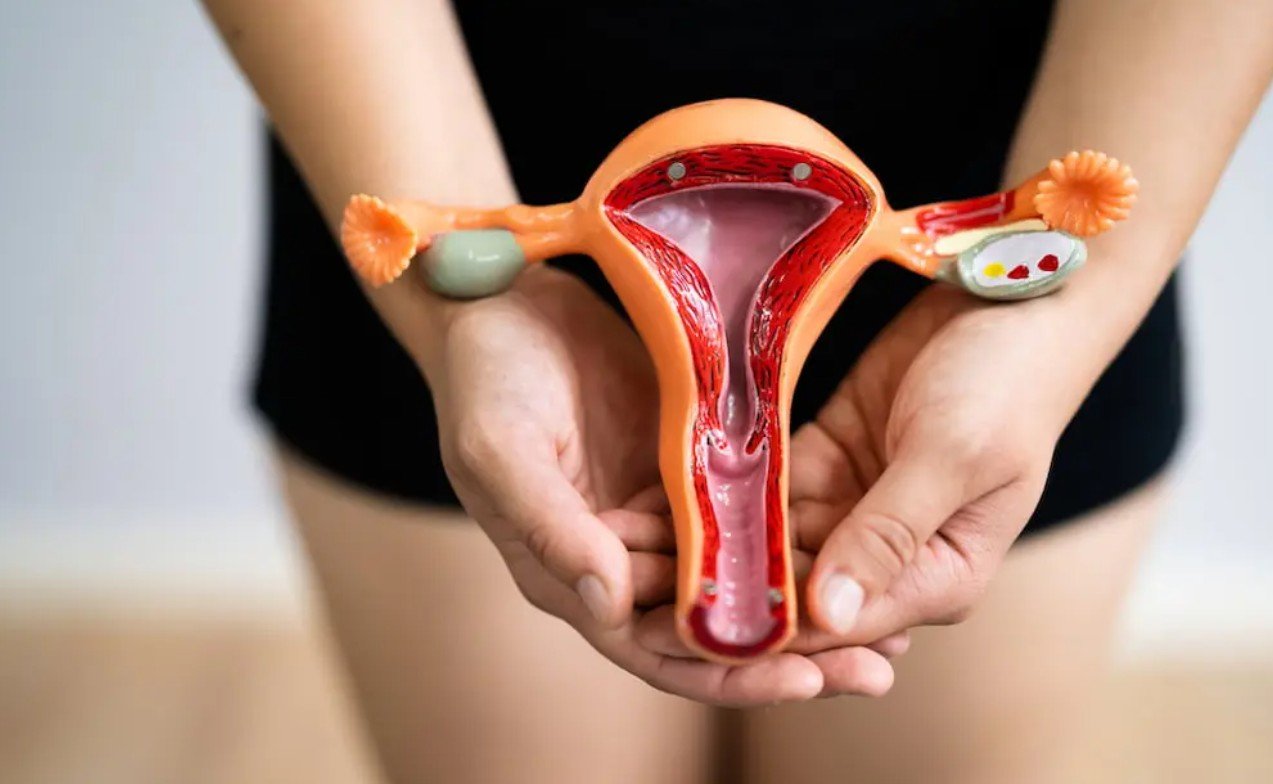
Adenomyosis vs Endometriosis — What’s the Difference and How Are They Treated?

Adenomyosis and endometriosis are two of the most commonly confused gynaecological conditions — and understandably so. Both involve endometrial-type tissue growing where it shouldn’t. Both cause painful periods and heavy bleeding. And both can have a profound impact on fertility and quality of life. But they are not the same condition, and their treatment differs significantly. Dr. Shweta Mendiratta, best gynecologist in Faridabad, and minimal-access surgeon in Faridabad, explains the key differences.

Understanding Endometriosis

In endometriosis, tissue similar to the uterine lining grows outside the uterus — on the ovaries (forming cysts called endometriomas), fallopian tubes, bowel, bladder, and peritoneum. Each month, this tissue responds to hormonal signals, swells, and bleeds, causing inflammation and eventually scarring and adhesions within the pelvic cavity.

Understanding Adenomyosis

In adenomyosis, the endometrial-type tissue infiltrates into the muscular wall of the uterus itself (the myometrium). The uterus becomes enlarged and ‘boggy,’ and the muscular wall thickens and loses its normal architecture. As with endometriosis, this misplaced tissue bleeds with each cycle — but internally within the uterine wall, causing the uterus to become swollen and painful.

Adenomyosis is more common in women in their late 30s to 40s, particularly those who have had pregnancies, though it can also affect younger women. It is estimated to affect 20–35% of women of reproductive age.

Comparing the Two Conditions

Location

  • Endometriosis: Outside the uterus (ovaries, tubes, peritoneum, bowel, bladder)
  • Adenomyosis: Inside the uterine muscle wall

Typical Age of Onset

  • Endometriosis: Often begins in the teens or early twenties
  • Adenomyosis: More common in women 35–50, though increasingly diagnosed in younger women

Primary Symptoms

  • Endometriosis: Painful periods, pain during sex, pain with bowel movements, infertility
  • Adenomyosis: Heavy, prolonged periods; severe cramps; enlarged, tender uterus; pelvic pressure

Diagnosis

  • Endometriosis: Requires laparoscopy for definitive diagnosis; ultrasound/MRI may suggest it
  • Adenomyosis: Transvaginal ultrasound and MRI can diagnose it; no surgery typically required for diagnosis

Relationship to Fertility

  • Endometriosis: Strongly associated with infertility; adhesions and damaged tubes impair conception
  • Adenomyosis: Can impair implantation and increase miscarriage risk; effect on natural conception varies

Can You Have Both?

Yes — and this is quite common. Studies suggest that 20–50% of women with endometriosis also have adenomyosis. When both conditions are present simultaneously, symptoms are often more severe and treatment must address both.

Treatment Approaches

Medical Treatment

Both conditions respond to hormonal suppression:

  • Combined oral contraceptive pills to reduce the severity of monthly bleeding
  • Progestin-only therapy (norethisterone, dienogest) to suppress endometrial tissue growth
  • GnRH analogues (such as leuprolide) to induce temporary medical menopause and shrink deposits
  • Levonorgestrel-releasing IUS (Mirena) — particularly effective for adenomyosis

Medical treatment controls symptoms but does not eliminate the underlying tissue. Symptoms typically return when medication is stopped.

Surgical Treatment — Endometriosis

Laparoscopic excision is the gold standard for endometriosis. Dr. Shweta Mendiratta performs minimally invasive excision of endometrial deposits and endometriomas with careful preservation of ovarian tissue. In cases of deep infiltrating endometriosis involving the bowel or bladder, multidisciplinary surgical planning is essential.

Surgical Treatment — Adenomyosis

Adenomyosis is more challenging to treat surgically because the tissue is embedded within the uterine muscle rather than on its surface. Options include:

  • Endometrial ablation: Destroys the uterine lining; suitable only for women who have completed their families
  • Adenomyomectomy: Surgical removal of adenomyosis deposits — technically demanding but possible in skilled hands for women who wish to preserve fertility
  • Hysterectomy: The definitive cure for adenomyosis; appropriate when symptoms are severe and family is complete

Dr. Mendiratta performs robotic and laparoscopic hysterectomy for adenomyosis with minimal blood loss, shorter hospital stay, and faster recovery compared to open surgery.

Frequently Asked Questions (FAQs)

Q1. How do I know if I have adenomyosis or endometriosis?

Only a specialist can differentiate between the two based on your symptoms, examination, and imaging. In many women, both conditions coexist. Please seek specialist evaluation rather than trying to self-diagnose.

Q2. Is adenomyosis serious?

Adenomyosis is not cancerous and does not spread, but it can cause significant quality-of-life impairment through heavy bleeding, severe pain, and — in some cases — difficulty conceiving. It should be taken seriously and treated appropriately.

Q3. Can adenomyosis be treated without hysterectomy?

Yes, particularly in women who wish to preserve fertility or prefer to avoid surgery. Hormonal therapies including the Mirena IUS are often effective. Adenomyomectomy is possible in selected cases. Discuss all options with your gynaecologist.

Q4. Does endometriosis cause cancer?

Endometriosis itself is not cancer, but women with endometriosis have a slightly higher risk of certain ovarian cancers (particularly clear cell and endometrioid subtypes). Regular monitoring is advisable.

Q5. I have been told my uterus is bulky — does that mean I have adenomyosis?

A ‘bulky uterus’ on ultrasound is a common finding that can be caused by adenomyosis, fibroids, or simply a slightly larger-than-average normal uterus. Further imaging (particularly MRI) may be needed to distinguish between these causes.


Get In Touch With Dr. Shweta Mendiratta

Phone: +91-8130048652 | +91-9999093503

Email: shwetasmendiratta@gmail.com

Yatharth Super Speciality Hospital

Plot No 9, Sector-20, Krishna Nagar, New Industrial Township, Faridabad, Haryana 121007

Phone: +91 8178-939442

Mediclub Gynae ‘N’ Neuro Clinic

Pilot No. 857 Sector 21 C, Faridabad Delhi, Haryana 121001

Endometriosis Symptoms That Women in India Are Ignoring — and Why It Matters

Endometriosis affects an estimated 1 in 10 women of reproductive age worldwide — yet in India, the average woman waits 7 to 10 years between her first symptom and a confirmed diagnosis. This delay is not simply a medical failing; it is a cultural one. Pain is normalised. Suffering is expected. Women are told to ‘manage’ their periods, to have a baby and ‘it will get better,’ or that their pain is psychological. Dr. Shweta Mendiratta, endometriosis specialist in Faridabad, is here to challenge every one of those myths.

What Is Endometriosis?

Endometriosis is a condition in which tissue similar to the lining of the uterus (endometrium) grows outside the uterus — on the ovaries, fallopian tubes, bladder, bowel, and other pelvic structures. This tissue behaves like uterine lining: it thickens and bleeds with every menstrual cycle. But because the blood has nowhere to go, it causes inflammation, scarring, and the formation of adhesions (bands of fibrous tissue that bind organs together).

Over time, endometriosis can cause chronic pain, distorted pelvic anatomy, damaged fallopian tubes, and impaired egg quality — all of which contribute to infertility.

The Symptoms Most Women Dismiss

  1. Painful Periods (Dysmenorrhoea)

Period pain that requires you to miss school, work, or social events is not normal. Normal periods may cause mild cramping that responds to a painkiller. Endometriosis-related pain is often severe, starts before bleeding begins, and persists throughout the period — sometimes radiating to the back or legs.

  1. Pain During or After Sex (Dyspareunia)

Deep pain during sexual intercourse, particularly in certain positions, is a classic endometriosis symptom that many women are too embarrassed to mention. This pain typically occurs when endometrial deposits are present on the uterosacral ligaments or in the pouch of Douglas (the space behind the uterus).

  1. Painful Bowel Movements or Urination

If you experience pain when opening your bowels or passing urine — particularly during your period — endometriosis may have spread to the bowel or bladder. Many women with this symptom are first sent to a gastroenterologist and spend years being treated for irritable bowel syndrome (IBS) before endometriosis is considered.

  1. Chronic Pelvic Pain

Unlike period pain, chronic pelvic pain is present throughout the month — not just during menstruation. Women often describe it as a dull ache, pressure, or a feeling of heaviness in the lower pelvis. This is frequently dismissed as ‘stress’ or ‘anxiety’ and goes uninvestigated for years.

  1. Heavy Periods

While not always present, many women with endometriosis experience heavier-than-normal periods, sometimes with clots. If you are changing pads or tampons every one to two hours, this warrants medical evaluation.

  1. Bloating and Gastrointestinal Symptoms

‘Endo belly’ — severe abdominal bloating associated with endometriosis — can be so pronounced that some women look visibly pregnant during their cycle. Nausea, diarrhoea, and constipation around the period are also common and frequently misattributed to IBS.

  1. Infertility

Up to 40% of women with infertility have endometriosis as an underlying cause — and in many cases, infertility is the first symptom that prompts investigation. Endometriosis impairs fertility through multiple mechanisms: distorted anatomy, blocked tubes, toxic peritoneal fluid, and impaired embryo implantation.

Why the Diagnostic Delay in India Is So Dangerous

Every year without treatment, endometriosis can progress. Deposits grow larger, adhesions become more extensive, and the damage to reproductive organs becomes more difficult to reverse. Women who might have had a straightforward laparoscopic excision at stage 1 or 2 may find themselves facing complex surgery involving the bowel or bladder by the time they receive a diagnosis at stage 3 or 4.

Beyond fertility, untreated endometriosis imposes a profound quality-of-life burden. Chronic pain affects productivity, relationships, mental health, and overall wellbeing. The economic cost of untreated endometriosis in India — in terms of lost working days, healthcare visits, and failed fertility treatments — is enormous.

How Is Endometriosis Diagnosed?

The definitive diagnosis of endometriosis is made by laparoscopy — a minimally invasive surgical procedure in which a camera is inserted through a small incision to directly visualise and biopsy endometrial deposits. However, a clinical diagnosis can often be suspected on the basis of:

  • Symptom history and pattern
  • Pelvic examination (tenderness, nodularity, fixed uterus)
  • Transvaginal ultrasound (especially for ovarian endometriomas)
  • MRI (particularly for deep infiltrating endometriosis)

Dr. Shweta Mendiratta uses a combination of clinical assessment and imaging to guide surgical planning, ensuring that each procedure is targeted and minimally disruptive.

Treatment of Endometriosis

Treatment depends on the severity of disease, your symptoms, and your fertility goals:

  • Medical management: Hormonal therapies (combined OCPs, progestins, GnRH analogues) to suppress the growth of endometrial deposits
  • Laparoscopic excision: Surgical removal of endometrial deposits, cysts (endometriomas), and adhesions — the gold standard for improving both pain and fertility
  • Fertility-preserving surgery: Dr. Mendiratta specialises in excising endometriosis while protecting the ovaries and tubes
  • Post-operative medical therapy: To suppress recurrence after surgery

Frequently Asked Questions (FAQs)

Q1. Can endometriosis be confirmed by a blood test?

There is no definitive blood test for endometriosis. CA-125 may be elevated but is not specific. Definitive diagnosis requires laparoscopy.

Q2. Will pregnancy cure my endometriosis?

Pregnancy may temporarily suppress endometriosis symptoms, but it does not cure the condition. Symptoms typically return after delivery and breastfeeding end.

Q3. Can I still get pregnant if I have endometriosis?

Yes. Many women with endometriosis conceive — either naturally or with treatment. Early diagnosis and appropriate surgical management significantly improve fertility outcomes.

Q4. Does endometriosis always cause pain?

No. Some women with severe endometriosis have minimal or no pain, while others with mild disease experience debilitating symptoms. The degree of pain does not correlate with the extent of disease.

Q5. How do I know if my period pain is ‘endometriosis level’ pain?

If your pain is not controlled by standard over-the-counter painkillers, interferes with daily functioning, or is accompanied by the other symptoms described in this article, you should seek specialist evaluation.


Get In Touch With Dr. Shweta Mendiratta

Phone: +91-8130048652 | +91-9999093503

Email: shwetasmendiratta@gmail.com

Yatharth Super Speciality Hospital

Plot No 9, Sector-20, Krishna Nagar, New Industrial Township, Faridabad, Haryana 121007

Phone: +91 8178-939442

Mediclub Gynae ‘N’ Neuro Clinic

Pilot No. 857 Sector 21 C, Faridabad Delhi, Haryana 121001