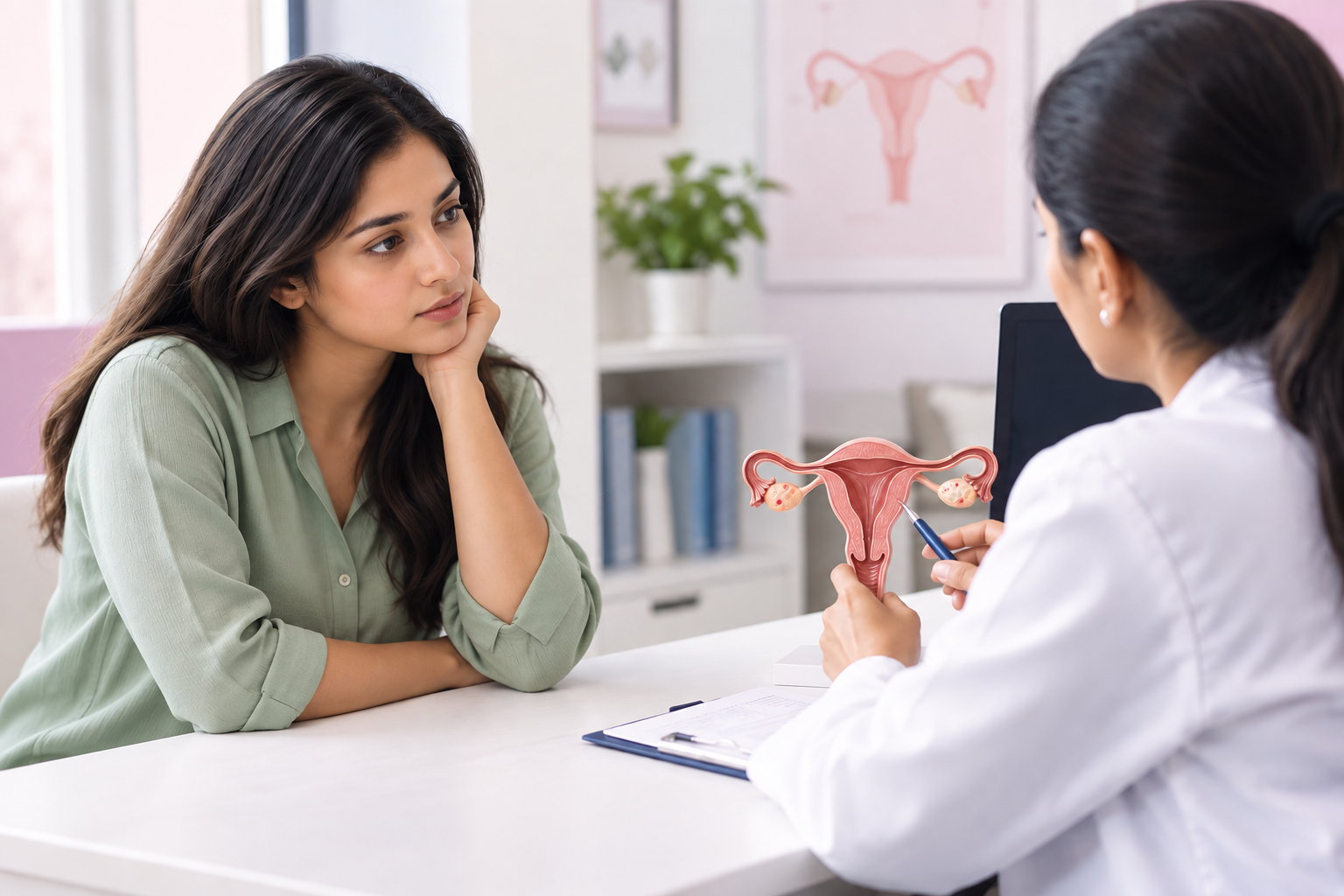

PCOS and Irregular Periods: When Should You See a Gynecologist? 10 Questions Answered

Irregular periods are one of the most common reasons women search for answers online before ever booking a doctor’s visit — and PCOS (Polycystic Ovary Syndrome) is very often the underlying cause. Yet PCOS remains widely misunderstood: some women dismiss it as “just irregular periods,” while others assume every menstrual irregularity must mean PCOS. Neither assumption is quite right.

This FAQ guide from Dr. Shweta Mendiratta, Director & Head – Unit II, Obstetrics & Gynecology at Yatharth Hospital, Faridabad, answers 10 of the most common questions women ask about PCOS, irregular periods, and when it’s time to seek proper evaluation for PCOS treatment in Faridabad.

1. Can PCOS cause irregular periods?

Yes — irregular periods are one of the hallmark symptoms of PCOS. The condition affects how the ovaries function, often disrupting regular ovulation. When ovulation doesn’t happen consistently, periods become unpredictable in one or more ways:

  • Cycles longer than 35 days
  • Fewer than eight periods a year
  • Periods that stop altogether for months at a time
  • Unpredictable timing that makes cycles difficult to track

Not every woman with PCOS experiences the same degree of irregularity — for some it’s a mild pattern shift, while for others periods may be absent for months.

2. Are irregular periods always caused by PCOS?

No. While PCOS is one of the most common causes of irregular periods in women of reproductive age, it’s far from the only one. Other causes include:

  • Thyroid dysfunction (both underactive and overactive)
  • Significant stress or sudden weight changes
  • Excessive exercise or very low body weight
  • Perimenopause, in women in their late 30s and 40s
  • Uterine conditions such as fibroids or polyps

This is exactly why irregular periods shouldn’t be self-diagnosed as PCOS — proper evaluation is needed to identify the actual underlying cause, since treatment differs significantly depending on it.

3. When should irregular periods be investigated?

As a general guideline, it’s worth seeking evaluation if you notice:

  • Irregular cycles persisting for more than two to three consecutive months
  • A sudden, unexplained change from your usual regular pattern
  • Periods that have stopped for three months or more (and you’re not pregnant)
  • Irregular cycles accompanied by other symptoms like acne, excess hair growth, or weight changes

Tracking your cycle for a couple of months before your appointment — even just start and end dates — gives your gynecologist useful information to work with at the first visit.

4. Can PCOS affect fertility?

Yes, PCOS is one of the leading causes of ovulatory infertility — difficulty conceiving due to irregular or absent ovulation. Because eggs aren’t released consistently, it can take longer to conceive naturally. That said, PCOS-related infertility is generally manageable, and many women with PCOS go on to conceive successfully with appropriate treatment, which may include:

  • Lifestyle and weight management, where relevant
  • Medications to induce or regulate ovulation
  • In some cases, assisted reproductive techniques if first-line treatment isn’t sufficient

Early evaluation matters here too — the sooner PCOS-related fertility concerns are addressed, the more treatment options remain straightforward.

5. What tests may be recommended for PCOS?

There’s no single test that confirms PCOS on its own; diagnosis is typically based on a combination of clinical evaluation and specific tests, which may include:

  • Pelvic ultrasound, to check for the characteristic appearance of the ovaries
  • Blood tests, to assess hormone levels including LH, FSH, testosterone, and prolactin
  • Thyroid function tests, to rule out thyroid disorders as the cause
  • Fasting glucose and insulin levels, since PCOS is closely linked with insulin resistance
  • Lipid profile, given the metabolic associations of PCOS

Your gynecologist will typically tailor this workup based on your specific symptoms rather than running every test for every patient.

6. Can PCOS symptoms be managed?

Yes — while PCOS isn’t something that’s “cured” in the traditional sense, it’s very manageable with the right combination of approaches, which usually include:

  • Lifestyle changes, particularly diet and regular physical activity, which can meaningfully improve symptoms even with modest weight change
  • Medications to regulate periods, manage insulin resistance, or reduce androgen-related symptoms like acne and excess hair growth
  • Fertility treatment, when conception is the goal
  • Ongoing monitoring, since PCOS management is typically a long-term, adjustable plan rather than a one-time fix

Most women see meaningful improvement in symptoms once a personalized management plan is in place — the key is consistency rather than a quick fix.

7. When should I see a gynecologist for PCOS?

Book a consultation if you notice any combination of:

  • Irregular or absent periods over several months
  • Unexplained weight gain, especially around the abdomen
  • Persistent acne that hasn’t responded to typical skincare
  • Excess hair growth on the face, chest, or back
  • Difficulty conceiving

You don’t need to wait until symptoms significantly disrupt your life — earlier evaluation generally means simpler, more effective management, and it also allows monitoring for the longer-term health considerations linked with PCOS.

8. Can PCOS affect weight, acne, or hair growth?

Yes, and these are among the most common — and most frustrating — symptoms women with PCOS experience, largely driven by elevated androgen levels and insulin resistance:

  • Weight gain, often concentrated around the abdomen, and difficulty losing weight despite effort
  • Acne, typically along the jawline, chin, and lower face, and often resistant to standard treatments
  • Excess hair growth (hirsutism) on the face, chest, or back
  • Hair thinning on the scalp, in some cases

Because these symptoms are hormonally driven, they often improve significantly once the underlying hormonal imbalance is addressed — rather than through skincare or weight-loss efforts alone.

9. Does PCOS increase the risk of other long-term health problems?

It can, which is part of why ongoing gynecological monitoring matters even once your periods or fertility concerns are addressed. PCOS is associated with a higher long-term risk of:

  • Type 2 diabetes, due to insulin resistance
  • High blood pressure and cardiovascular risk factors
  • Endometrial changes, related to infrequent ovulation and periods
  • Sleep apnea, in some cases

This doesn’t mean these outcomes are inevitable — but it’s a strong reason to manage PCOS proactively with periodic monitoring, rather than treating it as a purely cosmetic or fertility-related concern.

10. How do I book a consultation for PCOS treatment in Faridabad?

Getting an initial evaluation is straightforward. Before your visit, it helps to:

  • Track your last few cycles — dates, duration, and flow, if you can recall them
  • Note other symptoms — acne, hair growth, weight changes, and when they started
  • List any family history of PCOS, diabetes, or thyroid conditions
  • Bring previous test results, if you’ve had any hormone or thyroid tests done before

You can book an appointment with Dr. Shweta Mendiratta by calling +91-8130048652, +91-9999093503, or +91-8178939442, or through the online appointment form on her website.

Managing PCOS with Dr. Shweta Mendiratta in Faridabad

Dr. Shweta Mendiratta is Director & Head – Unit II, Obstetrics & Gynecology at Yatharth Hospital, Faridabad, with over 15 years of experience and more than 15,000 patients treated. She offers comprehensive evaluation and personalized management for PCOS, menstrual disorders, and related fertility concerns — combining hormonal, lifestyle, and, where needed, fertility treatment approaches tailored to each patient rather than a one-size-fits-all protocol.

Clinic Locations:

  • Yatharth Hospital, Sector 20, Faridabad — Monday to Saturday, 10:00 AM – 4:00 PM
  • Mediclub Gynae ‘N’ Neuro Clinic, Sector 21C, Faridabad — Monday to Sunday, 5:30 PM – 7:30 PM (Thursday & Sunday closed)

Dealing with irregular periods or PCOS symptoms? Book an appointment with Dr. Shweta Mendiratta or call +91-8130048652 for evaluation and personalized treatment.

How to Choose the Best Gynecologist in Faridabad: 10 Questions Every Woman Should Ask

Choosing a gynecologist in Faridabad isn’t like choosing any other doctor. It’s a relationship you may rely on for years — through routine check-ups, pregnancy, childbirth, fertility concerns, and every life stage in between. Getting it right the first time saves you from switching doctors mid-treatment or, worse, delaying care because you didn’t feel comfortable asking questions.

This FAQ guide, based on the practice of Dr. Shweta Mendiratta, Director & Head – Unit II, Obstetrics & Gynecology at Yatharth Hospital, Faridabad, walks through the 10 questions every woman should ask before choosing a gynecologist in Faridabad— and why each one genuinely matters.

1. What qualifications should I look for in a gynecologist?

Before anything else, check the doctor’s core training. At minimum, look for:

  • MBBS and MS/MD in Obstetrics & Gynecology from a recognized medical institute
  • A DNB (Diplomate of National Board) in Obstetrics & Gynecology, which reflects additional specialized training
  • Credentials like FICOG (Fellow of the Indian College of Obstetricians and Gynaecologists), which indicate advanced standing in the field
  • Certifications in specific areas relevant to you, such as menopause management or minimally invasive surgery

Dr. Shweta Mendiratta holds an MBBS and MS in Obstetrics & Gynecology from the Institute of Medical Sciences, BHU, a DNB in Obstetrics & Gynecology, and is a credentialed FICOG and IMS Certified Menopause Practitioner (CIMP) — credentials worth confirming with any gynecologist in Faridabad you’re considering.

2. How many years of experience does the doctor have, and in what areas?

Experience matters, but so does breadth. A gynecologist in Faridabad who regularly handles a wide range of cases — not just routine ones — is better positioned to catch complications early and manage them confidently. Ask specifically about experience with:

  • Normal and high-risk pregnancies
  • Cesarean sections and instrumental deliveries
  • Menstrual disorders, fibroids, and ovarian cysts
  • Infertility evaluation and treatment
  • Laparoscopic and robotic gynecological surgery

Dr. Mendiratta brings over 15 years of experience as a Senior Consultant Obstetrician and Laparoscopic Gynaecologist, having treated more than 15,000 patients across these exact areas.

3. Does the doctor specialize in high-risk pregnancy management?

Not every pregnancy is straightforward. Conditions like gestational diabetes, hypertension, preeclampsia, twin pregnancies, or a previous cesarean section all require closer monitoring and specialized management. It’s worth asking directly:

  • Has the doctor managed cases similar to your risk factors before?
  • What is the protocol for monitoring a high-risk pregnancy?
  • Is the doctor available for urgent concerns outside scheduled visits?

High-risk pregnancy management is one of Dr. Mendiratta’s key areas of specialization, covering conditions such as premature labor, preeclampsia, diabetes and hypertension in pregnancy, twin pregnancies, and pregnancies following IVF.

4. What surgical options does the doctor offer if surgery becomes necessary?

Conditions like fibroids, ovarian cysts, adenomyosis, or endometriosis sometimes require surgical treatment. Ask whether the gynecologist in Faridabad offers:

  • Laparoscopic (minimally invasive) surgery — smaller incisions, faster recovery, less scarring
  • Hysteroscopy — for diagnosing and treating conditions inside the uterus
  • Robotic-assisted gynecological surgery — for complex cases requiring greater precision

Dr. Mendiratta is trained in minimally invasive gynecology, including laparoscopy, hysteroscopy, and robotic-assisted gynecological surgery — meaning that if surgery is ever needed, it can often be done with a faster, less invasive approach rather than traditional open surgery.

5. Does the gynecologist offer infertility evaluation and treatment?

If you’re facing difficulty conceiving, this is a critical question to ask upfront, since not every gynecologist manages infertility in-house. Ask about:

  • Whether comprehensive infertility evaluations are done at the clinic
  • What treatment options are offered — medication, lifestyle changes, or assisted reproductive technologies
  • Whether the doctor coordinates with fertility specialists or IVF centers if advanced treatment is needed

Dr. Mendiratta provides comprehensive infertility evaluations to identify underlying causes and offers personalized treatment plans, including support for IVF pregnancies once conception is achieved.

6. What can I expect during a first visit?

Knowing what happens before you walk in makes the visit far less intimidating. A thorough first consultation should typically include:

  • A detailed discussion of your medical history, menstrual history, and current concerns
  • A physical exam, which may include a pelvic exam depending on your symptoms
  • Time to ask questions and discuss any worries about your reproductive health without feeling rushed

At Dr. Mendiratta’s practice, the first visit is structured around understanding your history and concerns fully before recommending any tests or treatment — not a rushed, one-size-fits-all consultation.

7. Does the doctor offer postpartum and lactation support, not just delivery care?

Good obstetric care doesn’t end at delivery. Ask whether the doctor’s practice supports you through the postpartum period, including:

  • Postpartum recovery and nutrition guidance
  • Lactation (breastfeeding) support
  • Screening for postpartum blues or mood changes
  • Contraception counseling once you’re ready

Dr. Mendiratta’s practice covers the full postpartum journey — from nutrition and postpartum exercise to lactation support and contraception counseling — rather than treating delivery as the final step of care.

8. Where is the clinic located, and how easy is it to schedule follow-ups?

Whether it’s a pregnancy requiring monthly (then weekly) visits, or ongoing management of a condition like fibroids, accessibility matters. Before choosing a gynecologist, check:

  • Is the clinic conveniently located for regular visits?
  • Are there multiple locations or evening slots to fit a working schedule?
  • Is the doctor attached to a hospital for emergency or surgical needs?

Dr. Shweta Mendiratta consults at two locations in Faridabad:

  • Yatharth Hospital, Sector 20, Faridabad — Monday to Saturday, 10:00 AM – 4:00 PM (Sunday closed)
  • Mediclub Gynae ‘N’ Neuro Clinic, Sector 21C, Faridabad — Monday to Sunday, 5:30 PM – 7:30 PM (Thursday & Sunday closed)

Her hospital affiliation with Yatharth Hospital also means surgical and emergency backup is readily available if needed.

9. What do other patients say about their experience with the doctor?

Patient reviews often reveal things a website bio can’t — how a doctor communicates during labor, how accessible they are for urgent questions, and how patients felt during sensitive conversations. Look for reviews mentioning:

  • Communication style during pregnancy and delivery
  • Responsiveness to calls or messages outside clinic hours
  • How complications or high-risk situations were handled

Patients of Dr. Mendiratta consistently describe her as patient, approachable, and available even outside regular hours — with many specifically noting smooth pregnancy journeys and feeling genuinely heard during consultations.

10. How do you book an appointment, and what should you bring?

Once you’ve decided on a gynecologist, a few practical steps make your first visit smoother:

  • Book ahead by phone, WhatsApp, or the clinic’s online appointment form
  • Carry previous records — old prescriptions, ultrasound reports, or blood test results, if relevant
  • Note your menstrual history, including cycle length and any irregularities
  • List current medications or supplements, including prenatal vitamins if pregnant

You can book an appointment with Dr. Shweta Mendiratta by calling +91-8130048652, +91-9999093503, or +91-8178939442, or via WhatsApp, or through the online appointment form on her website.

Why Women in Faridabad Choose Dr. Shweta Mendiratta

Dr. Shweta Mendiratta is Director & Head – Unit II, Obstetrics & Gynecology at Yatharth Hospital, Faridabad, with over 15 years of experience and more than 15,000 patients treated. She holds an MBBS and MS in Obstetrics & Gynecology from BHU, a DNB in Obstetrics & Gynecology, and is a credentialed FICOG and Certified Menopause Practitioner. Her practice spans routine gynecological care, high-risk pregnancy management, infertility treatment, and minimally invasive and robotic-assisted surgery — combined with a compassionate, evidence-based approach that has made her one of the most trusted names in women’s healthcare in Faridabad.

Ready to consult a specialist? Book an appointment with Dr. Shweta Mendiratta at Yatharth Hospital, Sector 20, or Mediclub Gynae ‘N’ Neuro Clinic, Faridabad.

Hormone Replacement Therapy (HRT) in India — Is It Safe and Who Should Consider It?

Few medical topics have been more misunderstood, more feared, and more under-prescribed in India than hormone replacement therapy (HRT). A study published in 2002 sent women and their doctors into panic — and its flaws and subsequent corrections were never communicated with the same urgency as the original alarm. Two decades later, the science on HRT has been thoroughly re-evaluated. The result is reassuring: for most healthy women under 60 who begin HRT within 10 years of menopause, the benefits substantially outweigh the risks. Dr. Shweta Mendiratta, top gynecologist in Faridabad, provides a clear, evidence-based guide.

What Is HRT?

Hormone replacement therapy replaces the oestrogen (and where applicable, progesterone) that the ovaries stop producing at menopause. It is used to:

  • Relieve menopausal symptoms (hot flushes, night sweats, sleep disturbances, mood changes, vaginal dryness)
  • Protect bone density and reduce fracture risk
  • Reduce cardiovascular risk when started early in the menopause transition
  • Improve quality of life, cognitive function, and sexual health

Types of HRT Available in India

By Hormone Type

  • Oestrogen-only HRT: For women who have had a hysterectomy and have no uterus
  • Combined HRT (oestrogen + progestogen): For women with an intact uterus; the progestogen protects the uterine lining from the effects of unopposed oestrogen
  • Body-identical HRT: Uses micronised progesterone (identical in structure to natural progesterone) combined with oestradiol — associated with a lower risk profile than older synthetic progestogens

By Route of Administration

  • Oral tablets: Convenient but undergo first-pass metabolism in the liver
  • Transdermal patches: Applied to the skin twice weekly; bypass liver metabolism; lower risk of blood clots
  • Gels: Oestrogen gel applied daily to the skin; excellent alternative for women who dislike patches
  • Vaginal oestrogen (cream, pessary, ring): For local genitourinary symptoms only; negligible systemic absorption

Transdermal and vaginal oestrogen routes are increasingly preferred because they avoid first-pass hepatic metabolism and carry a lower risk of venous thromboembolism (blood clots) compared to oral oestrogen.

The Benefits of HRT — What the Evidence Shows

Symptom Relief

HRT is the most effective treatment for vasomotor symptoms (hot flushes and night sweats), with reduction rates of 75–90%. It is also highly effective for vaginal dryness, sleep disruption, mood changes, and joint pain associated with menopause.

Bone Protection

Oestrogen is the primary regulator of bone turnover in women. HRT reduces the rate of bone loss, prevents osteoporosis, and significantly reduces the risk of hip and vertebral fractures. It is particularly important for women who reach menopause before age 45.

Cardiovascular Health

When started within 10 years of menopause (the ‘window of opportunity’), oestrogen has beneficial effects on the cardiovascular system — improving lipid profiles, reducing arterial stiffness, and potentially reducing the risk of coronary heart disease. Women who begin HRT close to menopause appear to have a reduced risk of cardiovascular events compared to women who delay or never use HRT.

Cognitive Function

Oestrogen plays a role in brain function and neuroprotection. Emerging evidence suggests that HRT started early in the menopause transition may reduce the risk of Alzheimer’s disease, though this remains an area of active research.

The Risks of HRT — Understanding the Real Numbers

Breast Cancer

The most feared risk associated with HRT is breast cancer. The picture is nuanced:

  • Oestrogen-only HRT (for women without a uterus) is not associated with a significantly increased breast cancer risk and may even be associated with a slight reduction in risk
  • Combined HRT (oestrogen + synthetic progestogen) is associated with a small increased risk — approximately 4 extra cases per 1000 women over 5 years of use
  • Body-identical HRT using micronised progesterone appears to carry a lower breast cancer risk than synthetic progestogen combinations
  • The excess risk is comparable to that from drinking one to two glasses of alcohol per day or being overweight
  • Breast cancer risk returns to baseline within 5 years of stopping HRT

Blood Clots (VTE)

Oral oestrogen doubles the baseline risk of venous thromboembolism (DVT/PE). However, transdermal oestrogen does not increase VTE risk — a crucial distinction. For women at increased VTE risk, transdermal HRT is the preferred route.

Stroke

Oral oestrogen is associated with a small increase in ischaemic stroke risk; transdermal oestrogen is not. Again, route of administration matters significantly.

Who Should Consider HRT?

HRT is appropriate for:

  • Women with significant menopausal symptoms affecting quality of life
  • Women with premature ovarian insufficiency (POI) or early menopause — HRT is essential for bone and cardiovascular protection and should be continued until the natural age of menopause
  • Women with osteoporosis or high fracture risk
  • Women who have failed or prefer not to use non-hormonal alternatives for symptom management

Who Should Not Use HRT?

  • Women with current or recent hormone receptor-positive breast cancer (oestrogen-sensitive)
  • Women with unexplained vaginal bleeding
  • Women with active thromboembolism (DVT or PE)
  • Women with severe liver disease

Note that a history of cardiovascular disease, migraine with aura, or controlled hypertension is not an absolute contraindication to HRT — the route, type, and dose can be adjusted. Dr. Mendiratta conducts a thorough risk assessment before prescribing.

HRT in India: Availability and Cost

Several HRT preparations are available in India, including oral oestradiol and combined preparations. Transdermal patches and gels are increasingly available in urban pharmacies, though access varies. Body-identical micronised progesterone is available. Dr. Mendiratta can advise on the most appropriate formulation for your needs and budget.

Frequently Asked Questions (FAQs)

Q1. How long can I take HRT?

There is no arbitrary maximum duration. HRT should be used for as long as you need it and the benefits outweigh the risks for you individually. An annual review with your doctor is recommended. Many women use HRT safely for 5–10 years or longer.

Q2. Will I gain weight on HRT?

Menopause itself causes weight gain — particularly abdominal fat — due to falling oestrogen. HRT may actually mitigate this effect. Clinical studies do not consistently show that HRT causes weight gain beyond what is expected in the menopause transition.

Q3. Can I start HRT 10 years after menopause?

Starting HRT more than 10 years after menopause or after age 60 is more complex. The cardiovascular and cognitive benefits are less certain and there may be a slightly higher risk of cardiovascular events. This needs to be assessed individually.

Q4. Is HRT available over the counter in India?

HRT is a prescription medication in India and should only be initiated under medical supervision after a full assessment of your health history, risk factors, and symptom profile.

Q5. What is bio-identical HRT and is it better?

‘Bio-identical’ refers to hormones that are structurally identical to those produced by the body (oestradiol and micronised progesterone). These are available as regulated pharmaceutical preparations and are generally preferred over compounded alternatives. They appear to carry a more favourable safety profile, particularly regarding breast cancer risk, than older synthetic progestogens.


Get In Touch With Dr. Shweta Mendiratta

Phone: +91-8130048652 | +91-9999093503

Email: shwetasmendiratta@gmail.com

Yatharth Super Speciality Hospital

Plot No 9, Sector-20, Krishna Nagar, New Industrial Township, Faridabad, Haryana 121007

Phone: +91 8178-939442

Mediclub Gynae ‘N’ Neuro Clinic

Plot No. 857 Sector 21 C, Faridabad Delhi, Haryana 121001

Robotic Myomectomy for Fibroids — Preserving the Uterus Without Open Surgery

Uterine fibroids are extraordinarily common — they affect up to 70% of women by age 50, though not all cause symptoms. For women who have problematic fibroids but wish to preserve their uterus — whether for future pregnancy, personal preference, or cultural reasons — myomectomy (surgical removal of fibroids while keeping the uterus intact) is the answer. And today, thanks to robotic and laparoscopic technology, myomectomy can be performed with minimal incisions, minimal blood loss, and a rapid return to normal life. Dr. Shweta Mendiratta, robotic surgeon in Faridabad, explains everything you need to know.

What Are Uterine Fibroids?

Fibroids (leiomyomas or myomas) are non-cancerous growths arising from the muscle tissue of the uterus. They vary enormously in size — from a few millimetres to several centimetres — and in location:

  • Intramural: Within the uterine muscle wall (most common)
  • Submucosal: Projecting into the uterine cavity (most likely to cause heavy bleeding and fertility problems)
  • Subserosal: Projecting outward from the uterine surface
  • Pedunculated: Attached to the uterus by a stalk

A woman may have a single fibroid or many (multiple fibroids), and the distribution matters for surgical planning.

When Do Fibroids Need Treatment?

Many fibroids are asymptomatic and require no treatment beyond monitoring. Treatment is recommended when fibroids cause:

  • Heavy or prolonged menstrual bleeding (leading to anaemia)
  • Pelvic pain or pressure
  • Urinary frequency or difficulty emptying the bladder
  • Constipation or rectal pressure
  • Difficulty conceiving or recurrent miscarriage
  • Significant uterine enlargement

Why Choose Myomectomy Over Hysterectomy?

Hysterectomy — uterine removal — is the definitive cure for fibroids, but it ends a woman’s ability to conceive and many women prefer to preserve their uterus. Myomectomy removes the fibroids while leaving the uterus intact, allowing future pregnancy and preserving the uterus for women who are not yet ready for hysterectomy.

The trade-off is that fibroids can recur after myomectomy — approximately 20–30% of women require further treatment within 5–10 years. However, for women who want to conceive or who are years away from menopause, myomectomy is often the right choice.

Types of Myomectomy

Hysteroscopic Myomectomy

For submucosal fibroids (those inside the cavity), the fibroid can often be removed entirely through the cervix using a hysteroscope — no incisions at all. This is an outpatient procedure with very rapid recovery. It is the preferred approach for submucosal fibroids causing heavy bleeding or fertility problems.

Laparoscopic Myomectomy

For intramural or subserosal fibroids, laparoscopic myomectomy uses 3–4 small port incisions to access and remove the fibroid. The fibroid is then morcellated (divided into smaller pieces) for removal through the ports, or removed through a small incision using a containment bag.

Robotic Myomectomy

Robotic myomectomy offers particular advantages for large fibroids, multiple fibroids, or fibroids in difficult locations. The robotic system allows:

  • Precise dissection with 3D visualisation
  • Multi-directional instrument movement (wristed instruments) that exceeds the range of human wrists
  • Superior suturing ability — critical for closing the uterine defect securely after fibroid removal
  • Reduced blood loss through more precise haemostasis

Secure uterine closure after myomectomy is critical for subsequent pregnancy safety. The robotic platform enables suturing that is as precise — or more precise — than open surgery, which is why robotic myomectomy is increasingly preferred for women planning future pregnancies.

Open (Abdominal) Myomectomy

Reserved for very large uteri, very numerous fibroids, or cases where minimal-access surgery is not feasible. Recovery is 6–8 weeks.

Myomectomy and Fertility

Removing fibroids that distort the uterine cavity or impair blood supply to the lining can significantly improve fertility. Studies show that myomectomy for submucosal fibroids improves IVF pregnancy rates substantially. Dr. Mendiratta carefully plans the procedure to maximise fertility outcomes — avoiding unnecessary myometrial trauma and ensuring meticulous repair.

Recovery After Robotic Myomectomy

  • 1–2 nights in hospital
  • 2–3 weeks to return to light activity
  • 4–6 weeks to full recovery
  • Pregnancy is typically recommended no sooner than 3–6 months after myomectomy, to allow adequate uterine healing

Frequently Asked Questions (FAQs)

Q1. Can fibroids become cancerous?

The risk of a uterine fibroid being or becoming malignant (leiomyosarcoma) is very small — approximately 1 in 1000. However, if a fibroid grows rapidly (especially after menopause), further investigation is warranted.

Q2. Will fibroids grow back after myomectomy?

Existing fibroids are permanently removed, but new ones can develop. The recurrence rate is approximately 20–30% over 5–10 years. After menopause, regrowth is very unlikely as fibroids depend on oestrogen.

Q3. Can I deliver vaginally after myomectomy?

This depends on the size, depth, and location of the fibroid removed and the extent of the uterine incision. Dr. Mendiratta will advise you on the safest mode of delivery after reviewing your surgical notes.

Q4. Does fibroid size matter for surgery?

Yes and no. Even very large fibroids can be removed laparoscopically or robotically by experienced surgeons. However, a very enlarged uterus (larger than a 16-week pregnancy) may sometimes require an open approach.

Q5. How long after myomectomy can I try to conceive?

Dr. Mendiratta typically recommends waiting 3–6 months after myomectomy before attempting pregnancy, to allow adequate uterine healing and reduce the risk of uterine rupture during labour.


Get In Touch With Dr. Shweta Mendiratta

Phone: +91-8130048652 | +91-9999093503

Email: shwetasmendiratta@gmail.com

Yatharth Super Speciality Hospital

Plot No 9, Sector-20, Krishna Nagar, New Industrial Township, Faridabad, Haryana 121007

Phone: +91 8178-939442

Mediclub Gynae ‘N’ Neuro Clinic

Pilot No. 857 Sector 21 C, Faridabad Delhi, Haryana 121001

Robotic Hysterectomy in Faridabad — Recovery, Risks, and Why It Beats Open Surgery

Hysterectomy — the surgical removal of the uterus — is one of the most commonly performed major gynaecological surgeries in India. Yet many women still undergo open (abdominal) surgery, spending a week in hospital and months in recovery, when a robotic or laparoscopic approach could achieve the same result with a fraction of the pain, blood loss, and downtime. Dr. Shweta Mendiratta, robotic and laparoscopic surgeon in Faridabad, explains why the approach to your hysterectomy matters as much as the decision to have one.

When Is a Hysterectomy Necessary?

A hysterectomy may be recommended for:

  • Uterine fibroids causing severe symptoms unresponsive to other treatments
  • Adenomyosis with severe pain or bleeding when family is complete
  • Endometriosis with significant uterine involvement
  • Endometrial cancer or precancerous changes (hyperplasia with atypia)
  • Uterine prolapse
  • Chronic pelvic pain unresponsive to other treatments
  • Persistent abnormal uterine bleeding when other options have failed

Types of Hysterectomy by Surgical Approach

Open (Abdominal) Hysterectomy

The traditional approach involves a 10–15 cm horizontal incision across the lower abdomen. While it allows excellent access, it comes with significant drawbacks: 3–7 days in hospital, 6–8 weeks of recovery, higher infection risk, and a prominent scar.

Vaginal Hysterectomy

The uterus is removed through the vagina with no external incisions. An excellent option for uterine prolapse and certain other indications, but limited by access to the upper pelvis.

Laparoscopic Hysterectomy

The surgery is performed through 3–4 small (5–10 mm) incisions using a camera and instruments. It offers significantly faster recovery than open surgery — typically 1–2 nights in hospital and 2–3 weeks to return to normal activity.

Robotic Hysterectomy

Robotic-assisted laparoscopic hysterectomy (RALH) uses the da Vinci or similar robotic system to provide the surgeon with a 3D high-definition view and instruments with greater range of motion than standard laparoscopy. This is particularly advantageous for complex cases — large uteri, extensive adhesions, previous pelvic surgery, or obesity — where standard laparoscopy may be difficult.

Robotic vs Laparoscopic vs Open: Key Differences

  • Hospital stay: Open: 5–7 days | Laparoscopic: 1–2 days | Robotic: 1–2 days
  • Recovery time: Open: 6–8 weeks | Laparoscopic: 2–3 weeks | Robotic: 2–3 weeks
  • Blood loss: Open: Highest | Laparoscopic: Lower | Robotic: Lowest
  • Scar size: Open: 10–15 cm | Laparoscopic: 3–4 small ports | Robotic: 3–4 small ports
  • Complication rates: Open: Higher | Laparoscopic: Lower | Robotic: Comparable or slightly lower for complex cases
  • Surgeon precision: Open: Good | Laparoscopic: Good | Robotic: Excellent, especially in restricted spaces

Which Approach Is Best for You?

The optimal surgical approach depends on the size and condition of your uterus, your BMI, your surgical history, the indication for surgery, and your surgeon’s expertise. Dr. Mendiratta will discuss all options and recommend the approach that offers the best balance of safety, efficacy, and recovery for your specific situation.

The most important factor in the success of any hysterectomy — open, laparoscopic, or robotic — is surgeon experience. Dr. Mendiratta has performed hundreds of minimal-access hysterectomies and brings the same precision and attention to each procedure.

Recovery After Robotic/Laparoscopic Hysterectomy

  • Day 1–2: In hospital; walking the day after surgery
  • Week 1–2: Resting at home; light activity permitted
  • Week 3–4: Returning to desk work and light household duties
  • Week 6: Most women have returned to full normal activity, including exercise
  • No vaginal intercourse for 6–8 weeks after any type of hysterectomy

Risks of Hysterectomy

All surgery carries risks. For robotic/laparoscopic hysterectomy, these include:

  • Bleeding (rare, occasionally requiring transfusion)
  • Infection (reduced compared to open surgery)
  • Injury to adjacent structures (ureter, bladder, bowel) — very rare in experienced hands
  • Anaesthetic complications
  • Deep vein thrombosis (prevented by early mobilisation and compression stockings)

Serious complications are uncommon when surgery is performed by an experienced minimal-access surgeon. Dr. Mendiratta will discuss all risks with you in detail at your pre-operative consultation.

Frequently Asked Questions (FAQs)

Q1. Will I go into menopause after hysterectomy?

Only if your ovaries are removed at the same time (bilateral oophorectomy). If your ovaries are preserved — which is the standard approach for benign conditions in younger women — you will not experience surgical menopause.

Q2. Can I have a robotic hysterectomy even if I am overweight?

Yes. Robotic surgery is often preferred for women with higher BMI because the robotic system provides better access and visualisation in a deeper pelvis. Discuss this with Dr. Mendiratta during your consultation.

Q3. How long does a robotic hysterectomy take?

Typically 1.5–3 hours depending on the complexity of the case.

Q4. Will my sex life change after hysterectomy?

Most women report no change or even improvement in their sex life after hysterectomy, particularly if the procedure relieved pain, bleeding, or pressure. Vaginal length is preserved in all standard hysterectomy techniques.

Q5. How do I know if I need a total vs subtotal hysterectomy?

A total hysterectomy removes the uterus and cervix. A subtotal (supracervical) hysterectomy removes the uterus but leaves the cervix. The decision depends on several factors including the indication for surgery. Dr. Mendiratta will explain which is most appropriate for you.


Get In Touch With Dr. Shweta Mendiratta

Phone: +91-8130048652 | +91-9999093503

Email: shwetasmendiratta@gmail.com

Yatharth Super Speciality Hospital

Plot No 9, Sector-20, Krishna Nagar, New Industrial Township, Faridabad, Haryana 121007

Phone: +91 8178-939442

Mediclub Gynae ‘N’ Neuro Clinic

Pilot No. 857 Sector 21 C, Faridabad Delhi, Haryana 121001


Hysteroscopy in Faridabad — The Test That Changes Everything for Infertile Couples

When a couple is struggling to conceive, they often focus on sperm counts, egg reserves, and fallopian tubes — and rightly so. But one crucial factor that is frequently overlooked is the condition of the uterine cavity itself. A uterus that looks perfectly normal on an external ultrasound can harbour polyps, fibroids, adhesions, or a septum that makes implantation impossible — problems that only hysteroscopy can detect and treat. Dr. Shweta Mendiratta, specialist gynaecologist in Faridabad, explains why hysteroscopy should be part of every couple’s infertility workup.

What Is Hysteroscopy?

Hysteroscopy is a minimally invasive procedure in which a thin, lighted telescope (hysteroscope) is inserted through the cervix into the uterine cavity. It allows the gynaecologist to directly visualise the inside of the uterus — identifying abnormalities that cannot be seen on an ultrasound or MRI.

There are two types: diagnostic hysteroscopy (examination only) and operative hysteroscopy (examination plus treatment during the same procedure). In experienced hands, both can often be performed in an outpatient setting with minimal anaesthesia.

Why Is the Uterine Cavity So Important for Fertility?

For a pregnancy to succeed, a fertilised embryo must implant into a healthy, receptive uterine lining. Any abnormality that distorts the cavity, disrupts the lining, or alters the uterine environment can prevent implantation — even in women with excellent eggs and a clear embryo transfer on IVF. Studies show that correcting uterine abnormalities before IVF improves pregnancy rates significantly.

What Conditions Can Hysteroscopy Detect and Treat?

  1. Uterine Polyps

Endometrial polyps are small, finger-like growths on the uterine lining. They are found in approximately 10–24% of infertile women and may impair implantation by acting as a ‘foreign body’ or by altering the uterine environment. Hysteroscopic polypectomy (removal of polyps through the hysteroscope) is a simple, highly effective procedure that significantly improves pregnancy rates.

  1. Submucosal Fibroids

Fibroids that protrude into the uterine cavity (submucosal fibroids) have the greatest impact on fertility. They distort the cavity, impair implantation, and may impede blood flow to the developing embryo. Hysteroscopic myomectomy removes them without any external incisions.

  1. Intrauterine Adhesions (Asherman’s Syndrome)

Scar tissue within the uterine cavity can form after uterine infections, excessive curettage (D&C), or other uterine procedures. This condition, known as Asherman’s syndrome, can cause amenorrhoea, recurrent miscarriage, and infertility. Hysteroscopic adhesiolysis (cutting of adhesions) can restore normal anatomy and dramatically improve outcomes.

  1. Uterine Septum

A uterine septum is a band of tissue that divides the uterine cavity. It is the most common uterine anomaly and is strongly associated with recurrent miscarriage (loss rates as high as 60–80%). Hysteroscopic metroplasty (septal incision) is a straightforward procedure that dramatically reduces miscarriage risk.

  1. Endometrial Hyperplasia

Thickening of the uterine lining can be identified and biopsied during hysteroscopy, allowing early detection and treatment of precancerous changes before they progress.

Who Should Have a Hysteroscopy?

  • Women with unexplained infertility (after basic tests are normal)
  • Women planning IVF, especially after a failed cycle
  • Women with recurrent miscarriage
  • Women with suspected fibroids, polyps, or uterine anomalies on ultrasound
  • Women with heavy or irregular periods
  • Women before fertility-preserving surgery or uterine reconstruction

What to Expect During the Procedure

In most cases, diagnostic hysteroscopy can be performed in an outpatient setting with local anaesthesia or light sedation. The procedure typically takes 10–30 minutes. Operative hysteroscopy may require general or regional anaesthesia depending on the complexity of the procedure.

After hysteroscopy, most women experience mild cramping and light spotting for a day or two. Recovery is rapid — most women return to normal activity within 24–48 hours.

Hysteroscopy Cost in India and Faridabad

The cost of hysteroscopy in India varies significantly depending on the type of procedure (diagnostic vs operative), the hospital, and any additional procedures performed simultaneously. Diagnostic hysteroscopy is considerably less expensive than operative procedures involving removal of fibroids or adhesions. Dr. Mendiratta’s team can provide a detailed cost estimate after evaluating your specific needs.

Frequently Asked Questions (FAQs)

Q1. Is hysteroscopy painful?

Diagnostic hysteroscopy is generally well tolerated with mild local anaesthesia. Operative procedures may require light general anaesthesia. Post-procedure cramping is typically mild and short-lived.

Q2. How soon after hysteroscopy can I try to conceive?

After simple diagnostic hysteroscopy or polypectomy, most doctors advise waiting one menstrual cycle before attempting to conceive. After adhesiolysis or septum resection, a longer period of healing (3–6 months) may be recommended.

Q3. Does hysteroscopy improve IVF success rates?

Yes — multiple studies show that hysteroscopy before IVF (particularly after a failed cycle) improves pregnancy and live birth rates. It ensures the cavity is optimally prepared for embryo transfer.

Q4. Can hysteroscopy be done during menstruation?

Hysteroscopy is generally performed in the first half of the cycle (days 6–12) when the uterine lining is thin, providing the best visualisation. It is not typically performed during active menstruation.

Q5. How is hysteroscopy different from a D&C?

A D&C (dilation and curettage) is performed ‘blind’ — the surgeon cannot see inside the cavity. Hysteroscopy allows direct visualisation, making it far more accurate for diagnosing and treating intrauterine problems.


Get In Touch With Dr. Shweta Mendiratta

Phone: +91-8130048652 | +91-9999093503

Email: shwetasmendiratta@gmail.com

Yatharth Super Speciality Hospital

Plot No 9, Sector-20, Krishna Nagar, New Industrial Township, Faridabad, Haryana 121007

Phone: +91 8178-939442

Mediclub Gynae ‘N’ Neuro Clinic

Pilot No. 857 Sector 21 C, Faridabad Delhi, Haryana 121001


Adenomyosis vs Endometriosis — What’s the Difference and How Are They Treated?

Adenomyosis and endometriosis are two of the most commonly confused gynaecological conditions — and understandably so. Both involve endometrial-type tissue growing where it shouldn’t. Both cause painful periods and heavy bleeding. And both can have a profound impact on fertility and quality of life. But they are not the same condition, and their treatment differs significantly. Dr. Shweta Mendiratta, best gynecologist in Faridabad, and minimal-access surgeon in Faridabad, explains the key differences.

Understanding Endometriosis

In endometriosis, tissue similar to the uterine lining grows outside the uterus — on the ovaries (forming cysts called endometriomas), fallopian tubes, bowel, bladder, and peritoneum. Each month, this tissue responds to hormonal signals, swells, and bleeds, causing inflammation and eventually scarring and adhesions within the pelvic cavity.

Understanding Adenomyosis

In adenomyosis, the endometrial-type tissue infiltrates into the muscular wall of the uterus itself (the myometrium). The uterus becomes enlarged and ‘boggy,’ and the muscular wall thickens and loses its normal architecture. As with endometriosis, this misplaced tissue bleeds with each cycle — but internally within the uterine wall, causing the uterus to become swollen and painful.

Adenomyosis is more common in women in their late 30s to 40s, particularly those who have had pregnancies, though it can also affect younger women. It is estimated to affect 20–35% of women of reproductive age.

Comparing the Two Conditions

Location

  • Endometriosis: Outside the uterus (ovaries, tubes, peritoneum, bowel, bladder)
  • Adenomyosis: Inside the uterine muscle wall

Typical Age of Onset

  • Endometriosis: Often begins in the teens or early twenties
  • Adenomyosis: More common in women 35–50, though increasingly diagnosed in younger women

Primary Symptoms

  • Endometriosis: Painful periods, pain during sex, pain with bowel movements, infertility
  • Adenomyosis: Heavy, prolonged periods; severe cramps; enlarged, tender uterus; pelvic pressure

Diagnosis

  • Endometriosis: Requires laparoscopy for definitive diagnosis; ultrasound/MRI may suggest it
  • Adenomyosis: Transvaginal ultrasound and MRI can diagnose it; no surgery typically required for diagnosis

Relationship to Fertility

  • Endometriosis: Strongly associated with infertility; adhesions and damaged tubes impair conception
  • Adenomyosis: Can impair implantation and increase miscarriage risk; effect on natural conception varies

Can You Have Both?

Yes — and this is quite common. Studies suggest that 20–50% of women with endometriosis also have adenomyosis. When both conditions are present simultaneously, symptoms are often more severe and treatment must address both.

Treatment Approaches

Medical Treatment

Both conditions respond to hormonal suppression:

  • Combined oral contraceptive pills to reduce the severity of monthly bleeding
  • Progestin-only therapy (norethisterone, dienogest) to suppress endometrial tissue growth
  • GnRH analogues (such as leuprolide) to induce temporary medical menopause and shrink deposits
  • Levonorgestrel-releasing IUS (Mirena) — particularly effective for adenomyosis

Medical treatment controls symptoms but does not eliminate the underlying tissue. Symptoms typically return when medication is stopped.

Surgical Treatment — Endometriosis

Laparoscopic excision is the gold standard for endometriosis. Dr. Shweta Mendiratta performs minimally invasive excision of endometrial deposits and endometriomas with careful preservation of ovarian tissue. In cases of deep infiltrating endometriosis involving the bowel or bladder, multidisciplinary surgical planning is essential.

Surgical Treatment — Adenomyosis

Adenomyosis is more challenging to treat surgically because the tissue is embedded within the uterine muscle rather than on its surface. Options include:

  • Endometrial ablation: Destroys the uterine lining; suitable only for women who have completed their families
  • Adenomyomectomy: Surgical removal of adenomyosis deposits — technically demanding but possible in skilled hands for women who wish to preserve fertility
  • Hysterectomy: The definitive cure for adenomyosis; appropriate when symptoms are severe and family is complete

Dr. Mendiratta performs robotic and laparoscopic hysterectomy for adenomyosis with minimal blood loss, shorter hospital stay, and faster recovery compared to open surgery.

Frequently Asked Questions (FAQs)

Q1. How do I know if I have adenomyosis or endometriosis?

Only a specialist can differentiate between the two based on your symptoms, examination, and imaging. In many women, both conditions coexist. Please seek specialist evaluation rather than trying to self-diagnose.

Q2. Is adenomyosis serious?

Adenomyosis is not cancerous and does not spread, but it can cause significant quality-of-life impairment through heavy bleeding, severe pain, and — in some cases — difficulty conceiving. It should be taken seriously and treated appropriately.

Q3. Can adenomyosis be treated without hysterectomy?

Yes, particularly in women who wish to preserve fertility or prefer to avoid surgery. Hormonal therapies including the Mirena IUS are often effective. Adenomyomectomy is possible in selected cases. Discuss all options with your gynaecologist.

Q4. Does endometriosis cause cancer?

Endometriosis itself is not cancer, but women with endometriosis have a slightly higher risk of certain ovarian cancers (particularly clear cell and endometrioid subtypes). Regular monitoring is advisable.

Q5. I have been told my uterus is bulky — does that mean I have adenomyosis?

A ‘bulky uterus’ on ultrasound is a common finding that can be caused by adenomyosis, fibroids, or simply a slightly larger-than-average normal uterus. Further imaging (particularly MRI) may be needed to distinguish between these causes.


Get In Touch With Dr. Shweta Mendiratta

Phone: +91-8130048652 | +91-9999093503

Email: shwetasmendiratta@gmail.com

Yatharth Super Speciality Hospital

Plot No 9, Sector-20, Krishna Nagar, New Industrial Township, Faridabad, Haryana 121007

Phone: +91 8178-939442

Mediclub Gynae ‘N’ Neuro Clinic

Pilot No. 857 Sector 21 C, Faridabad Delhi, Haryana 121001

Endometriosis Symptoms That Women in India Are Ignoring — and Why It Matters

Endometriosis affects an estimated 1 in 10 women of reproductive age worldwide — yet in India, the average woman waits 7 to 10 years between her first symptom and a confirmed diagnosis. This delay is not simply a medical failing; it is a cultural one. Pain is normalised. Suffering is expected. Women are told to ‘manage’ their periods, to have a baby and ‘it will get better,’ or that their pain is psychological. Dr. Shweta Mendiratta, endometriosis specialist in Faridabad, is here to challenge every one of those myths.

What Is Endometriosis?

Endometriosis is a condition in which tissue similar to the lining of the uterus (endometrium) grows outside the uterus — on the ovaries, fallopian tubes, bladder, bowel, and other pelvic structures. This tissue behaves like uterine lining: it thickens and bleeds with every menstrual cycle. But because the blood has nowhere to go, it causes inflammation, scarring, and the formation of adhesions (bands of fibrous tissue that bind organs together).

Over time, endometriosis can cause chronic pain, distorted pelvic anatomy, damaged fallopian tubes, and impaired egg quality — all of which contribute to infertility.

The Symptoms Most Women Dismiss

  1. Painful Periods (Dysmenorrhoea)

Period pain that requires you to miss school, work, or social events is not normal. Normal periods may cause mild cramping that responds to a painkiller. Endometriosis-related pain is often severe, starts before bleeding begins, and persists throughout the period — sometimes radiating to the back or legs.

  1. Pain During or After Sex (Dyspareunia)

Deep pain during sexual intercourse, particularly in certain positions, is a classic endometriosis symptom that many women are too embarrassed to mention. This pain typically occurs when endometrial deposits are present on the uterosacral ligaments or in the pouch of Douglas (the space behind the uterus).

  1. Painful Bowel Movements or Urination

If you experience pain when opening your bowels or passing urine — particularly during your period — endometriosis may have spread to the bowel or bladder. Many women with this symptom are first sent to a gastroenterologist and spend years being treated for irritable bowel syndrome (IBS) before endometriosis is considered.

  1. Chronic Pelvic Pain

Unlike period pain, chronic pelvic pain is present throughout the month — not just during menstruation. Women often describe it as a dull ache, pressure, or a feeling of heaviness in the lower pelvis. This is frequently dismissed as ‘stress’ or ‘anxiety’ and goes uninvestigated for years.

  1. Heavy Periods

While not always present, many women with endometriosis experience heavier-than-normal periods, sometimes with clots. If you are changing pads or tampons every one to two hours, this warrants medical evaluation.

  1. Bloating and Gastrointestinal Symptoms

‘Endo belly’ — severe abdominal bloating associated with endometriosis — can be so pronounced that some women look visibly pregnant during their cycle. Nausea, diarrhoea, and constipation around the period are also common and frequently misattributed to IBS.

  1. Infertility

Up to 40% of women with infertility have endometriosis as an underlying cause — and in many cases, infertility is the first symptom that prompts investigation. Endometriosis impairs fertility through multiple mechanisms: distorted anatomy, blocked tubes, toxic peritoneal fluid, and impaired embryo implantation.

Why the Diagnostic Delay in India Is So Dangerous

Every year without treatment, endometriosis can progress. Deposits grow larger, adhesions become more extensive, and the damage to reproductive organs becomes more difficult to reverse. Women who might have had a straightforward laparoscopic excision at stage 1 or 2 may find themselves facing complex surgery involving the bowel or bladder by the time they receive a diagnosis at stage 3 or 4.

Beyond fertility, untreated endometriosis imposes a profound quality-of-life burden. Chronic pain affects productivity, relationships, mental health, and overall wellbeing. The economic cost of untreated endometriosis in India — in terms of lost working days, healthcare visits, and failed fertility treatments — is enormous.

How Is Endometriosis Diagnosed?

The definitive diagnosis of endometriosis is made by laparoscopy — a minimally invasive surgical procedure in which a camera is inserted through a small incision to directly visualise and biopsy endometrial deposits. However, a clinical diagnosis can often be suspected on the basis of:

  • Symptom history and pattern
  • Pelvic examination (tenderness, nodularity, fixed uterus)
  • Transvaginal ultrasound (especially for ovarian endometriomas)
  • MRI (particularly for deep infiltrating endometriosis)

Dr. Shweta Mendiratta uses a combination of clinical assessment and imaging to guide surgical planning, ensuring that each procedure is targeted and minimally disruptive.

Treatment of Endometriosis

Treatment depends on the severity of disease, your symptoms, and your fertility goals:

  • Medical management: Hormonal therapies (combined OCPs, progestins, GnRH analogues) to suppress the growth of endometrial deposits
  • Laparoscopic excision: Surgical removal of endometrial deposits, cysts (endometriomas), and adhesions — the gold standard for improving both pain and fertility
  • Fertility-preserving surgery: Dr. Mendiratta specialises in excising endometriosis while protecting the ovaries and tubes
  • Post-operative medical therapy: To suppress recurrence after surgery

Frequently Asked Questions (FAQs)

Q1. Can endometriosis be confirmed by a blood test?

There is no definitive blood test for endometriosis. CA-125 may be elevated but is not specific. Definitive diagnosis requires laparoscopy.

Q2. Will pregnancy cure my endometriosis?

Pregnancy may temporarily suppress endometriosis symptoms, but it does not cure the condition. Symptoms typically return after delivery and breastfeeding end.

Q3. Can I still get pregnant if I have endometriosis?

Yes. Many women with endometriosis conceive — either naturally or with treatment. Early diagnosis and appropriate surgical management significantly improve fertility outcomes.

Q4. Does endometriosis always cause pain?

No. Some women with severe endometriosis have minimal or no pain, while others with mild disease experience debilitating symptoms. The degree of pain does not correlate with the extent of disease.

Q5. How do I know if my period pain is ‘endometriosis level’ pain?

If your pain is not controlled by standard over-the-counter painkillers, interferes with daily functioning, or is accompanied by the other symptoms described in this article, you should seek specialist evaluation.


Get In Touch With Dr. Shweta Mendiratta

Phone: +91-8130048652 | +91-9999093503

Email: shwetasmendiratta@gmail.com

Yatharth Super Speciality Hospital

Plot No 9, Sector-20, Krishna Nagar, New Industrial Township, Faridabad, Haryana 121007

Phone: +91 8178-939442

Mediclub Gynae ‘N’ Neuro Clinic

Pilot No. 857 Sector 21 C, Faridabad Delhi, Haryana 121001

PCOS Treatment in Faridabad — Your Complete Guide by Dr. Shweta Mendiratta

Polycystic Ovary Syndrome (PCOS) is one of the most common hormonal disorders affecting women of reproductive age — and yet it remains one of the most misunderstood and undertreated conditions in India. If you live in Faridabad or the surrounding NCR region and are searching for reliable PCOS treatment, this guide by Dr. Shweta Mendiratta, senior gynaecologist and laparoscopic surgeon, will walk you through everything you need to know — from recognising PCOS to getting the most effective treatment available near you.

What Is PCOS?

Polycystic Ovary Syndrome is a hormonal disorder in which the ovaries produce an excess of androgens (male hormones), which interferes with the regular development and release of eggs. The name refers to the many small cysts (fluid-filled sacs) that can form on the ovaries — though not every woman with PCOS has visible cysts.

PCOS affects approximately 1 in 5 women in India, making it far more prevalent than commonly assumed. It can begin as early as the first menstrual period and continue well into the perimenopausal years.

How Do You Know If You Have PCOS?

PCOS presents differently in every woman. Common symptoms include:

  • Irregular or missing periods (fewer than 8 cycles per year)
  • Excess facial or body hair (hirsutism)
  • Acne, particularly on the jaw and chin
  • Hair thinning or scalp hair loss
  • Weight gain, especially around the abdomen
  • Difficulty getting pregnant
  • Darkened skin patches (acanthosis nigricans) around the neck or underarms
  • Mood swings, anxiety, or depression

A diagnosis of PCOS typically requires at least two of the three Rotterdam criteria: irregular ovulation, elevated androgens, and polycystic ovaries on ultrasound.

Why Is PCOS So Often Misdiagnosed or Dismissed?

Many women in Faridabad and across India are told that irregular periods are ‘normal’ or that their symptoms will resolve after marriage or pregnancy. This is medically inaccurate and harmful. PCOS is a metabolic and hormonal condition that requires proper evaluation and long-term management. Leaving it untreated raises the risk of type 2 diabetes, infertility, heart disease, endometrial cancer, and depression.

How Is PCOS Diagnosed?

Dr. Shweta Mendiratta follows a comprehensive diagnostic approach:

  • Detailed menstrual and medical history
  • Physical examination including BMI, blood pressure, and skin assessment
  • Pelvic ultrasound to evaluate ovarian morphology
  • Hormonal blood tests: FSH, LH, testosterone, DHEAS, prolactin, thyroid function
  • Fasting glucose and insulin levels
  • Lipid profile

This thorough workup ensures that your PCOS diagnosis is accurate and that any overlapping conditions (such as thyroid disease or hyperprolactinaemia) are not missed.

PCOS Treatment Options in Faridabad

  1. Lifestyle Modification

Lifestyle changes are the first-line treatment for PCOS, particularly for women with weight-related symptoms. Even a 5–10% reduction in body weight can restore menstrual regularity, improve insulin sensitivity, and reduce androgen levels significantly.

  1. Medications

Depending on your dominant symptoms and goals, Dr. Mendiratta may recommend:

  • Oral contraceptive pills (OCPs) — to regulate periods and reduce androgens
  • Metformin — to improve insulin resistance and support weight management
  • Anti-androgens such as spironolactone — for acne and hirsutism
  • Clomiphene citrate or letrozole — for women trying to conceive
  • Progesterone therapy — to induce withdrawal bleeds and protect the uterine lining
  1. Fertility Treatment

For women with PCOS who are trying to conceive, Dr. Mendiratta offers ovulation induction with close monitoring, intrauterine insemination (IUI) coordination, and referral for IVF when needed. PCOS is the leading cause of anovulatory infertility, and most women with PCOS can conceive with the right treatment.

  1. Long-Term Monitoring

Because PCOS is a lifelong condition, regular monitoring of blood sugar, lipids, blood pressure, and endometrial health is important. Dr. Mendiratta provides structured follow-up care to help women manage PCOS through every life stage.

Why Choose Dr. Shweta Mendiratta for PCOS in Faridabad?

  • Over a decade of experience in gynaecology and women’s endocrinology
  • Subspecialty expertise in laparoscopic and robotic surgery
  • Evidence-based, personalised treatment protocols
  • Holistic approach addressing metabolic, hormonal, and emotional wellbeing
  • Consultations available at two convenient Faridabad locations

Frequently Asked Questions (FAQs)

Q1. Can PCOS be cured permanently?

PCOS cannot be ‘cured’ in the traditional sense, but it can be effectively managed. With the right treatment plan, most women with PCOS live symptom-free and can conceive naturally or with minimal intervention.

Q2. Is PCOS hereditary?

Yes, PCOS has a genetic component. If your mother or sister has PCOS, you are at higher risk. However, lifestyle choices significantly influence whether or how severely PCOS manifests.

Q3. Can a teenager have PCOS?

Yes. PCOS can be diagnosed in adolescents, though the criteria are slightly different since irregular periods are common in the first few years after puberty. If your daughter has significant acne, excess hair, weight gain, or very irregular cycles, she should be evaluated.

Q4. Will I need surgery for PCOS?

Most PCOS cases are managed without surgery. In rare cases where medication has failed to stimulate ovulation, a laparoscopic procedure called ovarian drilling may be considered. Dr. Mendiratta will discuss all options with you before recommending any procedure.

Q5. How do I book an appointment with Dr. Shweta Mendiratta in Faridabad?

You can call +91-8130048652 or +91-9999093503 or visit the clinic at Yatharth Super Speciality Hospital, Sector 20, Faridabad.


Get In Touch With Dr. Shweta Mendiratta

Phone: +91-8130048652 | +91-9999093503

Email: shwetasmendiratta@gmail.com

Yatharth Super Speciality Hospital

Plot No 9, Sector-20, Krishna Nagar, New Industrial Township, Faridabad, Haryana 121007

Phone: +91 8178-939442

Mediclub Gynae ‘N’ Neuro Clinic

Pilot No. 857 Sector 21 C, Faridabad Delhi, Haryana 121001

Advances in Minimally Invasive Gynecologic Surgery: What’s Next?

Over the past few decades, gynecologic surgery has undergone a remarkable transformation. Traditional open surgeries that required large incisions, longer hospital stays, and extended recovery periods are now increasingly being replaced by minimally invasive surgical techniques. These modern procedures allow surgeons to treat complex gynecological conditions with smaller incisions, greater precision, and faster patient recovery.

Minimally invasive gynecologic surgery includes techniques such as laparoscopy and robotic-assisted surgery, which have become the preferred approach for many procedures including hysterectomy, fibroid removal, ovarian cyst surgery, and treatment of endometriosis.

According to experts like Dr. Shweta Mendiratta, recognized as one of the best gynecologists in Faridabad, continuous innovations in surgical technology are further improving outcomes for women. From advanced robotic systems to artificial intelligence-assisted planning, the future of gynecologic surgery is evolving rapidly.

In this article, we explore the latest advances in minimally invasive gynecologic surgery, emerging technologies shaping the future, and how these developments benefit patients.

Understanding Minimally Invasive Gynecologic Surgery

Minimally invasive surgery (MIS) refers to surgical techniques that are performed through small incisions using specialized instruments and cameras rather than large cuts used in traditional open surgery.

Common minimally invasive approaches include:

  • Laparoscopic surgery
  • Robotic-assisted surgery
  • Hysteroscopic procedures

These techniques allow surgeons to operate with enhanced precision while minimizing trauma to surrounding tissues.

Why Minimally Invasive Surgery Is Transforming Women’s Healthcare

Minimally invasive surgery has become increasingly popular because it offers several advantages for patients:

  • Smaller incisions
  • Less post-operative pain
  • Reduced blood loss
  • Shorter hospital stays
  • Faster recovery
  • Minimal scarring

These benefits not only improve surgical outcomes but also enhance the overall patient experience.

Emerging Trends in Minimally Invasive Gynecologic Surgery

As technology continues to evolve, several new innovations are shaping the future of gynecologic surgery. These advancements are designed to improve surgical precision, reduce complications, and further enhance patient safety.

  1. Single-Incision Laparoscopic Surgery (SILS)

One of the latest innovations in minimally invasive surgery is Single-Incision Laparoscopic Surgery (SILS).

Unlike conventional laparoscopy, which requires multiple small incisions, SILS involves performing the entire surgery through a single small incision, usually near the belly button.

Advantages of SILS

  • Minimal visible scarring
  • Reduced post-operative pain
  • Faster healing
  • Improved cosmetic outcomes

Although SILS requires specialized training and equipment, it is becoming increasingly popular for procedures such as hysterectomy and ovarian cyst removal.

  1. Augmented Reality in Surgical Planning

Another exciting advancement in surgical technology is the use of augmented reality (AR) in surgical planning.

Augmented reality allows surgeons to combine 3D imaging from CT scans or MRIs with real-time surgical views, providing a more detailed understanding of the patient’s anatomy.

Benefits of Augmented Reality

  • Better surgical planning
  • Improved visualization of organs and blood vessels
  • Greater surgical accuracy
  • Reduced risk of complications

AR technology helps surgeons navigate complex cases with greater confidence and precision.

  1. AI-Assisted Robotic Surgery

Artificial Intelligence (AI) is beginning to play an important role in surgical innovation. In robotic-assisted procedures, AI-powered systems can assist surgeons by analyzing data and providing insights during surgery.

How AI Supports Robotic Surgery

  • Predicting potential complications
  • Assisting in surgical decision-making
  • Enhancing robotic instrument precision
  • Providing real-time feedback

Although AI does not replace surgeons, it serves as an intelligent support system that helps improve surgical outcomes.

  1. Improved Suturing Tools and Energy Devices

Technological advancements are also improving the tools surgeons use during procedures.

Modern energy devices and suturing instruments allow surgeons to perform delicate tasks more efficiently.

Examples of Advanced Surgical Tools

  • Advanced bipolar energy devices for precise tissue sealing
  • Ultrasonic surgical instruments
  • Improved laparoscopic suturing devices
  • Advanced robotic instruments with enhanced flexibility

These innovations help reduce surgical time, minimize bleeding, and improve patient recovery.

How These Advances Benefit Patients

Technological innovations in gynecologic surgery are not just about improving surgical techniques — they are also about improving the overall patient experience.

Faster Recovery

Modern minimally invasive procedures cause less tissue damage, allowing patients to recover faster and return to daily activities sooner.

Reduced Surgical Complications

Advanced imaging and robotic systems help surgeons operate with greater accuracy, reducing the likelihood of complications.

Greater Precision

Robotic and AI-assisted technologies enable surgeons to perform extremely delicate procedures with enhanced control.

Improved Patient Comfort

Smaller incisions and less trauma to surrounding tissues lead to reduced pain and minimal scarring.

These benefits are transforming the way gynecological conditions are treated.

Conditions Treated Using Advanced Minimally Invasive Surgery

Minimally invasive techniques can be used to treat a wide range of gynecologic conditions, including:

  • Uterine fibroids
  • Endometriosis
  • Ovarian cysts
  • Adenomyosis
  • Pelvic organ prolapse
  • Chronic pelvic pain
  • Infertility-related conditions
  • Gynecologic cancers (early stage)

Many of these procedures can now be performed with robotic or laparoscopic techniques, allowing for better surgical outcomes.

The Importance of Surgical Expertise

While modern technology plays a crucial role in advancing surgical care, the expertise of the surgeon remains the most important factor in achieving successful outcomes.

Experienced specialists such as Dr. Shweta Mendiratta, widely regarded as one of the best gynecologists in Faridabad, combine advanced surgical technology with years of clinical expertise to provide safe, effective, and personalized treatment for women.

Choosing an experienced surgeon ensures that patients benefit fully from the latest advancements in minimally invasive gynecologic surgery.

The Future of Gynecologic Surgery

The field of gynecologic surgery continues to evolve rapidly, and several exciting innovations are expected in the coming years.

Future developments may include:

  • Fully integrated AI-assisted robotic platforms
  • Enhanced surgical simulation and training tools
  • Personalized surgical planning using genetic and imaging data
  • Advanced micro-robotic surgical instruments

These technologies aim to make surgeries even safer, more precise, and more patient-friendly.

Conclusion

Minimally invasive gynecologic surgery has revolutionized women’s healthcare by providing safer alternatives to traditional open surgery. With smaller incisions, faster recovery, and reduced complications, these techniques have become the preferred approach for treating many gynecological conditions.

The future of gynecologic surgery is even more promising. Emerging technologies such as single-incision laparoscopic surgery, augmented reality, AI-assisted robotic systems, and advanced surgical instruments are shaping the next generation of surgical care.

As innovation continues to advance, patients can expect smarter, safer, and more personalized treatment options.

With the guidance of experienced specialists like Dr. Shweta Mendiratta, women can benefit from these modern surgical techniques and achieve better health outcomes with minimal disruption to their daily lives.

FAQs

  1. What is minimally invasive gynecologic surgery?

Minimally invasive surgery involves performing procedures through small incisions using specialized instruments and cameras. It reduces pain, scarring, and recovery time compared to traditional open surgery.

  1. Is robotic surgery safer than traditional surgery?

Robotic surgery offers improved precision, better visualization, and smaller incisions, which often result in fewer complications and faster recovery when performed by an experienced surgeon.

  1. How long does recovery take after minimally invasive surgery?

Most patients recover within 1–3 weeks, depending on the procedure and their overall health condition.

  1. Are these surgeries painful?

Because minimally invasive surgeries use small incisions, patients generally experience less pain compared to open surgery. Pain can usually be managed with medication.

  1. Who is a good candidate for minimally invasive gynecologic surgery?

Many women with conditions such as fibroids, ovarian cysts, endometriosis, or pelvic pain may be candidates. A consultation with a specialist will determine the most appropriate treatment.