Can PCOS Affect Fertility? Expert Advice You Need

If you’ve recently been diagnosed with PCOS or have been trying to conceive without success, chances are this question has crossed your mind—“Can PCOS affect my fertility?”

The short answer is yes, but here’s the reassuring part—it’s manageable and treatable. Many women with PCOS go on to have healthy pregnancies with the right guidance and care.

According to Dr Shweta Mendiratta, best PCOS Doctor in Faridabad early diagnosis, lifestyle changes, and personalized treatment can significantly improve fertility outcomes in women with PCOS.

Understanding PCOS: More Than Just Irregular Periods

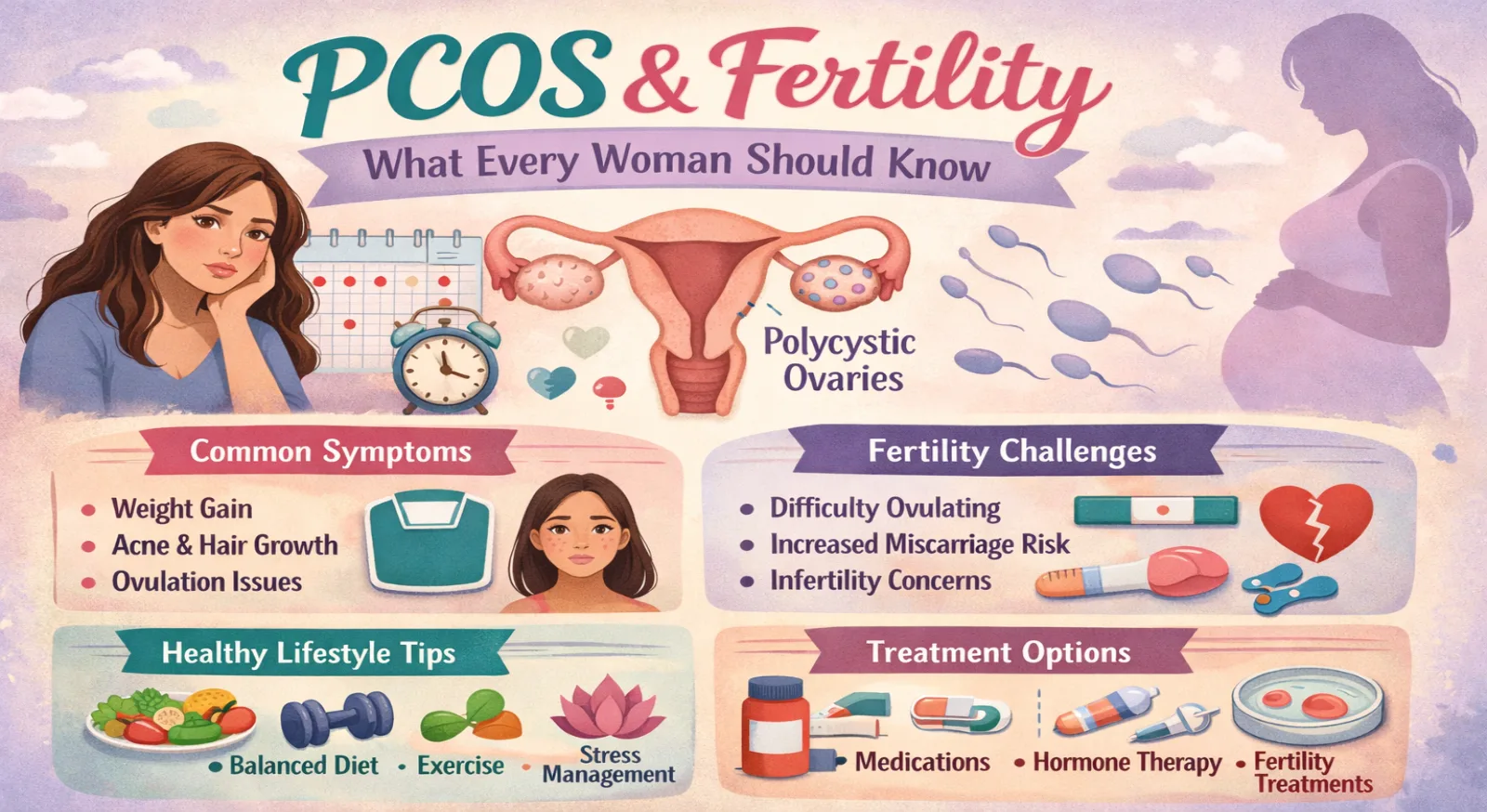
Polycystic Ovary Syndrome (PCOS) is a hormonal condition that affects how the ovaries function. It is one of the most common reasons behind irregular periods and infertility in women of reproductive age.

Women with PCOS may experience:

  • Irregular or missed periods
  • Excess facial or body hair
  • Acne or oily skin
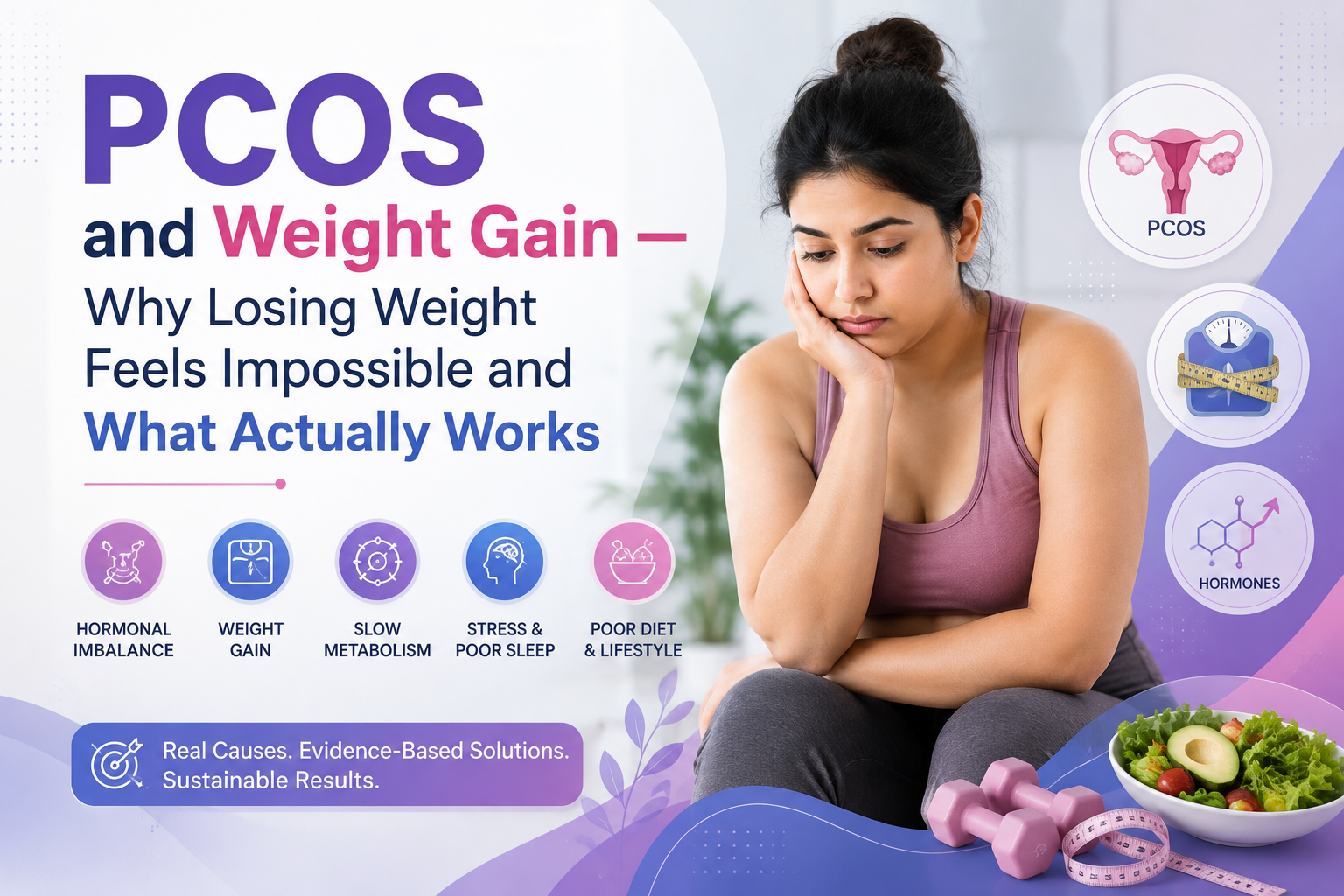
  • Weight gain or difficulty losing weight
  • Thinning hair or hair fall

While these symptoms may seem manageable on the surface, internally, PCOS can interfere with ovulation—which is key to natural conception.

How Does PCOS Affect Fertility?

To understand the connection between PCOS and fertility, it’s important to know how ovulation works.

Every month, your ovaries release an egg (ovulation), which can be fertilized. In PCOS, hormonal imbalance disrupts this process.

Here’s what happens:

  • The body produces higher levels of androgens (male hormones)
  • Eggs don’t mature properly
  • Ovulation becomes irregular or may not occur at all

This condition is often referred to as anovulation, one of the leading causes of infertility in women with PCOS.

Does PCOS Mean You Can’t Get Pregnant?

Absolutely not.

One of the biggest myths around PCOS is that it leads to permanent infertility. The truth is:

PCOS may make conception difficult, but not impossible.

With the right treatment from an experienced specialist like Dr Shweta Mendiratta, best PCOS doctor in Faridabad, many women successfully conceive—sometimes even naturally.

Signs That PCOS May Be Affecting Your Fertility

If you are trying to conceive and have PCOS, watch out for these signs:

  • Irregular menstrual cycles
  • Difficulty tracking ovulation
  • Long gaps between periods
  • Repeated failed attempts to conceive
  • Weight gain and insulin resistance

If you notice these symptoms, it’s important to consult a gynecologist in Faridabad for PCOS treatment and fertility guidance early on.

Expert Advice: How to Improve Fertility with PCOS

The good news is that PCOS-related fertility issues can often be improved with the right approach.

  1. Lifestyle Modifications (First Line of Treatment)

Simple lifestyle changes can make a huge difference:

  • Maintain a healthy weight
  • Follow a balanced, low-carb diet
  • Exercise regularly (even 30 minutes daily helps)
  • Manage stress levels

Even a 5–10% weight loss can restore ovulation in some women.

  1. Ovulation Induction Treatments

If natural ovulation doesn’t occur, doctors may prescribe medications to stimulate ovulation. These treatments are highly effective when monitored properly.

  1. Hormonal Balance & Insulin Management

PCOS is often linked to insulin resistance. Managing insulin levels through diet, medication, or supplements can improve hormonal balance and fertility.

  1. Advanced Fertility Treatments

In cases where basic treatments don’t work, options like:

  • IUI (Intrauterine Insemination)
  • IVF (In Vitro Fertilization)

may be considered. These treatments have helped many PCOS patients conceive successfully.

Emotional Impact of PCOS & Infertility

Trying to conceive with PCOS can be emotionally exhausting. There’s often anxiety, self-doubt, and pressure—especially in Indian families.

It’s important to remember:

You are not alone, and PCOS is treatable.

Having a supportive doctor who understands both the medical and emotional aspects can make all the difference.

Why Choose Dr. Shweta Mendiratta for PCOS & Fertility Treatment in Faridabad?

When dealing with something as sensitive as fertility, choosing the right doctor is crucial.

Dr. Shweta Mendiratta offers:

  • Personalized PCOS treatment plans
  • Expertise in hormonal and fertility management
  • Focus on natural conception whenever possible
  • Advanced fertility guidance when needed
  • Compassionate, patient-friendly care

Her holistic approach makes her a trusted choice for women searching for the best PCOS doctor in Faridabad or a reliable gynecologist for fertility treatment in Faridabad.

When Should You See a Doctor?

You should consult a specialist if:

  • You’ve been trying to conceive for 6–12 months without success
  • Your periods are irregular or absent
  • You have been diagnosed with PCOS
  • You notice symptoms like weight gain, acne, or excessive hair growth

Early consultation can prevent delays and improve your chances of conception.

Frequently Asked Questions (FAQs)

Q1: Can women with PCOS get pregnant naturally?

A: Yes, many women with PCOS conceive naturally, especially with lifestyle changes and proper medical guidance.

Q2: How long does it take to get pregnant with PCOS?

A: It varies from person to person. With treatment, many women conceive within a few months to a year.

Q3: Is PCOS a permanent condition?

A: PCOS cannot be completely cured, but it can be effectively managed with lifestyle changes and medical treatment.

Q4: Does weight loss really help in PCOS fertility?

A: Yes, even a small amount of weight loss can regulate hormones and improve ovulation.

Q5: Are fertility treatments necessary for all PCOS patients?

A: No, many women conceive with basic treatments and lifestyle changes. Advanced treatments are only needed in some cases.

Q6: Can PCOS cause miscarriage?

A: PCOS may slightly increase the risk, but with proper care and monitoring, many women have healthy pregnancies.

Q7: What is the best treatment for PCOS-related infertility?

A: The best treatment depends on individual health, but a combination of lifestyle changes, medications, and expert guidance works best.

Conclusion

PCOS can affect fertility, but it doesn’t take away your chance of becoming a mother. With early diagnosis, the right treatment, and a supportive healthcare provider, managing PCOS and achieving pregnancy is absolutely possible.

If you’re struggling with irregular periods or difficulty conceiving, consulting an experienced specialist like Dr Shweta Mendiratta, a leading gynecologist in Faridabad, can help you take the right steps toward a healthy pregnancy.

Remember—your journey may be different, but your dream is still within reach.

PCOS Awareness: Symptoms, Causes & Treatment Options in Faridabad

Polycystic Ovary Syndrome (PCOS) is a common hormonal disorder affecting women of reproductive age. The condition affects approximately 1 in 10 women globally and is a leading cause of infertility. While PCOS is manageable, early diagnosis and treatment are crucial to alleviate symptoms and prevent long-term health complications. Dr. Shweta Mendiratta, the best PCOS doctor in Faridabad, specializes in providing personalized care to women dealing with this condition, offering effective treatment options and guidance for managing symptoms.

What is PCOS?

Polycystic Ovary Syndrome occurs when the ovaries produce an excessive amount of male hormones (androgens), which disrupt the normal ovulation process. This hormonal imbalance can cause various symptoms, including irregular periods, excessive hair growth, acne, and cysts on the ovaries. While the exact cause of PCOS remains unclear, genetics, insulin resistance, and inflammation are believed to play a role in the development of the condition.

Common Symptoms of PCOS

  1. Irregular Periods: One of the most common symptoms is infrequent or irregular menstrual cycles. Women with PCOS may have periods less than 9 times a year or may miss periods altogether.
  2. Excessive Hair Growth (Hirsutism): Elevated levels of male hormones can lead to excessive hair growth on the face, chest, back, and abdomen, a condition known as hirsutism.
  3. Acne and Oily Skin: Hormonal imbalance often leads to acne, especially on the face, chest, and upper back, along with an increase in oiliness of the skin.
  4. Ovarian Cysts: Polycystic Ovary Syndrome is characterized by the presence of multiple small cysts on the ovaries, visible through ultrasound. These cysts can interfere with normal ovulation, leading to infertility.
  5. Weight Gain and Difficulty Losing Weight: Many women with PCOS struggle with weight gain or difficulty in losing weight, primarily due to insulin resistance, which leads to increased fat storage.
  6. Thinning Hair: Another symptom is thinning or loss of hair on the scalp, a condition called androgenic alopecia, which is often associated with elevated male hormones.

Causes of PCOS

  • Genetics: PCOS tends to run in families, suggesting a genetic link. Women with a mother or sister who has PCOS are more likely to develop the condition.
  • Insulin Resistance: Many women with PCOS have insulin resistance, where the body’s cells do not respond properly to insulin. This can lead to increased insulin levels, which may stimulate the ovaries to produce more androgens.
  • Inflammation: High levels of inflammation in the body can also contribute to hormonal imbalance and worsen symptoms of PCOS.

Treatment Options for PCOS

While there is no cure for Polycystic Ovary Syndrome, there are several treatment options available to manage the symptoms and reduce the risk of associated health issues, such as diabetes and heart disease.

  1. Medications for Regulating Periods: Birth control pills or hormone therapy are commonly prescribed to regulate menstrual cycles, reduce androgen levels, and control acne and excessive hair growth.
  2. Insulin-Sensitizing Medications: For women with insulin resistance, medications like Metformin can help improve insulin sensitivity and may assist with weight management.
  3. Hair Removal Treatments: For excessive hair growth, options such as laser hair removal or electrolysis can provide long-term solutions.
  4. Fertility Treatments: If infertility is a concern, medications like Clomiphene Citrate are used to stimulate ovulation. In some cases, IVF (In Vitro Fertilization) may be recommended.
  5. Lifestyle Changes: A healthy diet and regular exercise are essential in managing PCOS. Losing even a small amount of weight can help regulate menstrual cycles, improve insulin sensitivity, and reduce the risk of diabetes.
  6. Surgical Options: In severe cases, ovarian drilling (a procedure that destroys parts of the ovary to reduce androgen production) may be recommended.

Conclusion

Polycystic Ovary Syndrome is a complex condition that can affect many aspects of a woman’s life, from menstrual cycles to fertility and overall health. However, with the right care and treatment, women with PCOS can manage their symptoms effectively and live a healthy, fulfilling life. Dr. Shweta Mendiratta, the best PCOS doctor in Faridabad, offers expert care for women with PCOS, providing a comprehensive approach to treatment that includes medication, lifestyle changes, and emotional support.

If you’re experiencing symptoms of PCOS or have concerns about your reproductive health, don’t hesitate to consult Dr. Shweta Mendiratta for personalized advice and treatment options. Early intervention can make a significant difference in managing PCOS and improving your quality of life.

Book an appointment today and take the first step toward better health!

Polycystic Ovary Syndrome (PCOS): Symptoms, Diagnosis, and Lifestyle Changes

Polycystic Ovary Syndrome (PCOS) is a common hormonal disorder that affects women of reproductive age. Characterized by a range of symptoms, PCOS can significantly impact a woman’s quality of life. Understanding the symptoms, getting a proper diagnosis, and implementing lifestyle changes are crucial steps in managing this condition effectively. Dr. Shweta Mendiratta is renowned as the Best PCOS doctor in Faridabad, providing expert PCOS treatment and support.

Symptoms of PCOS

PCOS manifests through various symptoms that can vary in severity. Common symptoms include:

  1. Irregular Menstrual Cycles: Women with Polycystic Ovary Syndrome (PCOS) often experience irregular or absent periods, which can make it challenging to predict ovulation and manage reproductive health.
  2. Excess Androgen Levels: Elevated levels of male hormones (androgens) can lead to symptoms such as excessive facial or body hair (hirsutism), acne, and oily skin.
  3. Polycystic Ovaries: As the name suggests, PCOS is characterized by the presence of multiple small cysts on the ovaries, which can be detected through ultrasound imaging.
  4. Weight Gain: Many women with PCOS struggle with weight gain or obesity, which can exacerbate other symptoms and contribute to metabolic issues.
  5. Infertility: PCOS can affect ovulation, making it one of the leading causes of female infertility. Women with PCOS may have difficulty conceiving without appropriate medical intervention.
  6. Thin Hair on Scalp: Some women with PCOS experience thinning hair on the scalp, which can be distressing and impact self-esteem.

Diagnosis of PCOS

Diagnosing PCOS involves a combination of medical history, physical examination, and diagnostic tests. A thorough evaluation by a specialist, such as Dr. Shweta Mendiratta, the Best Gynecologist in Faridabad, is essential for an accurate diagnosis. The diagnostic process typically includes:

  1. Medical History and Symptoms Review: The doctor will discuss your symptoms, menstrual history, and any other relevant health information.
  2. Physical Examination: A physical exam may be conducted to check for signs of hirsutism, acne, or weight issues.
  3. Blood Tests: Hormonal levels are assessed through blood tests to check for elevated androgens and other markers that may indicate PCOS.
  4. Ultrasound: A pelvic ultrasound is often used to identify the presence of cysts on the ovaries, which is a key diagnostic criterion for PCOS.

Lifestyle Changes for Managing PCOS

While there is no cure for PCOS, lifestyle changes can play a significant role in managing symptoms and improving overall health. Here are some effective strategies:

  1. Healthy Diet: Adopting a balanced diet rich in whole foods, fruits, vegetables, lean proteins, and whole grains can help manage weight and improve insulin sensitivity. Reducing refined sugars and processed foods is particularly beneficial.
  2. Regular Exercise: Engaging in regular physical activity, such as walking, swimming, or strength training, can help manage weight, reduce insulin resistance, and improve mood.
  3. Weight Management: Maintaining a healthy weight is crucial for managing PCOS symptoms. Even a modest weight loss can improve menstrual regularity and insulin sensitivity.
  4. Stress Management: Stress can exacerbate PCOS symptoms. Practices such as yoga, meditation, and relaxation techniques can help manage stress levels and support overall well-being.
  5. Medication: In some cases, medications may be prescribed to manage specific symptoms of PCOS, such as hormonal imbalances, insulin resistance, or infertility. It’s essential to follow the treatment plan recommended by your healthcare provider.
  6. Regular Medical Check-Ups: Regular visits to a gynecologist, like Dr. Shweta Mendiratta, who is known as one of the Top Gynaecologists in Faridabad, are important for monitoring and managing PCOS. These check-ups can help track progress, adjust treatment plans, and address any new concerns.

Why Choose Dr. Shweta Mendiratta for PCOS Treatment in Faridabad

Dr. Shweta Mendiratta stands out as one of the Best Doctors for PCOS in Faridabad due to her comprehensive approach to diagnosis and treatment. Her expertise in managing PCOS includes:

  • Personalized Treatment Plans: Dr. Mendiratta provides tailored treatment plans based on individual patient needs, ensuring effective management of symptoms and overall health improvement.
  • Expert Guidance: As a leading gynecologist, Dr. Mendiratta offers expert advice on lifestyle changes, medication options, and other interventions to help manage PCOS effectively.
  • Compassionate Care: Her compassionate approach ensures that patients receive the support and understanding they need throughout their treatment journey.

If you’re seeking the Best Gynaecologist in Faridabad for PCOS management, Dr. Shweta Mendiratta offers the expertise and personalized care you need. With a focus on holistic health and effective treatment strategies, she is dedicated to helping patients achieve their health goals and improve their quality of life.

Conclusion

Managing Polycystic Ovary Syndrome (PCOS) requires a comprehensive approach that includes recognizing symptoms, obtaining an accurate diagnosis, and making informed lifestyle changes. Consulting with a specialist like Dr. Shweta Mendiratta, one of the Best Doctors for PCOS in Faridabad, can provide valuable support and guidance throughout your journey. By adopting a healthy lifestyle and following a personalized treatment plan, you can effectively manage PCOS and enhance your overall well-being.