
Adenomyosis vs Endometriosis — What’s the Difference and How Are They Treated?

Adenomyosis and endometriosis are two of the most commonly confused gynaecological conditions — and understandably so. Both involve endometrial-type tissue growing where it shouldn’t. Both cause painful periods and heavy bleeding. And both can have a profound impact on fertility and quality of life. But they are not the same condition, and their treatment differs significantly. Dr. Shweta Mendiratta, best gynecologist in Faridabad, and minimal-access surgeon in Faridabad, explains the key differences.

Understanding Endometriosis

In endometriosis, tissue similar to the uterine lining grows outside the uterus — on the ovaries (forming cysts called endometriomas), fallopian tubes, bowel, bladder, and peritoneum. Each month, this tissue responds to hormonal signals, swells, and bleeds, causing inflammation and eventually scarring and adhesions within the pelvic cavity.

Understanding Adenomyosis

In adenomyosis, the endometrial-type tissue infiltrates into the muscular wall of the uterus itself (the myometrium). The uterus becomes enlarged and ‘boggy,’ and the muscular wall thickens and loses its normal architecture. As with endometriosis, this misplaced tissue bleeds with each cycle — but internally within the uterine wall, causing the uterus to become swollen and painful.

Adenomyosis is more common in women in their late 30s to 40s, particularly those who have had pregnancies, though it can also affect younger women. It is estimated to affect 20–35% of women of reproductive age.

Comparing the Two Conditions

Location

  • Endometriosis: Outside the uterus (ovaries, tubes, peritoneum, bowel, bladder)
  • Adenomyosis: Inside the uterine muscle wall

Typical Age of Onset

  • Endometriosis: Often begins in the teens or early twenties
  • Adenomyosis: More common in women 35–50, though increasingly diagnosed in younger women

Primary Symptoms

  • Endometriosis: Painful periods, pain during sex, pain with bowel movements, infertility
  • Adenomyosis: Heavy, prolonged periods; severe cramps; enlarged, tender uterus; pelvic pressure

Diagnosis

  • Endometriosis: Requires laparoscopy for definitive diagnosis; ultrasound/MRI may suggest it
  • Adenomyosis: Transvaginal ultrasound and MRI can diagnose it; no surgery typically required for diagnosis

Relationship to Fertility

  • Endometriosis: Strongly associated with infertility; adhesions and damaged tubes impair conception
  • Adenomyosis: Can impair implantation and increase miscarriage risk; effect on natural conception varies

Can You Have Both?

Yes — and this is quite common. Studies suggest that 20–50% of women with endometriosis also have adenomyosis. When both conditions are present simultaneously, symptoms are often more severe and treatment must address both.

Treatment Approaches

Medical Treatment

Both conditions respond to hormonal suppression:

  • Combined oral contraceptive pills to reduce the severity of monthly bleeding
  • Progestin-only therapy (norethisterone, dienogest) to suppress endometrial tissue growth
  • GnRH analogues (such as leuprolide) to induce temporary medical menopause and shrink deposits
  • Levonorgestrel-releasing IUS (Mirena) — particularly effective for adenomyosis

Medical treatment controls symptoms but does not eliminate the underlying tissue. Symptoms typically return when medication is stopped.

Surgical Treatment — Endometriosis

Laparoscopic excision is the gold standard for endometriosis. Dr. Shweta Mendiratta performs minimally invasive excision of endometrial deposits and endometriomas with careful preservation of ovarian tissue. In cases of deep infiltrating endometriosis involving the bowel or bladder, multidisciplinary surgical planning is essential.

Surgical Treatment — Adenomyosis

Adenomyosis is more challenging to treat surgically because the tissue is embedded within the uterine muscle rather than on its surface. Options include:

  • Endometrial ablation: Destroys the uterine lining; suitable only for women who have completed their families
  • Adenomyomectomy: Surgical removal of adenomyosis deposits — technically demanding but possible in skilled hands for women who wish to preserve fertility
  • Hysterectomy: The definitive cure for adenomyosis; appropriate when symptoms are severe and family is complete

Dr. Mendiratta performs robotic and laparoscopic hysterectomy for adenomyosis with minimal blood loss, shorter hospital stay, and faster recovery compared to open surgery.

Frequently Asked Questions (FAQs)

Q1. How do I know if I have adenomyosis or endometriosis?

Only a specialist can differentiate between the two based on your symptoms, examination, and imaging. In many women, both conditions coexist. Please seek specialist evaluation rather than trying to self-diagnose.

Q2. Is adenomyosis serious?

Adenomyosis is not cancerous and does not spread, but it can cause significant quality-of-life impairment through heavy bleeding, severe pain, and — in some cases — difficulty conceiving. It should be taken seriously and treated appropriately.

Q3. Can adenomyosis be treated without hysterectomy?

Yes, particularly in women who wish to preserve fertility or prefer to avoid surgery. Hormonal therapies including the Mirena IUS are often effective. Adenomyomectomy is possible in selected cases. Discuss all options with your gynaecologist.

Q4. Does endometriosis cause cancer?

Endometriosis itself is not cancer, but women with endometriosis have a slightly higher risk of certain ovarian cancers (particularly clear cell and endometrioid subtypes). Regular monitoring is advisable.

Q5. I have been told my uterus is bulky — does that mean I have adenomyosis?

A ‘bulky uterus’ on ultrasound is a common finding that can be caused by adenomyosis, fibroids, or simply a slightly larger-than-average normal uterus. Further imaging (particularly MRI) may be needed to distinguish between these causes.


Get In Touch With Dr. Shweta Mendiratta

Phone: +91-8130048652 | +91-9999093503

Email: shwetasmendiratta@gmail.com

Yatharth Super Speciality Hospital

Plot No 9, Sector-20, Krishna Nagar, New Industrial Township, Faridabad, Haryana 121007

Phone: +91 8178-939442

Mediclub Gynae ‘N’ Neuro Clinic

Pilot No. 857 Sector 21 C, Faridabad Delhi, Haryana 121001

Endometriosis Symptoms That Women in India Are Ignoring — and Why It Matters

Endometriosis affects an estimated 1 in 10 women of reproductive age worldwide — yet in India, the average woman waits 7 to 10 years between her first symptom and a confirmed diagnosis. This delay is not simply a medical failing; it is a cultural one. Pain is normalised. Suffering is expected. Women are told to ‘manage’ their periods, to have a baby and ‘it will get better,’ or that their pain is psychological. Dr. Shweta Mendiratta, endometriosis specialist in Faridabad, is here to challenge every one of those myths.

What Is Endometriosis?

Endometriosis is a condition in which tissue similar to the lining of the uterus (endometrium) grows outside the uterus — on the ovaries, fallopian tubes, bladder, bowel, and other pelvic structures. This tissue behaves like uterine lining: it thickens and bleeds with every menstrual cycle. But because the blood has nowhere to go, it causes inflammation, scarring, and the formation of adhesions (bands of fibrous tissue that bind organs together).

Over time, endometriosis can cause chronic pain, distorted pelvic anatomy, damaged fallopian tubes, and impaired egg quality — all of which contribute to infertility.

The Symptoms Most Women Dismiss

  1. Painful Periods (Dysmenorrhoea)

Period pain that requires you to miss school, work, or social events is not normal. Normal periods may cause mild cramping that responds to a painkiller. Endometriosis-related pain is often severe, starts before bleeding begins, and persists throughout the period — sometimes radiating to the back or legs.

  1. Pain During or After Sex (Dyspareunia)

Deep pain during sexual intercourse, particularly in certain positions, is a classic endometriosis symptom that many women are too embarrassed to mention. This pain typically occurs when endometrial deposits are present on the uterosacral ligaments or in the pouch of Douglas (the space behind the uterus).

  1. Painful Bowel Movements or Urination

If you experience pain when opening your bowels or passing urine — particularly during your period — endometriosis may have spread to the bowel or bladder. Many women with this symptom are first sent to a gastroenterologist and spend years being treated for irritable bowel syndrome (IBS) before endometriosis is considered.

  1. Chronic Pelvic Pain

Unlike period pain, chronic pelvic pain is present throughout the month — not just during menstruation. Women often describe it as a dull ache, pressure, or a feeling of heaviness in the lower pelvis. This is frequently dismissed as ‘stress’ or ‘anxiety’ and goes uninvestigated for years.

  1. Heavy Periods

While not always present, many women with endometriosis experience heavier-than-normal periods, sometimes with clots. If you are changing pads or tampons every one to two hours, this warrants medical evaluation.

  1. Bloating and Gastrointestinal Symptoms

‘Endo belly’ — severe abdominal bloating associated with endometriosis — can be so pronounced that some women look visibly pregnant during their cycle. Nausea, diarrhoea, and constipation around the period are also common and frequently misattributed to IBS.

  1. Infertility

Up to 40% of women with infertility have endometriosis as an underlying cause — and in many cases, infertility is the first symptom that prompts investigation. Endometriosis impairs fertility through multiple mechanisms: distorted anatomy, blocked tubes, toxic peritoneal fluid, and impaired embryo implantation.

Why the Diagnostic Delay in India Is So Dangerous

Every year without treatment, endometriosis can progress. Deposits grow larger, adhesions become more extensive, and the damage to reproductive organs becomes more difficult to reverse. Women who might have had a straightforward laparoscopic excision at stage 1 or 2 may find themselves facing complex surgery involving the bowel or bladder by the time they receive a diagnosis at stage 3 or 4.

Beyond fertility, untreated endometriosis imposes a profound quality-of-life burden. Chronic pain affects productivity, relationships, mental health, and overall wellbeing. The economic cost of untreated endometriosis in India — in terms of lost working days, healthcare visits, and failed fertility treatments — is enormous.

How Is Endometriosis Diagnosed?

The definitive diagnosis of endometriosis is made by laparoscopy — a minimally invasive surgical procedure in which a camera is inserted through a small incision to directly visualise and biopsy endometrial deposits. However, a clinical diagnosis can often be suspected on the basis of:

  • Symptom history and pattern
  • Pelvic examination (tenderness, nodularity, fixed uterus)
  • Transvaginal ultrasound (especially for ovarian endometriomas)
  • MRI (particularly for deep infiltrating endometriosis)

Dr. Shweta Mendiratta uses a combination of clinical assessment and imaging to guide surgical planning, ensuring that each procedure is targeted and minimally disruptive.

Treatment of Endometriosis

Treatment depends on the severity of disease, your symptoms, and your fertility goals:

  • Medical management: Hormonal therapies (combined OCPs, progestins, GnRH analogues) to suppress the growth of endometrial deposits
  • Laparoscopic excision: Surgical removal of endometrial deposits, cysts (endometriomas), and adhesions — the gold standard for improving both pain and fertility
  • Fertility-preserving surgery: Dr. Mendiratta specialises in excising endometriosis while protecting the ovaries and tubes
  • Post-operative medical therapy: To suppress recurrence after surgery

Frequently Asked Questions (FAQs)

Q1. Can endometriosis be confirmed by a blood test?

There is no definitive blood test for endometriosis. CA-125 may be elevated but is not specific. Definitive diagnosis requires laparoscopy.

Q2. Will pregnancy cure my endometriosis?

Pregnancy may temporarily suppress endometriosis symptoms, but it does not cure the condition. Symptoms typically return after delivery and breastfeeding end.

Q3. Can I still get pregnant if I have endometriosis?

Yes. Many women with endometriosis conceive — either naturally or with treatment. Early diagnosis and appropriate surgical management significantly improve fertility outcomes.

Q4. Does endometriosis always cause pain?

No. Some women with severe endometriosis have minimal or no pain, while others with mild disease experience debilitating symptoms. The degree of pain does not correlate with the extent of disease.

Q5. How do I know if my period pain is ‘endometriosis level’ pain?

If your pain is not controlled by standard over-the-counter painkillers, interferes with daily functioning, or is accompanied by the other symptoms described in this article, you should seek specialist evaluation.


Get In Touch With Dr. Shweta Mendiratta

Phone: +91-8130048652 | +91-9999093503

Email: shwetasmendiratta@gmail.com

Yatharth Super Speciality Hospital

Plot No 9, Sector-20, Krishna Nagar, New Industrial Township, Faridabad, Haryana 121007

Phone: +91 8178-939442

Mediclub Gynae ‘N’ Neuro Clinic

Pilot No. 857 Sector 21 C, Faridabad Delhi, Haryana 121001

PCOS Treatment in Faridabad — Your Complete Guide by Dr. Shweta Mendiratta

Polycystic Ovary Syndrome (PCOS) is one of the most common hormonal disorders affecting women of reproductive age — and yet it remains one of the most misunderstood and undertreated conditions in India. If you live in Faridabad or the surrounding NCR region and are searching for reliable PCOS treatment, this guide by Dr. Shweta Mendiratta, senior gynaecologist and laparoscopic surgeon, will walk you through everything you need to know — from recognising PCOS to getting the most effective treatment available near you.

What Is PCOS?

Polycystic Ovary Syndrome is a hormonal disorder in which the ovaries produce an excess of androgens (male hormones), which interferes with the regular development and release of eggs. The name refers to the many small cysts (fluid-filled sacs) that can form on the ovaries — though not every woman with PCOS has visible cysts.

PCOS affects approximately 1 in 5 women in India, making it far more prevalent than commonly assumed. It can begin as early as the first menstrual period and continue well into the perimenopausal years.

How Do You Know If You Have PCOS?

PCOS presents differently in every woman. Common symptoms include:

  • Irregular or missing periods (fewer than 8 cycles per year)
  • Excess facial or body hair (hirsutism)
  • Acne, particularly on the jaw and chin
  • Hair thinning or scalp hair loss
  • Weight gain, especially around the abdomen
  • Difficulty getting pregnant
  • Darkened skin patches (acanthosis nigricans) around the neck or underarms
  • Mood swings, anxiety, or depression

A diagnosis of PCOS typically requires at least two of the three Rotterdam criteria: irregular ovulation, elevated androgens, and polycystic ovaries on ultrasound.

Why Is PCOS So Often Misdiagnosed or Dismissed?

Many women in Faridabad and across India are told that irregular periods are ‘normal’ or that their symptoms will resolve after marriage or pregnancy. This is medically inaccurate and harmful. PCOS is a metabolic and hormonal condition that requires proper evaluation and long-term management. Leaving it untreated raises the risk of type 2 diabetes, infertility, heart disease, endometrial cancer, and depression.

How Is PCOS Diagnosed?

Dr. Shweta Mendiratta follows a comprehensive diagnostic approach:

  • Detailed menstrual and medical history
  • Physical examination including BMI, blood pressure, and skin assessment
  • Pelvic ultrasound to evaluate ovarian morphology
  • Hormonal blood tests: FSH, LH, testosterone, DHEAS, prolactin, thyroid function
  • Fasting glucose and insulin levels
  • Lipid profile

This thorough workup ensures that your PCOS diagnosis is accurate and that any overlapping conditions (such as thyroid disease or hyperprolactinaemia) are not missed.

PCOS Treatment Options in Faridabad

  1. Lifestyle Modification

Lifestyle changes are the first-line treatment for PCOS, particularly for women with weight-related symptoms. Even a 5–10% reduction in body weight can restore menstrual regularity, improve insulin sensitivity, and reduce androgen levels significantly.

  1. Medications

Depending on your dominant symptoms and goals, Dr. Mendiratta may recommend:

  • Oral contraceptive pills (OCPs) — to regulate periods and reduce androgens
  • Metformin — to improve insulin resistance and support weight management
  • Anti-androgens such as spironolactone — for acne and hirsutism
  • Clomiphene citrate or letrozole — for women trying to conceive
  • Progesterone therapy — to induce withdrawal bleeds and protect the uterine lining
  1. Fertility Treatment

For women with PCOS who are trying to conceive, Dr. Mendiratta offers ovulation induction with close monitoring, intrauterine insemination (IUI) coordination, and referral for IVF when needed. PCOS is the leading cause of anovulatory infertility, and most women with PCOS can conceive with the right treatment.

  1. Long-Term Monitoring

Because PCOS is a lifelong condition, regular monitoring of blood sugar, lipids, blood pressure, and endometrial health is important. Dr. Mendiratta provides structured follow-up care to help women manage PCOS through every life stage.

Why Choose Dr. Shweta Mendiratta for PCOS in Faridabad?

  • Over a decade of experience in gynaecology and women’s endocrinology
  • Subspecialty expertise in laparoscopic and robotic surgery
  • Evidence-based, personalised treatment protocols
  • Holistic approach addressing metabolic, hormonal, and emotional wellbeing
  • Consultations available at two convenient Faridabad locations

Frequently Asked Questions (FAQs)

Q1. Can PCOS be cured permanently?

PCOS cannot be ‘cured’ in the traditional sense, but it can be effectively managed. With the right treatment plan, most women with PCOS live symptom-free and can conceive naturally or with minimal intervention.

Q2. Is PCOS hereditary?

Yes, PCOS has a genetic component. If your mother or sister has PCOS, you are at higher risk. However, lifestyle choices significantly influence whether or how severely PCOS manifests.

Q3. Can a teenager have PCOS?

Yes. PCOS can be diagnosed in adolescents, though the criteria are slightly different since irregular periods are common in the first few years after puberty. If your daughter has significant acne, excess hair, weight gain, or very irregular cycles, she should be evaluated.

Q4. Will I need surgery for PCOS?

Most PCOS cases are managed without surgery. In rare cases where medication has failed to stimulate ovulation, a laparoscopic procedure called ovarian drilling may be considered. Dr. Mendiratta will discuss all options with you before recommending any procedure.

Q5. How do I book an appointment with Dr. Shweta Mendiratta in Faridabad?

You can call +91-8130048652 or +91-9999093503 or visit the clinic at Yatharth Super Speciality Hospital, Sector 20, Faridabad.


Get In Touch With Dr. Shweta Mendiratta

Phone: +91-8130048652 | +91-9999093503

Email: shwetasmendiratta@gmail.com

Yatharth Super Speciality Hospital

Plot No 9, Sector-20, Krishna Nagar, New Industrial Township, Faridabad, Haryana 121007

Phone: +91 8178-939442

Mediclub Gynae ‘N’ Neuro Clinic

Pilot No. 857 Sector 21 C, Faridabad Delhi, Haryana 121001

Why Regular Gynec Checkups Are Important for Every Woman

Let’s be real—most women don’t visit a gynecologist unless something feels wrong. If there’s no pain, no visible issue, or no immediate concern, it’s easy to push that appointment aside. Life gets busy, priorities shift, and somehow, our own health takes a back seat.

But here’s the truth: you don’t need to wait for symptoms to take care of your health. In fact, some of the most serious gynecological conditions begin silently, without obvious signs.

According to Dr Shweta Mendiratta, regular gynec checkups are not just about treating problems—they are about preventing them before they even start.

What is a Gynec Checkup?

A gynecological checkup is a routine health examination focused on a woman’s reproductive system. It typically includes:

  • Discussion about menstrual cycle and symptoms
  • Physical examination
  • Pap smear (if required)
  • Breast examination
  • Screening for infections or hormonal issues

These checkups are simple, quick, and can give you valuable insights into your overall health.

Why Are Regular Gynec Checkups So Important?

Let’s break it down in a way that actually makes sense for everyday life.

  1. Early Detection of Health Issues

Many conditions like PCOS, fibroids, infections, and even cervical cancer may not show symptoms in the early stages.

Regular visits to a gynecologist in Faridabad can help detect these issues early, when they are easier to treat.

Think of it like this—would you rather catch a problem early or deal with complications later?

  1. Better Menstrual Health

Irregular periods, heavy bleeding, or painful cramps are often ignored or normalized. But they could be signs of underlying hormonal imbalances.

A routine checkup helps:

  • Track menstrual health
  • Identify irregularities
  • Manage conditions like PCOS or thyroid issues

Women looking for the best gynecologist in Faridabad for irregular periods often realize the importance of checkups only after symptoms worsen.

  1. Prevention of Serious Conditions

Preventive care is one of the biggest advantages of regular checkups.

Tests like:

  • Pap smear
  • HPV screening
  • Breast examination

…can help detect early signs of serious conditions like cervical or breast cancer. Early detection can be life-saving.

  1. Guidance for Different Life Stages

A woman’s body goes through several changes—puberty, pregnancy, postpartum, and menopause. Each stage comes with its own challenges.

Regular visits to the top gynecologist in Faridabad ensure you get the right guidance at every stage of life.

  1. Pregnancy Planning & Care

If you’re planning to conceive, a pre-pregnancy checkup is extremely important.

It helps:

  • Assess your overall health
  • Identify potential risks
  • Prepare your body for pregnancy

Similarly, during pregnancy, regular checkups ensure the health of both mother and baby.

  1. Managing Hormonal Imbalances

Hormones affect everything—from your mood to your metabolism.

Symptoms like:

  • Acne
  • Weight gain
  • Hair fall
  • Mood swings

…can often be linked to hormonal imbalance. A routine visit to a women’s health specialist in Faridabad can help diagnose and manage these issues effectively.

  1. Sexual & Reproductive Health Awareness

Many women feel uncomfortable discussing intimate health concerns. But ignoring them can lead to bigger problems.

Gynec checkups provide a safe space to discuss:

  • Vaginal infections
  • Contraception options
  • Sexual health concerns

Having open conversations with a trusted doctor makes a huge difference.

  1. Peace of Mind

Sometimes, the biggest benefit of a checkup is reassurance.

Knowing that everything is normal gives you confidence and reduces unnecessary anxiety. And if something isn’t right, you can address it early.

How Often Should You Visit a Gynecologist?

  • Teenagers/Young Women: Once every 1–2 years or as needed
  • Reproductive Age: Once a year (annual checkup)
  • Pregnant Women: As per doctor’s schedule
  • Menopause: Regular monitoring for hormonal changes

Even if you feel perfectly healthy, an annual visit to a gynecologist in Faridabad is highly recommended.

Signs You Shouldn’t Ignore

While routine checkups are important, some symptoms require immediate attention:

  • Irregular or missed periods
  • Severe pelvic pain
  • Unusual vaginal discharge
  • Bleeding between periods
  • Difficulty conceiving

If you notice any of these, don’t wait for your next checkup—consult a specialist immediately.

Breaking the Myth: “I’m Fine, So I Don’t Need a Checkup”

This is one of the most common misconceptions.

Many gynecological conditions develop silently. By the time symptoms appear, the condition may already be advanced.

Regular checkups are about staying one step ahead of potential problems.

Why Choose Dr. Shweta Mendiratta?

When it comes to something as personal as women’s health, you need a doctor you can trust.

Dr. Shweta Mendiratta is known as the top gynecologist in Faridabad for her:

  • Patient-friendly and approachable nature
  • Expertise in managing a wide range of gynecological conditions
  • Focus on preventive care and early diagnosis
  • Personalized treatment approach

Her goal is not just to treat illnesses but to help women maintain long-term health and confidence.

Frequently Asked Questions (FAQs)

Q1: How often should I go for a gynec checkup?

A: Ideally once a year, even if you don’t have any symptoms.

Q2: Are gynec checkups painful?

A: Most checkups are simple and painless. Some tests may cause mild discomfort but are generally quick.

Q3: Do I need a checkup if I have regular periods?

A: Yes, regular periods don’t always mean everything is normal internally.

Q4: What is a Pap smear and when should I get it?

A: It’s a screening test for cervical cancer, usually recommended after the age of 21 or as advised by your doctor.

Q5: Can I visit a gynecologist if I’m not pregnant?

A: Absolutely. Gynecologists handle overall women’s health, not just pregnancy.

Q6: What should I expect during my first visit?

A: Your doctor will discuss your health history, symptoms, and may perform basic examinations if needed.

Q7: Is it necessary to consult a gynecologist before planning pregnancy?

A: Yes, a pre-pregnancy checkup helps ensure a healthy start for both mother and baby.

Conclusion

Your health deserves attention—not just when something goes wrong, but even when everything feels right. Regular gynec checkups are a simple yet powerful way to stay informed, prevent diseases, and take control of your well-being.

Consulting an experienced expert like Dr Shweta Mendiratta, a leading gynecologist in Faridabad, ensures you receive the right guidance, care, and support at every stage of life.

Because when you take care of your health today, you’re investing in a healthier tomorrow.

Top Signs You Need to Visit a Gynecologist Immediately

Let’s be honest—most women tend to ignore early symptoms when it comes to their health. Whether it’s irregular periods, unusual discomfort, or something that just “doesn’t feel right,” we often delay visiting a doctor, hoping it will resolve on its own.

But when it comes to reproductive and hormonal health, ignoring symptoms can sometimes make things worse. Knowing when to seek medical help is crucial. According to Dr Shweta Mendiratta, early diagnosis and timely treatment can prevent minor issues from turning into serious conditions.

Why You Shouldn’t Ignore Gynecological Symptoms

Your body always gives signals when something is wrong. The problem is, many of these signs are subtle at first. Delaying care can lead to complications like infections, hormonal imbalances, or even fertility issues.

If you’ve been searching for the best gynecologist in Faridabad, chances are you’re already concerned about something—and that’s a good first step.

Top Signs You Should See a Gynecologist Immediately

Here are some important symptoms you should never ignore:

  1. Irregular Periods

While occasional cycle changes are normal, consistently irregular periods are not.

You should consult a doctor if:

  • Your periods are delayed frequently
  • You skip cycles
  • Your cycle length changes drastically

This could indicate conditions like PCOS, thyroid imbalance, or hormonal disorders. Early treatment from a gynecologist in Faridabad for irregular periods can help regulate your cycle.

  1. Heavy or Painful Periods

Severe cramps or excessive bleeding are often brushed off as “normal,” but they shouldn’t be ignored.

Warning signs include:

  • Bleeding that lasts more than 7 days
  • Changing pads every hour
  • Severe pain affecting daily activities

These could be signs of fibroids, endometriosis, or infections.

  1. Unusual Vaginal Discharge

A change in vaginal discharge can be an early sign of infection.

Watch out for:

  • Strong or foul odor
  • Yellow, green, or grey color
  • Itching or irritation

These symptoms may indicate bacterial infections, fungal infections, or sexually transmitted infections (STIs). Immediate consultation is important for proper treatment.

  1. Persistent Pelvic Pain

Ongoing pain in the lower abdomen or pelvic area is not something to ignore.

Possible causes include:

  • Ovarian cysts
  • Endometriosis
  • Pelvic inflammatory disease (PID)

If the pain is severe or recurring, it’s best to consult the best gynecologist in Faridabad for women’s health issues.

  1. Bleeding Between Periods or After Intercourse

This is one of the most important warning signs.

It may be linked to:

  • Hormonal imbalance
  • Cervical issues
  • Infections
  • In rare cases, precancerous changes

Even if it happens once, it’s better to get it checked.

  1. Difficulty in Conceiving

If you’ve been trying to conceive for:

  • 12 months (if under 35)
  • 6 months (if above 35)

…it’s time to consult a specialist.

Issues like PCOS, ovulation problems, or blocked fallopian tubes may be affecting fertility. Early intervention improves your chances significantly.

  1. Severe PMS or Mood Changes

Mood swings, irritability, or anxiety before periods are common—but if they interfere with your daily life, it may indicate Premenstrual Dysphoric Disorder (PMDD) or hormonal imbalance.

A doctor can help manage these symptoms effectively.

  1. Sudden Changes in Breast Health

Don’t ignore:

  • Lumps in the breast
  • Nipple discharge
  • Skin changes

While not all lumps are serious, it’s always safer to get them evaluated early.

  1. Pain During Intercourse

Pain during or after intercourse is not normal and should not be ignored.

Possible causes include:

  • Vaginal infections
  • Hormonal dryness
  • Endometriosis

Consulting a gynecologist in Faridabad for women’s intimate health can help identify and treat the underlying issue.

  1. Symptoms During Pregnancy

If you’re pregnant, immediate medical attention is needed if you experience:

  • Bleeding or spotting
  • Severe abdominal pain
  • Reduced baby movement
  • High fever

These could indicate complications that require urgent care from a pregnancy doctor in Faridabad.

When in Doubt, Don’t Wait

One simple rule to follow:
If something feels unusual, it’s worth getting checked.

You don’t need to wait for symptoms to become severe. Early consultation can save time, stress, and prevent complications.

Why Women Delay Visiting a Gynecologist

Many women hesitate due to:

  • Fear or embarrassment
  • Lack of awareness
  • Busy schedules
  • Assuming symptoms are “normal”

But your health should always come first. A supportive and understanding doctor makes all the difference.

Why Choose Dr. Shweta Mendiratta?

When it comes to women’s health, trust and comfort matter the most.

Dr. Shweta Mendiratta is known as the best gynecologist in Faridabad for her:

  • Accurate diagnosis and personalized treatment
  • Expertise in handling hormonal, menstrual, and fertility issues
  • Patient-friendly and approachable nature
  • Focus on preventive care and long-term wellness

Whether it’s a minor concern or a serious condition, timely consultation ensures peace of mind.

Frequently Asked Questions (FAQs)

Q1: How often should I visit a gynecologist?

A: Ideally, once a year for a routine check-up, even if you don’t have symptoms.

Q2: Are irregular periods always serious?

A: Not always, but persistent irregularity should be evaluated to rule out hormonal issues like PCOS.

Q3: Is vaginal discharge normal?

A: Yes, but changes in color, smell, or consistency may indicate infection.

Q4: When should I see a doctor for period pain?

A: If the pain is severe, affects daily life, or worsens over time, consult a gynecologist.

Q5: Can stress affect menstrual cycles?

A: Yes, stress can disrupt hormones and lead to irregular periods.

Q6: Is it necessary to visit a gynecologist before planning pregnancy?

A: Yes, a pre-pregnancy consultation helps ensure a healthy start.

Q7: What should I expect during my first visit?

A: Your doctor will discuss your medical history, symptoms, and may recommend tests if needed.

Conclusion

Your body speaks—you just need to listen. Ignoring early warning signs can lead to bigger health issues down the line. Whether it’s irregular periods, unusual pain, or changes in your body, seeking timely medical advice is always the right decision.

Consulting an experienced specialist like Dr Shweta Mendiratta, the best gynecologist in Faridabad, ensures you receive the right care at the right time.

Because when it comes to your health, early action is always better than late regret.

Best Gynecologist in Faridabad for Normal Delivery – What to Look For?

Pregnancy is a life-changing journey, and when it comes to childbirth, most women hope for a safe and smooth normal delivery. But one of the most important decisions you’ll make during this time is choosing the right doctor.

If you’ve been searching for the best gynecologist in Faridabad for normal delivery, you’re not alone. With so many options available, it’s easy to feel confused about what really matters. Is it experience? Hospital facilities? Or patient reviews?

The truth is—it’s a combination of all these factors and more. According to Dr Shweta Mendiratta, a normal delivery is not just about avoiding surgery; it’s about ensuring the safety of both mother and baby through the right medical guidance and timely decisions.

Why Choosing the Right Gynecologist Matters

A skilled and supportive gynecologist can make a huge difference in your pregnancy experience. From prenatal care to delivery, your doctor is your guide, support system, and decision-maker in critical moments.

The right doctor will:

  • Encourage natural delivery when medically possible
  • Monitor your pregnancy closely
  • Identify risks early
  • Provide emotional reassurance

Choosing the best doctor for normal delivery in Faridabad increases your chances of a positive and confident childbirth experience.

What to Look for in a Gynecologist for Normal Delivery

Let’s break it down into practical points that actually matter when you’re making this decision.

  1. Experience in Handling Normal Deliveries

Not every gynecologist has the same approach. Some may prefer planned C-sections, while others actively support vaginal births whenever possible.

Look for a doctor who:

  • Has a strong track record of normal deliveries
  • Is experienced in handling both low-risk and high-risk pregnancies
  • Believes in minimizing unnecessary interventions

An experienced specialist like Dr Shweta Mendiratta, known for normal delivery in Faridabad, focuses on safe and natural childbirth whenever possible.

  1. Patient-Centric Approach

Pregnancy is personal, and every woman’s journey is different. A good gynecologist listens to your concerns, answers your questions, and involves you in decision-making.

Signs of a patient-friendly doctor:

  • Takes time to explain procedures
  • Doesn’t rush appointments
  • Respects your preferences (when medically safe)

Feeling comfortable with your doctor is just as important as their qualifications.

  1. Hospital Facilities & Emergency Support

Even if you’re planning a normal delivery, it’s important to be prepared for unexpected situations.

Make sure the hospital:

  • Has a well-equipped labor room
  • Offers 24/7 emergency care
  • Has NICU (Neonatal Intensive Care Unit) facilities
  • Provides pain management options like epidural

Choosing a gynecologist in Faridabad for safe delivery means also choosing the right hospital setup.

  1. Focus on Prenatal Care

A smooth delivery begins long before labor. Regular check-ups and proper prenatal care play a huge role in increasing the chances of normal delivery.

A good doctor will:

  • Monitor your baby’s growth closely
  • Guide you on diet and exercise
  • Help you maintain a healthy pregnancy weight
  • Identify complications early

This is why many women prefer consulting the best pregnancy doctor in Faridabad early in their journey.

  1. Transparency in Advice

One of the biggest concerns women have is unnecessary C-sections. A trustworthy gynecologist will always prioritize medical necessity over convenience.

Look for a doctor who:

  • Clearly explains why a C-section is needed (if at all)
  • Doesn’t create unnecessary fear
  • Supports natural labor unless complications arise
  1. Positive Patient Reviews & Word of Mouth

Real patient experiences often give you the most honest insights.

Check for:

  • Google reviews
  • Testimonials
  • Recommendations from friends or family

Doctors like Dr Shweta Mendiratta, regarded as the best gynecologist in Faridabad for normal delivery, are often recommended because of consistent patient satisfaction and successful outcomes.

Can Every Woman Have a Normal Delivery?

This is a common question—and the answer is: not always.

While many women can safely have a normal delivery, certain conditions may require a C-section, such as:

  • High-risk pregnancy
  • Baby in abnormal position
  • Fetal distress
  • Placenta-related issues

A good gynecologist will always aim for a normal delivery but will not compromise on safety.

Tips to Increase Chances of Normal Delivery

If you’re aiming for a normal delivery, here are some practical tips:

  • Stay active (walking, prenatal yoga)
  • Eat a balanced and nutritious diet
  • Attend all prenatal check-ups
  • Avoid excessive weight gain
  • Practice breathing and relaxation techniques
  • Stay mentally positive and informed

Your doctor’s guidance plays a key role in this journey.

Emotional Comfort is Equally Important

Beyond medical expertise, emotional support matters a lot during pregnancy and labor.

A doctor who reassures you, supports your decisions, and stays calm during critical moments can make childbirth a much more positive experience.

This is one of the reasons why many expecting mothers trust Dr Shweta Mendiratta, a leading gynecologist in Faridabad, for their pregnancy and delivery care.

Why Choose Dr. Shweta Mendiratta for Normal Delivery in Faridabad?

Choosing the right doctor is about trust, experience, and comfort.

Dr. Shweta Mendiratta offers:

  • Strong focus on normal delivery
  • Expertise in handling high-risk pregnancies
  • Personalized pregnancy care plans
  • Transparent and ethical medical advice
  • Supportive and compassionate approach

Her dedication to safe and natural childbirth makes her one of the best gynecologists in Faridabad for normal delivery.

Frequently Asked Questions (FAQs)

Q1: How do I choose the best gynecologist for normal delivery?

A: Look for experience, patient reviews, hospital facilities, and a doctor who supports natural delivery when possible.

Q2: Can a doctor guarantee normal delivery?

A: No, delivery type depends on medical conditions. However, a skilled doctor can increase the chances with proper care.

Q3: What is the success rate of normal delivery?

A: It varies, but with proper prenatal care and a healthy pregnancy, many women can have a normal delivery.

Q4: Is normal delivery safer than a C-section?

A: In low-risk pregnancies, yes. It has faster recovery and fewer complications.

Q5: When should I start consulting a gynecologist?

A: Ideally, as soon as you confirm your pregnancy or even while planning pregnancy.

Q6: Can high-risk pregnancies have normal delivery?

A: In some cases, yes—but it depends on medical evaluation and continuous monitoring.

Q7: Does hospital choice matter for normal delivery?

A: Absolutely. A well-equipped hospital with emergency support is essential for safe delivery.

Conclusion

Finding the best gynecologist in Faridabad for normal delivery is not just about credentials—it’s about trust, comfort, and the confidence that you’re in safe hands.

A good doctor will guide you through every step of your pregnancy, support your goal of a normal delivery, and make the right decisions when it matters the most.

With the right care, preparation, and expert guidance from Dr Shweta Mendiratta, your journey to motherhood can be safe, smooth, and truly empowering.

When Should You Visit a Gynecologist During Pregnancy?

Finding out you’re pregnant brings a mix of emotions—joy, excitement, and of course, a little anxiety. One of the first questions that comes to mind is: “When should I visit a gynecologist during pregnancy?”

The truth is, timely visits to your doctor play a crucial role in ensuring both your health and your baby’s development. Regular check-ups are not just routine—they are essential milestones in your pregnancy journey.

According to Dr Shweta Mendiratta, the best pregnancy doctor in Faridabad early and consistent prenatal care can help prevent complications and ensure a safe, smooth pregnancy.

Your First Visit: Don’t Wait Too Long

The ideal time to visit a gynecologist is as soon as you miss your period and get a positive pregnancy test. Most doctors recommend scheduling your first appointment between 6 to 8 weeks of pregnancy.

During this visit, your doctor will:

  • Confirm the pregnancy through ultrasound
  • Estimate your due date
  • Review your medical history
  • Suggest essential blood tests
  • Prescribe prenatal vitamins like folic acid

If you’re searching for the best pregnancy doctor in Faridabad, starting early with the right specialist ensures you’re on the right track from day one.

Trimester-Wise Visit Schedule

Pregnancy is divided into three trimesters, and each phase requires a different level of care and monitoring.

First Trimester (0–12 Weeks)

This is the most sensitive phase of pregnancy, where the baby’s major organs begin to develop.

Doctor visits:

  • Every 3–4 weeks

What to expect:

  • Blood tests and urine tests
  • Early ultrasound scans
  • Screening for genetic conditions
  • Guidance on diet, lifestyle, and precautions

This is also the time when symptoms like nausea, fatigue, and mood swings are most common. Having a trusted gynecologist in Faridabad for pregnancy care can help you navigate this phase comfortably.

Second Trimester (13–28 Weeks)

Often called the “golden period” of pregnancy, this phase is relatively more comfortable for most women.

Doctor visits:

  • Every 4 weeks

What to expect:

  • Growth scans to monitor baby development
  • Anomaly scan (around 18–20 weeks)
  • Monitoring blood pressure and weight
  • Screening for gestational diabetes

This is also when you start feeling your baby’s movements, making the journey more real and exciting.

Third Trimester (29–40 Weeks)

As you approach delivery, monitoring becomes more frequent and important.

Doctor visits:

  • Every 2 weeks (till 36 weeks)
  • Weekly visits after 36 weeks

What to expect:

  • Baby’s position and growth monitoring
  • Non-stress tests (if required)
  • Discussion about delivery plan (normal delivery vs C-section)
  • Preparation for labor and hospital admission

Choosing the best gynecologist for delivery in Faridabad ensures you’re well-prepared for the big day.

Situations When You Should Visit Immediately

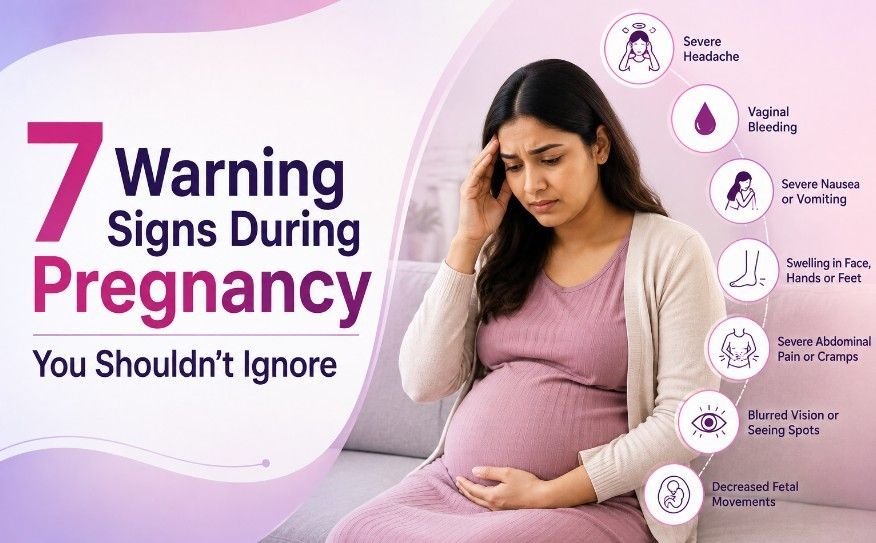
Apart from scheduled visits, there are certain situations where you should not wait for your next appointment. Seek immediate medical attention if you experience:

  • Vaginal bleeding or spotting
  • Severe abdominal pain or cramps
  • Persistent vomiting or dehydration
  • High fever
  • Sudden swelling in hands or face
  • Reduced baby movements (especially in later months)
  • Severe headaches or blurred vision

These could be signs of complications and require urgent evaluation by a pregnancy specialist in Faridabad.

Why Regular Visits Are So Important

Many women feel that if everything seems normal, they can skip a visit. But pregnancy doesn’t always show visible signs when something is wrong.

Regular prenatal check-ups help:

  • Track baby’s growth and development
  • Detect complications early
  • Monitor mother’s health (BP, sugar levels, etc.)
  • Provide timely vaccinations
  • Offer guidance for a healthy pregnancy

It’s not just about treatment—it’s about prevention and reassurance.

Emotional Support Matters Too

Pregnancy is not just a physical journey—it’s emotional too. There are days filled with excitement and days filled with doubts.

Having a doctor who listens, reassures, and guides you through every stage makes a huge difference.

Many women prefer consulting Dr Shweta Mendiratta, known as the best pregnancy doctor in Faridabad, because of her approachable nature and personalized care.

Tips for a Healthy Pregnancy Journey

Along with regular doctor visits, here are some simple tips to keep your pregnancy smooth:

  • Eat a balanced and nutritious diet
  • Stay hydrated
  • Get enough rest and sleep
  • Avoid stress and overexertion
  • Follow your doctor’s advice strictly
  • Never self-medicate

Consistency is key when it comes to prenatal care.

Why Choose Dr. Shweta Mendiratta for Pregnancy Care in Faridabad?

Choosing the right gynecologist can shape your entire pregnancy experience.

Dr. Shweta Mendiratta offers:

  • Comprehensive prenatal and postnatal care
  • Focus on safe and normal deliveries
  • Expertise in managing high-risk pregnancies
  • Regular monitoring with advanced diagnostics
  • Patient-friendly, supportive approach

Her dedication and experience make her a trusted choice for women looking for the best gynecologist in Faridabad for pregnancy and delivery care.

Frequently Asked Questions (FAQs)

Q1: When should I first visit a gynecologist after a positive pregnancy test?

A: Ideally within 6–8 weeks of pregnancy for confirmation and initial tests.

Q2: How often should I visit the doctor during pregnancy?

A: Monthly in the first 6 months, then every 2 weeks, and weekly in the last month.

Q3: Are all prenatal visits necessary?

A: Yes, each visit helps monitor your health and your baby’s development, even if you feel fine.

Q4: What happens during the first pregnancy visit?

A: Your doctor confirms pregnancy, estimates due date, prescribes supplements, and orders basic tests.

Q5: When should I worry during pregnancy?

A: If you experience bleeding, severe pain, reduced baby movement, or unusual symptoms, consult your doctor immediately.

Q6: Can I skip visits if my pregnancy is normal?

A: No, regular visits are essential to detect hidden complications early.

Q7: How do I choose the right gynecologist?

A: Look for experience, patient reviews, accessibility, and comfort level with the doctor.

Conclusion

Knowing when to visit a gynecologist during pregnancy can make a significant difference in your journey to motherhood. Regular check-ups are not just appointments—they are steps toward ensuring a healthy baby and a safe delivery.

From your first visit to the final weeks before childbirth, having the right medical guidance is essential. Consulting an experienced expert like Dr Shweta Mendiratta, one of the best pregnancy doctors in Faridabad, ensures you receive the care, attention, and confidence you need throughout this beautiful journey.

Because at the end of the day, it’s not just about delivering a baby—it’s about nurturing a healthy beginning.

Your Hormones Don’t Need More Pills — They Need Better Habits

A gynecologist’s perspective on healing hormonal imbalances naturally through lifestyle, sleep, nutrition, and stress management. Every day, women walk into Dr Shweta Mendiratta’s clinic in Faridabad carrying a list of symptoms they have quietly tolerated for years — unexplained weight gain, irregular periods, relentless fatigue, mood swings, hair thinning, and sleepless nights. Their first question is almost always the same: “Doctor, do I need hormonal pills?” 

My honest answer surprises many of them: not always. And sometimes, not at all.

As a gynecologist with years of experience treating women across all age groups, I have come to one firm belief: your hormones are not broken — they are responding. They are reacting to what you eat, how you sleep, how much you move, and how well you manage stress. Before we reach for the prescription pad, we need to look seriously at your daily habits. Because in most cases, habits are where real hormonal healing begins.

The Hormone Crisis No One Is Talking About

India is witnessing a quiet epidemic of hormonal disorders in women. Polycystic Ovarian Syndrome (PCOS) now affects a significant proportion of women of reproductive age. Thyroid dysfunction, particularly hypothyroidism, is rising rapidly among Indian women. Perimenopause and menopause are causing debilitating symptoms that go under-treated. And yet, the reflex response is almost always the same: prescribe the pill, start hormone replacement, add another medication.

That approach has its place. There are conditions where medical intervention is absolutely necessary and life changing. But there is a large grey zone — a population of women whose hormonal symptoms are primarily driven by lifestyle factors — where a different kind of medicine is needed first. The medicine of habits.

Why Hormones Respond to Lifestyle More Than You Think

Hormones do not function in isolation. They are chemical messengers that are profoundly sensitive to everything happening inside and around your body. Insulin levels are directly impacted by what you eat. Cortisol, the stress hormone, spikes with poor sleep and chronic anxiety. Estrogen metabolism is influenced by gut health and body weight. Thyroid function can be disrupted by nutritional deficiencies and environmental toxins.

When you look at hormonal imbalance through this lens, it becomes clear that pills alone cannot fix what lifestyle keeps breaking. You cannot out-medicate a body that is not sleeping enough, eating poorly, moving too little, and living under constant stress. The hormonal system is deeply interconnected — pulling one lever shifts many others. This is why a holistic, habit-based approach is not a soft alternative to medicine; it is, in many cases, the most scientifically sound place to start.

The Five Habits That Heal Hormones

  1. Sleep: The Most Underestimated Hormonal Intervention

I tell my patients this repeatedly: if you are sleeping less than seven hours a night, no supplement or medication will fully compensate for that loss. Sleep is when your body resets its entire hormonal orchestra. Growth hormone is primarily secreted during deep sleep. Cortisol follows a circadian rhythm that is anchored to your sleep-wake cycle. Ghrelin and leptin — the hormones that regulate hunger and fullness — are directly disrupted by inadequate sleep, which is why poor sleep almost always drives overeating and weight gain.

Women with PCOS are twice as likely to suffer from sleep disturbances. Addressing sleep quality is often the first and most impactful intervention I recommend. Simple steps — a consistent sleep time, reducing screen exposure before bed, keeping the bedroom cool and dark — can initiate measurable shifts in hormonal balance within weeks.

  1. Nutrition: Feed Your Hormones, Not Just Your Hunger

The food choices Indian women make daily have an enormous bearing on their hormonal health. Ultra-processed foods, refined carbohydrates, excess sugar, and trans fats all promote inflammation and insulin resistance — two of the biggest drivers of hormonal disruption.

What works well for hormonal balance is a diet rich in whole foods: vegetables, legumes, whole grains, nuts, seeds, lean proteins, and healthy fats. I often guide patients toward a Mediterranean-style approach adapted to Indian food culture — emphasizing dal, sabzi, whole grains like bajra and jowar, curd, and good fats from nuts and mustard oil. Cruciferous vegetables like broccoli, cauliflower, and cabbage are particularly valuable as they support estrogen clearance in the liver.

Blood sugar stability is central to hormonal health. Eating at regular intervals, never skipping breakfast, including protein and fibre in every meal, and avoiding refined sugar spikes will do more for insulin regulation than most supplements.

  1. Exercise: Move Smarter, Not Just Harder

Movement is medicine for the endocrine system. Regular physical activity improves insulin sensitivity, reduces cortisol, boosts mood-regulating neurotransmitters, and supports healthy body weight — all of which feedback positively into hormonal balance.

However, more is not always better. Overtraining, particularly intense cardio performed daily, can elevate cortisol and worsen hormonal disruption in women with underlying imbalances. I recommend a balanced approach: strength training two to three times a week (which dramatically improves insulin function), combined with gentle daily movement like walking or yoga. Even a 30-minute brisk walk after dinner has a measurable impact on blood sugar and sleep quality.

For women with PCOS, resistance training is particularly transformative. It improves the body’s sensitivity to insulin, which in turn lowers androgens and can restore menstrual regularity — often without medication.

  1. Stress Management: The Cortisol Connection

Chronic stress is one of the most insidious disruptors of women’s hormonal health, and it is profoundly underestimated. When stress is sustained, the body keeps pumping cortisol — and chronically elevated cortisol interferes with reproductive hormones, disrupts ovulation, worsens thyroid function, drives cravings for sugary foods, promotes belly fat, and impairs sleep.

The women I see most commonly in my clinic — working professionals, young mothers, women juggling multiple caregiving roles — are living with extraordinary stress loads that are written all over their hormonal profiles. Managing stress is not a luxury; it is a medical necessity.

Evidence-based practices that genuinely lower cortisol include mindfulness meditation, breathwork, spending time in nature, yoga, journaling, and simply creating daily spaces for rest and transition. Even ten minutes of conscious breathing daily can produce measurable reductions in cortisol over time.

  1. Gut Health: The Forgotten Hormone Regulator

The gut microbiome plays a significant and often overlooked role in hormonal balance. The estrobolome — the collection of gut bacteria responsible for metabolising estrogen — directly influences how estrogen is processed and eliminated from the body. An unhealthy gut can lead to estrogen being reabsorbed rather than excreted, driving conditions like estrogen dominance, endometriosis, and fibroids.

Supporting gut health through a high-fibre diet, fermented foods like curd and kanji, adequate hydration, and avoiding unnecessary antibiotics is a meaningful strategy for hormonal wellbeing that rarely receives the attention it deserves.

When Medication Is Necessary

I want to be clear: this is not an anti-medication message. There are conditions — severe thyroid dysfunction, premature ovarian insufficiency, significant PCOS complications, perimenopause symptoms impacting quality of life — where medical or hormonal therapy is not just appropriate but essential. I prescribe when I need to, and I do so without hesitation.

What I advocate for is a thoughtful sequencing of care. In many women with early or moderate hormonal imbalance, lifestyle interventions implemented with commitment and consistency will produce profound results — often within three to six months. When we start there, we frequently find that either medication is no longer needed, or if it is, it works far better alongside a healthy foundation.

A Message to the Women of Faridabad

The women I serve deserve more than a quick prescription. They deserve to understand their bodies, to know what is driving their symptoms, and to feel empowered to make changes that will serve them for a lifetime. Hormonal health is not a mystery to be solved only in a clinic — it is built in your kitchen, your bedroom, your movement, and your relationship with stress.

Your body is not failing you. It is communicating with you. Let us learn to listen together.

— Dr. Shweta Mendiratta, Gynecologist in Faridabad

Frequently Asked Questions (FAQs)

Q1. Can lifestyle changes really fix hormonal imbalances, or do I always need medication?

In many cases, yes — lifestyle changes alone can significantly improve or even resolve hormonal imbalances, particularly in the early and moderate stages. Conditions like mild to moderate PCOS, insulin resistance, thyroid dysfunction related to nutritional deficiencies, and stress-related hormonal disruption respond very well to consistent improvements in diet, sleep, exercise, and stress management. However, some conditions require medical treatment, and it is important to consult a gynecologist for a proper diagnosis before deciding on a course of action.

Q2. How long does it take for lifestyle changes to show results in hormonal health?

Most women begin to notice improvements in energy, mood, and sleep within four to six weeks of making meaningful lifestyle changes. Menstrual cycle regularity and hormonal blood markers may take three to six months to show measurable improvement. The key is consistency — small, sustained changes produce better results than dramatic short-term efforts.

Q3. I have PCOS. Should I take the contraceptive pill or try lifestyle changes first?

This depends on the severity of your symptoms and your personal health goals. For women with mild to moderate PCOS who are not seeking immediate fertility treatment, a structured lifestyle programme — focusing on diet, exercise, sleep, and stress management — is a highly effective first-line approach and is recommended by many guidelines. For women with more severe symptoms, hormonal medications may be needed alongside lifestyle changes. Always discuss your options with your gynecologist, who can tailor a plan to your specific situation.

Q4. What foods should I avoid if I have hormonal imbalance?

The most important foods to reduce or eliminate are: refined sugars and processed carbohydrates (maida, white rice in excess, packaged snacks), trans fats (found in most fried and packaged foods), excess caffeine, and alcohol. These foods promote inflammation and insulin resistance, both of which are major drivers of hormonal disruption. Replacing these with whole grains, vegetables, legumes, nuts, seeds, and lean proteins will make a noticeable difference.

Q5. Can stress really cause irregular periods?

Absolutely. Chronic stress elevates cortisol, which interferes directly with the hypothalamic-pituitary-ovarian axis — the hormonal communication system that governs the menstrual cycle. High cortisol can suppress the release of GnRH, LH, and FSH, leading to delayed or missed ovulation and consequently irregular or absent periods. This is why women under prolonged stress frequently report menstrual irregularities even without any underlying reproductive disorder.

Q6. Is it true that poor sleep can cause weight gain related to hormones?

Yes. Poor sleep disrupts two key hunger-regulating hormones: ghrelin (which stimulates appetite) rises, and leptin (which signals fullness) falls. This makes you feel hungrier and less satisfied after eating, leading to caloric excess. Poor sleep also elevates cortisol, which promotes fat storage particularly around the abdomen. Prioritising seven to eight hours of quality sleep is one of the most effective things you can do for weight management and hormonal balance.

Q7. I am approaching menopause. Can lifestyle changes help with menopausal symptoms?

Yes, significantly. Regular exercise — particularly strength training — reduces the frequency and severity of hot flushes and supports bone density. A Mediterranean-style diet reduces inflammation and supports cardiovascular health, which becomes particularly important post-menopause. Stress management techniques like yoga and mindfulness have been shown to reduce hot flush severity. For women with severe symptoms, hormone replacement therapy remains an effective option and can be discussed with your gynecologist.

Q8. When should I see a gynecologist rather than just trying lifestyle changes?

You should consult a gynecologist if you experience: periods that are absent for more than three months without pregnancy, very heavy or prolonged bleeding, sudden or severe weight changes, symptoms suggestive of thyroid disease, difficulty conceiving, severe PMS or mood disturbances, or any symptoms that are significantly impacting your quality of life. A proper hormonal evaluation through blood tests will give you and your doctor the information needed to make the best decision for your care.

Can PCOS Affect Fertility? Expert Advice You Need

If you’ve recently been diagnosed with PCOS or have been trying to conceive without success, chances are this question has crossed your mind—“Can PCOS affect my fertility?”

The short answer is yes, but here’s the reassuring part—it’s manageable and treatable. Many women with PCOS go on to have healthy pregnancies with the right guidance and care.

According to Dr Shweta Mendiratta, best PCOS Doctor in Faridabad early diagnosis, lifestyle changes, and personalized treatment can significantly improve fertility outcomes in women with PCOS.

Understanding PCOS: More Than Just Irregular Periods

Polycystic Ovary Syndrome (PCOS) is a hormonal condition that affects how the ovaries function. It is one of the most common reasons behind irregular periods and infertility in women of reproductive age.

Women with PCOS may experience:

  • Irregular or missed periods
  • Excess facial or body hair
  • Acne or oily skin
  • Weight gain or difficulty losing weight
  • Thinning hair or hair fall

While these symptoms may seem manageable on the surface, internally, PCOS can interfere with ovulation—which is key to natural conception.

How Does PCOS Affect Fertility?

To understand the connection between PCOS and fertility, it’s important to know how ovulation works.

Every month, your ovaries release an egg (ovulation), which can be fertilized. In PCOS, hormonal imbalance disrupts this process.

Here’s what happens:

  • The body produces higher levels of androgens (male hormones)
  • Eggs don’t mature properly
  • Ovulation becomes irregular or may not occur at all

This condition is often referred to as anovulation, one of the leading causes of infertility in women with PCOS.

Does PCOS Mean You Can’t Get Pregnant?

Absolutely not.

One of the biggest myths around PCOS is that it leads to permanent infertility. The truth is:

PCOS may make conception difficult, but not impossible.

With the right treatment from an experienced specialist like Dr Shweta Mendiratta, best PCOS doctor in Faridabad, many women successfully conceive—sometimes even naturally.

Signs That PCOS May Be Affecting Your Fertility

If you are trying to conceive and have PCOS, watch out for these signs:

  • Irregular menstrual cycles
  • Difficulty tracking ovulation
  • Long gaps between periods
  • Repeated failed attempts to conceive
  • Weight gain and insulin resistance

If you notice these symptoms, it’s important to consult a gynecologist in Faridabad for PCOS treatment and fertility guidance early on.

Expert Advice: How to Improve Fertility with PCOS

The good news is that PCOS-related fertility issues can often be improved with the right approach.

  1. Lifestyle Modifications (First Line of Treatment)

Simple lifestyle changes can make a huge difference:

  • Maintain a healthy weight
  • Follow a balanced, low-carb diet
  • Exercise regularly (even 30 minutes daily helps)
  • Manage stress levels

Even a 5–10% weight loss can restore ovulation in some women.

  1. Ovulation Induction Treatments

If natural ovulation doesn’t occur, doctors may prescribe medications to stimulate ovulation. These treatments are highly effective when monitored properly.

  1. Hormonal Balance & Insulin Management

PCOS is often linked to insulin resistance. Managing insulin levels through diet, medication, or supplements can improve hormonal balance and fertility.

  1. Advanced Fertility Treatments

In cases where basic treatments don’t work, options like:

  • IUI (Intrauterine Insemination)
  • IVF (In Vitro Fertilization)

may be considered. These treatments have helped many PCOS patients conceive successfully.

Emotional Impact of PCOS & Infertility

Trying to conceive with PCOS can be emotionally exhausting. There’s often anxiety, self-doubt, and pressure—especially in Indian families.

It’s important to remember:

You are not alone, and PCOS is treatable.

Having a supportive doctor who understands both the medical and emotional aspects can make all the difference.

Why Choose Dr. Shweta Mendiratta for PCOS & Fertility Treatment in Faridabad?

When dealing with something as sensitive as fertility, choosing the right doctor is crucial.

Dr. Shweta Mendiratta offers:

  • Personalized PCOS treatment plans
  • Expertise in hormonal and fertility management
  • Focus on natural conception whenever possible
  • Advanced fertility guidance when needed
  • Compassionate, patient-friendly care

Her holistic approach makes her a trusted choice for women searching for the best PCOS doctor in Faridabad or a reliable gynecologist for fertility treatment in Faridabad.

When Should You See a Doctor?

You should consult a specialist if:

  • You’ve been trying to conceive for 6–12 months without success
  • Your periods are irregular or absent
  • You have been diagnosed with PCOS
  • You notice symptoms like weight gain, acne, or excessive hair growth

Early consultation can prevent delays and improve your chances of conception.

Frequently Asked Questions (FAQs)

Q1: Can women with PCOS get pregnant naturally?

A: Yes, many women with PCOS conceive naturally, especially with lifestyle changes and proper medical guidance.

Q2: How long does it take to get pregnant with PCOS?

A: It varies from person to person. With treatment, many women conceive within a few months to a year.

Q3: Is PCOS a permanent condition?

A: PCOS cannot be completely cured, but it can be effectively managed with lifestyle changes and medical treatment.

Q4: Does weight loss really help in PCOS fertility?

A: Yes, even a small amount of weight loss can regulate hormones and improve ovulation.

Q5: Are fertility treatments necessary for all PCOS patients?

A: No, many women conceive with basic treatments and lifestyle changes. Advanced treatments are only needed in some cases.

Q6: Can PCOS cause miscarriage?

A: PCOS may slightly increase the risk, but with proper care and monitoring, many women have healthy pregnancies.

Q7: What is the best treatment for PCOS-related infertility?

A: The best treatment depends on individual health, but a combination of lifestyle changes, medications, and expert guidance works best.

Conclusion

PCOS can affect fertility, but it doesn’t take away your chance of becoming a mother. With early diagnosis, the right treatment, and a supportive healthcare provider, managing PCOS and achieving pregnancy is absolutely possible.

If you’re struggling with irregular periods or difficulty conceiving, consulting an experienced specialist like Dr Shweta Mendiratta, a leading gynecologist in Faridabad, can help you take the right steps toward a healthy pregnancy.

Remember—your journey may be different, but your dream is still within reach.

Normal Delivery vs C-Section: What Every Expecting Mother Should Know

Pregnancy is one of the most beautiful journeys in a woman’s life—but when it comes to childbirth, many expecting mothers find themselves confused between normal delivery and C-section (Cesarean delivery). Questions, fears, and advice from multiple sources can make the decision even more overwhelming.

If you’re planning your delivery, understanding both options clearly can help you feel more confident and prepared. According to Dr Shweta Mendiratta, choosing the right mode of delivery depends on multiple factors, including the health of the mother, baby, and pregnancy progression.

What is Normal Delivery?

A normal delivery (vaginal birth) is the natural process where the baby is delivered through the birth canal without surgical intervention. It usually involves three stages—labor, delivery of the baby, and delivery of the placenta.

Benefits of Normal Delivery

  • Faster recovery compared to surgery
  • Lower risk of infections
  • Shorter hospital stay
  • Immediate bonding and breastfeeding
  • Reduced risk in future pregnancies

Many women today actively look for the best gynecologist for normal delivery in Faridabad to ensure a safe and smooth childbirth experience.

What is a C-Section (Cesarean Delivery)?

A C-section is a surgical procedure in which the baby is delivered through an incision in the abdomen and uterus. While it may sound intimidating, it is a safe and life-saving procedure when medically required.

When is a C-Section Needed?

  • High-risk pregnancy
  • Baby in breech (feet-first) position
  • Multiple pregnancies (twins/triplets)
  • Fetal distress (baby not getting enough oxygen)
  • Placenta previa (placenta blocking the cervix)
  • Previous C-section (in some cases)

Benefits of C-Section

  • Planned and scheduled delivery
  • Safer in complicated pregnancies
  • Avoids prolonged labor pain in certain cases

Normal Delivery vs C-Section: Key Differences

Factor Normal Delivery C-Section
Procedure Natural vaginal birth Surgical procedure
Recovery Time Faster (few days to weeks) Longer (4–6 weeks)
Pain Labor pain during delivery Post-surgery pain
Hospital Stay Short Longer
Risk Lower in normal cases Higher due to surgery
Future Pregnancies Easier recovery May require repeat C-section


Which Option is Better?

This is one of the most common questions expecting mothers ask. The truth is—there is no one-size-fits-all answer.

  • If your pregnancy is healthy and low-risk, normal delivery is usually recommended.
  • If there are complications, a C-section may be the safest option for both mother and baby.

An experienced specialist like Dr Shweta Mendiratta, gynecologist in Faridabad, carefully evaluates each case and suggests the safest delivery method rather than pushing for one approach.

Myths vs Facts About Delivery

Myth 1: C-section is the easier option

Fact: It is a major surgery with longer recovery time.

Myth 2: Normal delivery is always possible

Fact: Not always. Medical conditions may require a C-section.

Myth 3: Once a C-section, always a C-section

Fact: Many women can opt for VBAC (Vaginal Birth After Cesarean), depending on their condition.

Myth 4: Normal delivery affects body shape permanently

Fact: With proper care and exercise, the body recovers well.

Tips to Increase Chances of Normal Delivery

If you are aiming for a normal delivery, here are some helpful tips:

  • Stay physically active (prenatal yoga, walking)
  • Maintain a healthy weight
  • Eat a balanced diet rich in nutrients
  • Attend regular prenatal check-ups
  • Manage stress through meditation or breathing exercises
  • Choose an experienced gynecologist

Searching for the best doctor for pregnancy care in Faridabad can make a big difference in your delivery experience.

Emotional Aspect of Childbirth

Beyond the medical aspects, childbirth is also an emotional journey. Many women feel pressure—either to go for a normal delivery or avoid surgery.

It’s important to remember:
A safe mother and a healthy baby is the only goal.

Whether it’s a normal delivery or a C-section, both are valid and safe when done under expert care.

Why Choose Dr. Shweta Mendiratta for Pregnancy Care in Faridabad?

Choosing the right doctor plays a crucial role in your pregnancy journey.

Dr. Shweta Mendiratta offers:

  • Personalized pregnancy care
  • Focus on safe normal deliveries whenever possible
  • Expertise in handling high-risk pregnancies
  • Transparent guidance without unnecessary procedures
  • Emotional and medical support throughout pregnancy

Her patient-centric approach has made her a trusted name for those looking for a gynecologist in Faridabad for normal delivery and C-section care.

Frequently Asked Questions (FAQs)

Q1: Is normal delivery safer than a C-section?

A: In low-risk pregnancies, normal delivery is generally safer with quicker recovery. However, in complicated cases, a C-section is the safer option.

Q2: Can I choose between normal delivery and C-section?

A: While preferences are considered, the final decision depends on medical conditions and your doctor’s advice.

Q3: How painful is normal delivery?

A: Labor pain varies for every woman. Pain management options like epidural anesthesia can help reduce discomfort.

Q4: How long does it take to recover from a C-section?

A: Recovery usually takes around 4–6 weeks, depending on individual health and care.

Q5: Can I have a normal delivery after a previous C-section?

A: Yes, in many cases, VBAC (Vaginal Birth After Cesarean) is possible, but it depends on your medical history.

Q6: What are the risks of a C-section?

A: Risks include infection, blood loss, and longer recovery time, but it is generally safe when performed by an experienced doctor.

Q7: How can I prepare for a smooth delivery?

A: Regular check-ups, a healthy lifestyle, staying active, and choosing the right gynecologist are key factors.

Conclusion

The choice between normal delivery and C-section should never be based on fear or myths. Instead, it should be guided by medical expertise and your individual health condition.

With the right guidance, preparation, and support, childbirth can be a positive and empowering experience. Consulting an experienced specialist like Dr Shweta Mendiratta, one of the best gynecologists in Faridabad, ensures that both mother and baby receive the safest and most appropriate care.