
Gynecologist in Sector 31, Faridabad – Women’s Healthcare by Dr. Shweta Mendiratta

Women may need gynecological care at different stages of life—from the first menstrual concerns and PCOS to pregnancy, fertility planning, fibroids, endometriosis and menopause.

For women living in Sector 31, Faridabad and surrounding areas, finding an experienced gynecologist who can provide comprehensive care can make it easier to address concerns at the right time and maintain continuity when follow-up is needed.

Dr. Shweta Mendiratta is a gynecologist, obstetrician, robotic and laparoscopic surgeon and infertility specialist with more than 15 years of experience. Her official profile lists expertise in prenatal and postnatal care, high-risk pregnancy, menstrual problems, infertility, hysteroscopy, laparoscopy and other gynecological procedures.

Dr. Shweta is associated with Yatharth Super Speciality Hospital, Sector 20, Faridabad, and also consults at Mediclub Clinic in Sector 21C. Her official website does not currently list a clinic inside Sector 31, so this page focuses on women searching for gynecological care near Sector 31 rather than suggesting a clinic address that is not officially listed.

When Should Women in Sector 31 See a Gynecologist?

A gynecologist can help with much more than pregnancy. Women may seek consultation for symptoms affecting their menstrual, reproductive or hormonal health.

Consider discussing your concerns with a gynecologist if you have:

  • Irregular or missed periods
  • Very heavy menstrual bleeding
  • Severe or persistent period pain
  • Pelvic or lower abdominal pain
  • Unusual vaginal discharge or irritation
  • Recurrent vaginal infections
  • Symptoms associated with PCOS
  • Difficulty conceiving
  • Concerns before planning pregnancy
  • Fibroids or other uterine conditions
  • Endometriosis-related symptoms
  • Abnormal vaginal bleeding
  • Pregnancy-related concerns
  • Perimenopause or menopause symptoms

Persistent changes should not always be dismissed as routine hormonal fluctuations. For example, Dr. Shweta’s recent guidance recommends evaluation when irregular periods continue for several months, suddenly change from a previously regular pattern, or occur alongside symptoms such as acne, excess hair growth or weight changes.

Comprehensive Gynecological Care Near Sector 31

Women’s health concerns can overlap. Irregular periods may be associated with PCOS, while difficulty conceiving can involve ovulation, the uterus, fallopian tubes or male reproductive factors.

Dr. Shweta’s gynecology practice covers routine women’s healthcare as well as reproductive health, PCOS, infertility, pregnancy, hysteroscopy, laparoscopy and minimally invasive gynecological surgery.

PCOS and Irregular Periods

Polycystic ovary syndrome, commonly called PCOS or PCOD, can affect menstrual cycles and ovulation.

Women with PCOS may experience:

  • Irregular or missed periods
  • Acne
  • Excess facial or body hair
  • Weight changes
  • Difficulty with ovulation
  • Fertility concerns

However, every irregular period does not mean PCOS. Thyroid disorders, stress, changes in weight and other hormonal or medical conditions can also influence menstrual cycles.

Proper evaluation can help distinguish PCOS from other possible causes.

Dr. Shweta’s PCOS guidance recommends seeking assessment when irregular cycles persist, periods stop for several months without pregnancy, or menstrual changes occur with other symptoms.

Read: PCOS and Irregular Periods – When Should You See a Gynecologist?

Painful or Heavy Periods

Many women experience some discomfort during menstruation, but severe or increasingly painful periods can sometimes indicate an underlying gynecological condition.

Conditions such as endometriosis, adenomyosis and fibroids may be associated with pelvic pain or heavy menstrual bleeding.

Women should consider medical evaluation when:

  • Period pain interferes with everyday activities
  • Bleeding is unusually heavy
  • Periods suddenly become different
  • Pain occurs between periods
  • Pelvic pain persists after menstruation
  • Menstrual symptoms are affecting quality of life

The purpose of a consultation is to understand the underlying cause and determine whether further evaluation or treatment is necessary.

Pregnancy Care for Women Near Sector 31

Pregnancy requires regular medical supervision, beginning with appropriate care during early pregnancy and continuing through the antenatal and postpartum periods.

Women who are planning pregnancy may also benefit from preconception counselling.

A preconception consultation may provide an opportunity to discuss:

  • Existing medical conditions
  • Previous pregnancy history
  • Medications
  • Menstrual and reproductive history
  • Lifestyle factors
  • Pregnancy-related risk factors

Once pregnancy occurs, obstetric care may include routine antenatal monitoring and additional supervision when a pregnancy is considered high-risk.

Dr. Shweta’s official profile includes prenatal and postnatal care as well as high-risk pregnancy management. Her website also provides dedicated information about choosing a gynecologist for pregnancy and comprehensive pregnancy care.

Read: How to Choose the Right Gynecologist for Pregnancy

Fertility and Infertility Evaluation

Difficulty conceiving can have multiple causes, and infertility should not automatically be considered a female-only issue.

Possible female factors include:

  • PCOS and irregular ovulation
  • Thyroid or other hormonal disorders
  • Endometriosis
  • Fibroids
  • Uterine abnormalities
  • Fallopian-tube problems

Male factors can also contribute to difficulty conceiving. Therefore, depending on the circumstances, evaluation of both partners may be appropriate.

Dr. Shweta’s infertility resources discuss causes, diagnosis and treatment options and emphasize identifying the underlying cause before deciding on an appropriate treatment pathway.

Read: Infertility Treatment in Faridabad – Causes, Diagnosis and Modern Treatments

Women from Sector 31 who are planning pregnancy or experiencing difficulty conceiving can discuss their concerns during a fertility or gynecological consultation.

Fibroids and Uterine Conditions

Fibroids are common non-cancerous growths that develop in or around the uterus. Some women may have no symptoms, while others may experience:

  • Heavy menstrual bleeding
  • Pelvic pressure
  • Pelvic pain
  • Abdominal discomfort
  • Fertility concerns

The presence of fibroids does not automatically mean surgery is necessary.

Management depends on several factors, including the symptoms, size and location of the fibroid, age and reproductive plans.

For women planning pregnancy, understanding whether the location or size of a fibroid could affect reproductive plans may be particularly relevant.

Read: Can You Get Pregnant With Fibroids? Risks & Solutions

Minimally Invasive Gynecological Surgery

Some gynecological conditions may require surgical treatment when symptoms are significant or when other approaches are not appropriate.

Dr. Shweta Mendiratta’s official profile includes laparoscopic, hysteroscopic and robotic gynecological surgery among her areas of expertise.

Depending on the diagnosis, minimally invasive procedures may be considered for selected cases involving:

  • Fibroids
  • Endometriosis
  • Certain uterine conditions
  • Selected infertility-related conditions
  • Other gynecological conditions requiring operative treatment

However, minimally invasive surgery is not automatically appropriate for every patient. The decision depends on the diagnosis, symptoms, previous treatment, reproductive plans and overall health.

Women’s Health Beyond Pregnancy

A gynecologist can remain an important healthcare professional throughout a woman’s life.

Adolescence and Early Reproductive Years

Women may seek advice for painful periods, irregular menstrual cycles, PCOS symptoms and other reproductive-health concerns.

Reproductive Years

Common concerns can include PCOS, infertility, endometriosis, fibroids, menstrual disorders and pregnancy planning.

Pregnancy and Postpartum

Regular obstetric care helps monitor maternal health and pregnancy progress, while postpartum care addresses recovery and other health concerns after childbirth.

Perimenopause and Menopause

Women may experience irregular periods, hot flashes, sleep changes, vaginal symptoms and other hormonal changes during this stage.

Dr. Shweta’s professional profile includes CIMP, reflecting additional expertise relevant to menopause care.

Read: Menopause in Your 40s or 50s – Questions to Ask Your Gynecologist

Why Consider Dr. Shweta Mendiratta?

When searching for a gynecologist near Sector 31, Faridabad, proximity is only one consideration. Women may also want to evaluate experience, qualifications and the range of care offered.

1. More Than 15 Years of Experience

Dr. Shweta Mendiratta has more than 15 years of experience in Obstetrics & Gynecology.

2. Comprehensive Women’s Healthcare

Her practice includes general gynecology, obstetrics, pregnancy care, high-risk pregnancy, infertility, PCOS and gynecological surgery.

3. Minimally Invasive Surgery Expertise

Her professional profile includes laparoscopic, hysteroscopic and robotic gynecological procedures.

4. Fertility Care

Dr. Shweta provides infertility evaluation and treatment guidance, with possible causes considered according to the individual patient or couple.

5. Care Across Different Life Stages

Her practice encompasses reproductive health, pregnancy, infertility, gynecological conditions and menopause-related concerns.

Read: How to Choose the Best Gynecologist in Faridabad – 10 Questions to Ask

Where Can Women From Sector 31 Consult Dr. Shweta Mendiratta?

Yatharth Super Speciality Hospital, Sector 20

Plot No. 9, Sector 20, Krishna Nagar, New Industrial Township, Faridabad, Haryana 121007

The official website lists consultation hours as Monday to Saturday, 10:00 AM–4:00 PM, with Sunday closed.

Mediclub Clinic, Sector 21C

The official website also lists a Mediclub Clinic consultation location in Sector 21C, Faridabad, with evening consultation hours. Patients should confirm the current timing and appointment availability before visiting.

Contact Dr. Shweta Mendiratta

Frequently Asked Questions

1. Is Dr. Shweta Mendiratta a gynecologist in Sector 31, Faridabad?

Dr. Shweta’s official website does not currently list a clinic inside Sector 31. Her listed Faridabad consultation locations include Yatharth Hospital in Sector 20 and Mediclub Clinic in Sector 21C. Women from Sector 31 can contact the clinic to confirm the most appropriate consultation location.

2. What problems can I discuss with a gynecologist?

You can discuss menstrual irregularities, PCOS, pelvic pain, fibroids, endometriosis, fertility concerns, pregnancy, vaginal symptoms, menopause and other women’s-health concerns.

3. Should I see a gynecologist before planning pregnancy?

A preconception consultation can help review your medical history, existing health conditions, medications and other relevant factors before pregnancy.

4. Can PCOS affect fertility?

Yes. PCOS can affect ovulation and may make conception more difficult for some women. It does not, however, mean that pregnancy is impossible. Appropriate evaluation can help identify the role PCOS may be playing.

5. Do fibroids always require surgery?

No. Some fibroids may simply require monitoring, while others may need medical or surgical treatment depending on symptoms, location, size and reproductive plans.

6. When should I seek help for infertility?

The appropriate timing depends on age and individual circumstances. Women with irregular cycles, known PCOS, endometriosis or other fertility-related risk factors may benefit from earlier evaluation.

7. Can a gynecologist help during menopause?

Yes. Gynecologists can help women understand and manage symptoms associated with perimenopause and menopause and assess symptoms that require further investigation.

8. How can I book an appointment with Dr. Shweta Mendiratta?

You can use the contact information on her official website and confirm the current consultation location and timing before visiting.

Final Thoughts

Finding a gynecologist near Sector 31, Faridabad involves more than choosing a location. Experience, qualifications, areas of expertise and access to appropriate follow-up care can all be important when selecting a women’s healthcare professional.

Dr. Shweta Mendiratta has 15+ years of experience in Obstetrics & Gynecology and provides care across general gynecology, pregnancy, high-risk pregnancy, fertility, PCOS, menstrual concerns, gynecological surgery and menopause-related healthcare.

For women living in Sector 31 and nearby parts of Faridabad, a consultation can be considered when menstrual symptoms persist, pregnancy is being planned, conception is taking longer than expected, or other gynecological concerns require professional evaluation.

To check current consultation availability, location and timings, visit Dr. Shweta Mendiratta’s official website or contact her clinic directly.

Visit the Official Website

Contact Dr. Shweta Mendiratta

Medical disclaimer: This article is intended for general educational information and does not replace an individual medical consultation, examination or diagnosis by a qualified healthcare professional.
 

Comprehensive Women’s Healthcare for Women in Sector 28, Faridabad

Women’s healthcare is not limited to pregnancy. From menstrual irregularities and PCOS to fertility concerns, fibroids, endometriosis, pregnancy and menopause, women may require gynecological guidance at different stages of life.

For women living in Sector 28, Faridabad and nearby areas, choosing an experienced gynecologist can make it easier to receive appropriate evaluation and ongoing care when required.

Dr. Shweta Mendiratta is a gynecologist, robotic and laparoscopic surgeon and infertility specialist with 15+ years of experience. She is Director & Head – Unit II, Obstetrics & Gynecology at Yatharth Hospital, Sector 20, Faridabad. Her qualifications include MBBS, MS in Obstetrics & Gynecology, DNB, FICOG and CIMP.

Dr. Shweta’s practice includes general gynecology, obstetrics, fertility care, menstrual problems, PCOS, minimally invasive gynecological procedures and menopause-related care.

Important: Dr. Shweta’s official website currently lists consultation locations in Sector 20 and Sector 21C, rather than Sector 28 itself. Therefore, women searching for a gynecologist near Sector 28, Faridabad can consider her listed Faridabad consultation locations rather than assuming there is a clinic within Sector 28.

When Should Women in Sector 28 Consult a Gynecologist?

A gynecological consultation can be appropriate for both ongoing symptoms and preventive or reproductive-health concerns.

Women may consider seeing a gynecologist if they experience:

  • Irregular, delayed or missed periods
  • Very heavy menstrual bleeding
  • Severe or worsening period pain
  • Persistent pelvic pain
  • Unusual vaginal discharge or irritation
  • Recurrent vaginal infections
  • Symptoms associated with PCOS
  • Difficulty conceiving
  • Concerns before planning pregnancy
  • Fibroids or other uterine problems
  • Endometriosis-related symptoms
  • Abnormal vaginal bleeding
  • Pregnancy-related concerns
  • Perimenopause or menopause symptoms
  • Reproductive or sexual-health concerns

Not every symptom indicates a serious condition. However, persistent or unexplained changes deserve appropriate medical evaluation rather than prolonged self-treatment.

Dr. Shweta’s gynecology practice covers menstrual irregularities, pelvic conditions, PCOS, endometriosis, fibroids, reproductive health, menopause and other gynecological concerns.

Gynecological Care Near Sector 28, Faridabad

A comprehensive gynecology practice should address more than one specific condition. Women’s health concerns can overlap—for example, irregular periods may be associated with PCOS, while fertility concerns may involve ovulation, the uterus, fallopian tubes or male-factor infertility.

Dr. Shweta Mendiratta’s practice includes preventive, medical and surgical aspects of gynecology, along with obstetric and fertility care.

PCOS and Irregular Periods

Polycystic ovary syndrome, commonly known as PCOS or PCOD, is a frequent cause of menstrual irregularity and ovulatory problems.

Women with PCOS may experience:

  • Irregular or missed periods
  • Acne
  • Excess facial or body hair
  • Weight changes
  • Difficulty with ovulation
  • Fertility concerns

However, irregular periods do not automatically mean that a woman has PCOS. Other hormonal and medical factors can also affect menstrual cycles.

A gynecological consultation can help determine whether further assessment is appropriate based on symptoms, menstrual history and reproductive goals.

Read: PCOS and Irregular Periods – When Should You See a Gynecologist?

Menstrual Problems and Pelvic Pain

Menstrual changes are common, but persistent or severe symptoms should not always be considered normal.

Women may seek gynecological advice for:

Heavy menstrual bleeding

Very heavy periods can interfere with daily activities and may sometimes be associated with fibroids, adenomyosis, hormonal problems or other conditions.

Painful periods

Severe menstrual pain, particularly when it interferes with work or normal activities, may require evaluation for conditions such as endometriosis or adenomyosis.

Irregular periods

Changes in cycle frequency can occur for many reasons, including PCOS, hormonal changes, stress and other health conditions.

Dr. Shweta’s website specifically addresses menstrual irregularities and emphasizes the importance of seeking appropriate medical assessment when changes are persistent or significant.

Pregnancy Care for Women Near Sector 28

Pregnancy is an important stage when consistent obstetric care becomes particularly important.

Women planning pregnancy can consider a preconception consultation to discuss relevant health conditions, previous pregnancies, medications and other factors that may affect pregnancy.

Once pregnancy occurs, obstetric care may include:

  • Early pregnancy assessment
  • Routine antenatal consultations
  • Maternal health monitoring
  • Pregnancy-related investigations
  • Monitoring fetal development
  • High-risk pregnancy management when required
  • Birth and delivery planning
  • Postpartum care

Dr. Shweta Mendiratta is Director & Head – Unit II, Obstetrics & Gynecology at Yatharth Hospital, Sector 20, Faridabad, and her official profile includes prenatal, postnatal and high-risk pregnancy care.

Read: How to Choose the Right Gynecologist for Pregnancy

Fertility and Infertility Evaluation

For couples having difficulty conceiving, an infertility consultation can help identify possible contributing factors and determine what evaluation may be appropriate.

Potential female factors can include:

  • Ovulation disorders
  • PCOS
  • Thyroid-related problems
  • Endometriosis
  • Fallopian-tube problems
  • Fibroids
  • Uterine abnormalities

Male factors can also contribute to infertility, which is why evaluation should not automatically focus only on the woman.

Dr. Shweta’s infertility service includes evaluation of possible female and male factors, with treatment decisions based on the underlying cause and individual circumstances.

Read: Infertility Treatment in Faridabad – Causes, Diagnosis and Treatment

Women from Sector 28 who are planning pregnancy or experiencing difficulty conceiving can discuss their concerns during a gynecological or fertility consultation.

Fibroids and Other Uterine Conditions

Fibroids are non-cancerous growths that can develop in or around the uterus. Some women may have no symptoms, while others can experience:

  • Heavy periods
  • Pelvic pressure
  • Pelvic pain
  • Abdominal discomfort
  • Fertility concerns

The presence of a fibroid does not automatically mean surgery is required. Management depends on factors such as symptoms, size and location of the fibroid, age and pregnancy plans.

For women considering pregnancy, understanding whether a fibroid could affect conception or pregnancy may be particularly important.

Read: Can You Get Pregnant With Fibroids? Risks & Solutions

Minimally Invasive Gynecological Surgery

Some gynecological conditions may require surgical treatment when symptoms are significant or when medical management is not appropriate.

Dr. Shweta Mendiratta has expertise in laparoscopic and hysteroscopic gynecological procedures and is also described on her official profile as a robotic and laparoscopic surgeon.

Depending on the diagnosis, minimally invasive approaches may be considered for selected cases involving:

  • Fibroids
  • Endometriosis
  • Certain uterine abnormalities
  • Selected infertility-related conditions
  • Other gynecological conditions requiring operative treatment

The decision to undergo surgery should always follow an appropriate medical assessment. Not every woman with a fibroid, endometriosis or another gynecological condition needs an operation.

Women’s Health Through Different Life Stages

Gynecological care can continue throughout a woman’s life.

Adolescence

Concerns may include painful periods, irregular cycles, menstrual education and symptoms associated with hormonal disorders.

Reproductive Years

Women may seek help for PCOS, menstrual disorders, endometriosis, fibroids, contraception, fertility or pregnancy planning.

Pregnancy

Regular obstetric care helps monitor maternal and fetal health and identify situations requiring additional supervision.

Postpartum Period

After childbirth, women may need follow-up for physical recovery, menstrual changes, contraception, breastfeeding-related concerns and other health issues.

Perimenopause and Menopause

Hormonal changes can result in irregular periods, hot flashes, sleep disturbances, vaginal symptoms and other changes.

Dr. Shweta holds the CIMP credential as an IMS Menopause Practitioner, adding specific expertise in menopause-related women’s healthcare.

Why Consider Dr. Shweta Mendiratta for Gynecological Care?

When looking for a gynecologist near Sector 28, Faridabad, location is important, but it should not be the only consideration.

Women may also want to evaluate the doctor’s qualifications, experience and range of services.

1. 15+ Years of Experience

Dr. Shweta Mendiratta has more than 15 years of experience in Obstetrics & Gynecology.

2. Comprehensive Gynecology and Obstetrics

Her practice covers routine gynecological care, pregnancy, high-risk pregnancy, menstrual problems, PCOS, infertility and gynecological surgery.

3. Laparoscopic and Robotic Surgery Expertise

Her professional profile includes laparoscopic and robotic gynecological surgery, along with hysteroscopic procedures.

4. Fertility Care

Her practice includes infertility evaluation and treatment guidance for couples experiencing difficulty conceiving.

5. Menopause Care

Her CIMP credential reflects additional expertise relevant to menopause and midlife women’s health.

Where Can Women From Sector 28 Consult Dr. Shweta Mendiratta?

Dr. Shweta’s official website currently lists the following Faridabad consultation locations.

Yatharth Super Speciality Hospital, Sector 20

Plot No. 9, Sector 20, Krishna Nagar, New Industrial Township, Faridabad, Haryana 121007

The official website lists consultation hours as Monday to Saturday, 10:00 AM to 4:00 PM, with Sunday closed.

Mediclub Gynae ‘N’ Neuro Clinic, Sector 21C

Pilot No. 857, Sector 21C, Faridabad

The official website lists evening consultation at the Mediclub clinic. Patients should confirm the current appointment timing and availability before visiting.

Contact Dr. Shweta Mendiratta for an Appointment

Frequently Asked Questions

1. Is Dr. Shweta Mendiratta a gynecologist in Sector 28, Faridabad?

Dr. Shweta Mendiratta’s official website does not currently list a clinic in Sector 28. Her listed Faridabad consultation locations include Yatharth Hospital in Sector 20 and Mediclub Gynae ‘N’ Neuro Clinic in Sector 21C.

2. What problems can I discuss with a gynecologist?

You can discuss menstrual irregularities, PCOS, pelvic pain, vaginal symptoms, fibroids, endometriosis, fertility concerns, pregnancy, menopause and other women’s-health issues.

3. Should I visit a gynecologist before planning pregnancy?

A preconception consultation can help review relevant health conditions, medications, previous pregnancy history and other factors before conception.

4. Can a gynecologist help with infertility?

Yes. A gynecologist can assess possible female reproductive factors and recommend appropriate evaluation. Depending on the circumstances, assessment of the male partner may also be important.

5. Do fibroids always require surgery?

No. Treatment depends on symptoms, fibroid characteristics, reproductive plans and the individual’s overall clinical situation.

6. Can PCOS affect fertility?

PCOS can interfere with ovulation and therefore may affect fertility in some women. Appropriate evaluation can help determine whether PCOS is contributing to difficulty conceiving.

7. When should painful periods be evaluated?

Consider consultation when period pain is severe, worsening, persistent or interfering with normal daily activities.

8. Can I consult a gynecologist during menopause?

Yes. Gynecological care remains relevant during perimenopause and after menopause, particularly when women experience persistent or troublesome symptoms.

Final Thoughts

Finding a gynecologist near Sector 28, Faridabad should involve more than simply selecting the closest clinic. Experience, qualifications, areas of expertise, hospital support and the ability to provide care through different stages of women’s health can all matter.

Dr. Shweta Mendiratta brings 15+ years of experience in Obstetrics & Gynecology, with expertise spanning general gynecology, pregnancy care, high-risk pregnancy, fertility, menstrual problems, PCOS and minimally invasive gynecological procedures.

For women living in Sector 28 who are experiencing persistent menstrual problems, planning pregnancy, facing fertility concerns, dealing with gynecological symptoms or seeking guidance during menopause, an appropriate consultation can help determine the next step.

To check the current consultation location and appointment availability, visit Dr. Shweta Mendiratta’s official website or contact her clinic directly.

Medical disclaimer: This article is intended for general health information and does not replace an individual consultation, examination or diagnosis by a qualified medical professional.


Gynecologist in Sector 16, Faridabad – Dr. Shweta Mendiratta

Women’s health concerns can arise at any age. Irregular periods during the reproductive years, PCOS, pelvic pain, fertility concerns, pregnancy and menopause can all require different types of gynecological care.

For women living in Sector 16, Faridabad and surrounding areas, finding an experienced gynecologist who can provide continuity of care can be particularly useful when a concern requires evaluation, treatment and follow-up.

Dr. Shweta Mendiratta is a gynecologist, robotic and laparoscopic surgeon and infertility specialist with 15+ years of experience. She is Director & Head – Unit II, Obstetrics & Gynecology at Yatharth Hospital, Sector 20, Faridabad. Her qualifications include MBBS, MS in Obstetrics & Gynecology, DNB, FICOG and CIMP.

When Should You See a Gynecologist?

A gynecologist is not only a doctor to consult during pregnancy. Regular gynecological care can help women understand changes in their menstrual, reproductive and hormonal health.

Women in Sector 16 may consider a consultation if they experience:

  • Irregular or missed periods
  • Very heavy menstrual bleeding
  • Severe period pain
  • Persistent pelvic or lower abdominal pain
  • Unusual vaginal discharge, itching or irritation
  • Recurrent vaginal infections
  • Symptoms suggestive of PCOS
  • Difficulty conceiving
  • Concerns before planning pregnancy
  • Fibroids or ovarian cysts
  • Endometriosis-related symptoms
  • Abnormal vaginal bleeding
  • Perimenopause or menopause symptoms
  • Concerns related to reproductive or sexual health

Persistent or unexplained changes should not simply be ignored. A gynecological consultation can help determine whether further evaluation is appropriate.

Comprehensive Gynecological Care Near Sector 16

Women searching for a gynecologist near Sector 16, Faridabad may be looking for help with a specific condition or for ongoing women’s healthcare.

PCOS and Irregular Periods

Polycystic ovary syndrome, commonly called PCOS or PCOD, can affect menstrual cycles and ovulation. Some women experience irregular periods, acne, excess facial or body hair, weight changes or difficulty conceiving.

However, not every irregular period is caused by PCOS. Thyroid disorders, significant stress, changes in weight, excessive exercise and perimenopause can also affect menstrual cycles.

This is why proper evaluation is preferable to assuming that irregular periods automatically mean PCOS.

Read: PCOS and Irregular Periods – When Should You See a Gynecologist?

The article explains what information can be useful before a consultation, including menstrual-cycle history, associated symptoms and previous investigations.

Painful or Heavy Periods

Some women consider painful periods a normal part of menstruation and delay seeking medical advice even when the pain affects daily life.

Persistent or severe menstrual pain can sometimes be associated with conditions such as:

  • Endometriosis
  • Adenomyosis
  • Fibroids
  • Certain hormonal disorders
  • Other pelvic conditions

Similarly, unusually heavy bleeding may deserve evaluation, particularly when it represents a significant change from a woman’s normal pattern.

The aim of consultation is not necessarily to recommend surgery or extensive testing. The appropriate evaluation depends on the individual’s symptoms, age, medical history and reproductive plans.

Pregnancy Care for Women Near Sector 16

Pregnancy requires regular medical supervision from early pregnancy through delivery and postpartum recovery.

Women planning pregnancy can also benefit from a preconception consultation. This gives the doctor an opportunity to review relevant medical history, previous pregnancies, medications and other factors that may affect pregnancy planning.

During pregnancy, obstetric care may include:

  • Early pregnancy assessment
  • Routine antenatal care
  • Monitoring maternal health
  • Fetal growth and pregnancy monitoring
  • Management of pregnancy-related concerns
  • High-risk pregnancy care when required
  • Delivery planning
  • Postpartum follow-up

Read: How to Choose the Best Gynecologist in Faridabad for Pregnancy

Fertility and Infertility Evaluation

Difficulty conceiving can be emotionally challenging, but infertility can have several possible causes and should not automatically be attributed to the woman.

Female factors can include:

  • Ovulation disorders
  • PCOS
  • Thyroid-related problems
  • Endometriosis
  • Fallopian-tube problems
  • Uterine abnormalities
  • Fibroids

Male factors can also contribute to infertility, including problems involving sperm production or sperm quality.

Therefore, fertility evaluation may involve both partners depending on the circumstances.

Dr. Shweta Mendiratta provides infertility evaluation and treatment guidance as part of her obstetrics and gynecology practice. Her infertility resource discusses both female and male factors and the importance of identifying the underlying cause before deciding on treatment.

Read: Infertility Treatment in Faridabad – Dr. Shweta Mendiratta

Fibroids and Other Uterine Conditions

Fibroids are common non-cancerous growths that develop in or around the uterus. Their effect can vary depending on their size, number and location.

Some women with fibroids have no symptoms, while others may experience:

  • Heavy periods
  • Pelvic pressure
  • Pelvic pain
  • Abdominal discomfort
  • Fertility concerns

Having fibroids does not automatically mean that surgery is necessary. Management depends on symptoms, the characteristics of the fibroids, reproductive plans and other clinical factors.

For women planning pregnancy, the location and size of a fibroid can be particularly relevant.

Read: Can You Get Pregnant With Fibroids? Risks & Solutions Dr. Shweta Mendiratta

Minimally Invasive Gynecological Care

Some gynecological conditions may eventually require a procedure or surgery. When appropriate, minimally invasive techniques can be considered.

Dr. Shweta Mendiratta has expertise in laparoscopic and hysteroscopic gynecological procedures and is also described on her official profile as a robotic and laparoscopic surgeon.

Depending on the diagnosis, minimally invasive approaches may be considered for selected cases involving:

  • Fibroids
  • Endometriosis
  • Certain uterine abnormalities
  • Some infertility-related conditions
  • Other conditions requiring operative management

The choice between observation, medication, minimally invasive treatment or conventional surgery should be made after appropriate medical evaluation.

Gynecological Care Through Different Stages of Life

A woman’s healthcare needs evolve over time.

Adolescence and Early Reproductive Years

Concerns may include painful periods, irregular cycles, menstrual hygiene, PCOS symptoms and other reproductive-health questions.

Reproductive Years

Women may seek care for PCOS, infertility, endometriosis, fibroids, contraception, menstrual problems or pregnancy planning.

Pregnancy

Regular antenatal care helps monitor maternal and fetal health and identify pregnancies that may require closer supervision.

Perimenopause and Menopause

Hormonal changes may cause irregular periods, hot flashes, sleep disturbances, vaginal symptoms and other changes.

Dr. Shweta holds a Certified Menopause Practitioner (CIMP) credential and provides menopause-related care as part of her broader women’s-health practice.

Read: Menopause in Your 40s or 50s – Questions to Ask Your Gynecologist

Why Choose Dr. Shweta Mendiratta?

When selecting a gynecologist near Sector 16, Faridabad, women may want to consider more than geographical convenience.

Important factors include:

1. Experience in Obstetrics & Gynecology

Dr. Shweta has more than 15 years of experience in Obstetrics & Gynecology.

2. Broad Women’s Healthcare Expertise

Her practice includes routine gynecology, pregnancy care, high-risk pregnancy management, infertility, menstrual disorders, fibroids and minimally invasive gynecological surgery.

3. Hospital-Based Obstetric Care

She is Director & Head – Unit II, Obstetrics & Gynecology at Yatharth Hospital, Sector 20, Faridabad.

4. Advanced Gynecological Surgery Experience

Her profile includes laparoscopic, hysteroscopic and robotic gynecological surgery expertise.

5. Menopause Expertise

Her CIMP credential provides additional training relevant to menopause and midlife women’s health.

Read: How to Choose the Best Gynecologist in Faridabad – 10 Questions to Ask

Where Can Women From Sector 16 Consult Dr. Shweta Mendiratta?

Dr. Shweta’s official website currently lists two Faridabad consultation locations:

Yatharth Super Speciality Hospital, Sector 20

Plot No. 9, Sector 20, Krishna Nagar, New Industrial Township, Faridabad, Haryana 121007

The official website lists consultation hours as Monday to Saturday, 10:00 AM–4:00 PM; Sunday closed.

Mediclub Gynae ‘N’ Neuro Clinic, Sector 21C

Pilot No. 857, Sector 21C, Faridabad

The official website lists evening consultation hours of 5:30 PM–7:30 PM, with Thursday and Sunday closed. Patients should confirm current timings before visiting.

Contact Dr. Shweta Mendiratta

Frequently Asked Questions

1. Is Dr. Shweta Mendiratta a gynecologist in Sector 16, Faridabad?

Dr. Shweta Mendiratta does not currently list a clinic located in Sector 16. Her official consultation locations are Yatharth Hospital in Sector 20 and Mediclub Gynae ‘N’ Neuro Clinic in Sector 21C, Faridabad. Women from Sector 16 can consult her at these listed locations.

2. What conditions can I discuss with a gynecologist?

You can discuss menstrual irregularities, PCOS, pelvic pain, fibroids, endometriosis, fertility concerns, pregnancy, vaginal symptoms, menopause and other women’s-health concerns.

3. Should I see a gynecologist before planning pregnancy?

A preconception consultation can help review your medical history, previous pregnancy history, medications and other relevant factors before pregnancy.

4. Can PCOS affect fertility?

Yes. PCOS can interfere with regular ovulation and may therefore affect conception. However, PCOS is only one possible cause of fertility problems and requires individual evaluation.

5. Do fibroids always require surgery?

No. Treatment depends on the woman’s symptoms, fibroid characteristics, reproductive plans and other clinical factors.

6. When should irregular periods be investigated?

Persistent irregular cycles, periods stopping for several months, sudden changes in a previously regular cycle or irregular periods accompanied by other symptoms are reasons to consider a gynecological evaluation.

7. Can I consult a gynecologist during menopause?

Yes. Menopause and perimenopause can involve menstrual, hormonal, vaginal, sleep and other health changes that may benefit from professional evaluation.

8. How can I book an appointment with Dr. Shweta Mendiratta?

You can use the appointment/contact information on her official website or call the listed clinic numbers. It is advisable to confirm the current consultation location and timing before visiting.

Final Thoughts

Finding the right gynecologist near Sector 16, Faridabad is about more than simply choosing a doctor based on location. Experience, qualifications, areas of expertise, hospital support and the ability to provide care through different stages of women’s health can all be important considerations.

Dr. Shweta Mendiratta has 15+ years of experience in Obstetrics & Gynecology and provides care across general gynecology, pregnancy, high-risk pregnancy, fertility, menstrual disorders, fibroids, minimally invasive gynecological procedures and menopause care.

For women in Sector 16 who are experiencing persistent gynecological symptoms, planning pregnancy, facing fertility concerns or looking for professional women’s-health guidance, an appropriate consultation can help identify the next steps.

Visit Dr. Shweta Mendiratta’s official website or contact the clinic for an appointment.

Medical disclaimer: This article provides general health information and does not replace an individual consultation, examination or diagnosis by a qualified medical professional.

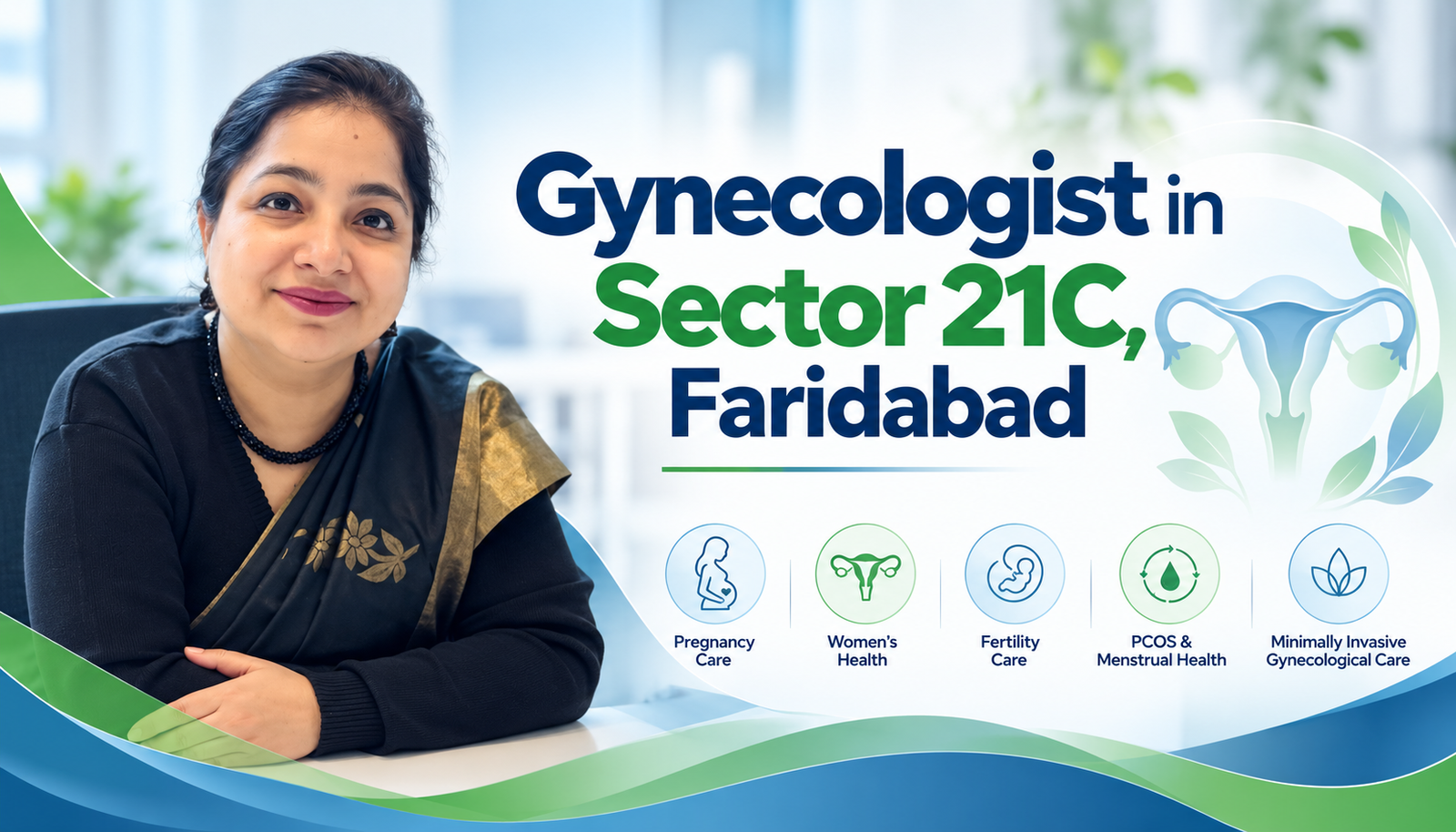
Gynecologist in Sector 21C, Faridabad – Dr. Shweta Mendiratta

For women living in Sector 21C and nearby areas of Faridabad, finding a gynecologist who can provide care across different stages of life can make women’s healthcare more convenient and consistent. From irregular periods and PCOS to pregnancy, fertility concerns, fibroids, endometriosis and menopause, gynecological needs can change considerably over time.

A gynecologist can help women understand symptoms early, identify conditions that require treatment and provide appropriate preventive and reproductive healthcare.

Dr. Shweta Mendiratta is a gynecologist and obstetrician in Faridabad with more than 15 years of experience. She is Director & Head – Unit II, Obstetrics & Gynecology at Yatharth Hospital, Sector 20, Faridabad, and her areas of expertise include high-risk pregnancy, infertility, minimally invasive gynecological procedures, hysteroscopy and women’s healthcare.

Importantly for women searching specifically in this locality, her official website lists Mediclub Gynae ‘N’ Neuro Clinic in Sector 21C, Faridabad as one of her consultation locations.

When Should Women in Sector 21C See a Gynecologist?

You do not necessarily need to wait until a gynecological problem becomes severe before consulting a specialist.

A gynecologist can evaluate concerns such as:

  • Irregular or missed periods
  • Very heavy menstrual bleeding
  • Severe period pain
  • Persistent pelvic pain
  • Unusual vaginal discharge
  • Recurrent vaginal infections
  • PCOS symptoms
  • Difficulty becoming pregnant
  • Pregnancy-related concerns
  • Fibroids
  • Endometriosis
  • Menopause or perimenopause symptoms
  • Abnormal bleeding
  • Concerns related to contraception or reproductive health

Some symptoms may have relatively simple explanations, while others may require examination or investigations.

For example, irregular periods can occur for several reasons and should not automatically be attributed to PCOS. Dr. Shweta’s recent article on PCOS and irregular periods explains why proper evaluation matters

Women’s Health Concerns Commonly Managed by a Gynecologist

Gynecological care covers much more than pregnancy.

PCOS and Irregular Periods

Polycystic ovary syndrome, commonly known as PCOS, can be associated with irregular periods, acne, unwanted hair growth, weight changes and difficulties with ovulation.

However, not every woman with irregular periods has PCOS.

A gynecological evaluation may consider menstrual history, symptoms, medical history and appropriate investigations before determining the likely cause.

Treatment is individualized depending on the woman’s symptoms, reproductive goals and overall health.

Painful or Heavy Periods

Period-related symptoms can vary considerably between women.

Occasional discomfort may be manageable, but severe menstrual pain, unusually heavy bleeding or periods that interfere with everyday activities deserve medical attention.

Persistent heavy bleeding may contribute to anemia and can sometimes be associated with conditions such as fibroids, adenomyosis or hormonal disturbances.

Rather than simply accepting severe period symptoms as something every woman has to tolerate, it can be useful to discuss persistent symptoms with a gynecologist.

Fibroids and Uterine Problems

Fibroids are non-cancerous growths that develop in or around the uterus.

Some women with fibroids have no symptoms, while others may experience:

  • Heavy periods
  • Pelvic pressure
  • Abdominal discomfort
  • Pain
  • Frequent urination
  • Difficulty conceiving in selected cases

The impact of fibroids depends on their size, number and location.

Importantly, having fibroids does not automatically mean surgery is required.

Dr. Shweta’s article on pregnancy with fibroids explains that many women with fibroids can become pregnant, although certain fibroids can affect conception or pregnancy depending on their characteristics.

Endometriosis and Pelvic Pain

Endometriosis occurs when tissue similar to the lining of the uterus grows outside the uterus.

It may be associated with:

  • Painful periods
  • Pelvic pain
  • Pain during intercourse
  • Pain associated with bowel movements or urination during periods
  • Difficulty conceiving

Symptoms can vary substantially between women.

Persistent pelvic pain should not simply be dismissed as “normal period pain.” A gynecologist can assess the symptoms and determine whether further investigation is appropriate.

Pregnancy and Obstetric Care for Women in Sector 21C

Pregnancy is another important reason women seek an experienced obstetrician.

Pregnancy care generally begins before conception and continues through pregnancy, delivery and the postpartum period.

Preconception Care

A preconception consultation can be useful for women planning pregnancy, particularly when there are existing medical conditions or previous pregnancy concerns.

A consultation may cover:

  • General health
  • Medical history
  • Previous pregnancies
  • Medications
  • Nutrition
  • Lifestyle
  • Existing conditions such as PCOS, thyroid disorders or diabetes
  • Fertility considerations

Dr. Shweta’s pregnancy-planning guide explains why discussing health conditions and preparation before conception can be valuable.

Antenatal Care

Once pregnancy occurs, regular antenatal care helps monitor the health of both mother and baby.

Depending on the pregnancy, care can involve:

  • Routine pregnancy monitoring
  • Ultrasound and recommended screening
  • Maternal health assessment
  • Fetal growth monitoring
  • Nutritional guidance
  • Screening for pregnancy-related complications
  • Birth planning

High-Risk Pregnancy

Some pregnancies require closer monitoring because of maternal health conditions, previous pregnancy complications or factors affecting the pregnancy.

Dr. Shweta’s official profile describes her experience in identifying and managing high-risk pregnancies according to established guidelines and protocols.

Women with a high-risk pregnancy may benefit from coordinated care and access to appropriate hospital facilities.

Infertility and Fertility Evaluation

Difficulty conceiving can be emotionally challenging, and women may sometimes blame themselves for infertility.

However, infertility can involve female factors, male factors, both partners or sometimes unexplained factors.

Female factors may include:

  • Ovulation disorders
  • PCOS
  • Endometriosis
  • Fallopian tube problems
  • Uterine abnormalities
  • Fibroids
  • Age-related changes

A fertility evaluation is not necessarily about immediately proceeding to advanced treatment.

The first step is understanding the possible cause.

Dr. Shweta’s existing infertility guide discusses common causes of infertility, including ovulation disorders, endometriosis, fallopian-tube problems and uterine abnormalities.

Depending on the circumstances, both partners may need evaluation.

Minimally Invasive Gynecological Surgery

Some gynecological conditions may require a procedure or surgery when medication or observation is not appropriate.

Dr. Shweta’s professional profile lists experience in laparoscopic surgery, hysteroscopy, conventional gynecological surgery and hysterectomy, along with infertility-related laparoscopic procedures.

Laparoscopic Surgery

Laparoscopy uses small incisions and a camera to allow surgeons to examine or operate inside the abdomen.

It may be considered for selected conditions such as:

  • Certain ovarian conditions
  • Endometriosis
  • Selected fibroids
  • Infertility-related evaluation
  • Other gynecological conditions

Hysteroscopy

Hysteroscopy allows a doctor to examine the inside of the uterus using a thin camera.

It can be useful for evaluating or treating selected problems within the uterine cavity, including certain polyps or fibroids.

Not every patient requires minimally invasive surgery. The appropriate approach depends on the diagnosis, symptoms, reproductive plans and overall health.

Why Choosing the Right Gynecologist Matters

A gynecologist may become a long-term healthcare professional in a woman’s life.

When choosing a gynecologist, consider:

Experience and Qualifications

Look for appropriate qualifications and experience in the areas relevant to your needs.

Range of Care

Women may prefer a doctor who can provide care across menstrual health, pregnancy, fertility and other gynecological concerns.

Communication

You should feel comfortable discussing personal symptoms and asking questions.

Follow-Up

Many gynecological conditions require monitoring rather than a single consultation.

Hospital Support

For pregnancy, surgery or conditions that may require additional care, access to appropriate hospital facilities can be important.

Dr. Shweta’s profile lists MBBS, MS in Obstetrics & Gynecology, DNB, FICOG and CIMP, along with more than 15 years of experience. She is also described as Director & Head – Unit II, Obstetrics & Gynecology at Yatharth Hospital, Sector 20, Faridabad.

Why Location Matters When Choosing a Gynecologist

For women living in Sector 21C, having access to a gynecologist in or around the locality can make ongoing care easier.

This can be particularly relevant for:

  • Pregnancy appointments
  • Follow-up consultations
  • Fertility evaluations
  • Menstrual problems requiring monitoring
  • Post-procedure reviews
  • Chronic gynecological conditions

Convenience does not replace medical expertise, but easier access can help patients maintain continuity of care.

For pregnancy in particular, women may have several appointments throughout the course of pregnancy, making the location of their healthcare provider an important practical consideration.

Where Can Women in Sector 21C Consult Dr. Shweta Mendiratta?

Dr. Shweta Mendiratta’s official website currently lists two consultation locations in Faridabad.

Mediclub Gynae ‘N’ Neuro Clinic – Sector 21C

Mediclub Gynae ‘N’ Neuro Clinic

Address: Pilot No. 857, Sector 21C, Faridabad, Haryana 121001/121012 as reflected across the practice’s listings.

Her official website lists the clinic as one of her consultation locations.

The website currently lists clinic consultation hours as 5:30 PM–7:30 PM, with Thursday and Sunday shown as closed on the contact page. Because clinic schedules can change, patients should confirm the current timing before visiting.

Yatharth Super Speciality Hospital – Sector 20

Yatharth Super Speciality Hospital

Address: Plot No. 9, Sector 20, Krishna Nagar, New Industrial Township, Faridabad, Haryana 121007.

The official website currently lists Dr. Shweta’s hospital consultation hours as Monday–Saturday, 10:00 AM–4:00 PM.

For the most current appointment information, patients can contact the practice directly.

Frequently Asked Questions

1. Who is a gynecologist in Sector 21C, Faridabad?

Dr. Shweta Mendiratta is a gynecologist and obstetrician whose official website lists Mediclub Gynae ‘N’ Neuro Clinic in Sector 21C, Faridabad, as one of her consultation locations.

2. What problems can a gynecologist treat?

A gynecologist can evaluate and manage concerns including irregular periods, PCOS, heavy menstrual bleeding, pelvic pain, fibroids, endometriosis, infertility, pregnancy-related concerns and menopause symptoms.

3. Should I see a gynecologist for irregular periods?

Persistent or recurrent irregular periods are worth discussing with a gynecologist, particularly if they are associated with other symptoms such as acne, unwanted hair growth, significant weight changes or difficulty conceiving.

4. When should I see a gynecologist for infertility?

If you are having difficulty conceiving, a gynecological consultation can help identify possible female reproductive factors and determine whether further fertility evaluation is appropriate. Both partners may need evaluation depending on the circumstances.

5. Can women with fibroids become pregnant?

Yes. Many women with fibroids conceive naturally. However, the size, number and location of fibroids can influence fertility or pregnancy in some cases.

6. Does every gynecological problem require surgery?

No. Many gynecological conditions can be managed with observation, medication or other non-surgical approaches. Surgery is considered when clinically appropriate.

7. Does Dr. Shweta Mendiratta provide pregnancy care?

Yes. Her official profile describes expertise in obstetrics, routine and high-risk pregnancy management, delivery and pre- and post-pregnancy care.

8. Where does Dr. Shweta Mendiratta consult in Faridabad?

Her official website currently lists Yatharth Super Speciality Hospital, Sector 20, and Mediclub Gynae ‘N’ Neuro Clinic, Sector 21C, Faridabad.

Final Thoughts

Women’s health needs can change significantly throughout life—from the first menstrual cycle and reproductive years to pregnancy, fertility concerns, postpartum recovery and menopause.

For women living in Sector 21C, Faridabad, access to an experienced gynecologist can make it easier to seek timely evaluation for menstrual problems, PCOS, fertility concerns, pregnancy, fibroids, endometriosis and other gynecological conditions.

Dr. Shweta Mendiratta is a Gynecologist, Obstetrician, Robotic & Laparoscopic Surgeon and Infertility Specialist with more than 15 years of experience. Her official profile lists her as Director & Head – Unit II, Obstetrics & Gynecology at Yatharth Hospital, Faridabad.

If you are looking for a gynecologist in Sector 21C, Faridabad, you can consider consulting Dr. Shweta Mendiratta at her listed Mediclub Gynae ‘N’ Neuro Clinic in Sector 21C or at Yatharth Super Speciality Hospital in Sector 20.

For current appointment availability and timings, contact the practice before visiting.

This article is for general educational purposes and should not replace individualized medical advice from a qualified healthcare professional.
 

How Age Affects Female Fertility — What Every Woman Over 30 Needs to Know

No conversation about female fertility is more important — or more urgently needed in India — than the one about age. Women are increasingly pursuing education, career milestones, and financial independence before starting families, and this is entirely reasonable. But biology does not pause for our plans. Understanding how age affects fertility allows women to make informed, empowered choices — and to seek help at the right time. Dr. Shweta Mendiratta, fertility specialist and gynaecologist in Faridabad, explains what every woman over 30 needs to know.

The Biology of Egg Aging

A woman is born with all the eggs she will ever have — approximately 1–2 million at birth, declining to around 300,000–400,000 at puberty and a few thousand by menopause. Unlike sperm, which are continuously produced, eggs cannot be replaced.

Two things happen to eggs as a woman ages:

  • The quantity declines — the ovarian reserve (the number of eggs remaining) decreases with each passing year
  • The quality deteriorates — older eggs are more likely to contain chromosomal errors, leading to failed fertilisation, failed implantation, and miscarriage

These changes begin gradually in the mid-20s but accelerate significantly after age 35, and more steeply after 37–38.

Fertility by Decade

In Your 20s

Fertility is at its peak. The probability of conception per cycle is approximately 25–30%. Miscarriage risk is lowest (around 10–15% of confirmed pregnancies).

In Your 30s

Fertility begins to decline, particularly after age 33–34. By age 35, the monthly conception rate drops to approximately 15–20%. This is when ovarian reserve testing becomes meaningful. Miscarriage risk increases to approximately 20–25% by age 35.

In Your Late 30s and 40s

After 37, decline accelerates markedly. By age 40, the monthly conception rate falls to approximately 5–10%. The risk of chromosomal abnormalities (including Down syndrome) rises significantly. Miscarriage risk reaches 30–50% by age 40–44. However, with appropriate support — including medicated cycles, IUI, or IVF — many women over 40 do conceive and carry successful pregnancies.

Testing Your Ovarian Reserve

Ovarian reserve tests do not predict natural fertility precisely, but they guide treatment planning:

  • AMH (Anti-Müllerian Hormone): A blood test reflecting the number of remaining eggs. Low AMH suggests diminished ovarian reserve; this test can be done on any day of the cycle.
  • Antral Follicle Count (AFC): An ultrasound count of the small follicles visible in the ovaries at the start of the cycle. A lower AFC correlates with lower reserve and poorer response to ovarian stimulation.
  • FSH and oestradiol on day 2–3 of the cycle: Elevated FSH suggests the pituitary is working harder to recruit eggs — a sign of diminished reserve.

Dr. Mendiratta recommends that women over 32 who are planning to delay pregnancy have their ovarian reserve tested to allow informed decision-making.

Options for Women Over 35 Who Want to Conceive

Natural Conception

Many women conceive naturally in their late 30s. If you are under 35, try for 12 months before seeking specialist help. If you are 35 or older, seek evaluation after 6 months of trying. If you are 40 or older, seek evaluation immediately.

Ovulation Induction and IUI

For women with good ovarian reserve, ovulation induction with or without IUI can be effective.

IVF

IVF is the most effective fertility treatment for women with diminished ovarian reserve or age-related infertility. Preimplantation Genetic Testing (PGT-A) can be used to select chromosomally normal embryos, reducing miscarriage risk.

Egg Donation

For women with very low ovarian reserve or repeated IVF failures, egg donation offers excellent success rates. This involves using eggs from a younger donor, fertilised with the partner’s sperm, and transferred to the recipient’s uterus.

Egg Freezing (Elective Oocyte Cryopreservation)

Women who wish to delay childbearing can consider egg freezing before age 35 — ideally before 33 — to preserve younger, higher-quality eggs for future use. Dr. Mendiratta can advise on whether this is appropriate for your situation.

Frequently Asked Questions (FAQs)

Q1. I am 36 and just started trying. Should I see a specialist immediately?

Not necessarily immediately, but sooner than a woman in her 20s. If you have no known fertility issues, try for 6 months. If you have irregular cycles, endometriosis, PCOS, or a partner with known sperm issues, see a specialist straight away.

Q2. Can lifestyle changes improve egg quality?

To a degree, yes. Avoiding smoking, limiting alcohol, maintaining a healthy weight, managing stress, and ensuring adequate folic acid, CoQ10, and vitamin D intake can support egg quality. However, these measures cannot reverse age-related decline — they can only optimise the eggs you have.

Q3. If my AMH is low, does that mean I can’t get pregnant?

A low AMH means your ovarian reserve is reduced, not zero. Many women with low AMH conceive, either naturally or with IVF. It means you have less time and may need to proceed more urgently.

Q4. My periods are regular — does that mean my fertility is fine?

Regular periods indicate that you are ovulating, which is a good sign. However, regular cycles do not guarantee good egg quality or normal ovarian reserve. These require specific testing.

Q5. Is IVF safe for women over 40?

Yes, though success rates are lower and the risk of pregnancy complications is higher. Dr. Mendiratta will conduct a full assessment before recommending IVF and will monitor your pregnancy carefully if it is achieved.


Get In Touch With Dr. Shweta Mendiratta

Phone: +91-8130048652 | +91-9999093503

Email: shwetasmendiratta@gmail.com

Yatharth Super Speciality Hospital

Plot No 9, Sector-20, Krishna Nagar, New Industrial Township, Faridabad, Haryana 121007

Phone: +91 8178-939442

Mediclub Gynae ‘N’ Neuro Clinic

Pilot No. 857 Sector 21 C, Faridabad Delhi, Haryana 121001