Vaginal Birth After Caesarean (VBAC) & Trial of Labor After Caesarean (TOLAC): What Women Should Know

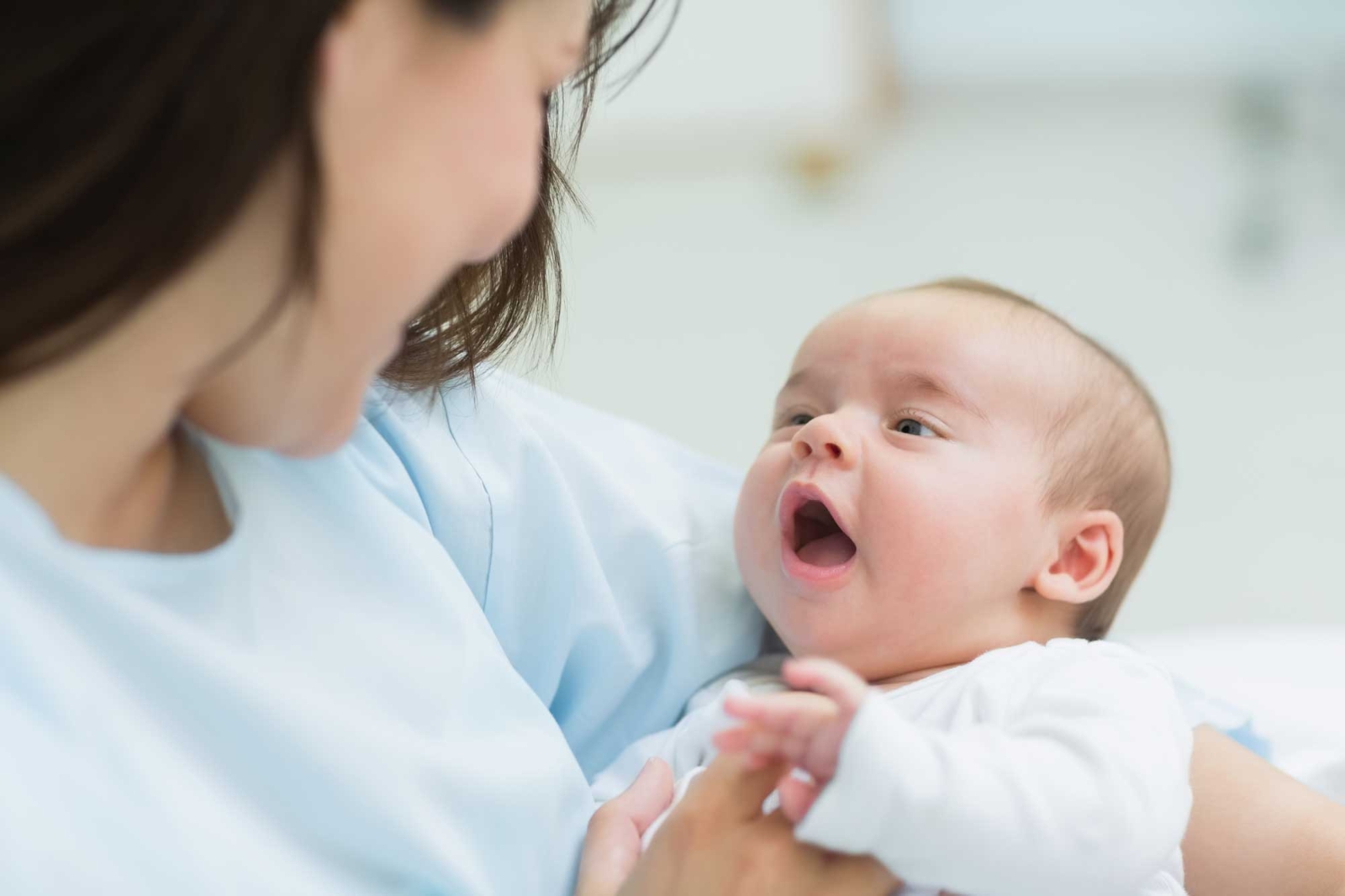
For decades, the saying “once a caesarean, always a caesarean” was widely accepted. Women who had one caesarean delivery were often told they would always need a C-section for future pregnancies. However, medical advancements and improved monitoring techniques have changed this approach. Today, many women can consider a Vaginal Birth After Cesarean (VBAC) through a carefully supervised Trial of Labor After Caesarean (TOLAC).

If you are in Faridabad and exploring your options, Dr. Shweta Mendiratta, one of the best gynecologists in Faridabad, specializes in guiding women through safe childbirth choices, including VBAC and TOLAC, with expert counseling and compassionate care.

What is VBAC?

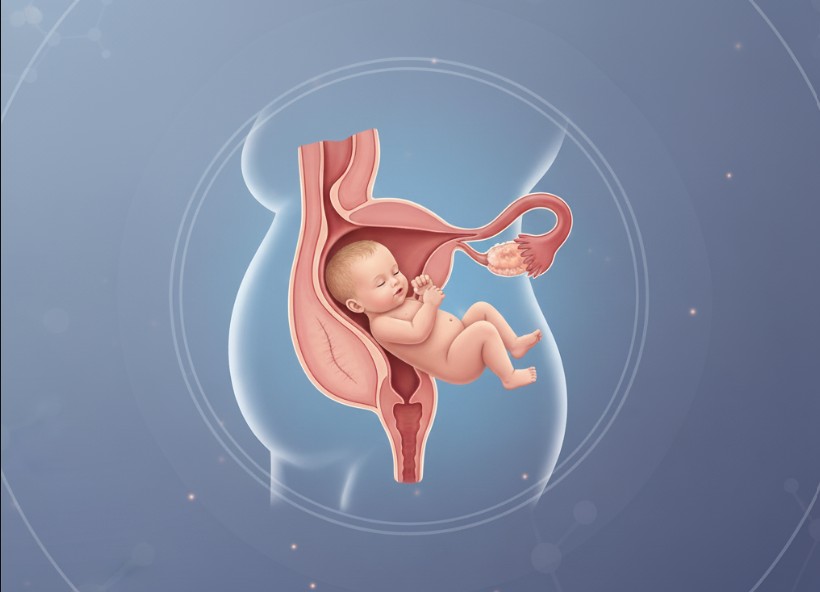
VBAC (Vaginal Birth After Caesarean) refers to delivering a baby vaginally after a previous cesarean section. With proper medical evaluation and hospital facilities, VBAC can be a safe and successful option for many women.

What is TOLAC?

TOLAC (Trial of Labor After Cesarean) is the process of attempting vaginal delivery after a previous cesarean. If labor progresses smoothly without complications, it results in a VBAC. However, if any risk arises during labor, the doctor may recommend switching to a repeat C-section.

In simple terms:

  • TOLAC = the attempt
  • VBAC = the successful outcome

Benefits of VBAC

Choosing VBAC under the guidance of an expert gynecologist has several advantages:

  • Shorter Recovery Time: Vaginal delivery typically allows for quicker recovery compared to a C-section.
  • Lower Risk of Surgical Complications: Avoids risks associated with repeated major surgeries such as infections, blood loss, or anaesthesia complications.
  • Reduced Risk in Future Pregnancies: Fewer caesareans mean fewer complications like placenta previa or placenta accreta in future pregnancies.
  • Bonding & Breastfeeding: Vaginal births may allow earlier bonding and smoother initiation of breastfeeding.
  • Sense of Achievement: Many women feel more empowered and satisfied after achieving a VBAC.

Who is a Good Candidate for VBAC?

VBAC may be recommended if:

  • You had only one prior low-transverse C-section (most common type).
  • Your reason for the previous C-section is unlikely to repeat (e.g., breech baby).
  • There are no complications in the current pregnancy.
  • The hospital is equipped for emergency cesarean delivery if needed.

Not Recommended in Cases of:

  • Previous classical (vertical) cesarean incision
  • Multiple prior C-sections without prior vaginal birth
  • Uterine rupture history
  • Placenta previa or major complications in current pregnancy

Success Rates of VBAC

Globally, the success rate of VBAC ranges from 60% to 80%, depending on maternal health, reason for previous C-section, and proper hospital support. With expert care from specialists like Dr. Shweta Mendiratta in Faridabad, women have a good chance of achieving a safe VBAC.

Risks of VBAC and TOLAC

While VBAC can be safe, it does carry risks, including:

  • Uterine rupture (rare but serious complication)
  • Emergency C-section during labor if complications arise
  • Infection or bleeding if surgery becomes necessary

That’s why it is crucial to attempt TOLAC in a hospital with emergency facilities, continuous monitoring, and an experienced gynecologist.

VBAC vs. Repeat Cesarean: What’s the Difference?

Aspect VBAC Repeat Cesarean
Recovery Faster, less pain, shorter hospital stay Longer recovery, more pain
Future Pregnancies Fewer complications Increased risk of placenta previa/accreta
Risks Small risk of uterine rupture Risks of surgical complications
Emotional Aspect Sense of natural childbirth Surgical intervention again

Preparing for VBAC: Expert Tips

  1. Discuss with Your Gynecologist Early – Talk to your doctor about VBAC options during pregnancy.
  2. Choose a Well-Equipped Hospital – Ensure facilities for 24/7 monitoring and emergency surgery.
  3. Healthy Lifestyle – Maintain a healthy diet, stay active, and practice antenatal exercises as advised.
  4. Mental Preparedness – Stay open-minded; while VBAC is possible, sometimes a repeat C-section is the safest option.
  5. Continuous Support – Emotional support from your partner and family is crucial.

Why Choose Dr. Shweta Mendiratta for VBAC in Faridabad?

  • Extensive Experience: Dr. Shweta has helped numerous women achieve successful VBAC deliveries.
  • Personalized Counseling: Every case is unique, and she provides tailored guidance based on health and pregnancy history.
  • Advanced Facilities: Practicing at one of the best hospitals in Faridabad, she ensures safe labor monitoring and emergency preparedness.
  • Compassionate Care: Known for her approachable and supportive nature, Dr. Shweta makes women feel comfortable in making informed decisions.

FAQs

Q1. Is VBAC safe for everyone?
No, VBAC is recommended only for selected women. A gynecologist evaluates the type of previous cesarean incision, pregnancy health, and other factors before advising VBAC.

Q2. What is the difference between TOLAC and VBAC?
TOLAC is the attempt at labor after cesarean, while VBAC is the successful vaginal birth outcome.

Q3. What are the chances of VBAC success?
On average, 60–80% of women attempting VBAC have successful vaginal deliveries.

Q4. Can I plan for VBAC if I had two previous C-sections?
It may be possible in selected cases, but generally, the risks increase with multiple cesareans. Consult a gynecologist for evaluation.

Q5. Why should I consider VBAC?
VBAC offers faster recovery, fewer surgical risks, and reduced complications in future pregnancies.

Conclusion

VBAC and TOLAC represent a safe and empowering choice for many women who want a vaginal birth after a cesarean. With the right evaluation, hospital support, and an experienced gynecologist, it is possible to achieve a positive childbirth experience.

If you are exploring VBAC in Faridabad, trust Dr. Shweta Mendiratta, the best gynecologist in Faridabad, for expert guidance, safe care, and compassionate support throughout your journey.

Adolescent Gynecology: Understanding Teen Health Issues & The Role of the Best Gynecologist in Faridabad

Adolescence is a very special phase in a girl’s life. It marks the transition from childhood to adulthood and brings several physical, hormonal, and emotional changes. For girls, this stage often comes with the onset of menstruation, hormonal fluctuations, and body changes that can sometimes feel overwhelming. Adolescent gynecology is a branch of medicine dedicated to addressing these issues, ensuring that young girls receive the right care, guidance, and awareness about their reproductive and overall health.

If you are looking for expert guidance, Dr. Shweta Mendiratta, one of the best gynecologists in Faridabad, is known for her compassionate approach and expertise in adolescent health, preventive care, and women’s wellness at every stage of life.

Why Adolescent Gynecology is Important

Many parents hesitate to take their teenage daughters to a gynecologist, assuming gynecology visits are only necessary during pregnancy or later in life. However, early gynecological guidance can help address several concerns such as:

  • Irregular or painful periods
  • Heavy bleeding or missed cycles
  • PCOS (Polycystic Ovary Syndrome)
  • Concerns about growth, puberty, and hormonal health
  • Menstrual hygiene practices
  • Mental and emotional health support

Early awareness ensures girls grow into healthy, confident women who understand their bodies.

Common Adolescent Gynecology Health Issues

  1. Menstrual Irregularities

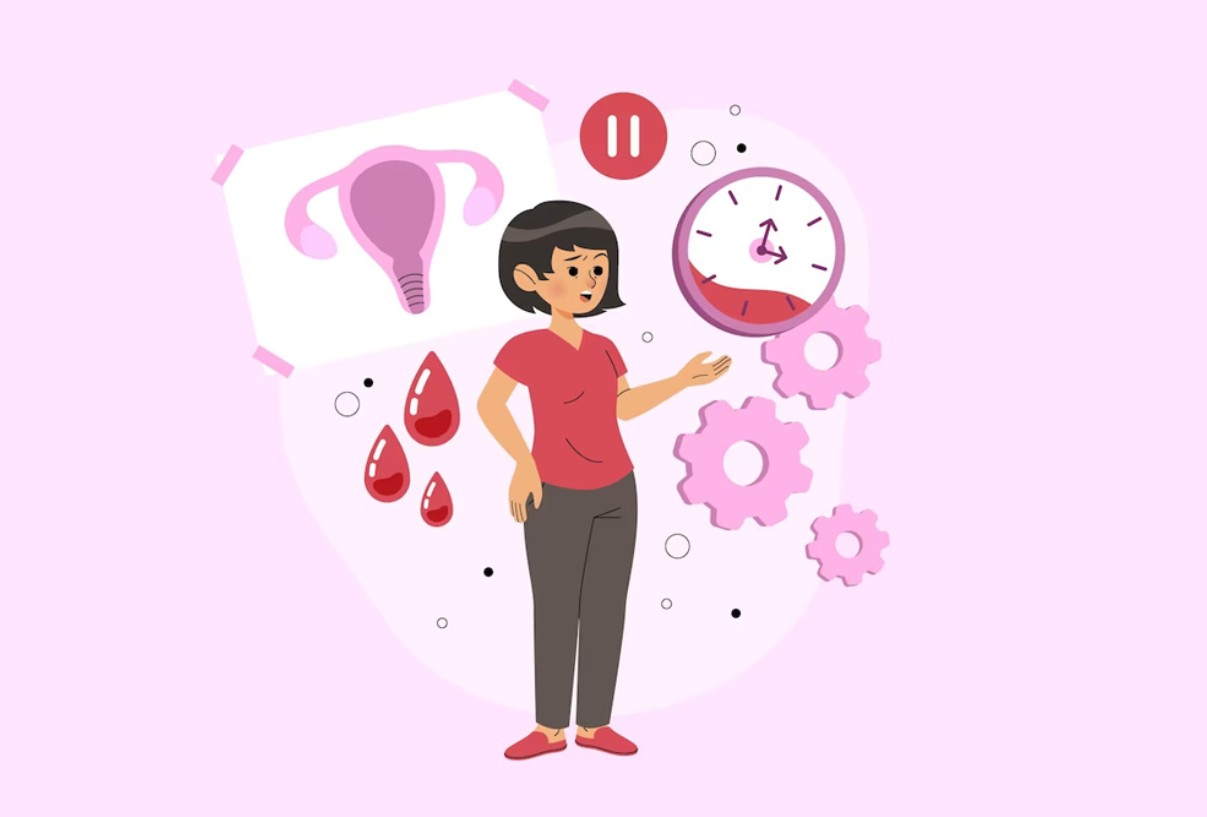
It is normal for girls to have irregular periods in the first 1–2 years after menarche (first period). However, very heavy bleeding, painful cramps, or no periods for months may indicate an underlying condition such as hormonal imbalance or thyroid issues. Consulting a gynecologist helps detect and treat these early.

  1. Polycystic Ovary Syndrome (PCOS) in Teens

PCOS is becoming increasingly common among adolescents due to sedentary lifestyles, poor dietary habits, and stress. Early signs include:

  • Irregular periods
  • Excess facial or body hair
  • Weight gain
  • Acne and oily skin

PCOS requires lifestyle modification, dietary changes, and sometimes medical intervention. With the right care from a specialist like Dr. Shweta Mendiratta (Best Gynecologist in Faridabad), PCOS can be managed effectively in teenagers.

  1. Menstrual Hygiene Awareness

One of the most important aspects of adolescent gynecology is menstrual hygiene education. Many teenage girls still lack awareness about:

  • Using sanitary pads, tampons, or menstrual cups correctly
  • Changing pads regularly to prevent infections
  • Washing and maintaining hygiene during periods
  • Recognizing abnormal bleeding patterns

Proper education can prevent urinary tract infections (UTIs), vaginal infections, and discomfort.

  1. Body Image & Nutrition

Adolescents often struggle with body image issues due to hormonal changes and peer pressure. Crash diets, excessive junk food, or lack of exercise can lead to long-term health problems.
Gynecologists guide teenage girls about balanced nutrition, adequate iron and calcium intake, and maintaining a healthy body weight.

  1. Sexual & Reproductive Health Education

Though often considered a sensitive topic, it is important for teenagers to receive the right knowledge about reproductive health, safe practices, and consent. A gynecologist can provide confidential, science-based guidance that helps prevent misconceptions.

  1. Vaccinations (HPV and Others)

The HPV (Human Papillomavirus) vaccine is strongly recommended for adolescents to prevent cervical cancer later in life. Other vaccines, like hepatitis B, are also part of preventive health care.

Preventive Care & Health Check-Ups for Adolescents

Preventive health check-ups can identify potential concerns before they become serious. These include:

  • Regular menstrual cycle tracking
  • Blood tests to check for anemia or hormonal imbalance
  • Vaccination updates
  • Basic physical examinations

Dr. Shweta Mendiratta emphasizes preventive health check-ups for young girls in Faridabad, ensuring that they enter adulthood with confidence and good health.

Lifestyle, Stress & Mental Health

Adolescents often experience stress due to studies, peer pressure, and body changes. Stress can worsen menstrual problems and lead to unhealthy habits. Regular exercise, yoga, meditation, and open conversations with parents and doctors can help manage stress.

Role of Parents & Schools

Parents and teachers play a major role in guiding adolescents. Open conversations about periods, body changes, and health can make teenage girls feel comfortable seeking help when needed.

Why Consulting a Gynecologist Matters

Many girls hesitate to talk about their menstrual or reproductive health problems due to stigma or shyness. A visit to a gynecologist:

  • Helps them understand their bodies
  • Clears misconceptions about menstruation and puberty
  • Detects early health issues like PCOS, thyroid, or hormonal imbalances
  • Promotes preventive care and vaccinations

Dr. Shweta Mendiratta, one of the best gynecologists in Faridabad, specializes in adolescent gynecology and women’s wellness. Her patient-friendly and empathetic approach makes young girls and parents feel comfortable and reassured.

About Dr. Shweta Mendiratta – Best Gynecologist in Faridabad

Dr. Shweta Mendiratta is a highly experienced gynecologist in Faridabad, known for her expertise in adolescent gynecology, preventive women’s health, antenatal care, and minimally invasive gynecological procedures.
She believes in empowering women with knowledge about their health at every stage of life—from adolescence to pregnancy and beyond.


 FAQs

Q1. When should a teenager first visit a gynecologist?
A girl should visit a gynecologist if she experiences very painful, heavy, or irregular periods, or if she has concerns about her growth, puberty, or reproductive health. Preventive visits are also beneficial.

Q2. Is it normal for periods to be irregular in teenagers?
Yes, it is common for cycles to be irregular in the first 1–2 years after menarche. However, if irregularity persists, it’s best to consult a gynecologist.

Q3. What is the best age for the HPV vaccine?
The HPV vaccine is ideally given between ages 9–14, but it can also be administered later. It helps protect against cervical cancer.

Q4. Can lifestyle changes help with PCOS in teens?
Yes, lifestyle modification, regular exercise, a healthy diet, and stress management play a key role in managing PCOS effectively.

Q5. Why choose Dr. Shweta Mendiratta for adolescent gynecology in Faridabad?
Dr. Shweta provides expert guidance, a compassionate approach, and personalized care for teenage girls, making her one of the best gynecologists in Faridabad.

Conclusion

Adolescent gynecology is not just about treating medical problems—it is about empowering young girls with the right awareness, preventive care, and lifestyle guidance. With the right support from parents, schools, and healthcare providers, teenage girls can grow into confident and healthy women.

If you are seeking expert care for your daughter’s gynecological health, Dr. Shweta Mendiratta, the best gynecologist in Faridabad, is here to guide you at every step.