
PCOS and Irregular Periods: When Should You See a Gynecologist? 10 Questions Answered

Irregular periods are one of the most common reasons women search for answers online before ever booking a doctor’s visit — and PCOS (Polycystic Ovary Syndrome) is very often the underlying cause. Yet PCOS remains widely misunderstood: some women dismiss it as “just irregular periods,” while others assume every menstrual irregularity must mean PCOS. Neither assumption is quite right.

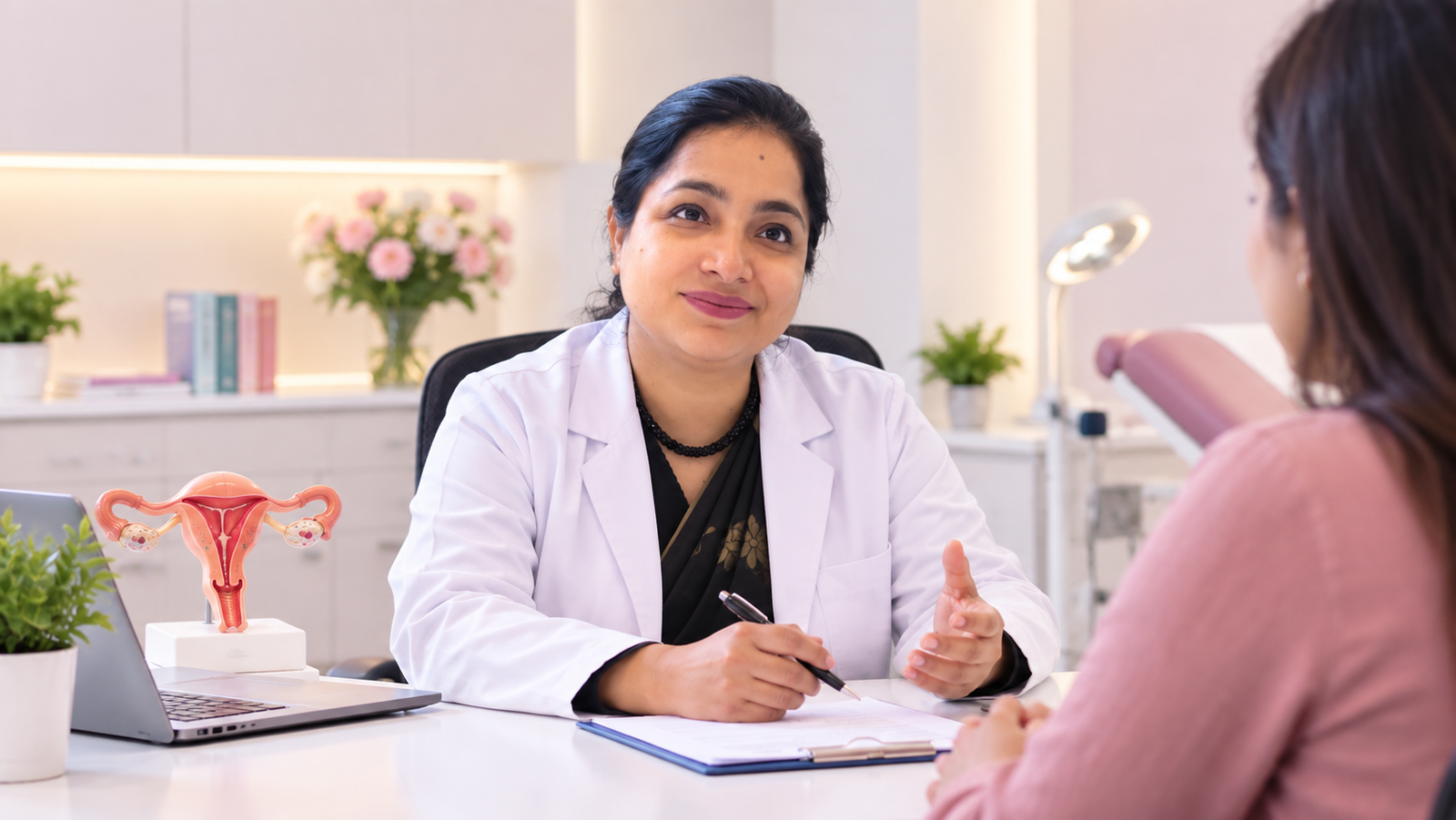
This FAQ guide from Dr. Shweta Mendiratta, Director & Head – Unit II, Obstetrics & Gynecology at Yatharth Hospital, Faridabad, answers 10 of the most common questions women ask about PCOS, irregular periods, and when it’s time to seek proper evaluation for PCOS treatment in Faridabad.

1. Can PCOS cause irregular periods?

Yes — irregular periods are one of the hallmark symptoms of PCOS. The condition affects how the ovaries function, often disrupting regular ovulation. When ovulation doesn’t happen consistently, periods become unpredictable in one or more ways:

  • Cycles longer than 35 days
  • Fewer than eight periods a year
  • Periods that stop altogether for months at a time
  • Unpredictable timing that makes cycles difficult to track

Not every woman with PCOS experiences the same degree of irregularity — for some it’s a mild pattern shift, while for others periods may be absent for months.

2. Are irregular periods always caused by PCOS?

No. While PCOS is one of the most common causes of irregular periods in women of reproductive age, it’s far from the only one. Other causes include:

  • Thyroid dysfunction (both underactive and overactive)
  • Significant stress or sudden weight changes
  • Excessive exercise or very low body weight
  • Perimenopause, in women in their late 30s and 40s
  • Uterine conditions such as fibroids or polyps

This is exactly why irregular periods shouldn’t be self-diagnosed as PCOS — proper evaluation is needed to identify the actual underlying cause, since treatment differs significantly depending on it.

3. When should irregular periods be investigated?

As a general guideline, it’s worth seeking evaluation if you notice:

  • Irregular cycles persisting for more than two to three consecutive months
  • A sudden, unexplained change from your usual regular pattern
  • Periods that have stopped for three months or more (and you’re not pregnant)
  • Irregular cycles accompanied by other symptoms like acne, excess hair growth, or weight changes

Tracking your cycle for a couple of months before your appointment — even just start and end dates — gives your gynecologist useful information to work with at the first visit.

4. Can PCOS affect fertility?

Yes, PCOS is one of the leading causes of ovulatory infertility — difficulty conceiving due to irregular or absent ovulation. Because eggs aren’t released consistently, it can take longer to conceive naturally. That said, PCOS-related infertility is generally manageable, and many women with PCOS go on to conceive successfully with appropriate treatment, which may include:

  • Lifestyle and weight management, where relevant
  • Medications to induce or regulate ovulation
  • In some cases, assisted reproductive techniques if first-line treatment isn’t sufficient

Early evaluation matters here too — the sooner PCOS-related fertility concerns are addressed, the more treatment options remain straightforward.

5. What tests may be recommended for PCOS?

There’s no single test that confirms PCOS on its own; diagnosis is typically based on a combination of clinical evaluation and specific tests, which may include:

  • Pelvic ultrasound, to check for the characteristic appearance of the ovaries
  • Blood tests, to assess hormone levels including LH, FSH, testosterone, and prolactin
  • Thyroid function tests, to rule out thyroid disorders as the cause
  • Fasting glucose and insulin levels, since PCOS is closely linked with insulin resistance
  • Lipid profile, given the metabolic associations of PCOS

Your gynecologist will typically tailor this workup based on your specific symptoms rather than running every test for every patient.

6. Can PCOS symptoms be managed?

Yes — while PCOS isn’t something that’s “cured” in the traditional sense, it’s very manageable with the right combination of approaches, which usually include:

  • Lifestyle changes, particularly diet and regular physical activity, which can meaningfully improve symptoms even with modest weight change
  • Medications to regulate periods, manage insulin resistance, or reduce androgen-related symptoms like acne and excess hair growth
  • Fertility treatment, when conception is the goal
  • Ongoing monitoring, since PCOS management is typically a long-term, adjustable plan rather than a one-time fix

Most women see meaningful improvement in symptoms once a personalized management plan is in place — the key is consistency rather than a quick fix.

7. When should I see a gynecologist for PCOS?

Book a consultation if you notice any combination of:

  • Irregular or absent periods over several months
  • Unexplained weight gain, especially around the abdomen
  • Persistent acne that hasn’t responded to typical skincare
  • Excess hair growth on the face, chest, or back
  • Difficulty conceiving

You don’t need to wait until symptoms significantly disrupt your life — earlier evaluation generally means simpler, more effective management, and it also allows monitoring for the longer-term health considerations linked with PCOS.

8. Can PCOS affect weight, acne, or hair growth?

Yes, and these are among the most common — and most frustrating — symptoms women with PCOS experience, largely driven by elevated androgen levels and insulin resistance:

  • Weight gain, often concentrated around the abdomen, and difficulty losing weight despite effort
  • Acne, typically along the jawline, chin, and lower face, and often resistant to standard treatments
  • Excess hair growth (hirsutism) on the face, chest, or back
  • Hair thinning on the scalp, in some cases

Because these symptoms are hormonally driven, they often improve significantly once the underlying hormonal imbalance is addressed — rather than through skincare or weight-loss efforts alone.

9. Does PCOS increase the risk of other long-term health problems?

It can, which is part of why ongoing gynecological monitoring matters even once your periods or fertility concerns are addressed. PCOS is associated with a higher long-term risk of:

  • Type 2 diabetes, due to insulin resistance
  • High blood pressure and cardiovascular risk factors
  • Endometrial changes, related to infrequent ovulation and periods
  • Sleep apnea, in some cases

This doesn’t mean these outcomes are inevitable — but it’s a strong reason to manage PCOS proactively with periodic monitoring, rather than treating it as a purely cosmetic or fertility-related concern.

10. How do I book a consultation for PCOS treatment in Faridabad?

Getting an initial evaluation is straightforward. Before your visit, it helps to:

  • Track your last few cycles — dates, duration, and flow, if you can recall them
  • Note other symptoms — acne, hair growth, weight changes, and when they started
  • List any family history of PCOS, diabetes, or thyroid conditions
  • Bring previous test results, if you’ve had any hormone or thyroid tests done before

You can book an appointment with Dr. Shweta Mendiratta by calling +91-8130048652, +91-9999093503, or +91-8178939442, or through the online appointment form on her website.

Managing PCOS with Dr. Shweta Mendiratta in Faridabad

Dr. Shweta Mendiratta is Director & Head – Unit II, Obstetrics & Gynecology at Yatharth Hospital, Faridabad, with over 15 years of experience and more than 15,000 patients treated. She offers comprehensive evaluation and personalized management for PCOS, menstrual disorders, and related fertility concerns — combining hormonal, lifestyle, and, where needed, fertility treatment approaches tailored to each patient rather than a one-size-fits-all protocol.

Clinic Locations:

  • Yatharth Hospital, Sector 20, Faridabad — Monday to Saturday, 10:00 AM – 4:00 PM
  • Mediclub Gynae ‘N’ Neuro Clinic, Sector 21C, Faridabad — Monday to Sunday, 5:30 PM – 7:30 PM (Thursday & Sunday closed)

Dealing with irregular periods or PCOS symptoms? Book an appointment with Dr. Shweta Mendiratta or call +91-8130048652 for evaluation and personalized treatment.

How to Choose the Best Gynecologist in Faridabad: 10 Questions Every Woman Should Ask

Choosing a gynecologist in Faridabad isn’t like choosing any other doctor. It’s a relationship you may rely on for years — through routine check-ups, pregnancy, childbirth, fertility concerns, and every life stage in between. Getting it right the first time saves you from switching doctors mid-treatment or, worse, delaying care because you didn’t feel comfortable asking questions.

This FAQ guide, based on the practice of Dr. Shweta Mendiratta, Director & Head – Unit II, Obstetrics & Gynecology at Yatharth Hospital, Faridabad, walks through the 10 questions every woman should ask before choosing a gynecologist in Faridabad— and why each one genuinely matters.

1. What qualifications should I look for in a gynecologist?

Before anything else, check the doctor’s core training. At minimum, look for:

  • MBBS and MS/MD in Obstetrics & Gynecology from a recognized medical institute
  • A DNB (Diplomate of National Board) in Obstetrics & Gynecology, which reflects additional specialized training
  • Credentials like FICOG (Fellow of the Indian College of Obstetricians and Gynaecologists), which indicate advanced standing in the field
  • Certifications in specific areas relevant to you, such as menopause management or minimally invasive surgery

Dr. Shweta Mendiratta holds an MBBS and MS in Obstetrics & Gynecology from the Institute of Medical Sciences, BHU, a DNB in Obstetrics & Gynecology, and is a credentialed FICOG and IMS Certified Menopause Practitioner (CIMP) — credentials worth confirming with any gynecologist in Faridabad you’re considering.

2. How many years of experience does the doctor have, and in what areas?

Experience matters, but so does breadth. A gynecologist in Faridabad who regularly handles a wide range of cases — not just routine ones — is better positioned to catch complications early and manage them confidently. Ask specifically about experience with:

  • Normal and high-risk pregnancies
  • Cesarean sections and instrumental deliveries
  • Menstrual disorders, fibroids, and ovarian cysts
  • Infertility evaluation and treatment
  • Laparoscopic and robotic gynecological surgery

Dr. Mendiratta brings over 15 years of experience as a Senior Consultant Obstetrician and Laparoscopic Gynaecologist, having treated more than 15,000 patients across these exact areas.

3. Does the doctor specialize in high-risk pregnancy management?

Not every pregnancy is straightforward. Conditions like gestational diabetes, hypertension, preeclampsia, twin pregnancies, or a previous cesarean section all require closer monitoring and specialized management. It’s worth asking directly:

  • Has the doctor managed cases similar to your risk factors before?
  • What is the protocol for monitoring a high-risk pregnancy?
  • Is the doctor available for urgent concerns outside scheduled visits?

High-risk pregnancy management is one of Dr. Mendiratta’s key areas of specialization, covering conditions such as premature labor, preeclampsia, diabetes and hypertension in pregnancy, twin pregnancies, and pregnancies following IVF.

4. What surgical options does the doctor offer if surgery becomes necessary?

Conditions like fibroids, ovarian cysts, adenomyosis, or endometriosis sometimes require surgical treatment. Ask whether the gynecologist in Faridabad offers:

  • Laparoscopic (minimally invasive) surgery — smaller incisions, faster recovery, less scarring
  • Hysteroscopy — for diagnosing and treating conditions inside the uterus
  • Robotic-assisted gynecological surgery — for complex cases requiring greater precision

Dr. Mendiratta is trained in minimally invasive gynecology, including laparoscopy, hysteroscopy, and robotic-assisted gynecological surgery — meaning that if surgery is ever needed, it can often be done with a faster, less invasive approach rather than traditional open surgery.

5. Does the gynecologist offer infertility evaluation and treatment?

If you’re facing difficulty conceiving, this is a critical question to ask upfront, since not every gynecologist manages infertility in-house. Ask about:

  • Whether comprehensive infertility evaluations are done at the clinic
  • What treatment options are offered — medication, lifestyle changes, or assisted reproductive technologies
  • Whether the doctor coordinates with fertility specialists or IVF centers if advanced treatment is needed

Dr. Mendiratta provides comprehensive infertility evaluations to identify underlying causes and offers personalized treatment plans, including support for IVF pregnancies once conception is achieved.

6. What can I expect during a first visit?

Knowing what happens before you walk in makes the visit far less intimidating. A thorough first consultation should typically include:

  • A detailed discussion of your medical history, menstrual history, and current concerns
  • A physical exam, which may include a pelvic exam depending on your symptoms
  • Time to ask questions and discuss any worries about your reproductive health without feeling rushed

At Dr. Mendiratta’s practice, the first visit is structured around understanding your history and concerns fully before recommending any tests or treatment — not a rushed, one-size-fits-all consultation.

7. Does the doctor offer postpartum and lactation support, not just delivery care?

Good obstetric care doesn’t end at delivery. Ask whether the doctor’s practice supports you through the postpartum period, including:

  • Postpartum recovery and nutrition guidance
  • Lactation (breastfeeding) support
  • Screening for postpartum blues or mood changes
  • Contraception counseling once you’re ready

Dr. Mendiratta’s practice covers the full postpartum journey — from nutrition and postpartum exercise to lactation support and contraception counseling — rather than treating delivery as the final step of care.

8. Where is the clinic located, and how easy is it to schedule follow-ups?

Whether it’s a pregnancy requiring monthly (then weekly) visits, or ongoing management of a condition like fibroids, accessibility matters. Before choosing a gynecologist, check:

  • Is the clinic conveniently located for regular visits?
  • Are there multiple locations or evening slots to fit a working schedule?
  • Is the doctor attached to a hospital for emergency or surgical needs?

Dr. Shweta Mendiratta consults at two locations in Faridabad:

  • Yatharth Hospital, Sector 20, Faridabad — Monday to Saturday, 10:00 AM – 4:00 PM (Sunday closed)
  • Mediclub Gynae ‘N’ Neuro Clinic, Sector 21C, Faridabad — Monday to Sunday, 5:30 PM – 7:30 PM (Thursday & Sunday closed)

Her hospital affiliation with Yatharth Hospital also means surgical and emergency backup is readily available if needed.

9. What do other patients say about their experience with the doctor?

Patient reviews often reveal things a website bio can’t — how a doctor communicates during labor, how accessible they are for urgent questions, and how patients felt during sensitive conversations. Look for reviews mentioning:

  • Communication style during pregnancy and delivery
  • Responsiveness to calls or messages outside clinic hours
  • How complications or high-risk situations were handled

Patients of Dr. Mendiratta consistently describe her as patient, approachable, and available even outside regular hours — with many specifically noting smooth pregnancy journeys and feeling genuinely heard during consultations.

10. How do you book an appointment, and what should you bring?

Once you’ve decided on a gynecologist, a few practical steps make your first visit smoother:

  • Book ahead by phone, WhatsApp, or the clinic’s online appointment form
  • Carry previous records — old prescriptions, ultrasound reports, or blood test results, if relevant
  • Note your menstrual history, including cycle length and any irregularities
  • List current medications or supplements, including prenatal vitamins if pregnant

You can book an appointment with Dr. Shweta Mendiratta by calling +91-8130048652, +91-9999093503, or +91-8178939442, or via WhatsApp, or through the online appointment form on her website.

Why Women in Faridabad Choose Dr. Shweta Mendiratta

Dr. Shweta Mendiratta is Director & Head – Unit II, Obstetrics & Gynecology at Yatharth Hospital, Faridabad, with over 15 years of experience and more than 15,000 patients treated. She holds an MBBS and MS in Obstetrics & Gynecology from BHU, a DNB in Obstetrics & Gynecology, and is a credentialed FICOG and Certified Menopause Practitioner. Her practice spans routine gynecological care, high-risk pregnancy management, infertility treatment, and minimally invasive and robotic-assisted surgery — combined with a compassionate, evidence-based approach that has made her one of the most trusted names in women’s healthcare in Faridabad.

Ready to consult a specialist? Book an appointment with Dr. Shweta Mendiratta at Yatharth Hospital, Sector 20, or Mediclub Gynae ‘N’ Neuro Clinic, Faridabad.

7 Warning Signs During Pregnancy You Shouldn’t Ignore

Pregnancy brings a wide range of physical changes, and it’s not always easy to distinguish between normal discomfort and a sign that something may be wrong. While many symptoms during pregnancy are harmless, certain warning signs require immediate medical attention. As a trusted gynecologist in Faridabad, Dr. Shweta Mendiratta emphasizes that early recognition of these signs can make a critical difference in outcomes for both mother and baby.

Here are seven warning signs during pregnancy that should never be ignored.

  1. Vaginal Bleeding

While light spotting can sometimes occur, especially in early pregnancy, any significant vaginal bleeding should be evaluated promptly. Bleeding can be a sign of several conditions depending on the stage of pregnancy:

  • First trimester: Could indicate miscarriage or ectopic pregnancy
  • Second trimester: May signal placental issues or cervical insufficiency
  • Third trimester: Could indicate placenta previa or placental abruption, both of which are medical emergencies

If you experience bleeding accompanied by pain, cramping, or clots, contact your gynecologist immediately rather than waiting to see if it resolves on its own.

  1. Severe or Persistent Headaches

Occasional mild headaches are common during pregnancy due to hormonal changes. However, severe, persistent headaches — especially in the second or third trimester — can be an early sign of preeclampsia, a serious condition involving high blood pressure that can affect both mother and baby if left untreated.

Headaches accompanied by visual disturbances, swelling, or upper abdominal pain should be treated as urgent and require immediate evaluation.

  1. Sudden Swelling in Face, Hands, or Feet

Some swelling in the feet and ankles is normal during pregnancy, particularly in the third trimester. However, sudden or severe swelling, especially in the face and hands, combined with rapid weight gain, can be another warning sign of preeclampsia.

This condition can develop quickly, so any sudden change in swelling patterns should be reported to your doctor without delay.

  1. Reduced or Absent Fetal Movement

By around 28 weeks, most women develop a sense of their baby’s regular movement patterns. A noticeable decrease in fetal movement, or the complete absence of movement over several hours, can indicate fetal distress and needs immediate medical evaluation.

Doctors often recommend “kick counts” during the third trimester — tracking fetal movements over a set period — to help identify any concerning changes early.

  1. Severe Abdominal Pain

While mild cramping can be a normal part of pregnancy as the uterus stretches, severe or persistent abdominal pain is different. This can indicate several serious conditions, including:

  • Ectopic pregnancy (in early pregnancy)
  • Placental abruption (in later pregnancy)
  • Preterm labor
  • Other complications requiring urgent care

Sharp, one-sided, or worsening pain should never be dismissed as “normal” pregnancy discomfort without medical evaluation.

  1. Signs of Preterm Labor

Labor beginning before 37 weeks is considered preterm and requires immediate medical attention. Signs include:

  • Regular contractions occurring every 10 minutes or more frequently
  • Lower back pain that comes and goes
  • Pelvic pressure
  • Fluid leaking from the vagina (which could indicate ruptured membranes)
  • Changes in vaginal discharge

Early intervention in cases of preterm labor can sometimes delay delivery and improve outcomes for the baby, making prompt medical attention essential.

  1. Fever and Signs of Infection

A fever above 100.4°F (38°C) during pregnancy should always be evaluated, as certain infections can affect fetal development or lead to complications like preterm labor. Additional signs of infection to watch for include:

  • Painful or burning urination
  • Foul-smelling vaginal discharge
  • Chills
  • General feeling of being unwell alongside fever

Since some infections can be treated effectively when caught early, don’t hesitate to contact your gynecologist if you notice these symptoms.

When in Doubt, Reach Out

One of the most important pieces of advice any experienced gynecologist will offer is this: trust your instincts. If something feels different or concerning during your pregnancy, it’s always better to have it checked than to wait and hope it resolves on its own. Pregnancy complications, when caught early, are often far more manageable than when they’re allowed to progress.

How Dr. Shweta Mendiratta Supports Pregnant Patients

As an experienced gynecologist in Faridabad, Dr. Mendiratta ensures her pregnant patients have clear guidance on what symptoms to monitor and easy access to care when concerns arise. Her association with Yatharth Super Speciality Hospital means patients have access to emergency obstetric facilities if urgent situations develop, providing an added layer of safety throughout the pregnancy journey.

Building Your Emergency Action Plan

Before your third trimester, it’s worth discussing the following with your gynecologist:

  • Which symptoms require an immediate visit versus a phone consultation
  • The fastest way to reach your doctor or hospital in an emergency
  • What to bring with you if immediate delivery becomes necessary
  • Emergency contact numbers saved and easily accessible

Final Thoughts

Pregnancy is a journey filled with many normal, if sometimes uncomfortable, changes. But learning to recognize these seven warning signs — and acting on them promptly — can make a meaningful difference in protecting both your health and your baby’s. When in doubt, don’t wait it out. Reach out to your gynecologist right away.

Get In Touch With Dr. Shweta Mendiratta

Phone: +91-8130048652 | +91-9999093503 Email: shwetasmendiratta@gmail.com

Yatharth Super Speciality Hospital Plot No 9, Sector-20, Krishna Nagar, New Industrial Township, Faridabad, Haryana 121007 Phone: +91 8178-939442

Mediclub Gynae ‘N’ Neuro Clinic Plot No. 857, Sector 21 C, Faridabad, Haryana 121001

Gynecologist in Faridabad: Complete Guide to Women’s Healthcare

Women’s healthcare needs evolve significantly across different life stages — from adolescence through pregnancy, motherhood, and menopause. Having access to a knowledgeable, trustworthy gynecologist in Faridabad is essential at every one of these stages. This comprehensive guide covers everything women in Faridabad should know about gynecological care, common conditions, and when to seek professional help.

Why Regular Gynecological Care Matters

Many women only visit a gynecologist when something feels wrong. However, regular checkups — even without symptoms — play a critical role in preventive healthcare. Routine visits help detect issues early, often before they become serious, and allow for ongoing monitoring of reproductive health.

Women searching for the best gynaecologist in Faridabad are often looking not just for treatment, but for a long-term healthcare partner who understands their history and can guide them through different life stages.

Adolescent Gynecological Care

Gynecological care doesn’t begin in adulthood. Adolescent girls may need guidance on:

  • Understanding menstrual cycles and what’s normal
  • Managing painful or irregular periods
  • Addressing concerns about puberty and physical development
  • HPV vaccination guidance
  • Education on reproductive health

Early, comfortable experiences with a gynecologist can help young women build healthy attitudes toward their reproductive health for years to come.

Reproductive Age Care (20s-30s)

This life stage often involves the widest range of gynecological needs:

Menstrual Health Conditions like PCOS/PCOD, endometriosis, and irregular cycles are common and often require ongoing management through lifestyle changes, medication, or hormonal treatment.

Family Planning From contraception counseling to preconception planning, women in this age group often need guidance tailored to their personal and family goals.

Pregnancy Care Comprehensive prenatal care, including regular checkups, screenings, and delivery planning, falls squarely within this stage.

Fertility Concerns For couples facing difficulty conceiving, early evaluation with a gynecologist can identify potential causes and treatment paths, including referrals for fertility treatments when necessary.

Sexual Health Regular screenings for sexually transmitted infections and general reproductive health checkups are important for maintaining long-term wellness.

Midlife and Perimenopausal Care (40s)

As women approach their 40s, hormonal shifts often bring new symptoms:

  • Changes in menstrual cycle regularity
  • Hot flashes and night sweats
  • Mood changes
  • Increased risk of fibroids or other gynecological growths

Regular screenings, including Pap smears and breast examinations, become increasingly important during this stage to catch any abnormalities early.

Menopause and Beyond

Menopause marks a significant transition, typically occurring between ages 45-55. A knowledgeable gynecologist in Faridabad can help manage:

  • Hormone-related symptoms (hot flashes, sleep disturbances, mood changes)
  • Bone density concerns due to declining estrogen
  • Vaginal dryness and related discomfort
  • Cardiovascular health considerations that become more relevant post-menopause
  • Continued cancer screening protocols

Common Gynecological Conditions Faridabad Women Should Know About

PCOS/PCOD A hormonal disorder affecting ovulation, often presenting with irregular periods, weight gain, and acne. Early management can prevent long-term complications like diabetes and infertility.

Fibroids Non-cancerous growths in the uterus that can cause heavy bleeding, pain, or fertility issues, depending on size and location.

Endometriosis A condition where tissue similar to the uterine lining grows outside the uterus, often causing significant pain, especially during periods.

Urinary Tract Infections (UTIs) Common among women, particularly during pregnancy, requiring prompt treatment to prevent complications.

Ovarian Cysts Fluid-filled sacs on the ovaries that are often harmless but occasionally require monitoring or treatment.

Preventive Screenings Every Woman Should Prioritize

  • Pap smear: Recommended every 3 years starting at age 21 (frequency may vary based on individual risk factors)
  • Breast examination: Both self-exams and clinical exams, with mammograms typically starting around age 40
  • Pelvic exams: Regular checkups to assess reproductive organ health
  • HPV testing: Often paired with Pap smears for comprehensive cervical health monitoring
  • Bone density screening: Particularly important post-menopause

Choosing the Right Gynecologist in Faridabad

When selecting a gynecologist, consider:

  • Their range of expertise across different life stages
  • Hospital affiliations and access to advanced facilities
  • Communication style and how comfortable you feel discussing sensitive topics
  • Availability for both routine and urgent concerns
  • Patient reviews and reputation within the community

Dr. Shweta Mendiratta offers comprehensive care across all these life stages, from adolescent guidance to menopause management, with practice locations at Yatharth Super Speciality Hospital and Mediclub Gynae ‘N’ Neuro Clinic in Faridabad.

Final Thoughts

Women’s healthcare is not a one-time concern — it’s a lifelong journey that benefits enormously from consistent, knowledgeable care. Whether you’re dealing with your first period, planning a pregnancy, or navigating menopause, having a trusted gynecologist in Faridabad by your side ensures you receive the right guidance at every stage of life.

Get In Touch With Dr. Shweta Mendiratta

Phone: +91-8130048652 | +91-9999093503 Email: shwetasmendiratta@gmail.com

Yatharth Super Speciality Hospital Plot No 9, Sector-20, Krishna Nagar, New Industrial Township, Faridabad, Haryana 121007 Phone: +91 8178-939442

Mediclub Gynae ‘N’ Neuro Clinic Plot No. 857, Sector 21 C, Faridabad, Haryana 121001

First Trimester Symptoms: When to See a Gynecologist in Faridabad

The first trimester of pregnancy — weeks 1 through 12 — is one of the most critical periods of fetal development. It’s also the time when many women experience their first physical and emotional symptoms of pregnancy, ranging from mild discomfort to more concerning warning signs. Knowing what’s normal and what warrants a visit to a gynecologist in Faridabad can make all the difference in ensuring a healthy pregnancy from the start.

In this guide, we break down common first trimester symptoms, what’s typically normal, and when you should schedule a consultation.

Common (and Usually Normal) First Trimester Symptoms

Most women experience some combination of the following during early pregnancy:

  1. Missed Period Often the first sign of pregnancy, though irregular cycles can sometimes cause confusion.
  2. Nausea and Morning Sickness Despite the name, this can occur at any time of day. It typically begins around week 6 and may continue through week 12-14.
  3. Fatigue Rising progesterone levels can cause significant tiredness, especially in the early weeks.
  4. Breast Tenderness Hormonal changes often cause breasts to feel swollen, sore, or sensitive.
  5. Frequent Urination As the uterus expands and hormone levels shift, many women need to urinate more often.
  6. Mild Cramping Light cramping, similar to menstrual cramps, can occur as the uterus stretches to accommodate the growing embryo.
  7. Food Aversions or Cravings Sudden dislikes or intense cravings for specific foods are common and generally harmless.
  8. Mood Swings Hormonal fluctuations can affect emotional regulation, leading to irritability or tearfulness.
  9. Bloating Progesterone can slow digestion, leading to a bloated feeling similar to premenstrual symptoms.

While these symptoms can be uncomfortable, they are generally considered a normal part of early pregnancy. However, some symptoms during the first trimester should never be ignored.

When to See a Gynecologist in Faridabad Immediately

Certain symptoms during the first trimester may indicate a complication and require prompt medical attention. Contact a gynecologist right away if you experience:

  1. Heavy Bleeding or Spotting While light spotting can sometimes be normal (implantation bleeding), heavy bleeding, especially with cramping, could indicate a miscarriage or ectopic pregnancy and needs immediate evaluation.
  2. Severe Abdominal Pain Sharp, persistent, or one-sided abdominal pain could signal an ectopic pregnancy — a medical emergency where the embryo implants outside the uterus.
  3. Severe Vomiting (Hyperemesis Gravidarum) While mild nausea is normal, persistent vomiting that prevents you from keeping food or fluids down can lead to dehydration and requires medical management.
  4. Fever Above 100.4°F (38°C) A high fever during pregnancy could indicate infection and should be evaluated promptly, as certain infections can affect fetal development.
  5. Painful Urination This could indicate a urinary tract infection, which, if left untreated during pregnancy, can lead to more serious complications.
  6. Dizziness or Fainting While mild dizziness can be normal due to blood pressure changes, fainting or severe dizziness should be checked out.
  7. No Symptoms of Pregnancy at All While some women have naturally mild symptoms, a sudden disappearance of previously present pregnancy symptoms (like breast tenderness or nausea) alongside other concerning signs should be discussed with your doctor.

Why Early Prenatal Visits Matter

Many women wonder how early they should schedule their first prenatal appointment. Generally, it’s recommended to see a gynecologist in Faridabad as soon as you confirm your pregnancy, ideally by week 6-8. Early visits allow your doctor to:

  • Confirm the pregnancy and estimate the due date
  • Check for ectopic pregnancy through early ultrasound
  • Begin essential blood work and screening tests
  • Assess any pre-existing conditions that could affect the pregnancy
  • Start you on prenatal vitamins, particularly folic acid
  • Discuss lifestyle adjustments, diet, and activity guidelines

What to Expect at Your First Prenatal Visit

A first trimester consultation with Dr. Shweta Mendiratta typically includes:

  • A detailed medical and menstrual history review
  • Physical examination
  • Blood tests (blood type, hemoglobin, infections, thyroid function)
  • Urine tests
  • An early ultrasound to confirm viability and rule out ectopic pregnancy
  • Discussion of any symptoms or concerns
  • Guidance on nutrition, supplements, and lifestyle

Building a Relationship With Your Gynecologist Early

The first trimester sets the tone for your entire pregnancy journey. Choosing an experienced, communicative gynecologist in Faridabad early on ensures continuity of care, allows your doctor to track changes over time, and gives you a trusted point of contact for any concerns that arise as your pregnancy progresses.

Final Thoughts

The first trimester can bring a wide range of physical and emotional changes. While many symptoms are a normal part of early pregnancy, some warrant immediate medical attention. When in doubt, it’s always safer to consult your doctor rather than wait — especially in these crucial early weeks of development.

Get In Touch With Dr. Shweta Mendiratta

Phone: +91-8130048652 | +91-9999093503 Email: shwetasmendiratta@gmail.com

Yatharth Super Speciality Hospital Plot No 9, Sector-20, Krishna Nagar, New Industrial Township, Faridabad, Haryana 121007 Phone: +91 8178-939442

Mediclub Gynae ‘N’ Neuro Clinic Plot No. 857, Sector 21 C, Faridabad, Haryana 121001

Top Gynaecologist in Faridabad for High-Risk Pregnancy Care

Pregnancy is a beautiful journey, but for some women, it comes with additional medical complexities that require specialized attention. If your pregnancy has been classified as “high-risk,” choosing the right doctor becomes even more critical. Dr. Shweta Mendiratta is widely regarded as the top gynaecologist in Faridabad for high-risk pregnancy care, offering the expertise, vigilance, and personalized attention that such pregnancies demand.

In this article, we’ll explain what qualifies as a high-risk pregnancy, why specialized care matters, and how Dr. Mendiratta supports women through this journey safely.

What is a High-Risk Pregnancy?

A high-risk pregnancy is one where the mother, baby, or both face a higher-than-average chance of health complications before, during, or after delivery. This doesn’t mean something will definitely go wrong — it simply means closer monitoring is required. Common factors that can classify a pregnancy as high-risk include:

  • Maternal age (under 17 or over 35)
  • Pre-existing conditions like diabetes, hypertension, or thyroid disorders
  • Multiple pregnancies (twins or triplets)
  • History of miscarriage or preterm labor
  • Gestational diabetes or preeclampsia
  • Placental abnormalities (placenta previa, placental abruption)
  • Obesity or being significantly underweight
  • Autoimmune conditions
  • Pregnancies achieved through IVF or other fertility treatments

If any of these apply to you, seeking care from an experienced specialist isn’t optional — it’s essential for the safety of both mother and baby.

Why Specialized Care Matters

High-risk pregnancies require more than the standard prenatal checkup schedule. They demand:

  • Frequent monitoring through additional ultrasounds, blood tests, and fetal heart rate assessments
  • Early detection of complications like gestational diabetes or preeclampsia
  • Coordinated care between the gynecologist, and if needed, other specialists such as endocrinologists or cardiologists
  • A clear emergency plan in case complications arise suddenly
  • Emotional support, since high-risk pregnancies can understandably cause anxiety

This is precisely where an experienced specialist like Dr. Mendiratta makes a measurable difference — not just in outcomes, but in a mother’s peace of mind.

How Dr. Shweta Mendiratta Manages High-Risk Pregnancies

As a top gynaecologist in Faridabad, Dr. Mendiratta follows a structured, evidence-based approach to high-risk pregnancy management:

  1. Comprehensive Initial Assessment Every high-risk pregnancy begins with a detailed evaluation of medical history, previous pregnancy complications, and current risk factors to build a personalized care plan.
  2. Customized Monitoring Schedule Depending on the specific risk factors, Dr. Mendiratta designs a monitoring schedule that may include more frequent visits, specialized scans (like Doppler studies), and targeted blood work to track conditions such as blood sugar or blood pressure.
  3. Management of Underlying Conditions For women with pre-existing conditions like diabetes or hypertension, careful medication management and lifestyle guidance are essential throughout pregnancy to minimize risk to both mother and baby.
  4. Early Detection of Complications Conditions like preeclampsia or gestational diabetes can develop silently. Regular screening allows for early intervention, often preventing complications from escalating into emergencies.
  5. Coordinated Hospital-Based Care Dr. Mendiratta’s association with Yatharth Super Speciality Hospital ensures that if complications do arise, patients have immediate access to advanced diagnostic tools, a NICU, and emergency obstetric care — critical infrastructure for high-risk cases.
  6. Delivery Planning For high-risk pregnancies, delivery isn’t left to chance. Dr. Mendiratta works with patients to plan the safest delivery approach, whether that’s a carefully timed normal delivery or a scheduled C-section, based on the specific risks involved.

Signs High-Risk Pregnancy Patients Should Never Ignore

If you have a high-risk pregnancy, contact your doctor immediately if you experience:

  • Severe or persistent headaches
  • Sudden swelling in the face, hands, or feet
  • Vaginal bleeding or unusual discharge
  • Reduced fetal movement
  • Blurred vision
  • Severe abdominal pain
  • Signs of preterm labor (regular contractions before 37 weeks)

Why Faridabad Families Trust Dr. Mendiratta With High-Risk Pregnancies

What consistently earns Dr. Mendiratta her reputation as the best gynecologist in Faridabad for complex pregnancies is her combination of clinical rigor and reassurance. High-risk pregnancy patients often deal with significant stress and fear — having a doctor who communicates clearly, monitors diligently, and remains accessible for concerns makes an enormous difference in the overall experience and outcome.

Final Thoughts

A high-risk pregnancy doesn’t have to mean a stressful or uncertain journey. With the right specialist guiding you, most high-risk pregnancies result in healthy deliveries and healthy babies. If you’ve been told your pregnancy is high-risk, or if you have underlying conditions that may increase your risk, don’t wait to seek specialized care.

Get In Touch With Dr. Shweta Mendiratta

Phone: +91-8130048652 | +91-9999093503 Email: shwetasmendiratta@gmail.com

Yatharth Super Speciality Hospital Plot No 9, Sector-20, Krishna Nagar, New Industrial Township, Faridabad, Haryana 121007 Phone: +91 8178-939442

Mediclub Gynae ‘N’ Neuro Clinic Plot No. 857, Sector 21 C, Faridabad, Haryana 121001

Why Dr. Shweta Mendiratta is Rated Among the Best Gynecologists in Faridabad

Choosing the right doctor for your reproductive and gynecological health is one of the most important decisions a woman can make. If you’ve been searching for the best gynecologist in Faridabad, chances are Dr. Shweta Mendiratta’s name has come up more than once — and for good reason. With years of clinical experience, a patient-first approach, and a reputation built on real results, Dr. Mendiratta has become a trusted name for women across Faridabad and the National Capital Region.

In this article, we’ll walk through exactly what sets her apart and why so many patients consider her the best gynaecologist in Faridabad for everything from routine checkups to complex gynecological care.

  1. Extensive Clinical Experience

Dr. Shweta Mendiratta brings years of hands-on experience in obstetrics and gynecology, having treated thousands of women across a wide range of conditions — from routine prenatal care to complicated gynecological surgeries. This depth of experience means she has likely encountered and successfully managed cases similar to yours, giving patients confidence that they’re in capable hands.

Experience matters enormously in women’s healthcare because every pregnancy, every cycle, and every diagnosis can present differently. A doctor who has seen thousands of variations is far better equipped to catch early warning signs, tailor treatment plans, and avoid unnecessary interventions.

  1. A Genuinely Patient-Centered Approach

One of the most common things patients mention about Dr. Mendiratta is how comfortable she makes them feel. Gynecological visits can be sensitive and, for many women, even intimidating. Dr. Mendiratta is known for taking the time to listen, explain conditions in simple language, and involve patients in their own treatment decisions rather than rushing through appointments.

This is a big reason she continues to be recommended as the top gynaecologist in Faridabad — because good medicine isn’t just about clinical skill, it’s about how safe and heard a patient feels throughout their care journey.

  1. Comprehensive Range of Services

Dr. Mendiratta doesn’t just specialize in one narrow area — she offers comprehensive care across the full spectrum of women’s health, including:

  • Routine gynecological checkups and screenings
  • High-risk and normal pregnancy management
  • PCOS/PCOD diagnosis and treatment
  • Infertility evaluation and treatment guidance
  • Menstrual disorders and hormonal imbalances
  • Menopause management
  • Minimally invasive gynecological surgeries
  • Adolescent and preventive women’s healthcare

This breadth means patients don’t need to bounce between multiple specialists for related concerns — Dr. Mendiratta can manage a woman’s healthcare needs across different life stages, from adolescence through menopause.

  1. Association With Reputable Institutions

Dr. Mendiratta practices at well-established, technologically equipped facilities, including Yatharth Super Speciality Hospital in Sector-20, Krishna Nagar, and Mediclub Gynae ‘N’ Neuro Clinic in Sector 21C, Faridabad. Being associated with reputed hospitals ensures patients have access to advanced diagnostic equipment, a qualified support team, and emergency facilities when needed — all critical factors for anyone evaluating who the best gynecologist in Faridabad truly is.

  1. Strong Focus on Preventive Care

Rather than only treating problems as they arise, Dr. Mendiratta emphasizes preventive screenings and early detection — Pap smears, breast examinations, hormonal panels, and routine ultrasounds — which can catch potential issues before they become serious. This proactive philosophy is a hallmark of top-tier gynecological care and a major reason patients trust her long-term.

  1. Positive Patient Feedback and Word-of-Mouth Reputation

In a field as personal as gynecology, reputation is everything. Dr. Mendiratta has built her practice largely through patient referrals and positive word-of-mouth — women recommending her to their sisters, friends, and colleagues. This organic trust is often a stronger indicator of quality care than any advertisement, and it’s consistently cited as a reason she’s regarded as the best gynaecologist in Faridabad by local families.

  1. Up-to-Date With Modern Medical Practices

Women’s healthcare is an evolving field, and Dr. Mendiratta stays current with the latest treatment protocols, minimally invasive surgical techniques, and evidence-based guidelines. This commitment to continuing education ensures patients receive care that reflects current best practices, not outdated approaches.

What Patients Can Expect During a Visit

If you’re considering booking a consultation, here’s what typically makes Dr. Mendiratta’s clinic experience stand out:

  • Unhurried consultations with time for questions
  • Clear explanations of diagnoses and treatment options
  • A comfortable, private, and respectful clinical environment
  • Follow-up support rather than one-off visits
  • Coordination with hospital facilities for advanced cases

Final Thoughts

When searching for the top gynecologist in Faridabad, credentials matter — but so does the human experience of being cared for. Dr. Shweta Mendiratta combines clinical expertise with genuine compassion, making her a trusted choice for women at every stage of life, from adolescence to pregnancy to menopause.

If you’re looking for reliable, experienced, and compassionate gynecological care in Faridabad, it may be time to schedule a consultation.

Get In Touch With Dr. Shweta Mendiratta – Best Gynecologist in Faridabad

Phone: +91-8130048652 | +91-9999093503 Email: shwetasmendiratta@gmail.com

Yatharth Super Speciality Hospital Plot No 9, Sector-20, Krishna Nagar, New Industrial Township, Faridabad, Haryana 121007 Phone: +91 8178-939442

Mediclub Gynae ‘N’ Neuro Clinic Plot No. 857, Sector 21 C, Faridabad, Haryana 121001

PCOS and Weight Gain — Why Losing Weight Feels Impossible and What Actually Works

If you have PCOS and have been told to ‘just lose weight,’ you are not alone — and you are not imagining that it is harder for you than for others. The relationship between PCOS and weight is deeply biological, and understanding the science behind it is the first step towards real, sustainable change. Dr. Shweta Mendiratta, specialist gynaecologist in Faridabad, explains why PCOS makes weight management so difficult and, more importantly, what actually works.

Why PCOS Causes Weight Gain

Insulin Resistance

The most critical driver of weight gain in PCOS is insulin resistance. In women with PCOS, the body’s cells do not respond properly to insulin, the hormone responsible for transporting glucose into cells. As a result, the pancreas produces more insulin to compensate. High insulin levels directly stimulate the ovaries to produce more androgens and also signal the body to store fat — particularly visceral fat around the abdomen.

Studies show that up to 70% of women with PCOS have insulin resistance, regardless of their body weight. Even thin women with PCOS can be metabolically insulin resistant.

Hormonal Imbalances

Elevated androgens lower adiponectin (a hormone that promotes fat breakdown) and raise leptin resistance, making the body more prone to storing fat and less responsive to hunger cues. Women with PCOS also tend to have lower levels of sex hormone-binding globulin (SHBG), which further amplifies the effects of androgens.

Chronic Low-Grade Inflammation

PCOS is associated with chronic, low-grade inflammation, which impairs metabolic function and promotes fat storage. Inflammatory markers such as CRP (C-reactive protein) are consistently elevated in women with PCOS, even in the absence of infection.

Sleep Disruption

Many women with PCOS suffer from disrupted sleep or sleep apnoea, both of which worsen insulin resistance and increase cortisol levels — a stress hormone that promotes abdominal fat accumulation.

PCOS and Metabolic Syndrome

Metabolic syndrome — a cluster of conditions including abdominal obesity, high blood sugar, high triglycerides, low HDL cholesterol, and high blood pressure — is significantly more common in women with PCOS. In India, the risk is amplified by genetic predisposition to insulin resistance and a largely sedentary, carbohydrate-rich dietary pattern. Left unaddressed, PCOS-related metabolic syndrome substantially increases the lifetime risk of type 2 diabetes and cardiovascular disease.

What Actually Works for PCOS Weight Loss

  1. Low-Glycaemic Index (Low-GI) Diet

A low-GI diet reduces the spikes in blood sugar and insulin that drive fat storage. This means:

  • Choosing whole grains (brown rice, millets, oats) over refined carbohydrates (white rice, maida, white bread)
  • Including plenty of non-starchy vegetables (leafy greens, brinjal, beans)
  • Eating adequate protein at every meal (dal, paneer, eggs, legumes, lean meats)
  • Prioritising healthy fats (nuts, seeds, olive oil, avocado) over trans and saturated fats
  • Reducing sugar, sugary drinks, and ultra-processed snacks

The traditional Indian diet — when centred on dals, vegetables, millets, and moderate portions — is actually well-suited to PCOS management. The problem arises with the modern shift towards refined carbohydrates and processed foods.

  1. Strength Training

Resistance exercise is particularly effective for improving insulin sensitivity. Building muscle increases the number of glucose transporters in muscle cells, helping to ‘mop up’ blood glucose without requiring high insulin levels. Aim for at least 2–3 sessions of strength training per week.

  1. Aerobic Exercise

Brisk walking, cycling, swimming, or dance — at least 150 minutes per week — reduces inflammation, lowers cortisol, and improves cardiovascular health. Even 10–15 minute walks after meals can meaningfully reduce post-meal blood sugar spikes.

  1. Stress Management

Chronic stress raises cortisol, which worsens insulin resistance and promotes abdominal fat. Practices such as yoga, mindfulness meditation, and adequate sleep (7–9 hours per night) are not optional extras — they are essential components of PCOS management.

  1. Medication When Necessary

Dr. Mendiratta may prescribe metformin to improve insulin sensitivity, myo-inositol supplementation (which has shown strong evidence in PCOS), or other targeted medications depending on your profile. Medication works best as a complement to lifestyle changes, not a substitute.

  1. Sustainable Targets, Not Crash Diets

Crash diets are counterproductive for PCOS. They raise cortisol, slow metabolism, and often lead to binge eating. A loss of 0.5–1 kg per week through a moderate caloric deficit is both achievable and sustainable, and even this modest loss can have dramatic effects on PCOS symptoms.

Setting Realistic Expectations

Weight loss with PCOS is slower than it is for women without the condition — this is not a failure of willpower, it is biology. With the right approach, most women with PCOS can achieve meaningful improvements in their symptoms, fertility, and metabolic health. The goal should be health, not a number on a scale.

Frequently Asked Questions (FAQs)

Q1. How much weight do I need to lose to see PCOS improvement?

Even a 5–10% reduction in body weight can restore menstrual regularity, improve ovulation, and reduce androgen levels in overweight women with PCOS.

Q2. Is intermittent fasting safe for PCOS?

Some women with PCOS benefit from intermittent fasting (such as a 14:10 eating window), but it is not suitable for everyone. Women with hypoglycaemia, eating disorder history, or high stress should use caution. Consult Dr. Mendiratta before starting.

Q3. Can supplements help with PCOS weight loss?

Myo-inositol and D-chiro-inositol have the strongest evidence for PCOS. Vitamin D supplementation is also beneficial if you are deficient. Omega-3 fatty acids can reduce inflammation. Always discuss supplements with your doctor before starting.

Q4. My thyroid is normal but I still can’t lose weight — why?

Insulin resistance from PCOS can cause weight loss resistance even when thyroid function is normal. Your doctor may also check reverse T3 or advanced thyroid markers if standard tests are normal but symptoms persist.

Q5. Does PCOS ever go away after menopause?

The ovulatory dysfunction and cysts typically resolve after menopause, but the metabolic risks (insulin resistance, cardiovascular disease) persist. Lifelong metabolic monitoring is important.


Get In Touch With Dr. Shweta Mendiratta

Phone: +91-8130048652 | +91-9999093503

Email: shwetasmendiratta@gmail.com

Yatharth Super Speciality Hospital

Plot No 9, Sector-20, Krishna Nagar, New Industrial Township, Faridabad, Haryana 121007

Phone: +91 8178-939442

Mediclub Gynae ‘N’ Neuro Clinic

Plot No. 857 Sector 21 C, Faridabad Delhi, Haryana 121001

Hormone Replacement Therapy (HRT) in India — Is It Safe and Who Should Consider It?

Few medical topics have been more misunderstood, more feared, and more under-prescribed in India than hormone replacement therapy (HRT). A study published in 2002 sent women and their doctors into panic — and its flaws and subsequent corrections were never communicated with the same urgency as the original alarm. Two decades later, the science on HRT has been thoroughly re-evaluated. The result is reassuring: for most healthy women under 60 who begin HRT within 10 years of menopause, the benefits substantially outweigh the risks. Dr. Shweta Mendiratta, top gynecologist in Faridabad, provides a clear, evidence-based guide.

What Is HRT?

Hormone replacement therapy replaces the oestrogen (and where applicable, progesterone) that the ovaries stop producing at menopause. It is used to:

  • Relieve menopausal symptoms (hot flushes, night sweats, sleep disturbances, mood changes, vaginal dryness)
  • Protect bone density and reduce fracture risk
  • Reduce cardiovascular risk when started early in the menopause transition
  • Improve quality of life, cognitive function, and sexual health

Types of HRT Available in India

By Hormone Type

  • Oestrogen-only HRT: For women who have had a hysterectomy and have no uterus
  • Combined HRT (oestrogen + progestogen): For women with an intact uterus; the progestogen protects the uterine lining from the effects of unopposed oestrogen
  • Body-identical HRT: Uses micronised progesterone (identical in structure to natural progesterone) combined with oestradiol — associated with a lower risk profile than older synthetic progestogens

By Route of Administration

  • Oral tablets: Convenient but undergo first-pass metabolism in the liver
  • Transdermal patches: Applied to the skin twice weekly; bypass liver metabolism; lower risk of blood clots
  • Gels: Oestrogen gel applied daily to the skin; excellent alternative for women who dislike patches
  • Vaginal oestrogen (cream, pessary, ring): For local genitourinary symptoms only; negligible systemic absorption

Transdermal and vaginal oestrogen routes are increasingly preferred because they avoid first-pass hepatic metabolism and carry a lower risk of venous thromboembolism (blood clots) compared to oral oestrogen.

The Benefits of HRT — What the Evidence Shows

Symptom Relief

HRT is the most effective treatment for vasomotor symptoms (hot flushes and night sweats), with reduction rates of 75–90%. It is also highly effective for vaginal dryness, sleep disruption, mood changes, and joint pain associated with menopause.

Bone Protection

Oestrogen is the primary regulator of bone turnover in women. HRT reduces the rate of bone loss, prevents osteoporosis, and significantly reduces the risk of hip and vertebral fractures. It is particularly important for women who reach menopause before age 45.

Cardiovascular Health

When started within 10 years of menopause (the ‘window of opportunity’), oestrogen has beneficial effects on the cardiovascular system — improving lipid profiles, reducing arterial stiffness, and potentially reducing the risk of coronary heart disease. Women who begin HRT close to menopause appear to have a reduced risk of cardiovascular events compared to women who delay or never use HRT.

Cognitive Function

Oestrogen plays a role in brain function and neuroprotection. Emerging evidence suggests that HRT started early in the menopause transition may reduce the risk of Alzheimer’s disease, though this remains an area of active research.

The Risks of HRT — Understanding the Real Numbers

Breast Cancer

The most feared risk associated with HRT is breast cancer. The picture is nuanced:

  • Oestrogen-only HRT (for women without a uterus) is not associated with a significantly increased breast cancer risk and may even be associated with a slight reduction in risk
  • Combined HRT (oestrogen + synthetic progestogen) is associated with a small increased risk — approximately 4 extra cases per 1000 women over 5 years of use
  • Body-identical HRT using micronised progesterone appears to carry a lower breast cancer risk than synthetic progestogen combinations
  • The excess risk is comparable to that from drinking one to two glasses of alcohol per day or being overweight
  • Breast cancer risk returns to baseline within 5 years of stopping HRT

Blood Clots (VTE)

Oral oestrogen doubles the baseline risk of venous thromboembolism (DVT/PE). However, transdermal oestrogen does not increase VTE risk — a crucial distinction. For women at increased VTE risk, transdermal HRT is the preferred route.

Stroke

Oral oestrogen is associated with a small increase in ischaemic stroke risk; transdermal oestrogen is not. Again, route of administration matters significantly.

Who Should Consider HRT?

HRT is appropriate for:

  • Women with significant menopausal symptoms affecting quality of life
  • Women with premature ovarian insufficiency (POI) or early menopause — HRT is essential for bone and cardiovascular protection and should be continued until the natural age of menopause
  • Women with osteoporosis or high fracture risk
  • Women who have failed or prefer not to use non-hormonal alternatives for symptom management

Who Should Not Use HRT?

  • Women with current or recent hormone receptor-positive breast cancer (oestrogen-sensitive)
  • Women with unexplained vaginal bleeding
  • Women with active thromboembolism (DVT or PE)
  • Women with severe liver disease

Note that a history of cardiovascular disease, migraine with aura, or controlled hypertension is not an absolute contraindication to HRT — the route, type, and dose can be adjusted. Dr. Mendiratta conducts a thorough risk assessment before prescribing.

HRT in India: Availability and Cost

Several HRT preparations are available in India, including oral oestradiol and combined preparations. Transdermal patches and gels are increasingly available in urban pharmacies, though access varies. Body-identical micronised progesterone is available. Dr. Mendiratta can advise on the most appropriate formulation for your needs and budget.

Frequently Asked Questions (FAQs)

Q1. How long can I take HRT?

There is no arbitrary maximum duration. HRT should be used for as long as you need it and the benefits outweigh the risks for you individually. An annual review with your doctor is recommended. Many women use HRT safely for 5–10 years or longer.

Q2. Will I gain weight on HRT?

Menopause itself causes weight gain — particularly abdominal fat — due to falling oestrogen. HRT may actually mitigate this effect. Clinical studies do not consistently show that HRT causes weight gain beyond what is expected in the menopause transition.

Q3. Can I start HRT 10 years after menopause?

Starting HRT more than 10 years after menopause or after age 60 is more complex. The cardiovascular and cognitive benefits are less certain and there may be a slightly higher risk of cardiovascular events. This needs to be assessed individually.

Q4. Is HRT available over the counter in India?

HRT is a prescription medication in India and should only be initiated under medical supervision after a full assessment of your health history, risk factors, and symptom profile.

Q5. What is bio-identical HRT and is it better?

‘Bio-identical’ refers to hormones that are structurally identical to those produced by the body (oestradiol and micronised progesterone). These are available as regulated pharmaceutical preparations and are generally preferred over compounded alternatives. They appear to carry a more favourable safety profile, particularly regarding breast cancer risk, than older synthetic progestogens.


Get In Touch With Dr. Shweta Mendiratta

Phone: +91-8130048652 | +91-9999093503

Email: shwetasmendiratta@gmail.com

Yatharth Super Speciality Hospital

Plot No 9, Sector-20, Krishna Nagar, New Industrial Township, Faridabad, Haryana 121007

Phone: +91 8178-939442

Mediclub Gynae ‘N’ Neuro Clinic

Plot No. 857 Sector 21 C, Faridabad Delhi, Haryana 121001

Perimenopause at 40 — Signs Most Indian Doctors Miss and What to Do

Most women expect menopause to arrive somewhere in their early to mid-fifties. So when changes begin in their late thirties or early forties — irregular periods, sleepless nights, inexplicable mood swings, brain fog — they rarely connect them to hormonal transition. Neither, unfortunately, do many doctors, who dismiss these symptoms as stress, anxiety, or thyroid problems without considering the most likely culprit: perimenopause. Dr. Shweta Mendiratta, menopause specialist in Faridabad, explains what perimenopause is, why it is so often missed, and what women can do about it.

What Is Perimenopause?

Perimenopause is the transitional phase leading up to menopause — the permanent cessation of menstruation. It typically begins 4–8 years before the last menstrual period. For most women, this means perimenopause starts between ages 40 and 51, though it can begin as early as the late thirties.

Menopause itself is defined as 12 consecutive months without a period. Perimenopause is everything before that point. During this phase, the ovaries gradually produce less oestrogen and progesterone, and ovulation becomes irregular.

Why Perimenopause Is Missed in India

Several factors contribute to the underdiagnosis of perimenopause in Indian women:

  • Cultural normalisation of suffering: Mood changes, fatigue, and physical discomfort are often attributed to work stress, family responsibilities, or simply ‘getting older.’
  • Lack of awareness: Perimenopause is rarely discussed openly in Indian families or medical consultations.
  • Symptom overlap: Perimenopause symptoms mimic thyroid disease, depression, anxiety, anaemia, and other common conditions.
  • Diagnostic bias: Doctors often treat the individual symptoms (sleeping tablets for insomnia, antidepressants for mood changes) without considering the underlying hormonal cause.

Symptoms of Perimenopause — The Complete Picture

Menstrual Changes

  • Irregular periods — cycles becoming shorter (less than 21 days) or longer (more than 35 days)
  • Heavier or lighter than usual periods
  • Missed periods — often mistaken for pregnancy
  • Intermenstrual spotting

Vasomotor Symptoms

  • Hot flushes: Sudden waves of heat, typically in the face, neck, and chest, often accompanied by sweating
  • Night sweats: Drenching sweats during sleep, leading to disturbed sleep and chronic fatigue

Sleep Disturbances

Many perimenopausal women develop insomnia — difficulty falling asleep, frequent waking, or early morning waking — that has no other apparent cause. This is directly linked to falling oestrogen and progesterone levels.

Mood and Cognitive Changes

  • Increased anxiety, irritability, or emotional lability
  • Low mood or mild depression
  • Brain fog: Difficulty concentrating, poor short-term memory, word-finding difficulties

These symptoms are frequently misattributed to clinical depression or anxiety disorder and treated with antidepressants or anxiolytics when hormone therapy would be more appropriate.

Physical Symptoms

  • Vaginal dryness and reduced lubrication (genitourinary syndrome of menopause)
  • Reduced libido
  • Joint and muscle aches
  • Headaches
  • Changes in skin (increased dryness, loss of elasticity)
  • Weight gain, particularly around the abdomen

How Is Perimenopause Diagnosed?

Perimenopause is primarily a clinical diagnosis based on age, symptoms, and menstrual history. Blood tests can be supportive but are not always definitive, particularly in early perimenopause when hormone levels fluctuate widely:

  • FSH: Rising FSH (above 10 IU/L, particularly above 25 IU/L) suggests reduced ovarian reserve
  • Oestradiol: Fluctuating, often lower than expected
  • AMH: Declining; a very low AMH in a symptomatic woman in her 40s is consistent with perimenopause
  • Thyroid function: Essential to rule out as a contributing factor
  • Full blood count: To exclude anaemia as a cause of fatigue

What Women Can Do

Lifestyle Measures

  • Regular strength training and weight-bearing exercise (to protect bone density and muscle mass)
  • Aerobic exercise (to improve cardiovascular health and mood)
  • Reducing alcohol and caffeine (which worsen hot flushes and sleep disruption)
  • Adequate calcium and vitamin D intake
  • Stress management through yoga, mindfulness, or counselling

Hormone Replacement Therapy (HRT)

For women with significant perimenopausal symptoms, HRT is the most effective treatment. Modern HRT — using body-identical hormones at the lowest effective dose — is safe for most women under 60 who begin it within 10 years of menopause. Dr. Mendiratta provides individualised HRT assessment and prescribing, including discussion of risks and benefits in the context of your personal health history.

Non-Hormonal Options

For women who cannot or prefer not to use HRT, several non-hormonal options help manage specific symptoms:

  • SSRIs/SNRIs: For hot flushes and mood symptoms
  • Clonidine: For hot flushes
  • Cognitive behavioural therapy (CBT): Highly effective for mood and sleep disturbances
  • Vaginal oestrogen: Safe even for women who cannot use systemic HRT; treats genitourinary symptoms locally

Frequently Asked Questions (FAQs)

Q1. Can I get pregnant during perimenopause?

Yes. Ovulation still occurs intermittently during perimenopause, and pregnancy is possible. Contraception should be continued until you have had 12 consecutive months without a period (i.e., confirmed menopause) or until age 55.

Q2. What is the difference between perimenopause and premature ovarian insufficiency (POI)?

POI (previously called premature menopause) occurs before age 40. Perimenopause is a natural transition that begins in the 40s. Both are characterised by declining ovarian function, but POI is less expected and has different implications for fertility and bone health.

Q3. How long does perimenopause last?

On average, 4–8 years, but it can be shorter or longer. Symptoms may be most intense in the 1–2 years just before the last period.

Q4. Is it normal to have periods every 2 weeks during perimenopause?

Irregular cycles, including short cycles, are common in perimenopause. However, very frequent or heavy bleeding should be evaluated to rule out fibroids, polyps, or endometrial abnormalities.

Q5. Does perimenopause affect bone health?

Yes. The decline in oestrogen during perimenopause accelerates bone loss. This is a key reason why calcium, vitamin D, weight-bearing exercise, and HRT (when appropriate) are important during this phase.


Get In Touch With Dr. Shweta Mendiratta

Phone: +91-8130048652 | +91-9999093503

Email: shwetasmendiratta@gmail.com

Yatharth Super Speciality Hospital

Plot No 9, Sector-20, Krishna Nagar, New Industrial Township, Faridabad, Haryana 121007

Phone: +91 8178-939442

Mediclub Gynae ‘N’ Neuro Clinic

Plot No. 857 Sector 21 C, Faridabad Delhi, Haryana 121001