Top Gynaecologist in Faridabad for PCOS, Fibroids & Menstrual Disorders

Women’s health concerns such as irregular periods, hormonal imbalance, pelvic pain, and fertility challenges are increasingly common today. Conditions like PCOS, uterine fibroids, and menstrual disorders can significantly affect a woman’s physical health, emotional well-being, and quality of life. Seeking timely care from a top gynaecologist in Faridabad ensures accurate diagnosis, effective treatment, and long-term relief.

With a compassionate approach and evidence-based care, Dr. Shweta Mendiratta is widely trusted for managing complex gynecological conditions with personalized treatment plans.

Understanding PCOS: A Common Hormonal Disorder

Polycystic Ovary Syndrome (PCOS) is one of the most common hormonal disorders affecting women of reproductive age. It often presents with multiple symptoms and requires long-term management.

Common Symptoms of PCOS

  • Irregular or missed periods

  • Weight gain or difficulty losing weight

  • Excess facial or body hair

  • Acne and oily skin

  • Difficulty conceiving

PCOS is not just a reproductive issue—it can impact metabolism, mental health, and future pregnancy outcomes. Early diagnosis and consistent care from an experienced gynecologist are essential.

PCOS Treatment in Faridabad: A Personalized Approach

There is no one-size-fits-all treatment for PCOS. Management depends on symptoms, age, and reproductive goals.

PCOS Management Includes:

  • Hormonal regulation for menstrual cycle control

  • Lifestyle and weight management counseling

  • Fertility planning and ovulation support

  • Treatment for acne and excess hair growth

A top gynaecologist focuses on long-term health while addressing immediate symptoms.

Uterine Fibroids: Causes, Symptoms & When to Seek Help

Uterine fibroids are non-cancerous growths that develop in or around the uterus. While some women may remain asymptomatic, others experience significant discomfort.

Symptoms of Fibroids

  • Heavy or prolonged menstrual bleeding

  • Pelvic pain or pressure

  • Frequent urination

  • Pain during intercourse

  • Difficulty in pregnancy

Early detection helps prevent complications such as anemia or fertility issues.

Fibroid Treatment Options in Faridabad

Treatment depends on the size, location, and symptoms of fibroids, as well as a woman’s future pregnancy plans.

Treatment Approaches May Include:

  • Medical management to control symptoms

  • Hormonal therapy to reduce bleeding

  • Minimally invasive procedures

  • Surgical options when necessary

A skilled gynecologist ensures conservative treatment whenever possible and recommends surgery only when absolutely required.

Menstrual Disorders: When Period Problems Need Attention

Menstrual irregularities are common but should not be ignored if persistent. Conditions such as heavy bleeding, painful periods, or absent menstruation can indicate underlying issues.

Common Menstrual Disorders

  • Menorrhagia (heavy periods)

  • Dysmenorrhea (painful periods)

  • Amenorrhea (absence of periods)

  • Irregular cycles

Prompt evaluation helps identify hormonal imbalances, uterine conditions, or lifestyle factors contributing to menstrual problems.

Diagnosis: Getting to the Root Cause

Accurate diagnosis is the foundation of effective treatment. A comprehensive evaluation may include:

  • Detailed medical and menstrual history

  • Physical and pelvic examination

  • Ultrasound imaging

  • Hormonal and blood tests

A patient-centric approach ensures comfort and clarity throughout the diagnostic process.

Why Choose a Top Gynaecologist in Faridabad?

Choosing the right gynecologist can make a significant difference in outcomes, especially for chronic conditions like PCOS and fibroids.

Benefits of Expert Gynecological Care

  • Early and accurate diagnosis

  • Personalized treatment plans

  • Focus on long-term health and fertility

  • Holistic management of hormonal health

Dr. Shweta Mendiratta is known for her empathetic consultations and comprehensive care strategies.

Lifestyle & Preventive Care for Women’s Health

Along with medical treatment, lifestyle modifications play a crucial role in managing gynecological conditions.

Healthy Habits for Hormonal Balance

  • Balanced diet rich in nutrients

  • Regular physical activity

  • Stress management techniques

  • Adequate sleep

Preventive gynecological care helps reduce the risk of future complications.

Fertility & Reproductive Health Considerations

Conditions like PCOS and fibroids can affect fertility, but early and appropriate treatment improves outcomes.

A trusted gynecologist provides:

  • Preconception counseling

  • Fertility planning support

  • Safe pregnancy management

Timely care empowers women to make informed reproductive choices.

When Should You Consult a Gynecologist Immediately?

Seek medical attention if you experience:

  • Excessive menstrual bleeding

  • Severe pelvic pain

  • Irregular periods for several months

  • Difficulty conceiving

  • Sudden changes in menstrual patterns

Early intervention prevents long-term complications.

Conclusion

Women’s health conditions like PCOS, fibroids, and menstrual disorders require expert attention, empathy, and long-term care. Consulting a top gynaecologist in Faridabad ensures accurate diagnosis, effective treatment, and improved quality of life.

With her patient-first approach and expertise, Dr. Shweta Mendiratta continues to support women through every stage of their gynecological health journey.

Looking for a Pregnancy Doctor in Faridabad? Here’s What You Should Know

Pregnancy is one of the most important and transformative phases in a woman’s life. From the moment you see a positive pregnancy test to the day you hold your baby for the first time, every step requires expert medical guidance and emotional reassurance. Choosing the right pregnancy doctor in Faridabad is crucial for ensuring the health and safety of both mother and baby.

With many options available, understanding what to look for in a pregnancy specialist can help you make an informed decision and enjoy a smoother, safer pregnancy journey.

Why Choosing the Right Pregnancy Doctor Matters

A pregnancy doctor, also known as an obstetrician or gynecologist, plays a vital role throughout pregnancy. They monitor the baby’s growth, manage maternal health, detect complications early, and guide you through delivery and postnatal recovery.

The right pregnancy doctor ensures:

  • Early detection of pregnancy-related risks

  • Personalized prenatal care

  • Safe delivery planning

  • Emotional support and clear communication

In Faridabad, women increasingly seek experienced and compassionate specialists like Dr. Shweta Mendiratta, known for her patient-focused maternity care.

When Should You First Visit a Pregnancy Doctor?

Ideally, you should consult a pregnancy doctor as soon as pregnancy is confirmed. Early prenatal care helps establish a healthy foundation for both mother and baby.

Your first visit usually includes:

  • Confirmation of pregnancy

  • Medical history review

  • Initial blood tests and scans

  • Nutritional and lifestyle guidance

Early consultation allows your doctor to identify any potential risks and plan appropriate care from the beginning.

What Services Should a Pregnancy Doctor Offer?

A good pregnancy doctor in Faridabad provides comprehensive care throughout all stages of pregnancy.

Antenatal Care

Regular antenatal visits help monitor:

  • Baby’s growth and development

  • Blood pressure and blood sugar levels

  • Anemia and nutritional status

  • Any signs of pregnancy complications

High-Risk Pregnancy Management

Some pregnancies require closer monitoring due to conditions such as:

  • High blood pressure or diabetes

  • Thyroid disorders

  • Previous pregnancy complications

  • Advanced maternal age

An experienced pregnancy doctor is equipped to manage high-risk pregnancies safely and effectively.

Delivery Planning

Your doctor will help you prepare for:

  • Normal delivery when medically appropriate

  • C-section if required for safety

  • Birth planning and pain management options

Clear communication about delivery options helps reduce anxiety and ensures preparedness.

Importance of Personalized Pregnancy Care

Every pregnancy is unique. A trusted pregnancy doctor tailors care based on the mother’s health, pregnancy progression, and individual concerns.

Personalized care includes:

  • Customized diet and lifestyle advice

  • Adjusted visit schedules as needed

  • Clear explanation of test results

  • Emotional support during physical and hormonal changes

This approach helps expecting mothers feel confident and supported.

Normal Delivery vs C-Section: What Should You Know?

Many women worry about the mode of delivery. A reliable pregnancy doctor focuses on safe, evidence-based practices rather than unnecessary interventions.

  • Normal delivery is encouraged when there are no medical risks.

  • C-section is recommended only when it is the safest option for mother or baby.

An experienced doctor discusses the pros and cons of each option transparently, ensuring informed decision-making.

Role of Postnatal Care

Pregnancy care does not end with delivery. Postnatal care is equally important for recovery and long-term health.

Postnatal services include:

  • Monitoring mother’s physical recovery

  • Breastfeeding guidance

  • Emotional and mental health support

  • Newborn care advice

A dedicated pregnancy doctor ensures continuity of care even after childbirth.

Qualities to Look for in a Pregnancy Doctor in Faridabad

When searching for a pregnancy doctor, consider the following factors:

Experience & Expertise

Years of experience in handling both routine and high-risk pregnancies inspire confidence and ensure better outcomes.

Clear Communication

A good doctor explains medical terms, test results, and treatment plans in a way that patients can easily understand.

Compassionate Approach

Pregnancy can be emotionally overwhelming. A calm and empathetic doctor makes the journey smoother.

Accessibility

Easy availability for consultations and emergencies is essential during pregnancy.

Why Women Trust Dr. Shweta Mendiratta for Pregnancy Care

Dr. Shweta Mendiratta is a trusted pregnancy doctor in Faridabad, known for her ethical practice, clinical expertise, and compassionate care.

Women choose her for:

  • Comprehensive antenatal and postnatal care

  • Expertise in normal and high-risk pregnancies

  • Focus on mother and baby safety

  • Personalized treatment and counseling

Her patient-first philosophy has earned her the trust of numerous families.

When Should You Consult a Pregnancy Doctor Immediately?

Seek immediate medical attention if you experience:

  • Severe abdominal pain

  • Vaginal bleeding

  • Reduced fetal movements

  • Persistent headaches or vision changes

  • Sudden swelling of hands or face

Early intervention can prevent complications and ensure timely care.

Conclusion

Choosing the right pregnancy doctor is one of the most important decisions for expectant parents. Expert medical guidance, personalized care, and emotional support can make pregnancy a positive and memorable experience.

If you are looking for a pregnancy doctor in Faridabad, understanding what to expect and what to look for helps you make the right choice. With experienced specialists like Dr. Shweta Mendiratta, expecting mothers can feel confident knowing they are in safe and caring hands throughout their pregnancy journey.

Top Gynaecologist in Faridabad: Expert Care You Can Trust

Women’s health needs change at every stage of life—from adolescence and reproductive years to pregnancy and menopause. Having a trusted and experienced gynecologist is essential for maintaining long-term health and well-being. Dr. Shweta Mendiratta is recognized as a top gynaecologist in Faridabad, known for delivering expert, ethical, and compassionate care tailored to every woman’s unique needs.

Her commitment to patient safety, clinical excellence, and personalized treatment has made her a preferred choice among women and families across Faridabad.

Comprehensive Gynecological Care for Every Life Stage

A top gynaecologist provides more than just treatment for symptoms. Dr. Shweta Mendiratta offers complete women’s healthcare services, ensuring continuity of care at every stage of life.

Her services cover:

  • Routine gynecological check-ups

  • Menstrual and hormonal health

  • Pregnancy and maternity care

  • High-risk pregnancy management

  • Menopause and post-menopausal care

This holistic approach allows women to receive all essential gynecological services under one roof.

Expertise in Pregnancy & Maternity Care

Pregnancy is a transformative journey that requires expert medical guidance and emotional reassurance. As a trusted pregnancy doctor in Faridabad, Dr. Shweta Mendiratta is known for her meticulous prenatal care and calm, supportive approach.

Pregnancy Care Services Include:

  • Preconception counseling

  • Regular antenatal check-ups

  • Monitoring fetal growth and maternal health

  • Management of high-risk pregnancies

  • Safe normal delivery and C-section planning

  • Postnatal care for mother and baby

Her goal is always to ensure a safe pregnancy and a positive birthing experience.

Trusted for Normal Delivery & Safe Birth Practices

Many expecting mothers seek Dr. Shweta Mendiratta for her expertise in normal deliveries. She follows evidence-based medical practices and prioritizes natural childbirth whenever medically appropriate.

Her delivery philosophy emphasizes:

  • Minimal intervention for low-risk pregnancies

  • Continuous monitoring during labor

  • Clear communication with patients and families

  • Safety and comfort of both mother and baby

This patient-centered approach has earned her the trust of numerous families in Faridabad.

Advanced Treatment for Common Gynecological Conditions

Dr. Shweta Mendiratta is also a top gynaecology doctor in Faridabad for treating a wide range of gynecological conditions with accuracy and care.

Common Conditions Treated

  • Irregular or painful periods

  • PCOS and hormonal disorders

  • Uterine fibroids and ovarian cysts

  • Vaginal infections and pelvic pain

  • Menopause-related issues

Each treatment plan is customized after a thorough evaluation, ensuring effective and long-lasting results.

Compassionate, Patient-Centered Approach

What sets Dr. Shweta Mendiratta apart as a top gynaecologist in Faridabad is her empathetic approach to patient care. She understands that gynecological concerns can be sensitive and emotionally challenging.

Patients appreciate her for:

  • Listening attentively to their concerns

  • Explaining diagnoses and treatment options clearly

  • Respecting privacy and confidentiality

  • Providing emotional support during critical phases

This compassionate care helps patients feel comfortable and confident throughout their treatment journey.

Focus on Preventive Women’s Healthcare

Preventive care is an essential part of gynecology. Dr. Shweta Mendiratta strongly advocates for regular health screenings and early detection of potential issues.

Preventive services include:

  • Routine pelvic examinations

  • Cervical cancer screening

  • Breast health awareness

  • Menstrual and reproductive health counseling

Early diagnosis and preventive care significantly improve long-term health outcomes.

Experience That Builds Trust

Years of clinical experience allow Dr. Shweta Mendiratta to manage both routine and complex gynecological cases with confidence. Her expertise ensures timely decision-making and reduces the risk of complications.

She continuously updates her knowledge and skills to stay aligned with modern gynecological advancements, ensuring patients receive high-quality, evidence-based care.

Why Women Trust Dr. Shweta Mendiratta

Women across Faridabad trust Dr. Shweta Mendiratta for:

  • Ethical and transparent medical practice

  • Personalized treatment plans

  • Calm and reassuring communication

  • Strong focus on patient safety

  • Proven success in pregnancy and gynecological care

These qualities make her a highly recommended top gynaecologist in Faridabad.

When Should You Visit a Gynaecologist?

You should consult a gynaecologist if you experience:

  • Irregular menstrual cycles

  • Pelvic pain or abnormal discharge

  • Difficulty conceiving

  • Pregnancy-related concerns

  • Menopause symptoms

Regular visits ensure early diagnosis and better overall health management.

Conclusion

Women’s health deserves expert attention, compassionate care, and long-term support. With her experience, patient-first philosophy, and comprehensive gynecological services, Dr. Shweta Mendiratta has earned her reputation as a top gynaecologist in Faridabad.

Whether you are seeking routine care, pregnancy guidance, or treatment for gynecological conditions, choosing a trusted specialist ensures peace of mind and better health outcomes. Dr. Shweta Mendiratta continues to be a reliable partner in women’s healthcare across Faridabad.

Why Dr. Shweta Mendiratta Is Considered the Best Gynecologist in Faridabad

Women’s health requires specialized care, compassion, and expertise at every stage of life. From adolescence and pregnancy to menopause and beyond, choosing the right gynecologist plays a crucial role in a woman’s overall well-being. Dr. Shweta Mendiratta is widely regarded as the best gynecologist in Faridabad, trusted by countless women for her patient-first approach, clinical excellence, and comprehensive gynecological care.

Her reputation as a leading gynecology doctor in Faridabad is built on years of experience, ethical medical practice, and consistently positive patient outcomes.

Comprehensive Women’s Healthcare Under One Roof

One of the key reasons Dr. Shweta Mendiratta is considered the best gynecologist in Faridabad is her ability to provide complete women’s healthcare services. She offers diagnosis, treatment, and long-term care for a wide range of gynecological and obstetric conditions.

Her approach focuses not only on treating medical conditions but also on educating and empowering women to take charge of their health.

Expertise in Pregnancy & Maternity Care

Pregnancy is a life-changing journey that requires expert medical guidance and emotional support. Dr. Shweta Mendiratta is a highly trusted pregnancy doctor in Faridabad, known for managing both normal and high-risk pregnancies with utmost care.

Pregnancy Services Offered

  • Pre-pregnancy counseling

  • Antenatal care and routine check-ups

  • High-risk pregnancy management

  • Normal delivery and C-section guidance

  • Postnatal care and recovery support

Her calm, reassuring nature helps expectant mothers feel confident and safe throughout their pregnancy journey.

Trusted for Normal Delivery & Safe Birth Practices

Many women seek out Dr. Shweta Mendiratta specifically for her expertise in normal deliveries. She follows evidence-based practices and prioritizes the health and comfort of both mother and baby.

Her delivery philosophy emphasizes:

  • Minimal medical intervention when possible

  • Continuous monitoring for safety

  • Clear communication with the family

  • Personalized birth planning

This patient-centric approach has earned her the trust of families across Faridabad.

Advanced Gynecological Care for Common Women’s Issues

Dr. Shweta Mendiratta is also recognized as a top gynecology doctor in Faridabad for diagnosing and treating a wide range of gynecological conditions.

Conditions She Commonly Treats

  • Irregular periods and menstrual disorders

  • PCOS and hormonal imbalances

  • Uterine fibroids and ovarian cysts

  • Vaginal infections and pelvic pain

  • Menopause-related concerns

Her thorough evaluation and personalized treatment plans ensure long-term relief and better quality of life for patients.

A Patient-First, Compassionate Approach

What truly sets Dr. Shweta Mendiratta apart as the best gynecologist doctor in Faridabad is her compassionate approach to care. She believes that listening to patients is as important as clinical treatment.

Patients value her for:

  • Taking time to understand concerns

  • Explaining conditions and treatments clearly

  • Offering emotional support during sensitive issues

  • Maintaining privacy and dignity

This trust-based doctor–patient relationship is one of the strongest reasons women recommend her to others.

Focus on Preventive Gynecology

Preventive care is a cornerstone of women’s health. Dr. Shweta Mendiratta encourages regular gynecological check-ups to detect issues early and prevent complications.

Preventive services include:

  • Routine gynecological exams

  • Cervical cancer screening

  • Breast health awareness

  • Menstrual and hormonal health counseling

Early diagnosis leads to better outcomes and peace of mind for patients.

Experience That Inspires Confidence

Experience matters greatly in gynecology and obstetrics. Dr. Shweta Mendiratta brings years of hands-on experience in managing complex cases, which allows her to make confident and informed clinical decisions.

Her continuous learning and updated medical knowledge ensure that patients receive care aligned with modern gynecological standards.

Why Women Choose Dr. Shweta Mendiratta in Faridabad

Women across Faridabad trust Dr. Shweta Mendiratta for several reasons:

  • Proven expertise in gynecology and pregnancy care

  • Personalized and ethical medical treatment

  • Calm, empathetic communication style

  • High success rate in normal deliveries

  • Strong focus on safety and patient comfort

These qualities collectively make her a top gynaecologist in Faridabad.

When Should You Consult a Gynecologist?

You should consider visiting a gynecologist if you experience:

  • Irregular or painful periods

  • Difficulty conceiving

  • Pregnancy-related concerns

  • Pelvic pain or abnormal discharge

  • Menopause-related symptoms

Early consultation with the best gynecologist helps prevent complications and ensures timely care.

Conclusion

Choosing the right gynecologist is one of the most important healthcare decisions a woman can make. With her expertise, compassionate care, and commitment to women’s health, Dr. Shweta Mendiratta has rightfully earned her reputation as the best gynecologist in Faridabad.

Whether you are planning a pregnancy, expecting a baby, or seeking expert care for gynecological concerns, consulting a trusted and experienced specialist can make all the difference. Dr. Shweta Mendiratta continues to be a preferred choice for women seeking safe, reliable, and personalized gynecological care in Faridabad.

Preparing for a Healthy Pregnancy: Expert Tips from a Leading Gynecologist in Faridabad

Becoming a mother is one of the most cherished moments in a woman’s life. However, a healthy pregnancy doesn’t just begin with a positive test — it starts much earlier, with proper planning and preparation. From nutrition and lifestyle changes to medical checkups, every step counts in ensuring a safe and smooth journey to motherhood.

Dr. Shweta Mendiratta, one of the best gynecologists in Faridabad, emphasizes the importance of preconception care, saying, “A healthy pregnancy begins even before conception. Preparing your body and mind increases your chances of a safe pregnancy and a healthy baby.”

Let’s explore how you can prepare effectively under expert medical guidance.

1. Schedule a Preconception Consultation

Before you begin your pregnancy journey, book an appointment with a gynecologist in Faridabad like Dr. Shweta Mendiratta. During this visit, your doctor will:

  • Review your medical history and family health conditions.

  • Discuss your menstrual cycle and any past fertility concerns.

  • Recommend necessary blood tests and screenings (thyroid, hemoglobin, blood sugar, and infection panels).

  • Check for immunity against rubella, chickenpox, and other infections.

This pre-pregnancy checkup ensures your body is ready for conception and helps detect any issues early.

2. Focus on a Balanced, Nutrient-Rich Diet

Nutrition plays a crucial role in improving fertility and supporting early fetal development. Dr. Shweta Mendiratta advises women to begin taking folic acid supplements at least three months before trying to conceive. Folic acid prevents neural tube defects and promotes healthy brain and spine development in the baby.

A healthy pre-pregnancy diet should include:

  • Iron-rich foods: Spinach, lentils, dates, and red meat to prevent anemia.

  • Calcium: Milk, yogurt, and leafy greens for strong bones and teeth.

  • Protein: Eggs, paneer, soy, and pulses to support tissue growth.

  • Omega-3 fatty acids: Walnuts, chia seeds, and fish for baby’s brain development.

  • Folic acid & vitamin B12: Crucial for fetal growth and maternal health.

Avoid processed foods, sugary snacks, and excessive caffeine. Staying hydrated is equally important — aim for at least 8–10 glasses of water daily.

3. Achieve a Healthy Weight Before Conception

Both being underweight and overweight can affect fertility and pregnancy health. Women who are overweight may have higher chances of developing gestational diabetes, high blood pressure, or complications during delivery.

Dr. Shweta Mendiratta, the best gynecologist in Faridabad for pregnancy care, recommends adopting a balanced diet combined with light physical activity like walking, yoga, or swimming before conception. This helps regulate hormones, improves ovulation, and prepares the body for a smoother pregnancy.

4. Manage Stress and Sleep Well

Stress can affect ovulation and hormonal balance, making it harder to conceive. Incorporating relaxation techniques such as meditation, breathing exercises, and mindfulness can significantly help.

Additionally, ensure you get 7–8 hours of sleep every night. A well-rested body has a better immune system, hormone balance, and emotional stability — all essential for conception and a healthy pregnancy.

5. Avoid Alcohol, Smoking, and Harmful Substances

Consumption of alcohol, tobacco, or recreational drugs can interfere with fertility and increase the risk of birth defects and miscarriage. Even passive smoking can harm reproductive health.

Dr. Shweta Mendiratta advises quitting these habits well before trying to conceive. If you need help, your gynecologist can guide you with safe detox and lifestyle modification strategies.

6. Track Your Ovulation and Fertile Window

Understanding your menstrual cycle helps you identify your most fertile days. Ovulation usually occurs 12–14 days before your next period. Monitoring cervical mucus changes, basal body temperature, or using ovulation kits can increase your chances of conceiving naturally.

If you have irregular cycles or difficulty tracking ovulation, consult Dr. Shweta Mendiratta. She provides advanced diagnostic support and personalized fertility advice.

7. Get Vaccinations Updated

Some infections can be harmful during pregnancy, especially in the early stages. Before trying to conceive, ensure your immunizations for rubella, varicella, hepatitis B, and influenza are up to date.

Your gynecologist will guide you on which vaccines are safe and necessary before and during pregnancy.

8. Preexisting Medical Conditions Need Special Care

If you have conditions such as diabetes, thyroid disorders, PCOS, hypertension, or epilepsy, discuss them with your gynecologist. Proper management before conception ensures a safer pregnancy.

Dr. Shweta Mendiratta tailors preconception care for women with such conditions, ensuring medication adjustments and regular monitoring to maintain optimal health for both mother and baby.

9. Mental and Emotional Readiness

Pregnancy is not just a physical journey — it’s an emotional transformation. Talking to your partner, setting realistic expectations, and addressing any fears or anxiety can make the process more joyful.

Support groups, prenatal counseling, or simply maintaining open communication with your gynecologist can ease the transition into motherhood.

10. Regular Follow-Ups After Conception

Once you conceive, regular antenatal checkups become essential. These visits help monitor your baby’s growth, detect potential complications early, and provide guidance for every trimester — from diet and exercise to fetal scans and supplements.

At her clinic in Faridabad, Dr. Shweta Mendiratta provides comprehensive pregnancy care, ensuring comfort, safety, and individualized attention throughout your journey.

Why Choose Dr. Shweta Mendiratta – Best Gynecologist in Faridabad

  • Extensive experience in managing high-risk pregnancies and women’s health concerns.

  • Patient-centered care with personalized attention and compassion.

  • Comprehensive preconception and antenatal services under one roof.

  • Modern diagnostic tools and advanced ultrasound facilities.

  • Strong commitment to safe motherhood and women’s wellness.

Frequently Asked Questions (FAQs)

Q1. When should I start preparing for pregnancy?
Ideally, start planning at least 3–6 months before conception to allow your body to adjust nutritionally and hormonally.

Q2. What supplements should I take before getting pregnant?
Folic acid (400 mcg daily) and Vitamin D are essential. Your gynecologist may recommend additional supplements based on your health profile.

Q3. Can I exercise while trying to conceive?
Yes. Moderate physical activity like walking, yoga, or swimming enhances fertility and helps maintain a healthy weight.

Q4. How often should I visit my gynecologist once I conceive?
Typically, every 4 weeks until 28 weeks, then every 2 weeks until 36 weeks, and weekly thereafter until delivery.

Q5. Is stress harmful during pregnancy?
Chronic stress can affect hormone balance and fetal development. Relaxation practices and regular communication with your doctor are recommended.

Conclusion

Preparing for pregnancy is one of the most rewarding investments in your and your baby’s health. With the right guidance, balanced nutrition, and regular medical care, you can embark on a safe and fulfilling journey to motherhood.

If you’re planning to conceive, consult Dr. Shweta Mendiratta, the best gynecologist in Faridabad, for expert preconception counseling and personalized pregnancy care. Her compassionate approach and expertise ensure you and your baby are in the safest hands from the very beginning.

Understanding Irregular Periods: Causes, Diagnosis, and Treatment Options for Women

A woman’s menstrual cycle is one of the most important indicators of her reproductive health. While slight variations in cycle length are normal, frequent changes, missed periods, extremely light or heavy flow, or unpredictable patterns often indicate irregular periods.
Irregular menstruation is more common than most women realize—and understanding its causes and solutions can help restore hormonal balance and overall well-being.

What Are Irregular Periods?

A normal menstrual cycle typically ranges between 21 to 35 days. If your cycle consistently falls outside this range, varies widely each month, or includes unusual symptoms like spotting or severe pain, it is considered irregular.

Common signs include:

  • Periods coming earlier or later than usual

  • Missed periods

  • Extremely heavy or prolonged bleeding

  • Very light bleeding

  • Spotting between cycles

  • Severe cramps or discomfort

If these patterns continue for more than 2–3 months, it’s important to seek guidance from an expert gynecologist.

Common Causes of Irregular Periods

Irregular cycles may occur due to multiple physical, hormonal, or lifestyle-related factors. Here are the most common causes:

1. Hormonal Imbalances

Disturbances in estrogen and progesterone can affect ovulation. Conditions like:

  • PCOS (Polycystic Ovary Syndrome)

  • Thyroid disorders (hypothyroidism or hyperthyroidism)

  • Hyperprolactinemia
    are leading contributors.

2. Stress and Emotional Factors

High stress impacts the hypothalamus—the brain region that regulates hormones. Work pressure, emotional stress, or lack of sleep can cause delayed or missed periods.

3. Excessive Weight Gain or Weight Loss

Sudden or extreme shifts in weight disrupt hormonal balance.
Eating disorders, crash dieting, or obesity can all lead to irregular menstruation.

4. Intense Physical Activity

Athletes or women who exercise excessively may stop ovulating due to reduced body fat and altered hormonal levels.

5. Contraceptives

Birth control pills, IUDs, and hormonal injections may temporarily alter menstrual patterns.

6. Perimenopause

Women in their mid-40s may experience irregular periods as their body transitions toward menopause.

7. Chronic Medical Conditions

Illnesses like:

  • Diabetes

  • Celiac disease

  • Liver or kidney disorders
    may also cause cycle disruptions.

8. Pregnancy and Breastfeeding

Missed periods is often the earliest sign of pregnancy. Breastfeeding mothers also commonly experience irregular menstruation due to high prolactin levels.

Diagnosis: How Gynecologists Evaluate Irregular Periods

Early diagnosis is key to preventing complications related to fertility, hormonal imbalance, or underlying medical disorders.

1. Medical History

A thorough evaluation includes:

  • Duration of irregular cycles

  • Stress levels

  • Weight changes

  • Family history

  • Lifestyle habits

2. Physical and Pelvic Examination

This helps identify infections, cysts, or anatomical abnormalities.

3. Blood Tests

Hormonal blood investigations commonly include:

  • Thyroid profile

  • Prolactin levels

  • LH/FSH

  • Estrogen & progesterone

  • Blood sugar levels (fasting & insulin for PCOS)

4. Ultrasound Scan

A pelvic ultrasound is essential to check for:

  • Ovarian cysts

  • PCOS

  • Fibroids

  • Endometrial thickness

5. Additional Tests (If Required)

  • Pap smear

  • Endometrial biopsy

  • MRI (rare cases)

For accurate diagnosis and comprehensive evaluation, many women in Faridabad trust Dr. Shweta Mendiratta, known for her precision, patient-centric approach, and expertise in women’s reproductive health.

Treatment Options for Irregular Periods

The treatment depends on the root cause identified during diagnosis.

1. Lifestyle Changes

  • Maintaining a healthy weight

  • Balanced diet rich in proteins, iron, and healthy fats

  • Regular exercise

  • Stress reduction techniques (yoga, meditation, deep breathing)

These changes alone may restore normal cycles in many cases.

2. Medications

Your gynecologist may prescribe:

  • Hormonal therapy to regulate periods

  • Thyroid medications for thyroid disorders

  • Metformin for PCOS-related insulin resistance

  • Progesterone pills to regulate cycles

  • Treatments for infections if present

3. Treatment for PCOS

Managing PCOS may include:

  • Weight management

  • Hormonal medication

  • Ovulation induction if planning pregnancy

4. Treatment for Fibroids or Structural Issues

Depending on the severity, options include:

  • Medication

  • Minimally invasive procedures

5. Fertility Treatment (If Needed)

Women struggling with irregular ovulation may be guided through:

  • Ovulation induction

  • Assisted reproductive techniques

6. Stress Management

Techniques that help restore hormonal balance:

  • Mindfulness practices

  • Quality sleep

  • Reduced screen time

  • Counseling (if required)

Why Consult Dr. Shweta Mendiratta – Best Gynecologist in Faridabad?

Dr. Shweta Mendiratta is recognized for her expertise in managing complex menstrual disorders, PCOS, thyroid-related menstrual issues, and fertility concerns.
Her approach combines advanced diagnostics, compassionate care, and customized treatment plans, ensuring every woman receives the most effective solution for her reproductive health.

Women across Faridabad rely on her for:

  • Accurate diagnosis

  • Evidence-based treatments

  • Comfortable consultations

  • Modern technology and procedures

  • Long-term health guidance

If you are dealing with irregular periods, timely consultation with Dr. Shweta Mendiratta can help restore balance, comfort, and confidence in your menstrual health.

FAQs on Irregular Periods

1. Are irregular periods normal?

Occasional irregularities are normal, but persistent irregular periods may indicate hormonal imbalance or other medical conditions.

2. Can stress cause missed periods?

Yes. High stress impacts hormone regulation and can delay or stop menstruation temporarily.

3. Does irregular menstruation affect fertility?

Yes, if irregularity is due to lack of ovulation. However, with proper treatment, fertility can often be restored.

4. When should I see a gynecologist?

If your cycles remain irregular for more than 3 months, or if you experience severe pain, heavy bleeding, or missed periods.

5. Can PCOS cause irregular periods?

Yes. PCOS is one of the most common causes of irregular menstruation in women of reproductive age.

6. Can irregular periods be treated?

Absolutely. Once the underlying cause is identified, treatments—including lifestyle changes, medications, or hormonal therapy—can regulate your cycle.

Ovarian Cancer Awareness: Symptoms and Early Detection

Ovarian cancer is often called the “silent killer” because it may progress without noticeable symptoms until advanced stages. Early detection is crucial for improving survival rates and achieving effective treatment.

Dr. Shweta Mendiratta, a top gynecologist in Faridabad, emphasizes that awareness, timely checkups, and understanding risk factors can make a significant difference in women’s health outcomes.

What is Ovarian Cancer?

Ovarian cancer originates in the ovaries, the reproductive organs responsible for producing eggs and hormones such as estrogen and progesterone. There are several types, including:

  • Epithelial Ovarian Cancer: Most common type, starting in the cells lining the ovary.
  • Germ Cell Tumors: Develop from egg-producing cells, often in younger women.
  • Stromal Tumors: Rare tumors from hormone-producing cells.

Why Awareness Matters

Ovarian cancer is often diagnosed late due to vague or mild symptoms. Raising awareness helps women recognize early warning signs, undergo timely screenings, and consult a gynecologist for proper evaluation.

Early detection can:

  • Improve treatment outcomes
  • Increase survival rates
  • Allow less aggressive surgical procedures
  • Preserve fertility in some cases

Common Symptoms of Ovarian Cancer

While early-stage ovarian cancer may not cause noticeable symptoms, common warning signs include:

  • Persistent bloating or abdominal swelling
  • Pelvic or abdominal pain
  • Difficulty eating or feeling full quickly
  • Urinary urgency or frequency
  • Unexplained fatigue
  • Changes in bowel habits
  • Unexplained weight loss or gain
  • Menstrual irregularities

Dr. Shweta Mendiratta stresses that noticing these subtle changes and reporting them to a gynecologist promptly is key to early diagnosis.

Risk Factors for Ovarian Cancer

Certain factors increase the likelihood of developing ovarian cancer:

  • Age: Risk increases after age 50, but younger women can also be affected.
  • Family History: Mutations in BRCA1 or BRCA2 genes and a family history of ovarian or breast cancer.
  • Reproductive History: Women who have never been pregnant have a higher risk.
  • Hormone Replacement Therapy (HRT): Long-term HRT may increase risk.
  • Lifestyle Factors: Obesity, smoking, and diet may contribute to risk.

Screening and Early Detection

There is no universal screening for ovarian cancer, but certain tests can help detect it early in high-risk women:

  1. Pelvic Examination: A routine gynecological exam can detect abnormalities in the ovaries.
  2. Ultrasound (Transvaginal Ultrasound): Helps visualize ovarian cysts or tumors.
  3. CA-125 Blood Test: Measures a protein often elevated in ovarian cancer.
  4. Genetic Testing: Women with a strong family history may benefit from BRCA mutation screening.

Early consultation with a gynecologist ensures timely evaluation and monitoring.

Treatment Options

Treatment depends on the type, stage, and overall health of the patient:

  • Surgery: Removal of the tumor, affected ovary, or uterus depending on the spread. Robotic-assisted surgery is increasingly used for precision and faster recovery.
  • Chemotherapy: Often administered after surgery to eliminate remaining cancer cells.
  • Targeted Therapy: Drugs designed to attack specific cancer cells while sparing healthy tissue.
  • Radiation Therapy: Rarely used, but may be recommended in specific cases.

Dr. Shweta Mendiratta, a specialist in gynecological oncology, combines advanced surgical techniques with personalized treatment plans to optimize patient outcomes.

Prevention Tips

While ovarian cancer cannot always be prevented, certain measures reduce risk:

  • Regular Gynecological Checkups: Early evaluation for high-risk women.
  • Healthy Lifestyle: Balanced diet, regular exercise, and maintaining a healthy weight.
  • Family Planning Considerations: Pregnancy and breastfeeding may reduce risk.
  • Genetic Counseling: For women with family history or BRCA mutations.
  • Awareness of Symptoms: Early reporting of abdominal or pelvic changes.

FAQs: Ovarian Cancer Awareness

  1. Can it be detected early?

Yes, early detection is possible through regular gynecological exams, ultrasound, and blood tests for high-risk women.

  1. What are the early warning signs?

Bloating, pelvic pain, urinary changes, early satiety, fatigue, and menstrual irregularities may indicate early ovarian cancer.

  1. Who is at high risk?

Women with family history, BRCA gene mutations, older age, never being pregnant, or long-term hormone therapy are at higher risk.

  1. Is it hereditary?

Yes, mutations in BRCA1 and BRCA2 genes significantly increase the risk, making genetic counseling important.

  1. Can robotic surgery treat ovarian cancer?

Yes, robotic-assisted surgery allows precise tumor removal, smaller incisions, and faster recovery for suitable candidates.

  1. How often should I get checked if I’m high risk?

High-risk women should consult their gynecologist for personalized screening schedules, which may include annual ultrasounds and CA-125 tests.

  1. Can OV be cured if detected early?

Early-stage OV has a high chance of successful treatment, often involving surgery and chemotherapy.

Conclusion

Ovarian cancer awareness and early detection save lives. Women should stay vigilant, recognize warning signs, and consult a gynecologist for timely evaluation.

Dr. Shweta Mendiratta, a top gynecologist in Faridabad, advocates preventive care, regular screenings, and advanced treatment options like robotic surgery. Her expertise ensures that women receive compassionate, effective care tailored to their needs.

Prioritize your health, stay informed about early symptoms, and schedule regular gynecological checkups — early action can be life-saving.

Importance of Early Diagnosis in Gynecological Cancers

Gynecological cancers, including cervical, ovarian, uterine, and vulvar cancers, are among the leading causes of morbidity and mortality among women worldwide. Early detection is crucial for effective treatment, improved survival rates, and better quality of life.

Dr. Shweta Mendiratta, the best gynecological oncologist in Faridabad, emphasizes that awareness, regular screenings, and prompt medical attention can significantly change the prognosis for women at risk of gynecological cancers.

Understanding Gynecological Cancers

Gynecological cancers affect the female reproductive system, and each type has distinct risk factors, symptoms, and treatment approaches.

  1. Cervical Cancer – Often caused by persistent HPV infection. Early stages are mostly asymptomatic.
  2. Ovarian Cancer – Known as the “silent killer” because symptoms appear late, such as bloating, abdominal pain, and changes in bowel habits.
  3. Uterine/Endometrial Cancer – Usually presents with abnormal bleeding, spotting, or pelvic pain.
  4. Vulvar & Vaginal Cancer – Less common but can cause itching, lumps, or ulcers in the genital area.

Early diagnosis allows intervention before cancer spreads, enhancing the effectiveness of surgery, chemotherapy, or radiation therapy.

Why Early Diagnosis Matters

  1. Improved Survival Rates
    Detecting cancer at an early stage increases the chances of successful treatment and long-term survival.
  2. Less Aggressive Treatment
    Early-stage cancers often require less extensive surgery and lower doses of chemotherapy or radiation.
  3. Better Quality of Life
    Early treatment reduces complications, preserves fertility when possible, and minimizes long-term health impacts.
  4. Cost-Effectiveness
    Treating cancer in its early stage is less expensive than advanced-stage interventions, which may require complex surgeries and prolonged hospital stays.

Early Warning Signs to Watch For

Dr. Shweta Mendiratta advises women to be vigilant about subtle symptoms that may indicate early-stage gynecological cancer:

  • Unexplained vaginal bleeding or spotting
  • Persistent pelvic or abdominal pain
  • Unusual vaginal discharge with odor or color changes
  • Bloating, nausea, or unexplained weight loss
  • Changes in bowel or urinary habits
  • Lumps or growths in the genital area

Recognizing these signs and seeking prompt evaluation can save lives.

Screening and Diagnostic Tests

Regular screenings and diagnostic tests are essential for early detection:

  1. Pap Smear (Cervical Cancer Screening)
    Detects precancerous changes in cervical cells. Recommended every 3 years for women aged 21–65.
  2. HPV Test
    Detects high-risk HPV strains responsible for most cervical cancers.
  3. Transvaginal Ultrasound (TVUS)
    Helps detect ovarian or uterine abnormalities, especially in high-risk women.
  4. Endometrial Biopsy
    Confirms uterine cancer in women with abnormal bleeding.
  5. CA-125 Blood Test
    A marker used to monitor ovarian cancer, often combined with imaging.
  6. MRI or CT Scan
    Provides detailed imaging to assess the extent of cancer spread.

Regular gynecological checkups ensure timely screening, especially for women with family history or other risk factors.

Risk Factors for Gynecological Cancers

Understanding risk factors can help women take preventive measures:

  • Age and Menopause: Risk increases with age.
  • Family History: Genetic mutations (BRCA1/BRCA2) increase ovarian and breast cancer risk.
  • HPV Infection: Persistent infection increases cervical cancer risk.
  • Obesity & Lifestyle Factors: Poor diet, lack of exercise, and smoking contribute to uterine and ovarian cancers.
  • Hormonal Therapy: Long-term hormone replacement therapy can affect uterine health.

Prevention Tips

While not all gynecological cancers are preventable, early detection and lifestyle modifications reduce risk:

  • HPV Vaccination: Protects against high-risk HPV strains.
  • Regular Screenings: Pap smears, ultrasound, and blood tests as recommended.
  • Healthy Diet & Exercise: Maintains hormonal balance and reduces obesity-related risks.
  • Avoid Smoking & Alcohol: Reduces the risk of several cancers.
  • Awareness of Family History: Genetic counseling for high-risk women.

Treatment Options After Early Diagnosis

Treatment depends on cancer type and stage but may include:

  • Surgery: Minimally invasive, robotic-assisted, or open procedures to remove tumors or affected organs.
  • Chemotherapy & Radiation Therapy: May be needed after surgery to prevent recurrence.
  • Targeted Therapy: Uses medications that target cancer cells specifically, reducing side effects.
  • Fertility Preservation: Early-stage diagnosis allows options like egg freezing or conservative surgery.

Dr. Shweta Mendiratta specializes in advanced gynecological oncology procedures, including robotic-assisted surgeries, ensuring precision, minimal recovery time, and optimal outcomes.


FAQs: Early Diagnosis in Gynecological Cancers

  1. How often should I get screened for gynecological cancers?

Women should start regular Pap smears at age 21 and follow screening intervals recommended by their gynecologist. High-risk women may need earlier and more frequent tests.

  1. Can gynecological cancers be detected early without symptoms?

Yes. Screening tests like Pap smears, HPV tests, and ultrasounds can detect abnormalities before symptoms appear.

  1. Is family history important in gynecological cancers?

Absolutely. Women with a family history of ovarian, uterine, or breast cancer should discuss genetic counseling and early screening with their gynecologist.

  1. Does early diagnosis guarantee a cure?

While not all cancers are curable, early detection significantly improves treatment success and survival rates.

  1. Are robotic surgeries better for early-stage cancers?

Robotic surgery allows precise removal of tumors with minimal invasiveness, faster recovery, and better outcomes in early-stage gynecological cancers.

  1. What lifestyle changes can help prevent gynecological cancers?

Healthy diet, regular exercise, avoiding smoking and alcohol, HPV vaccination, and maintaining a healthy weight reduce risk.

  1. When should I see a gynecologist urgently?

If you experience unexplained bleeding, persistent pelvic pain, abnormal discharge, or lumps, consult your gynecologist immediately.

Conclusion

Early diagnosis is the most effective way to combat gynecological cancers. Awareness, routine screenings, and prompt medical consultation save lives and improve outcomes.

Dr. Shweta Mendiratta, the best gynecological oncologist in Faridabad, advocates regular checkups, preventive screenings, and early intervention for all women. With expert guidance, advanced diagnostic tools, and minimally invasive surgical options, women can take control of their reproductive health and reduce the risk of life-threatening complications.

Prioritize your health, stay informed, and never ignore unusual symptoms — early detection can be life-saving.

Robotic Surgery for Gynecological Issues: A Complete Guide

Advances in medical technology have transformed the field of gynecology, and robotic surgery has emerged as a revolutionary approach for treating complex gynecological conditions. This minimally invasive surgery offers precision, faster recovery, and better outcomes compared to traditional surgical methods.

Dr. Shweta Mendiratta, the best robotic gynecologist in Faridabad, has pioneered robotic-assisted procedures for various gynecological issues, helping women achieve safer and more effective treatment outcomes.

What is Robotic Surgery in Gynecology?

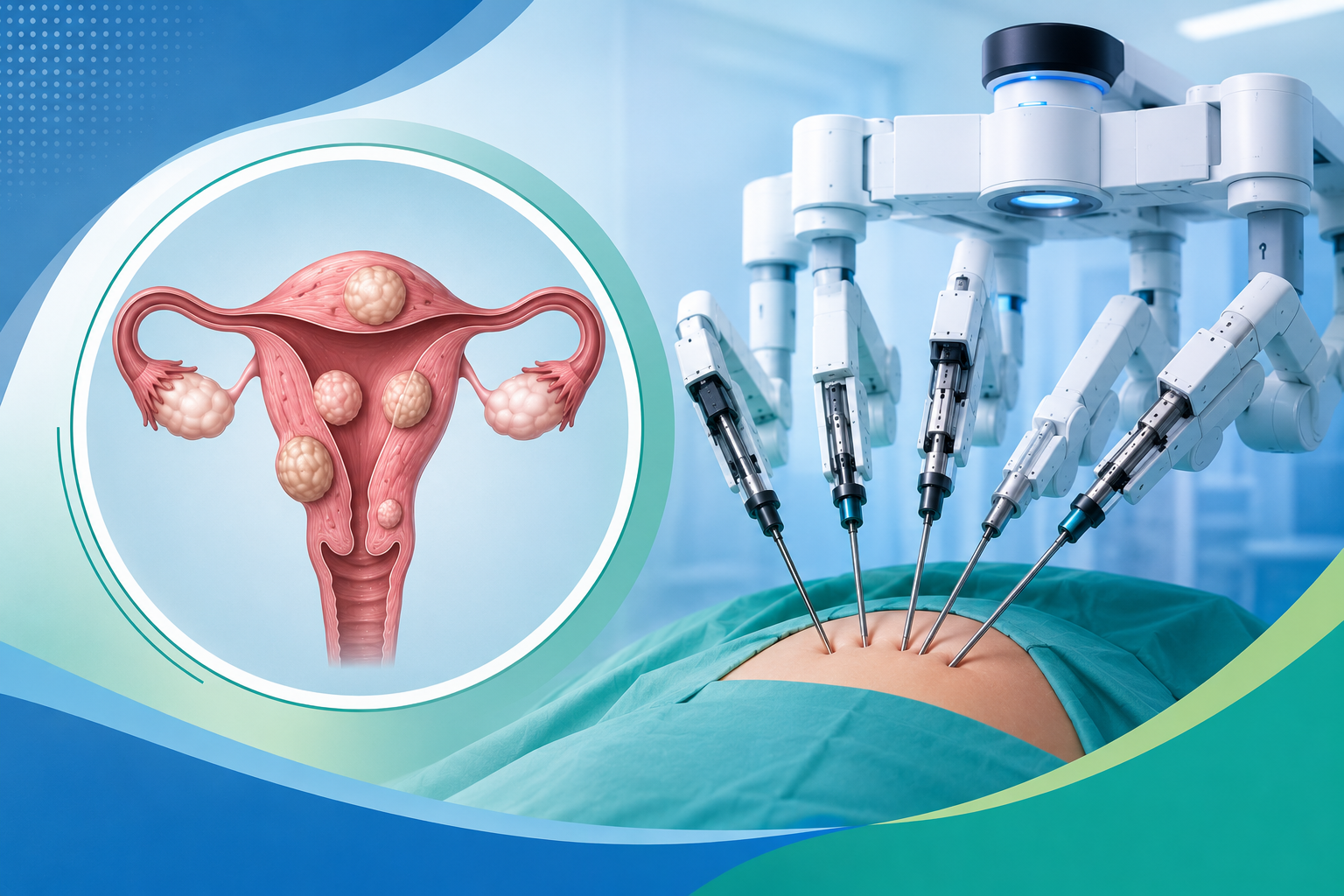
Robotic surgery involves the use of a robotic system controlled by a surgeon to perform complex gynecological procedures. The robot translates the surgeon’s hand movements into precise movements of miniature instruments inside the patient’s body.

Unlike traditional surgery, robotic surgery requires only small incisions, reducing blood loss, scarring, and recovery time.

Common Gynecological Issues Treated with Robotic Surgery

Robotic surgery can treat a wide range of gynecological conditions, including:

  1. Uterine Fibroids (Myomectomy):
    Removal of fibroids without removing the uterus.
  2. Endometriosis:
    Precision removal of endometrial tissue to relieve pain and improve fertility.
  3. Ovarian Cysts:
    Safe excision of cysts while preserving ovarian function.
  4. Uterine Cancer & Early-Stage Cervical Cancer:
    Robotic-assisted hysterectomy ensures precise removal while minimizing complications.
  5. Hysterectomy (Total or Partial):
    Minimally invasive removal of the uterus for conditions like fibroids, cancer, or abnormal bleeding.
  6. Pelvic Organ Prolapse Repair:
    Restores normal anatomy using precise robotic techniques.

Benefits of Robotic Gynecological Surgery

Robotic surgery offers multiple advantages for patients:

  • Minimally Invasive: Small incisions mean reduced pain and minimal scarring.
  • Precision: Enhanced visualization and control allow for delicate tissue handling.
  • Reduced Blood Loss: Minimizes surgical complications.
  • Shorter Recovery Time: Patients can resume normal activities faster.
  • Lower Risk of Infection: Small incisions and precise techniques reduce infection risk.
  • Improved Fertility Preservation: For procedures like myomectomy or ovarian cyst removal.

How Robotic Surgery Works

  1. Preoperative Planning:
    Detailed scans and diagnostics are conducted to plan the procedure.
  2. Surgical Procedure:
    • The surgeon sits at a console and controls robotic arms equipped with surgical instruments.
    • A high-definition 3D camera provides a magnified view of the surgical site.
    • The robot performs precise movements, reducing the risk of errors.
  3. Postoperative Care:
    Patients usually experience less pain, shorter hospital stays, and faster return to daily life.

Who is a Candidate for Robotic Surgery?

  • Women with fibroids, endometriosis, ovarian cysts, or early-stage cancer.
  • Patients seeking minimally invasive alternatives to traditional surgery.
  • Women with previous surgical scars who want safer reoperations.

Dr. Shweta Mendiratta evaluates each patient individually to ensure robotic surgery is the most suitable option.

Recovery After Robotic Surgery

Recovery depends on the type of procedure, but generally:

  • Hospital stay is 1–3 days.
  • Most patients can resume normal activities within 1–2 weeks.
  • Mild pain or fatigue may occur but can be managed with medications.
  • Follow-up appointments are crucial to monitor healing and prevent complications.

Risks and Considerations

While robotic surgery is safe and highly effective, potential risks include:

  • Infection (rare due to minimally invasive approach)
  • Minor bleeding
  • Rare complications related to anesthesia
  • Not suitable for advanced-stage cancers in some cases

Discussing these with an experienced gynecologist like Dr. Shweta Mendiratta ensures informed decision-making.

FAQs: Robotic Gynecological Surgery

  1. Is robotic surgery painful?

Most patients experience minimal pain compared to open surgery. Pain can be managed with standard medications.

  1. How long is the recovery period?

Recovery usually takes 1–2 weeks for most procedures, with shorter hospital stays compared to traditional surgery.

  1. Is robotic surgery safe for fertility preservation?

Yes. Procedures like myomectomy or ovarian cyst removal are performed with precision, preserving reproductive organs.

  1. Are there any age restrictions?

Robotic surgery is suitable for adult women of various ages, based on their health condition and surgical needs.

  1. How is robotic surgery different from laparoscopy?

While both are minimally invasive, robotic surgery offers enhanced precision, 3D visualization, and greater dexterity.

  1. Can all gynecological conditions be treated with robotic surgery?

Not all conditions are suitable. Complex advanced-stage cancers may require traditional or open surgery. Consultation is essential.

  1. How do I prepare for robotic surgery?

Your gynecologist will provide preoperative instructions, including fasting, medication adjustments, and lifestyle modifications.

Why Choose Dr. Shweta Mendiratta for Robotic Gynecological Surgery?

Dr. Shweta Mendiratta is a highly experienced robotic gynecologist in Faridabad, specializing in advanced minimally invasive procedures. Her expertise ensures:

  • Personalized evaluation and treatment plans
  • Safe and precise robotic surgeries
  • Minimal complications and faster recovery
  • Compassionate care with patient education

Her patients trust her for complex gynecological surgeries, including myomectomy, hysterectomy, endometriosis treatment, and ovarian cyst removal.

Conclusion

Robotic surgery has revolutionized gynecological care, offering precision, safety, and faster recovery. Women with fibroids, ovarian cysts, endometriosis, or early-stage cancer can benefit immensely from this technology.

With guidance from a skilled surgeon like Dr. Shweta Mendiratta, the best robotic gynecologist in Faridabad, patients can experience minimally invasive treatment with optimal outcomes.

If you are considering robotic surgery for gynecological issues, consult an experienced gynecologist to discuss the best options tailored to your health and lifestyle.

Vaginal Infections: Causes, Symptoms, and Prevention Tips

Vaginal infections are a common health concern for women of all ages. They can cause discomfort, itching, and abnormal discharge, impacting daily life and reproductive health. Understanding the causes, recognizing symptoms, and following preventive measures are crucial for maintaining vaginal health.

Dr. Shweta Mendiratta, one of the best gynecologists in Faridabad, emphasizes that timely intervention and awareness can prevent complications and ensure long-term wellness.

Common Types

  1. Bacterial Vaginosis (BV):
    Caused by an imbalance of good and harmful bacteria in the vagina, leading to foul-smelling discharge and mild irritation.
  2. Yeast Infections (Candidiasis):
    Result from overgrowth of Candida fungus, causing itching, burning, and thick white discharge.
  3. Trichomoniasis:
    A sexually transmitted infection caused by a parasite, leading to greenish-yellow frothy discharge with a strong odor.
  4. Urinary Tract Infections (UTI) Affecting Vaginal Area:
    Bacterial infections from the urinary tract may affect vaginal health and cause pain during urination.
  5. Viral Infections (HPV, Herpes):
    Certain viruses can cause lesions, warts, or sores in the vaginal area and require specialized treatment.

Causes of Vaginal Infections

It occurs due to multiple factors that disrupt the natural balance of the vagina. Common causes include:

  • Poor Hygiene: Not cleaning the genital area properly or using harsh soaps.
  • Unprotected Sexual Activity: Multiple partners or unsafe practices can increase the risk of STIs.
  • Antibiotic Use: Prolonged use of antibiotics can kill good bacteria, causing yeast overgrowth.
  • Hormonal Changes: Pregnancy, menopause, or hormonal imbalances may increase susceptibility.
  • Tight or Synthetic Clothing: Prevents airflow, causing moisture buildup and infection.
  • Immune System Disorders: Weak immunity can make women more prone to infections.

Symptoms to Watch For

Early recognition of vaginal infections is essential to prevent complications. Common symptoms include:

  • Unusual vaginal discharge (color, consistency, or odor changes)
  • Itching, burning, or irritation in the vaginal area
  • Pain during urination or sexual intercourse
  • Redness or swelling around the vulva
  • Lower abdominal pain in severe cases

Dr. Shweta Mendiratta advises that any persistent or unusual symptoms should prompt a visit to a gynecologist to confirm diagnosis and start treatment.

Diagnosis of Vaginal Infections

Gynecologists diagnose vaginal infections through:

  1. Physical Examination: To check for redness, swelling, or lesions.
  2. Vaginal Swab Test: Identifies bacterial, fungal, or parasitic infections.
  3. Urine Test: Detects urinary tract infections that may affect vaginal health.
  4. Blood Test (if needed): For viral infections like herpes or HPV.

Early and accurate diagnosis helps in effective treatment and prevents recurrence.

Treatment Options

The treatment depends on the type of infection:

  • Bacterial Vaginosis: Antibiotics prescribed by a gynecologist.
  • Yeast Infection: Antifungal creams or oral medications.
  • Trichomoniasis: Prescription antiparasitic medications.
  • UTI-related Infections: Antibiotics and increased water intake.
  • Viral Infections: Antiviral medications and long-term management for chronic conditions.

Dr. Shweta Mendiratta, a trusted gynecologist in Faridabad, emphasizes completing the full course of medication to avoid recurrence.

Prevention Tips

Preventing requires daily care and awareness:

  1. Maintain Proper Hygiene: Wash with mild, unscented soap and water.
  2. Wear Cotton Underwear: Ensures breathability and reduces moisture buildup.
  3. Practice Safe Intercourse
  4. Avoid Douching: It disrupts the natural pH balance.
  5. Balanced Diet: Include probiotics, avoid excessive sugar, and stay hydrated.
  6. Change Pads and Tampons Regularly: During menstruation to prevent bacterial growth.
  7. Routine Gynecological Checkups: Early detection of infections and STIs.

When to See a Gynecologist

Consult a gynecologist immediately if you experience:

  • Persistent itching, burning, or unusual discharge
  • Pain during urination or intercourse
  • Foul-smelling discharge
  • Recurrent infections
  • Fever or abdominal pain alongside vaginal symptoms

Early intervention reduces the risk of severe complications, including pelvic inflammatory disease, infertility, or systemic infections.

FAQs: Vaginal Infections

  1. How common are vaginal infections?

Vaginal infections are very common, affecting most women at some point in their lives. Timely care prevents complications.

  1. Can vaginal infections affect fertility?

Yes. Untreated infections, especially STIs or recurrent bacterial infections, may lead to infertility or complications during pregnancy.

  1. Is over-the-counter medication safe for treatment?

OTC medications may provide temporary relief but consulting a gynecologist is crucial for proper diagnosis and treatment.

  1. Can diet prevent vaginal infections?

Yes. Probiotics, hydration, and a balanced diet help maintain a healthy vaginal microbiome.

  1. How can I differentiate between bacterial and yeast infections?

Bacterial infections usually produce foul-smelling, watery discharge, while yeast infections cause thick, white, cottage-cheese-like discharge with itching.

  1. Are recurrent infections normal?

Recurrent infections indicate an underlying imbalance or improper treatment. A gynecologist can identify the root cause and provide effective therapy.

  1. Can pregnancy increase the risk of vaginal infections?

Yes. Hormonal changes and altered pH during pregnancy make women more susceptible. Regular checkups are essential.

Conclusion

Vaginal infections are preventable and treatable with proper care, awareness, and guidance from experienced gynecologists like Dr. Shweta Mendiratta, one of the best gynecologists in Faridabad.

Maintaining hygiene, practicing safe sexual habits, eating a balanced diet, and attending regular gynecological checkups are key steps to prevent infections. Early recognition of symptoms and timely medical care ensures long-term vaginal health and reproductive wellness.

Take charge of your health today, and prioritize regular visits to a trusted gynecologist for personalized advice and care.

Best Robotic Surgeon in Faridabad - Dr. Shweta Mendiratta

Request call back *