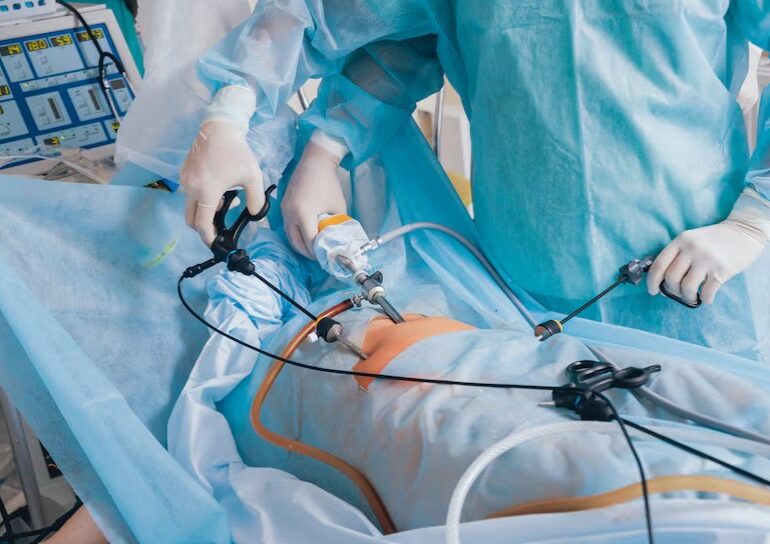

Advances in modern medical technology have made surgery safer, more precise, and less invasive than ever before. One such innovation transforming women’s healthcare is robotic-assisted surgery. This advanced surgical technique allows doctors to perform complex procedures through small incisions with exceptional accuracy.
For many patients, the thought of undergoing surgery can bring anxiety and uncertainty. Understanding the entire surgical journey—from preparation to recovery—can help patients feel more confident and mentally prepared.
Experts such as Dr. Shweta Mendiratta – Best Robotic Surgeon in Faridabad emphasize that preparing both emotionally and physically before surgery can significantly improve recovery and surgical outcomes.
In this guide, we will walk you through the complete patient journey before, during, and after robotic surgery, so you know exactly what to expect.
Understanding Robotic Surgery
Robotic surgery is a minimally invasive surgical technique where a surgeon uses a robotic system to perform procedures with enhanced precision and control.
Despite the name, the robot does not perform the surgery independently. Instead, the surgeon operates robotic instruments from a specialized console that translates hand movements into precise surgical actions.
The robotic system provides:
- High-definition 3D visualization
- Enhanced precision
- Greater range of motion
- Reduced surgical trauma
These benefits help improve outcomes and speed up recovery for patients.
Before Robotic Surgery: Preparing for the Procedure
Proper preparation before surgery plays an important role in ensuring a smooth surgical experience and faster recovery.
Your doctor will guide you through several important steps before the procedure.
- Medical Evaluation and Consultation
Before robotic surgery, patients undergo a thorough evaluation that may include:
- Detailed medical history review
- Physical examination
- Blood tests
- Imaging tests such as ultrasound, CT scan, or MRI
These tests help the surgeon understand your condition and plan the procedure carefully.
During this consultation, your doctor will also explain:
- The reason for surgery
- Expected benefits
- Possible risks
- Recovery timeline
This discussion helps patients feel more informed and confident about the procedure.
- Stopping Certain Medications
Your doctor may advise you to temporarily stop certain medications before surgery.
These may include:
- Blood thinners
- Anti-inflammatory drugs
- Certain supplements
Stopping these medications reduces the risk of bleeding during surgery.
Always follow your doctor’s instructions carefully regarding medications.
- Prehabilitation Exercises
In some cases, doctors recommend prehabilitation, which involves light exercises and lifestyle adjustments before surgery.
These may include:
- Gentle physical activity
- Breathing exercises
- Strengthening exercises
Improving physical fitness before surgery can help the body recover more efficiently afterward.
- Pre-Surgery Instructions
Patients are usually advised to follow certain instructions before surgery, such as:
- Avoid eating or drinking for several hours before the procedure
- Arrange transportation for the day of surgery
- Pack comfortable clothing for hospital discharge
- Follow hygiene guidelines provided by the hospital
These preparations help ensure a smooth surgical experience.
Day of Surgery: What Happens at the Hospital
Knowing what to expect on the day of surgery can help reduce anxiety.
The hospital team will guide you through each step of the process.
- Hospital Check-In
On the day of the procedure, you will arrive at the hospital or surgical center and complete the check-in process.
During this stage:
- Medical staff will verify your information
- Vital signs will be recorded
- Surgical consent forms will be reviewed
You will then be prepared for surgery.
- Anesthesia Discussion
Before the procedure begins, you will meet the anesthesiologist.
They will explain:
- The type of anesthesia used
- How it will help keep you comfortable during surgery
- What to expect after anesthesia
Most robotic surgeries are performed under general anesthesia, meaning you will be asleep throughout the procedure.
- Procedure Overview
Before entering the operating room, your surgeon will review the procedure and answer any last-minute questions you may have.
Robotic surgery typically involves:
- Small incisions
- Insertion of robotic instruments
- A camera providing a magnified view of the surgical area
The surgeon controls the robotic arms from a nearby console, ensuring maximum precision during the operation.
Depending on the procedure, robotic surgery may take one to three hours.
After Robotic Surgery: The Recovery Process
One of the biggest advantages of robotic surgery is the faster recovery compared to traditional open surgery.
Patients usually experience less pain and shorter hospital stays.
- Immediate Post-Surgery Recovery
After surgery, you will be moved to a recovery room where medical staff will monitor:
- Blood pressure
- Heart rate
- Oxygen levels
- Pain levels
You may feel mild drowsiness or discomfort as the anesthesia wears off.
Most patients are able to drink fluids and move gently within a few hours.
- Pain Management
Because robotic surgery uses small incisions, post-operative pain is usually minimal compared to open surgery.
Your doctor may recommend:
- Pain relief medications
- Anti-inflammatory medications
- Ice packs if needed
Following the prescribed medication plan helps ensure a comfortable recovery.
- Early Mobility
Doctors encourage early movement after surgery, as it promotes healing and prevents complications.
Patients are usually encouraged to:
- Walk slowly within a few hours or the next day
- Perform light activities
- Avoid prolonged bed rest
Early mobility also helps improve blood circulation and reduce the risk of blood clots.
- Returning Home
Many robotic surgeries allow patients to go home within 24 hours, depending on the procedure performed.
Before discharge, your doctor will provide instructions regarding:
- Wound care
- Medications
- Physical activity restrictions
- Signs of complications to watch for
Following these instructions carefully helps ensure a smooth recovery.
- Follow-Up Appointments
Follow-up visits are essential to monitor healing and recovery.
During these visits, your doctor will:
- Check incision sites
- Evaluate recovery progress
- Address any concerns
- Guide your return to normal activities
Most patients can resume normal daily routines within 2 to 3 weeks.
Emotional Preparation for Surgery
Preparing emotionally is just as important as physical preparation.
Many patients experience anxiety before surgery, which is completely normal.
Helpful strategies include:
- Talking openly with your doctor
- Asking questions about the procedure
- Practicing relaxation techniques
- Seeking support from family and friends
When patients understand the process, they often feel more relaxed and confident.
Conclusion
Robotic surgery represents a major advancement in modern healthcare, offering patients safer procedures, smaller incisions, and faster recovery times.
Understanding the entire journey—from preparation to recovery—helps patients feel more comfortable and confident about their treatment.
With expert care from Dr. Shweta Mendiratta – Best Robotic Surgeon in Faridabad, patients can benefit from advanced robotic surgical techniques designed to provide safe, effective, and patient-friendly outcomes.
Being informed about what to expect before, during, and after surgery can significantly reduce anxiety and support a smoother recovery.
Frequently Asked Questions (FAQs)
- Is robotic surgery painful?
Robotic surgery typically causes less pain than traditional open surgery because it uses smaller incisions and causes less tissue damage.
- How long does robotic surgery take?
Most robotic procedures take 1–3 hours, depending on the complexity of the condition being treated.
- How long is the hospital stay after robotic surgery?
Many patients can go home within 24 hours, though this may vary depending on the procedure and individual recovery.
- When can I return to normal activities?
Most patients can resume daily activities within 2–3 weeks, but strenuous activities should be avoided until your doctor advises otherwise.
- Are scars visible after robotic surgery?
Robotic surgery uses very small incisions, so scars are minimal and often fade significantly over time.
- Is robotic surgery safe?
Yes, robotic surgery is considered safe when performed by a trained and experienced surgeon.