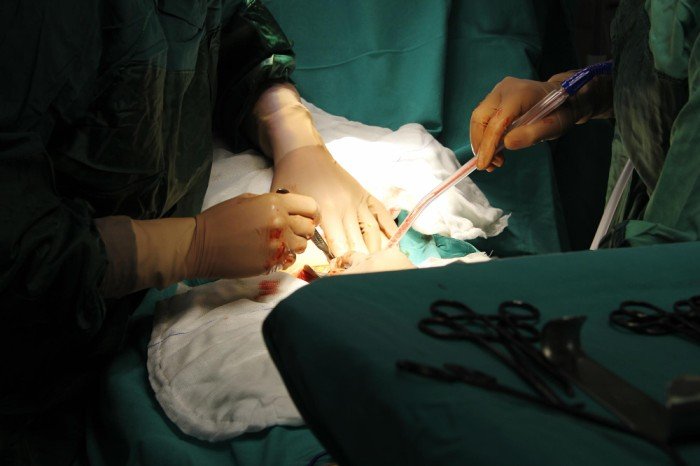
For many years, open surgery was the standard approach for treating several gynecological conditions. It involved making a large incision in the abdomen so the surgeon could directly access the internal organs. While effective, open surgery often required longer hospital stays, more pain, and extended recovery time.
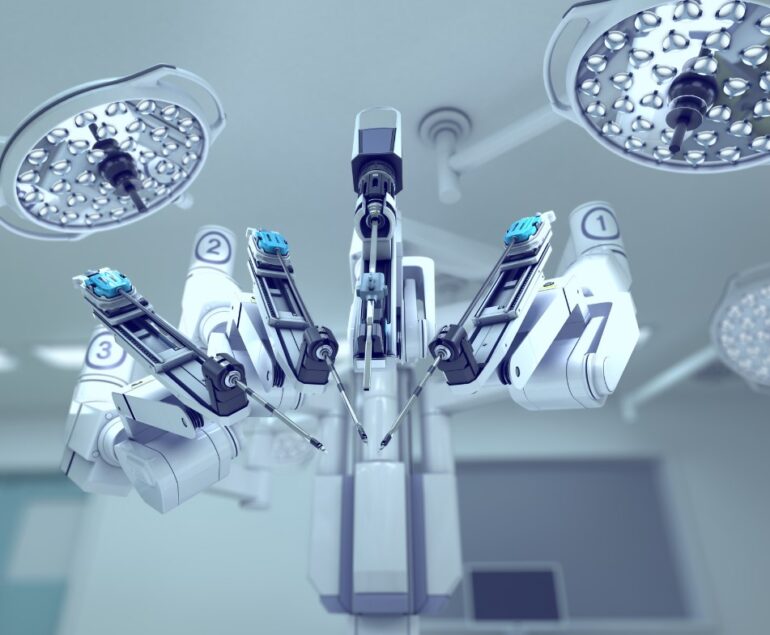
With advancements in medical technology, minimally invasive surgery (MIS)—especially laparoscopic surgery—has become the preferred option for many gynecological procedures. Laparoscopy allows surgeons to perform complex surgeries through very small incisions using specialized instruments and a camera.
Today, patients benefit from safer procedures, faster recovery, and improved outcomes. Under the expertise of Dr. Shweta Mendiratta – Best Gynae Laparoscopic Surgeon in Faridabad, many women are choosing laparoscopic surgery for better comfort and quicker healing.
Understanding Open Surgery
Open surgery is the traditional surgical technique where a large incision is made in the abdomen to access the uterus, ovaries, or other pelvic organs.
Features of Open Surgery
- Large abdominal incision
- Direct access to organs
- Longer hospital stay
- Higher risk of blood loss
- Longer recovery time
Open surgery may still be required in certain complex cases, such as extensive disease, emergency situations, or when minimally invasive techniques are not feasible.
However, in many situations today, laparoscopic surgery provides a safer and more patient-friendly alternative.
What Is Laparoscopic Surgery?
Laparoscopic surgery, also known as keyhole surgery, is a minimally invasive surgical technique performed using small incisions and a thin camera called a laparoscope.
The laparoscope sends high-definition images to a monitor, allowing the surgeon to view the internal organs in great detail while performing the procedure with specialized instruments.
Key Features of Laparoscopic Surgery
- Small incisions (usually 0.5–1 cm)
- High-resolution camera visualization
- Specialized surgical instruments
- Minimal tissue damage
- Faster healing
This advanced surgical approach has transformed gynecological treatment and improved patient comfort significantly.
Common Gynecological Conditions Treated with Laparoscopic Surgery
Laparoscopic surgery is widely used for diagnosing and treating many gynecological conditions.
- Fibroids (Myomectomy)
Uterine fibroids can cause heavy bleeding, pain, and fertility problems. Laparoscopic surgery allows precise removal of fibroids while preserving the uterus.
- Ovarian Cysts
Large or persistent ovarian cysts can be removed laparoscopically with minimal discomfort and faster recovery.
- Endometriosis
Laparoscopy is considered the gold standard for diagnosing and treating endometriosis by removing abnormal tissue growth.
- Hysterectomy
In many cases, the uterus can be removed laparoscopically instead of through large abdominal incisions.
- Ectopic Pregnancy
Laparoscopy helps safely treat ectopic pregnancy while minimizing complications.
Under the expertise of Dr. Shweta Mendiratta – Best Gynae Laparoscopic Surgeon in Faridabad, these procedures can often be performed with minimal pain and quick recovery.
Laparoscopic vs. Open Surgery: Key Differences
| Feature | Laparoscopic Surgery | Open Surgery |
| Incision Size | Very small | Large abdominal incision |
| Pain | Less pain | More post-operative pain |
| Hospital Stay | 1–2 days | 4–7 days |
| Recovery Time | Faster recovery | Longer recovery |
| Blood Loss | Minimal | Higher risk |
| Scarring | Very small scars | Visible scars |
These advantages explain why laparoscopic surgery is often preferred whenever medically suitable.
Benefits of Laparoscopic Surgery for Patients
- Less Pain
Small incisions cause significantly less pain compared to traditional open surgery.
- Faster Recovery
Patients can usually return to their normal routine much sooner.
- Minimal Scarring
Laparoscopic surgery leaves tiny scars that are barely noticeable.
- Reduced Risk of Infection
Smaller wounds lower the risk of infection and other complications.
- Shorter Hospital Stay
Most patients go home within a day or two after surgery.
- Faster Return to Daily Life
Many patients resume work and daily activities earlier compared to open surgery.
For these reasons, minimally invasive surgery is transforming women’s healthcare.
When Is Open Surgery Still Required?
While laparoscopic surgery offers many benefits, there are certain situations where open surgery may still be necessary.
These include:
- Extremely large tumors or fibroids
- Severe pelvic adhesions
- Complex cancer surgeries
- Emergency surgical conditions
An experienced gynecologic surgeon carefully evaluates each patient before deciding the most appropriate surgical method.
Why Choose an Experienced Laparoscopic Surgeon?
Minimally invasive procedures require advanced surgical skills and expertise. The surgeon must be trained in using specialized instruments and interpreting high-definition images.
Choosing an experienced specialist ensures:
- Better surgical precision
- Reduced complications
- Improved patient safety
- Faster recovery
Dr. Shweta Mendiratta – Best Gynae Laparoscopic Surgeon in Faridabad has extensive experience in performing advanced laparoscopic procedures and providing personalized care to women.
Her patient-focused approach ensures that every woman receives the safest and most effective treatment.
Recovery After Laparoscopic Surgery
Recovery after laparoscopic surgery is usually smooth and quick.
Typical Recovery Timeline
- Walking within a few hours after surgery
- Discharge within 24–48 hours
- Return to light activities in a few days
- Full recovery within 2–3 weeks
Your doctor may advise:
- Avoid heavy lifting
- Follow prescribed medications
- Attend follow-up appointments
- Maintain a healthy lifestyle
With proper care, most patients experience a comfortable recovery.
Conclusion
Medical advancements have revolutionized gynecological surgery. While open surgery once dominated the field, laparoscopic surgery has become the preferred choice for many conditions due to its minimally invasive nature and faster recovery.
Smaller incisions, less pain, reduced hospital stay, and better cosmetic outcomes make laparoscopic surgery a major breakthrough in modern healthcare.
Under the expertise of Dr. Shweta Mendiratta – Best Gynae Laparoscopic Surgeon in Faridabad, women can benefit from advanced surgical techniques that prioritize safety, comfort, and quicker healing.
When it comes to surgical care, sometimes less truly is more.
Frequently Asked Questions (FAQs)
- Is laparoscopic surgery safe?
Yes, laparoscopic surgery is considered very safe when performed by an experienced surgeon. It has lower complication rates compared to traditional open surgery.
- How long does laparoscopic surgery take?
Most laparoscopic procedures take 1–3 hours, depending on the complexity of the condition.
- Will I have scars after laparoscopic surgery?
The incisions are very small (usually 0.5–1 cm), so the scars are minimal and often barely visible.
- Is laparoscopic surgery painful?
Patients generally experience much less pain compared to open surgery because the incisions are smaller.
- How soon can I return to work?
Most patients can return to light work within 1–2 weeks, depending on the type of surgery.
- Is laparoscopic surgery suitable for everyone?
Not always. Your doctor will evaluate your condition and medical history to determine whether laparoscopic surgery is the best option for you.