Women may need gynecological care at different stages of life. Menstrual problems, PCOS, pelvic pain, fertility concerns, pregnancy, fibroids, endometriosis and menopause can all require professional evaluation at different times.
For women living in Sector 37, Faridabad and nearby residential areas, finding an experienced gynecologist who can provide comprehensive care can make it easier to address women’s health concerns and maintain continuity of care.
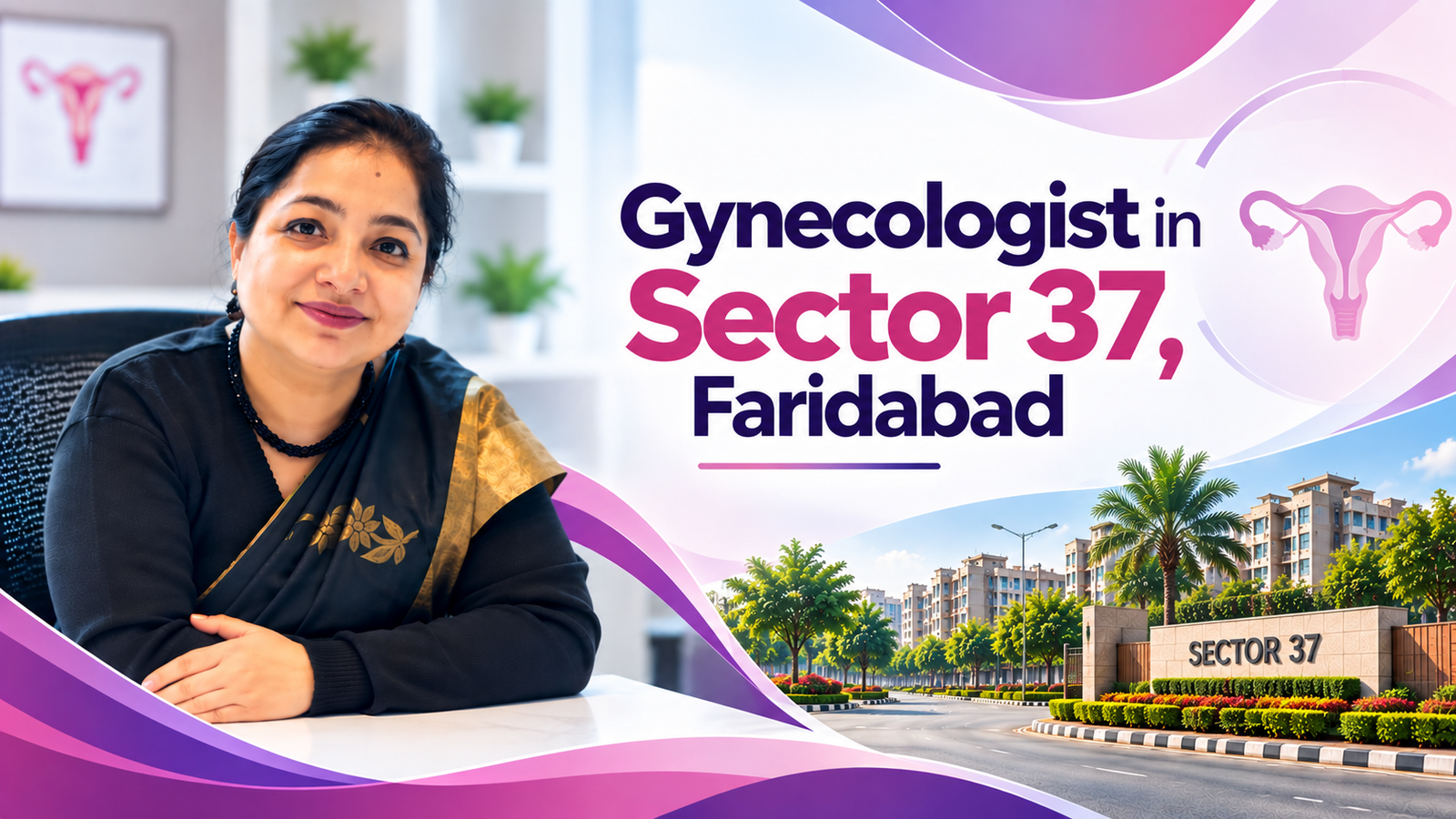
Dr. Shweta Mendiratta is a gynecologist, obstetrician, robotic and laparoscopic surgeon and infertility specialist with 15+ years of experience. She is Director & Head – Unit II, Obstetrics & Gynecology at Yatharth Hospital, Sector 20, Faridabad. Her qualifications include MBBS, MS in Obstetrics & Gynecology, DNB, FICOG and CIMP.
Her areas of practice include gynecology, obstetrics, antenatal care, high-risk pregnancy, menstrual disorders, fibroids, infertility and minimally invasive gynecological procedures.
Important: Dr. Shweta’s official website currently lists consultation locations at Yatharth Hospital, Sector 20 and Mediclub Gynae ‘N’ Neuro Clinic, Sector 21C. It does not currently list a clinic in Sector 37. Therefore, this page uses “gynecologist near Sector 37” rather than incorrectly claiming that Dr. Shweta has a clinic within Sector 37.
When Should Women in Sector 37 Consult a Gynecologist?
A gynecologist can help with much more than pregnancy. Women may seek professional advice for symptoms involving their menstrual, reproductive, hormonal or sexual health.
Consider consulting a gynecologist if you experience:
- Irregular or missed periods
- Very heavy menstrual bleeding
- Severe or persistent period pain
- Pelvic or lower abdominal pain
- Unusual vaginal discharge or irritation
- Recurrent vaginal infections
- Symptoms associated with PCOS
- Difficulty conceiving
- Concerns before planning pregnancy
- Fibroids or other uterine conditions
- Endometriosis-related symptoms
- Abnormal vaginal bleeding
- Pregnancy-related concerns
- Perimenopause or menopause symptoms
A persistent change in your normal menstrual pattern should not always be dismissed as a routine hormonal fluctuation.
Women’s Health and Gynecology Care Near Sector 37
Women’s health concerns can sometimes overlap. For example, irregular periods may be associated with PCOS, while difficulty conceiving may involve ovulation, the uterus, fallopian tubes or male reproductive factors.
Dr. Shweta’s practice covers a broad range of gynecological and obstetric services, allowing women to discuss different concerns with an experienced specialist.
PCOS and Irregular Periods
Polycystic ovary syndrome, commonly known as PCOS or PCOD, can affect menstrual cycles and ovulation.
Some women with PCOS experience:
- Irregular periods
- Missed periods
- Acne
- Excess facial or body hair
- Weight changes
- Ovulation problems
- Difficulty conceiving
However, irregular periods do not automatically mean PCOS. Thyroid problems, stress, weight changes and other hormonal or medical conditions can also affect menstrual cycles.
Dr. Shweta’s website provides dedicated guidance on when irregular periods may warrant gynecological evaluation and what information can be useful during a consultation.
Read: PCOS and Irregular Periods – When Should You See a Gynecologist?
Painful and Heavy Periods
Menstrual discomfort is common, but severe or increasingly painful periods may deserve medical attention.
Conditions such as endometriosis, adenomyosis and fibroids can sometimes be associated with painful or heavy menstruation.
A gynecological evaluation may be appropriate when:
- Period pain interferes with daily activities
- Bleeding is unusually heavy
- Your periods have suddenly changed
- Pain occurs outside your menstrual period
- Pelvic pain persists
- Menstrual symptoms are affecting your quality of life
The goal of consultation is to understand the possible cause and determine whether further evaluation or treatment is appropriate.
Pregnancy Care for Women Near Sector 37
Pregnancy is a stage when regular obstetric supervision becomes particularly important.
Women planning pregnancy can also consider a preconception consultation. This can provide an opportunity to discuss existing medical conditions, previous pregnancy history, medications, nutrition and other factors that may be relevant before conception.
Dr. Shweta’s preconception guidance covers questions women can discuss with their gynecologist before trying to conceive, including existing health conditions, pregnancy risks and fertility considerations.
During pregnancy, care may include:
- Early pregnancy assessment
- Routine antenatal consultations
- Maternal health monitoring
- Pregnancy-related investigations
- Monitoring fetal development
- High-risk pregnancy management
- Delivery planning
- Postpartum care
Dr. Shweta’s official profile specifically lists high-risk pregnancy management, prenatal and postnatal care among her areas of expertise.
Read: How to Choose the Best Gynecologist in Faridabad for Pregnancy
Fertility and Infertility Evaluation
Difficulty conceiving can have many possible causes and should not automatically be considered a female-only problem.
Potential female factors can include:
- PCOS
- Ovulation disorders
- Thyroid or other hormonal problems
- Endometriosis
- Fibroids
- Uterine abnormalities
- Fallopian-tube problems
Male factors can also contribute to infertility. Depending on the circumstances, evaluation of both partners may therefore be appropriate.
Dr. Shweta’s infertility resource discusses different causes of infertility and the importance of identifying the underlying cause before selecting treatment.
Read: Infertility Treatment in Faridabad – Dr. Shweta Mendiratta
For women near Sector 37 who are planning pregnancy or experiencing difficulty conceiving, a fertility consultation can help determine what evaluation may be appropriate.
Fibroids and Uterine Conditions
Fibroids are common non-cancerous growths that develop in or around the uterus. Some women may have no symptoms, while others may experience:
- Heavy menstrual bleeding
- Pelvic pressure
- Pelvic pain
- Abdominal discomfort
- Fertility concerns
Having fibroids does not automatically mean surgery is required.
Treatment decisions depend on factors such as the symptoms, size and location of the fibroids, age and reproductive plans.
For women planning pregnancy, discussing the location and characteristics of fibroids with a gynecologist can help determine whether they are relevant to fertility or pregnancy planning. Dr. Shweta’s existing resource discusses fibroids and pregnancy in detail.
Read: Can You Get Pregnant With Fibroids? Risks & Solutions
Minimally Invasive Gynecological Surgery
Some gynecological conditions may require a procedure or surgery when symptoms are significant or when other treatment approaches are not appropriate.
Dr. Shweta Mendiratta’s professional profile includes experience with laparoscopic and hysteroscopic procedures, as well as robotic gynecological surgery. Her profile also lists diagnostic laparoscopy, hysteroscopy and different gynecological surgical procedures among her experience.
Depending on the diagnosis, minimally invasive approaches may be considered for selected cases involving:
- Fibroids
- Endometriosis
- Certain uterine abnormalities
- Selected infertility-related conditions
- Other gynecological conditions requiring operative treatment
However, surgery is not automatically required for every woman with these conditions. The appropriate treatment depends on the individual diagnosis, symptoms, reproductive goals and overall health.
High-Risk Pregnancy Care
Some pregnancies require closer medical supervision because of maternal health conditions, previous pregnancy complications or factors that can increase pregnancy risk.
High-risk pregnancy care may involve more frequent monitoring and coordination of treatment depending on the individual situation.
Dr. Shweta’s official website describes her experience in identifying and managing high-risk pregnancies according to established guidelines and protocols.
Women with conditions such as hypertension, diabetes, thyroid disorders or a history of pregnancy complications may wish to discuss pregnancy planning and monitoring with their obstetrician.
Women’s Healthcare Through Different Life Stages
Gynecological care is relevant throughout a woman’s life, not only during pregnancy.
Adolescence
Concerns may include painful periods, irregular cycles, menstrual education and symptoms associated with hormonal disorders.
Reproductive Years
Women may seek care for PCOS, menstrual problems, endometriosis, fibroids, contraception, fertility and pregnancy planning.
Pregnancy
Regular antenatal care allows maternal and fetal health to be monitored and provides an opportunity to identify situations requiring additional supervision.
Postpartum Period
After childbirth, women may need follow-up for physical recovery, menstrual changes, breastfeeding concerns, contraception and other health issues.
Perimenopause and Menopause
Hormonal changes can result in irregular periods, hot flashes, sleep changes, vaginal symptoms and other concerns.
Dr. Shweta is a Certified Menopause Practitioner (CIMP) and provides menopause-related women’s healthcare. Her recent menopause guidance also addresses long-term considerations such as bone and cardiovascular health.
Read: Menopause in Your 40s or 50s – Questions to Ask Your Gynecologist
Why Consider Dr. Shweta Mendiratta?
When searching for a gynecologist near Sector 37, Faridabad, location is important, but it should not be the only factor.
1. 15+ Years of Experience
Dr. Shweta Mendiratta has more than 15 years of experience in Obstetrics & Gynecology.
2. Broad Women’s Healthcare Expertise
Her practice includes gynecology, obstetrics, antenatal care, high-risk pregnancy, menstrual disorders, fibroids and infertility care.
3. Laparoscopic and Robotic Surgery Experience
Her professional profile includes laparoscopic, hysteroscopic and robotic gynecological procedures.
4. Fertility and Infertility Care
Dr. Shweta provides infertility evaluation and treatment guidance, with attention to possible underlying causes.
5. Menopause Expertise
Her CIMP credential reflects additional expertise relevant to menopause and midlife women’s health.
Read: How to Choose the Best Gynecologist in Faridabad – 10 Questions to Ask
Where Can Women From Sector 37 Consult Dr. Shweta Mendiratta?
Yatharth Super Speciality Hospital, Sector 20
Plot No. 9, Sector 20, Krishna Nagar, New Industrial Township, Faridabad, Haryana 121007
The official website lists consultation hours as Monday to Saturday, 10:00 AM–4:00 PM, with Sunday closed.
Mediclub Gynae ‘N’ Neuro Clinic, Sector 21C
Plot No. 857, Sector 21C, Faridabad
The official website lists evening consultations at this location. Current timing should be confirmed before visiting.
Frequently Asked Questions
1. Does Dr. Shweta Mendiratta have a clinic in Sector 37, Faridabad?
Dr. Shweta’s official website does not currently list a consultation clinic in Sector 37. Her listed Faridabad consultation locations are Yatharth Hospital in Sector 20 and Mediclub Gynae ‘N’ Neuro Clinic in Sector 21C.
2. What problems can I discuss with a gynecologist?
You can discuss menstrual irregularities, PCOS, pelvic pain, fibroids, endometriosis, fertility concerns, pregnancy, vaginal symptoms, menopause and other women’s-health concerns.
3. Should I see a gynecologist before planning pregnancy?
Yes. A preconception consultation can help review relevant health conditions, medications, previous pregnancy history and other factors that may be important before conception.
4. Can PCOS affect fertility?
PCOS can affect ovulation and therefore may make conception more difficult for some women. However, PCOS does not mean that pregnancy is impossible, and fertility concerns require individual evaluation.
5. Do fibroids always require surgery?
No. Management depends on symptoms, fibroid size and location, reproductive plans and other clinical factors.
6. When should painful periods be evaluated?
Consider a gynecological consultation when period pain is severe, worsening, persistent or interferes with normal daily activities.
7. Can women consult a gynecologist during menopause?
Yes. Gynecological care remains relevant during perimenopause and menopause, especially when symptoms are persistent or affecting quality of life.
8. How can I book an appointment with Dr. Shweta Mendiratta?
You can use the appointment information on her official website or contact the listed clinic numbers. Confirm the consultation location and current timing before visiting.
Final Thoughts
Finding a gynecologist near Sector 37, Faridabad is about more than selecting a clinic based only on location. Experience, qualifications, areas of expertise, hospital support and continuity of care can all be important when choosing a women’s healthcare professional.
Dr. Shweta Mendiratta has 15+ years of experience in Obstetrics & Gynecology, with expertise spanning general gynecology, pregnancy care, high-risk pregnancy, infertility, menstrual disorders, fibroids, minimally invasive gynecological procedures and menopause care.
Women living in Sector 37 who are experiencing persistent menstrual symptoms, planning pregnancy, facing fertility concerns or seeking advice about another gynecological issue can consider consulting an experienced gynecologist and discussing their individual healthcare needs.
Book or Contact Dr. Shweta Mendiratta
Medical disclaimer: This article is intended for general educational information and does not replace an individual medical consultation, examination or diagnosis by a qualified healthcare professional.