
Endometriosis is a chronic and often painful condition that affects millions of women worldwide. It occurs when tissue similar to the lining of the uterus grows outside the uterus, commonly affecting the ovaries, fallopian tubes, pelvic lining, and sometimes even the intestines or bladder. This misplaced tissue responds to hormonal changes during the menstrual cycle, leading to inflammation, severe pain, and sometimes infertility.
For many women, endometriosis can significantly impact daily life, causing chronic pelvic pain, painful periods, fatigue, and reproductive challenges. While medications and lifestyle modifications may help manage symptoms, surgery is often required when the disease becomes severe or when fertility is affected.
Advancements in surgical technology have made treatment more effective and safer. One of the most promising developments is robotic-assisted surgery, which offers improved precision and visualization during complex procedures. Experts such as Dr. Shweta Mendiratta, widely recognized as the Best Robotic Surgeon in Faridabad for Endometriosis, utilize robotic techniques to achieve better surgical outcomes for women suffering from this challenging condition.
Endometriosis can be debilitating, but timely and precise surgical treatment can make a significant difference in symptom relief and overall quality of life.
Understanding Endometriosis
Endometriosis develops when endometrial-like tissue grows outside the uterus. Unlike normal uterine lining, this tissue has no way to exit the body during menstruation. As a result, it becomes trapped and leads to inflammation, scar tissue, and adhesions.
Common symptoms include:
- Severe menstrual pain
- Chronic pelvic pain
- Pain during intercourse
- Painful bowel movements or urination
- Heavy menstrual bleeding
- Infertility
In some cases, women may have minimal symptoms, making diagnosis challenging. Early diagnosis and proper treatment are essential to prevent disease progression and complications.
Traditional Treatment Approaches
Treatment for endometriosis depends on the severity of symptoms and the patient’s reproductive goals.
Common treatment options include:
- Pain medications
- Hormonal therapy
- Lifestyle modifications
- Laparoscopic surgery
While laparoscopic surgery has been the gold standard for treating endometriosis for many years, robotic surgery has emerged as an advanced alternative for complex cases, especially when deep infiltrating endometriosis is involved.
What Is Robotic Surgery?
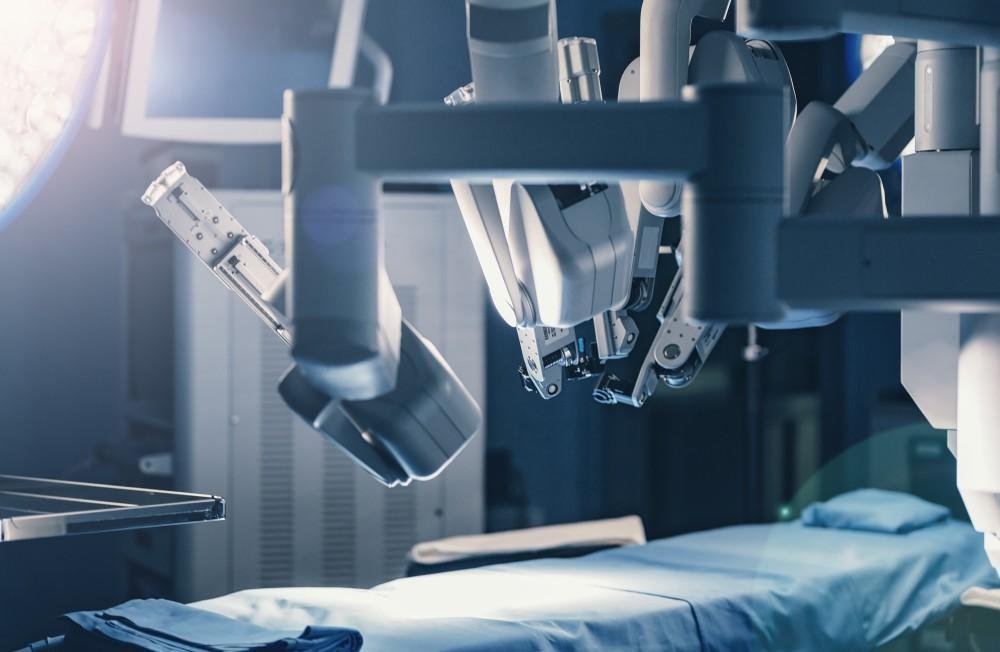
Robotic surgery is a minimally invasive surgical technique in which a surgeon uses a robotic system to perform delicate procedures with enhanced precision.
During robotic surgery:
- Small incisions are made in the abdomen
- A high-definition camera provides a magnified 3D view of the pelvic organs
- Robotic instruments controlled by the surgeon perform the surgical procedure
The surgeon remains in full control of the robotic system at all times. The robotic platform simply enhances the surgeon’s ability to operate with greater accuracy and control.
Why Robotic Surgery Helps in Endometriosis Treatment
Endometriosis surgery can be particularly challenging because the disease often affects delicate pelvic structures such as the bladder, bowel, and nerves. In such situations, robotic technology provides several advantages.
- Excellent Visualization of the Pelvis
Robotic systems provide high-definition 3D magnified images of the pelvic area. This enhanced visualization allows surgeons to clearly identify endometriosis lesions, scar tissue, and surrounding organs.
Better visualization helps ensure that diseased tissue is removed while protecting healthy structures.
- Precision Dissection in Deep Endometriosis
Deep infiltrating endometriosis occurs when abnormal tissue penetrates deeply into pelvic organs and tissues.
Robotic instruments provide:
- Greater flexibility
- Enhanced dexterity
- More precise movement
This allows surgeons to carefully remove deeply embedded endometriosis lesions without damaging surrounding tissues.
- Reduced Blood Loss
Robotic surgery allows surgeons to operate with exceptional precision, which helps reduce blood loss during the procedure.
Less bleeding improves surgical safety and contributes to faster recovery for patients.
Surgical Goals in Endometriosis Treatment
The primary goals of surgery for endometriosis include:
- Removing visible endometriosis tissue
- Relieving pelvic pain
- Restoring normal pelvic anatomy
- Preserving fertility whenever possible
Complete and precise removal of endometriosis lesions is essential to reduce the risk of recurrence.
Outcomes of Robotic Surgery for Endometriosis
When performed by experienced surgeons, robotic surgery can significantly improve treatment outcomes for patients with endometriosis.
Improved Pain Control
Many women experience substantial relief from chronic pelvic pain and painful menstrual cycles after surgical removal of endometriosis tissue.
Reducing inflammation and removing scar tissue helps improve long-term pain management.
Better Fertility Outcomes
Endometriosis can affect fertility by damaging reproductive organs or causing adhesions that block fallopian tubes.
Robotic surgery can help restore normal anatomy and improve the chances of natural conception in some patients.
Reduced Recurrence
Careful and thorough removal of endometriosis lesions reduces the likelihood of the disease returning.
Robotic technology allows surgeons to identify and treat even small or hidden lesions that may otherwise be missed.
Benefits of Robotic Surgery for Patients
Compared to traditional open surgery, robotic procedures offer several patient-friendly advantages.
Smaller Incisions
Robotic surgery uses small incisions, resulting in minimal scarring.
Less Pain
Because the procedure is minimally invasive, patients generally experience less post-operative pain.
Faster Recovery
Many patients can return to normal activities sooner compared to traditional surgery.
Shorter Hospital Stay
Some patients are discharged within 24 hours depending on the complexity of the surgery.
Who May Need Robotic Surgery for Endometriosis?
Robotic surgery may be recommended for patients who:
- Have severe or deep endometriosis
- Experience persistent pelvic pain despite medication
- Have infertility related to endometriosis
- Have endometriosis affecting the bowel, bladder, or nerves
- Require complex surgical removal of adhesions
A detailed evaluation and consultation with a specialist are necessary to determine the best treatment plan.
Importance of Choosing an Experienced Surgeon
Endometriosis surgery requires advanced surgical expertise because the disease can affect multiple pelvic organs.
Choosing an experienced robotic surgeon is crucial to ensure:
- Complete removal of endometriosis tissue
- Protection of surrounding organs
- Better long-term outcomes
Specialists such as Dr. Shweta Mendiratta, known as the Best Robotic Surgeon in Faridabad for Endometriosis, provide advanced surgical care using robotic technology to treat complex gynecological conditions with precision and safety.
Conclusion
Endometriosis can be a debilitating condition that affects physical health, emotional well-being, and fertility. However, advances in surgical technology have made treatment more effective and less invasive.
Robotic surgery is emerging as a powerful tool in the management of complex endometriosis. With its enhanced visualization, improved precision, and reduced surgical trauma, robotic-assisted procedures offer promising outcomes for women seeking relief from this challenging condition.
When performed by skilled specialists, robotic surgery can significantly improve pain control, fertility outcomes, and quality of life for patients with endometriosis.
Frequently Asked Questions (FAQs)
- Is robotic surgery better than laparoscopy for endometriosis?
Both techniques are minimally invasive, but robotic surgery may provide greater precision and improved visualization in complex cases of deep endometriosis.
- How long does robotic endometriosis surgery take?
The duration varies depending on the severity of the disease but typically ranges from 1.5 to 3 hours.
- How long is recovery after robotic surgery?
Most patients recover within 2–3 weeks, although full recovery may take longer depending on the extent of the procedure.
- Can endometriosis return after surgery?
Yes, recurrence is possible, but precise surgical removal significantly reduces the risk.
- Will robotic surgery improve fertility?
In many cases, removing endometriosis lesions and adhesions can improve fertility outcomes, especially when reproductive organs are preserved.