
A Patient’s Journey: What to Expect Before, During & After Robotic Surgery

Advances in modern medical technology have made surgery safer, more precise, and less invasive than ever before. One such innovation transforming women’s healthcare is robotic-assisted surgery. This advanced surgical technique allows doctors to perform complex procedures through small incisions with exceptional accuracy.

For many patients, the thought of undergoing surgery can bring anxiety and uncertainty. Understanding the entire surgical journey—from preparation to recovery—can help patients feel more confident and mentally prepared.

Experts such as Dr. Shweta Mendiratta – Best Robotic Surgeon in Faridabad emphasize that preparing both emotionally and physically before surgery can significantly improve recovery and surgical outcomes.

In this guide, we will walk you through the complete patient journey before, during, and after robotic surgery, so you know exactly what to expect.

Understanding Robotic Surgery

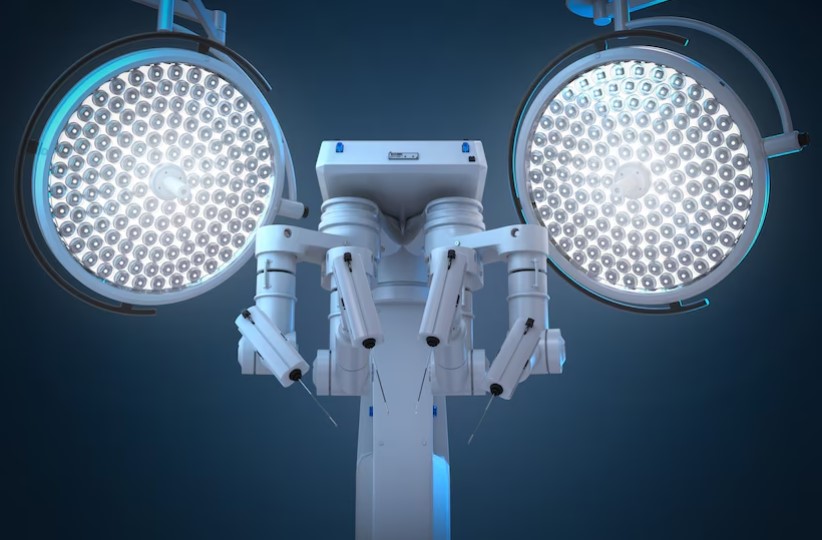
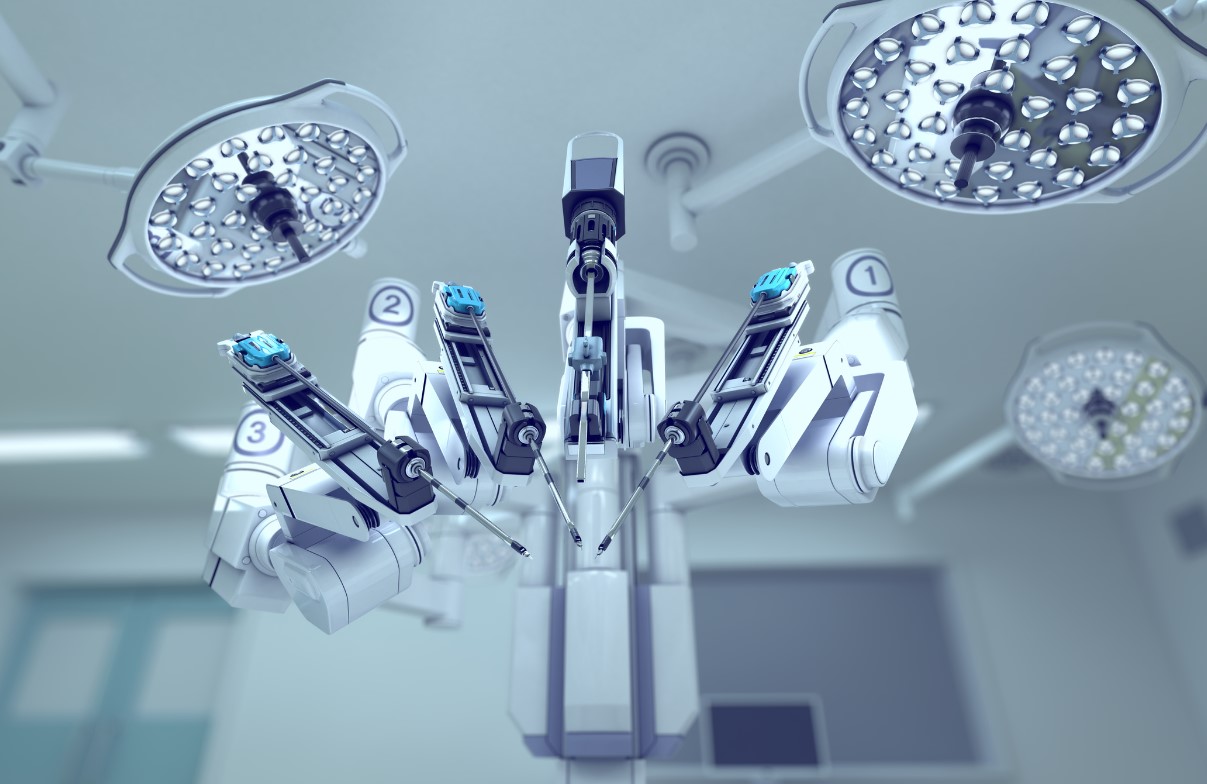
Robotic surgery is a minimally invasive surgical technique where a surgeon uses a robotic system to perform procedures with enhanced precision and control.

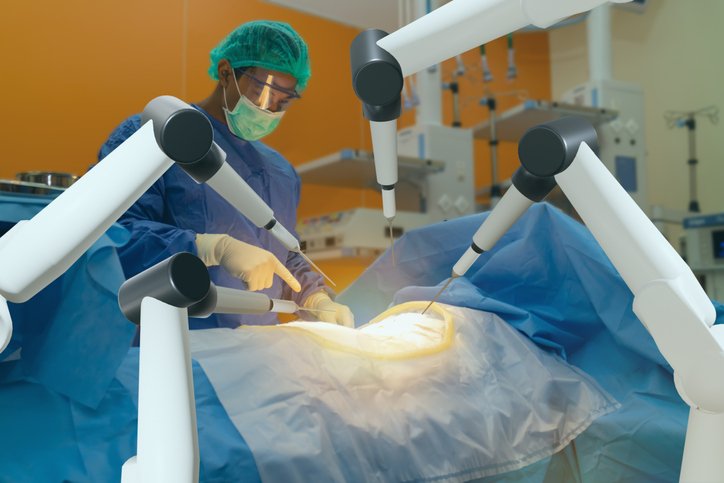
Despite the name, the robot does not perform the surgery independently. Instead, the surgeon operates robotic instruments from a specialized console that translates hand movements into precise surgical actions.

The robotic system provides:

  • High-definition 3D visualization
  • Enhanced precision
  • Greater range of motion
  • Reduced surgical trauma

These benefits help improve outcomes and speed up recovery for patients.

Before Robotic Surgery: Preparing for the Procedure

Proper preparation before surgery plays an important role in ensuring a smooth surgical experience and faster recovery.

Your doctor will guide you through several important steps before the procedure.

  1. Medical Evaluation and Consultation

Before robotic surgery, patients undergo a thorough evaluation that may include:

  • Detailed medical history review
  • Physical examination
  • Blood tests
  • Imaging tests such as ultrasound, CT scan, or MRI

These tests help the surgeon understand your condition and plan the procedure carefully.

During this consultation, your doctor will also explain:

  • The reason for surgery
  • Expected benefits
  • Possible risks
  • Recovery timeline

This discussion helps patients feel more informed and confident about the procedure.

  1. Stopping Certain Medications

Your doctor may advise you to temporarily stop certain medications before surgery.

These may include:

  • Blood thinners
  • Anti-inflammatory drugs
  • Certain supplements

Stopping these medications reduces the risk of bleeding during surgery.

Always follow your doctor’s instructions carefully regarding medications.

  1. Prehabilitation Exercises

In some cases, doctors recommend prehabilitation, which involves light exercises and lifestyle adjustments before surgery.

These may include:

  • Gentle physical activity
  • Breathing exercises
  • Strengthening exercises

Improving physical fitness before surgery can help the body recover more efficiently afterward.

  1. Pre-Surgery Instructions

Patients are usually advised to follow certain instructions before surgery, such as:

  • Avoid eating or drinking for several hours before the procedure
  • Arrange transportation for the day of surgery
  • Pack comfortable clothing for hospital discharge
  • Follow hygiene guidelines provided by the hospital

These preparations help ensure a smooth surgical experience.

Day of Surgery: What Happens at the Hospital

Knowing what to expect on the day of surgery can help reduce anxiety.

The hospital team will guide you through each step of the process.

  1. Hospital Check-In

On the day of the procedure, you will arrive at the hospital or surgical center and complete the check-in process.

During this stage:

  • Medical staff will verify your information
  • Vital signs will be recorded
  • Surgical consent forms will be reviewed

You will then be prepared for surgery.

  1. Anesthesia Discussion

Before the procedure begins, you will meet the anesthesiologist.

They will explain:

  • The type of anesthesia used
  • How it will help keep you comfortable during surgery
  • What to expect after anesthesia

Most robotic surgeries are performed under general anesthesia, meaning you will be asleep throughout the procedure.

  1. Procedure Overview

Before entering the operating room, your surgeon will review the procedure and answer any last-minute questions you may have.

Robotic surgery typically involves:

  • Small incisions
  • Insertion of robotic instruments
  • A camera providing a magnified view of the surgical area

The surgeon controls the robotic arms from a nearby console, ensuring maximum precision during the operation.

Depending on the procedure, robotic surgery may take one to three hours.

After Robotic Surgery: The Recovery Process

One of the biggest advantages of robotic surgery is the faster recovery compared to traditional open surgery.

Patients usually experience less pain and shorter hospital stays.

  1. Immediate Post-Surgery Recovery

After surgery, you will be moved to a recovery room where medical staff will monitor:

  • Blood pressure
  • Heart rate
  • Oxygen levels
  • Pain levels

You may feel mild drowsiness or discomfort as the anesthesia wears off.

Most patients are able to drink fluids and move gently within a few hours.

  1. Pain Management

Because robotic surgery uses small incisions, post-operative pain is usually minimal compared to open surgery.

Your doctor may recommend:

  • Pain relief medications
  • Anti-inflammatory medications
  • Ice packs if needed

Following the prescribed medication plan helps ensure a comfortable recovery.

  1. Early Mobility

Doctors encourage early movement after surgery, as it promotes healing and prevents complications.

Patients are usually encouraged to:

  • Walk slowly within a few hours or the next day
  • Perform light activities
  • Avoid prolonged bed rest

Early mobility also helps improve blood circulation and reduce the risk of blood clots.

  1. Returning Home

Many robotic surgeries allow patients to go home within 24 hours, depending on the procedure performed.

Before discharge, your doctor will provide instructions regarding:

  • Wound care
  • Medications
  • Physical activity restrictions
  • Signs of complications to watch for

Following these instructions carefully helps ensure a smooth recovery.

  1. Follow-Up Appointments

Follow-up visits are essential to monitor healing and recovery.

During these visits, your doctor will:

  • Check incision sites
  • Evaluate recovery progress
  • Address any concerns
  • Guide your return to normal activities

Most patients can resume normal daily routines within 2 to 3 weeks.

Emotional Preparation for Surgery

Preparing emotionally is just as important as physical preparation.

Many patients experience anxiety before surgery, which is completely normal.

Helpful strategies include:

  • Talking openly with your doctor
  • Asking questions about the procedure
  • Practicing relaxation techniques
  • Seeking support from family and friends

When patients understand the process, they often feel more relaxed and confident.

Conclusion

Robotic surgery represents a major advancement in modern healthcare, offering patients safer procedures, smaller incisions, and faster recovery times.

Understanding the entire journey—from preparation to recovery—helps patients feel more comfortable and confident about their treatment.

With expert care from Dr. Shweta Mendiratta – Best Robotic Surgeon in Faridabad, patients can benefit from advanced robotic surgical techniques designed to provide safe, effective, and patient-friendly outcomes.

Being informed about what to expect before, during, and after surgery can significantly reduce anxiety and support a smoother recovery.

Frequently Asked Questions (FAQs)

  1. Is robotic surgery painful?

Robotic surgery typically causes less pain than traditional open surgery because it uses smaller incisions and causes less tissue damage.

  1. How long does robotic surgery take?

Most robotic procedures take 1–3 hours, depending on the complexity of the condition being treated.

  1. How long is the hospital stay after robotic surgery?

Many patients can go home within 24 hours, though this may vary depending on the procedure and individual recovery.

  1. When can I return to normal activities?

Most patients can resume daily activities within 2–3 weeks, but strenuous activities should be avoided until your doctor advises otherwise.

  1. Are scars visible after robotic surgery?

Robotic surgery uses very small incisions, so scars are minimal and often fade significantly over time.

  1. Is robotic surgery safe?

Yes, robotic surgery is considered safe when performed by a trained and experienced surgeon.

What Is Robotic-Assisted Gynaecologic Surgery & How Does It Work?

In recent years, technological advancements in surgery have made procedures more precise, minimally invasive, and safer for patients. One such advancement is robotic-assisted gynaecologic surgery. This innovative surgical technique is revolutionizing the way gynaecologic procedures are performed, offering patients a quicker recovery time, less pain, and improved outcomes. Dr. Shweta Mendiratta, one of the best robotic surgeons in Faridabad, is at the forefront of this technique, providing women with the latest in medical care for various gynaecological conditions.

What Is Robotic-Assisted Gynaecologic Surgery?

Robotic-assisted gynaecologic surgery refers to the use of a robotic system to assist surgeons in performing minimally invasive surgeries. Unlike traditional open surgery, where large incisions are made, robotic surgery is performed through small incisions, reducing trauma to the body. The surgeon operates the robot with a console that provides a highly magnified, 3D view of the surgical site, allowing for greater precision and control.

The robotic system, typically the da Vinci Surgical System, consists of robotic arms, a camera, and specialized instruments. The arms are controlled by the surgeon from a console, and the instruments can rotate and move with greater flexibility than human hands, making it possible to perform delicate procedures in hard-to-reach areas with unmatched accuracy.

How Does Robotic Surgery Work?

  1. Small Incisions
    Robotic surgery involves making tiny incisions in the body. These incisions are usually less than an inch in size, through which the robotic arms, camera, and surgical instruments are inserted. The smaller incisions result in reduced scarring and less trauma to the tissues, promoting faster healing.
  2. Enhanced Visualization
    One of the significant advantages of robotic surgery is the enhanced visualization it provides. The robotic system’s camera offers a 3D, high-definition view of the surgical area, allowing the surgeon to see intricate details and operate with greater accuracy. This is especially beneficial in complex gynaecological procedures, where precision is critical.
  3. Precision and Control
    The robotic arms have exceptional range of motion and can rotate 360 degrees, allowing the surgeon to perform delicate tasks with unmatched precision. The instruments also have enhanced dexterity, mimicking the human wrist’s movements, which provides better control during the surgery.
  4. Minimally Invasive
    Because robotic surgery is minimally invasive, it causes less damage to surrounding tissues, reduces the risk of infection, and minimizes post-operative pain. As a result, patients typically experience shorter hospital stays, quicker recoveries, and faster return to normal activities.
  5. Surgeon’s Console
    The surgeon operates the robotic system from a console, where they can control the robotic arms and view the surgical site in high-definition 3D. The surgeon’s hand movements are translated into precise movements by the robotic system, enhancing the precision of the surgery.

Benefits of Robotic-Assisted Gynaecologic Surgery

  1. Reduced Recovery Time
    Robotic surgery is less invasive than traditional methods, leading to smaller incisions and reduced recovery time. Most patients can return to their normal activities much faster, with many being able to go home the same day or the following day.
  2. Less Pain and Discomfort
    Smaller incisions mean less pain and discomfort post-surgery. Many patients report requiring less pain medication compared to traditional surgery.
  3. Minimal Scarring
    The small incisions used in robotic surgery result in minimal scarring, providing patients with a cosmetic advantage, especially when performing surgeries on areas like the abdomen.
  4. Greater Precision and Accuracy
    The 3D visualization and enhanced dexterity offered by robotic surgery give the surgeon greater precision. This can be particularly beneficial for complex gynaecologic procedures, such as hysterectomy, myomectomy (removal of fibroids), or pelvic organ prolapse surgery.
  5. Lower Risk of Complications
    The precision of robotic surgery reduces the risk of complications, such as bleeding, infection, and damage to surrounding organs. The minimally invasive nature of the procedure also means a lower likelihood of blood loss and a faster healing process.

Conditions Treated with Robotic-Assisted Gynaecologic Surgery

Robotic-assisted surgery can be used to treat a wide range of gynaecological conditions, including:

  • Hysterectomy (removal of the uterus)
  • Myomectomy (removal of fibroids)
  • Endometriosis surgery
  • Ovarian cysts or tumors
  • Pelvic organ prolapse
  • Fertility preservation procedures

Conclusion

Robotic-assisted gynaecologic surgery is an advanced, minimally invasive approach that offers significant advantages in terms of precision, recovery time, and patient comfort. If you’re considering gynaecological surgery, it’s important to consult with an experienced robotic surgeon who can determine the best treatment plan tailored to your needs.

Dr. Shweta Mendiratta, one of the best robotic surgeons in Faridabad, is committed to providing state-of-the-art care and ensuring the best possible outcomes for her patients. With expertise in robotic-assisted gynaecological procedures, she helps women navigate complex surgeries with minimal discomfort and a quick recovery.

If you are facing a gynaecological condition that may require surgery, consult Dr. Shweta Mendiratta today to explore the benefits of robotic-assisted surgery and take the first step toward a healthier, more comfortable life.

Benefits of Robotic Surgery for Gynecological Conditions

Robotic surgery has revolutionized the field of gynecology, offering numerous benefits over traditional surgical methods. With advancements in medical technology, robotic-assisted surgeries have become increasingly popular, particularly for treating various gynecological conditions. This cutting-edge approach allows for greater precision, less recovery time, and improved outcomes for patients. In this article, we will explore the key benefits of robotic surgery for Gynecological conditions, and how Dr. Shweta Mendiratta, one of the best robotic Gynecological surgeons in Faridabad, can help improve your health with this advanced surgical option.

  1. Minimally Invasive Approach

One of the biggest advantages of robotic surgery is that it is minimally invasive. Unlike traditional open surgery, which requires large incisions, robotic surgery uses small keyhole incisions. The robotic system allows the surgeon to make precise movements, enabling them to perform the surgery with great accuracy while minimizing trauma to the surrounding tissues. This approach reduces the risk of complications, scarring, and infections, making the recovery process much smoother for patients.

  1. Enhanced Precision and Control

Robotic-assisted surgery provides surgeons with a higher degree of precision and control than traditional methods. The robotic arms are equipped with specialized tools that can move in multiple directions, offering a range of motion that is far superior to that of human hands. Surgeons can make finer, more precise movements, allowing for a more accurate surgery with less tissue damage. For complex Gynecological conditions such as fibroids, endometriosis, and ovarian cysts, this level of precision can significantly improve the outcome of the procedure.

  1. Reduced Recovery Time

Because robotic surgery is minimally invasive, patients generally experience a faster recovery time compared to traditional surgery. The smaller incisions result in less trauma to the body, reducing pain and the need for strong pain medications. Many patients who undergo robotic surgery for Gynecological conditions are able to go home the same day or within a day or two after the procedure. Additionally, they are likely to experience less postoperative discomfort and can return to their normal activities much sooner—often within a few weeks.

  1. Less Blood Loss and Lower Risk of Complications

Robotic surgery is associated with a lower risk of blood loss during the procedure. The precision of the robotic instruments allows for more controlled and smaller incisions, which reduces the need for extensive tissue cutting. As a result, patients are less likely to require blood transfusions and have a lower risk of infections and other complications. This leads to a safer surgery with a more predictable recovery.

  1. Better Visualization

Robotic surgery provides surgeons with high-definition 3D visualization, which offers a clearer and more detailed view of the surgical area. This enhanced visualization allows the surgeon to navigate through delicate tissues with greater accuracy. For Gynecological surgeries, where the reproductive organs and surrounding structures need to be carefully handled, this clarity is invaluable. Surgeons can make informed decisions during the procedure, ensuring better outcomes for patients.

  1. Improved Outcomes for Complex Conditions

Robotic surgery has proven to be particularly beneficial for complex gynecological conditions, such as large fibroids, severe endometriosis, and certain cancers. For these conditions, traditional surgery can be more challenging and may involve longer recovery times. Robotic surgery allows for greater access to difficult-to-reach areas, enabling the surgeon to perform the procedure with greater ease and accuracy. This results in better surgical outcomes and minimizes the risk of recurrence or complications.

  1. Cosmetic Benefits

In addition to the functional benefits, robotic surgery offers cosmetic advantages as well. The smaller incisions result in less visible scarring, which is a significant consideration for many patients. Women undergoing Gynecological surgery often worry about the cosmetic appearance after surgery, and robotic surgery minimizes the aesthetic impact by leaving smaller, less noticeable scars.

Conclusion

Robotic surgery has revolutionized the way Gynecological conditions are treated. With its numerous benefits, including reduced recovery time, increased precision, and fewer complications, it has become a preferred method for many patients seeking treatment for conditions like fibroids, endometriosis, and ovarian cysts. If you are considering robotic surgery, Dr. Shweta Mendiratta, the best robotic Gynecological surgeon in Faridabad, is here to help. With her expertise and advanced surgical techniques, you can rest assured that you are in the best hands.

Schedule a consultation today with Dr. Shweta Mendiratta and take the first step towards a healthier, quicker recovery with robotic surgery for your Gynecological condition. Contact us now to book your appointment!

Understanding Robotic-Assisted Laparoscopic Surgery for Gynecological Conditions: Insights from Faridabad’s Leading Surgeon

The field of gynecological surgery has seen remarkable advancements over the years, with robotic-assisted laparoscopic surgery standing out as one of the most innovative techniques. This minimally invasive procedure allows surgeons to perform complex surgeries with precision and control, significantly improving patient outcomes. Dr. Shweta Mendiratta, recognized as the best laparoscopic surgeon in Faridabad, is at the forefront of using this technology to treat various gynecological conditions. Let’s dive into the process of robotic-assisted laparoscopic surgery and why it’s a game-changer for women’s health.

What is Robotic-Assisted Laparoscopic Surgery?

Robotic-assisted laparoscopic surgery combines the benefits of traditional laparoscopy with advanced robotic technology. This procedure is often used to treat a wide range of gynecological conditions, including uterine fibroids, endometriosis, ovarian cysts, and certain cancers. The robotic system enhances the surgeon’s abilities by providing 3D visualization, magnified views, and the dexterity to perform precise movements that are otherwise difficult with conventional methods.

Unlike traditional open surgery, where large incisions are made, robotic-assisted surgery requires only small incisions. The robotic arms, controlled by the surgeon, use miniaturized instruments to perform the surgery with unparalleled accuracy. The surgeon operates from a console, controlling the robot’s movements while watching a high-definition, magnified view of the surgical site.

The Benefits of Robotic-Assisted Laparoscopic Surgery

Robotic-assisted laparoscopic surgery offers numerous advantages over traditional open and conventional laparoscopic surgeries. Here are some key benefits:

  1. Precision and Control

The robotic system allows the surgeon to have a higher degree of precision than is possible with the human hand alone. This is especially beneficial for intricate procedures involving delicate tissues and organs. Dr. Shweta Mendiratta, with her expertise in robotic surgery, utilizes this technology to ensure better surgical outcomes with reduced risks.

  1. Minimally Invasive

One of the biggest advantages of robotic-assisted surgery is that it is minimally invasive. The use of small incisions leads to less scarring, minimal blood loss, and reduced post-operative pain. Patients experience faster recovery times, allowing them to return to their daily lives more quickly compared to traditional surgery.

  1. Shorter Hospital Stays

Since robotic-assisted laparoscopic surgery is less invasive, patients often require shorter hospital stays. In many cases, patients can go home the same day or after a brief observation period. This not only reduces the emotional and financial burden on the patient but also improves the overall healthcare experience.

  1. Reduced Risk of Complications

Robotic surgery offers enhanced precision, which reduces the risk of complications during and after surgery. The robotic arms can make more refined movements, minimizing damage to surrounding tissues and organs. Dr. Shweta Mendiratta’s experience in robotic-assisted surgery ensures that patients receive the best care with minimal risks.

Conditions Treated with Robotic-Assisted Laparoscopic Surgery

Robotic-assisted laparoscopic surgery is commonly used to treat various gynecological conditions, including:

  • Uterine Fibroids: Removal of fibroids through minimally invasive techniques reduces recovery time and lowers the risk of complications.
  • Endometriosis: Robotic surgery is highly effective in treating severe cases of endometriosis, helping alleviate symptoms and improve fertility.
  • Ovarian Cysts: Robotic-assisted surgery can be used to remove large or complex ovarian cysts with precision.
  • Gynecological Cancers: In cases of early-stage gynecological cancers, robotic surgery can provide a less invasive option for tumor removal.

Why Choose Dr. Shweta Mendiratta?

When it comes to choosing the best laparoscopic surgeon in Faridabad, Dr. Shweta Mendiratta stands out for her expertise, dedication, and patient-centric approach. With extensive experience in performing robotic-assisted surgeries, Dr. Shweta Mendiratta has successfully treated numerous women with various gynecological conditions. Her use of advanced technology, combined with her compassionate care, ensures that patients receive the best possible treatment for their needs.

Conclusion

Robotic-assisted laparoscopic surgery is revolutionizing the field of gynecology, offering women a safer, less invasive option for treating complex conditions. With benefits such as precision, faster recovery, and reduced complications, this cutting-edge technique is transforming surgical outcomes. Dr. Shweta Mendiratta, the best laparoscopic surgeon in Faridabad, is a leader in utilizing robotic-assisted technology, providing her patients with exceptional care and the best possible results. If you’re facing gynecological issues, considering robotic-assisted surgery with Dr. Shweta Mendiratta can be a life-changing decision.

Best Robotic Surgeon in Faridabad: Dr. Shweta Mendiratta

Robotic surgery has revolutionized the field of gynecology, offering minimally invasive solutions with enhanced precision and faster recovery times. Among the leading experts in this field is Dr. Shweta Mendiratta, a renowned gynecologist and robotic surgeon in Faridabad. Her exceptional skills and dedication to patient care have made her a top choice for women seeking advanced surgical treatments. This article delves into the benefits of robotic surgery in gynecology.

What is Robotic Surgery?

Robotic surgery is a form of minimally invasive surgery that uses advanced robotic systems to assist surgeons in performing complex procedures with high precision. In gynecology, robotic surgery is employed for various conditions such as fibroids, endometriosis, ovarian cysts, and hysterectomies.

Key Benefits of Robotic Surgery

  • Precision and Control: Robotic systems offer greater precision and control, allowing surgeons to perform intricate procedures with enhanced accuracy.
  • Minimally Invasive: Smaller incisions lead to less pain, reduced scarring, and quicker recovery times.
  • Reduced Complications: The enhanced precision reduces the risk of complications and minimizes blood loss during surgery.
  • Faster Recovery: Patients typically experience shorter hospital stays and faster return to normal activities.

Robotic Surgery in Gynecology

Robotic-assisted gynecological surgeries encompass a wide range of procedures, providing solutions for many common and complex conditions. Some of the key procedures include:

Robotic Hysterectomy

A hysterectomy is the surgical removal of the uterus. It is often required for conditions such as severe endometriosis, uterine fibroids, chronic pelvic pain, and certain cancers. Robotic hysterectomy allows for precise removal of the uterus with minimal impact on surrounding tissues, leading to faster recovery and fewer postoperative complications.

Robotic Myomectomy

This procedure involves the removal of fibroids while preserving the uterus. Robotic myomectomy is ideal for women who wish to maintain their fertility. The robotic approach ensures meticulous dissection and suturing, which is crucial for preserving uterine function.

Robotic Endometriosis Resection

Endometriosis is a painful condition where tissue similar to the lining inside the uterus grows outside it. Robotic surgery allows for thorough removal of endometriosis lesions, reducing pain and improving the quality of life for patients.

Robotic Ovarian Cystectomy

Robotic surgery is highly effective in removing ovarian cysts while preserving the healthy ovarian tissue. This is particularly beneficial for women who wish to retain their fertility.

Dr. Shweta Mendiratta: A Pioneer in Robotic Gynecological Surgery

Dr. Shweta Mendiratta is a leading gynecologist and robotic surgeon in Faridabad, known for her expertise in performing advanced gynecological procedures. Her dedication to patient care and innovative surgical techniques have earned her a reputation as one of the best robotic surgeons in the region.

With years of experience in gynecology and robotic surgery, Dr. Mendiratta has successfully treated numerous patients with various gynecological conditions. Her expertise extends to complex cases that require meticulous planning and execution. She is proficient in using the latest robotic surgical systems, ensuring optimal outcomes for her patients.

Patient-Centered Approach

Dr. Shweta Mendiratta is known for her compassionate and patient-centered approach. She takes the time to understand each patient’s unique medical history and concerns, providing personalized treatment plans tailored to their needs. Her empathetic demeanor helps patients feel comfortable and confident throughout their treatment journey.

Advanced Surgical Techniques

Utilizing state-of-the-art robotic systems, Dr. Shweta Mendiratta performs surgeries with unparalleled precision. Her expertise in robotic surgery translates to shorter recovery times, less postoperative pain, and improved overall outcomes for her patients. She continually updates her knowledge and skills to stay at the forefront of medical advancements, ensuring her patients receive the best possible care.

Comprehensive Gynecological Services

In addition to robotic surgery, Dr. Shweta Mendiratta offers a wide range of gynecological services, including routine check-ups, prenatal care, and treatment for various reproductive health issues. Her holistic approach ensures that all aspects of a woman’s health are addressed, promoting overall well-being.

Why Choose Dr. Shweta Mendiratta?

Choosing the right surgeon is crucial for the success of any surgical procedure. Here are some reasons why Dr. Shweta Mendiratta is the best choice for robotic gynecological surgery in Faridabad:

  • Expertise: Dr. Shweta Mendiratta’s extensive training and experience in robotic surgery ensure precise and effective treatments.
  • Patient Care: Her compassionate approach and personalized care make patients feel valued and understood.
  • Advanced Technology: She employs the latest robotic surgical systems, ensuring optimal outcomes.
  • Holistic Health: Dr. Mendiratta provides comprehensive gynecological care, addressing all aspects of women’s health.
  • Positive Outcomes: Her commitment to excellence results in successful surgeries and improved quality of life for her patients.

If you are experiencing gynecological issues and considering robotic surgery, Dr. Shweta Mendiratta is available for consultations. She will provide a thorough evaluation and discuss the best treatment options tailored to your needs.

For appointments, please contact: +91-8130048652/+91-7217656982

You can also visit her practice in Faridabad to discuss your concerns and explore the advanced surgical solutions available.

In Conclusion, Robotic surgery represents a significant advancement in gynecological care, offering precise, minimally invasive solutions for various conditions. Dr. Shweta Mendiratta, a leading robotic surgeon in Faridabad, combines expertise, compassion, and advanced technology to provide exceptional care for her patients. If you are considering robotic gynecological surgery, Dr. Shweta Mendiratta’s skills and dedication make her the ideal choice for achieving the best possible outcomes. Contact her today to embark on your journey to better health and well-being.