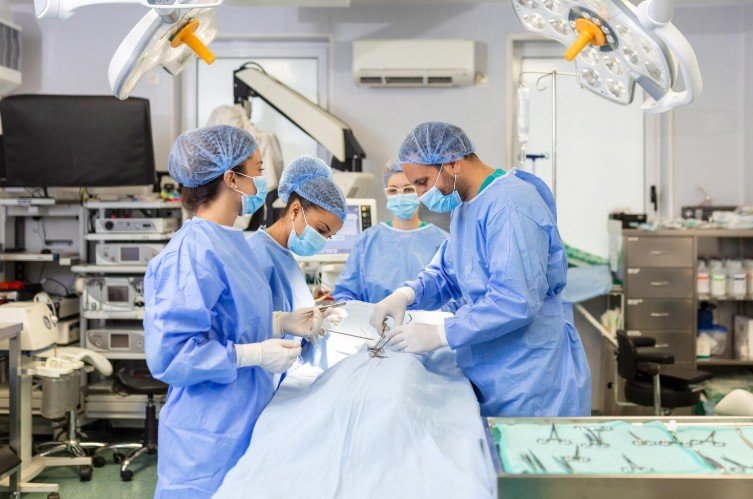
Advances in medical technology have significantly transformed surgical care, especially in the field of gynecology. Today, robotic and laparoscopic surgeries are widely used as minimally invasive techniques to treat various gynecological conditions with greater precision and improved patient comfort.
However, many patients still feel anxious when they hear terms like robotic surgery or laparoscopic surgery. Questions about safety, recovery time, pain, and effectiveness are very common. Addressing these concerns is important because understanding the procedure helps patients feel more confident and prepared.
According to specialists such as Dr. Shweta Mendiratta, known as one of the best gynecologic surgeons in Faridabad, patient awareness plays a key role in successful treatment outcomes. When patients are well-informed about their surgical options, they are better equipped to make the right decisions about their health.
In this article, we answer some of the most frequently asked questions about robotic and laparoscopic surgery to help patients better understand these modern surgical approaches.
Understanding Robotic and Laparoscopic Surgery
Before exploring the common questions, it is important to understand what these procedures involve.
Laparoscopic Surgery
Laparoscopic surgery, often called keyhole surgery, is a minimally invasive procedure where surgeons operate through small incisions using a thin instrument called a laparoscope. A tiny camera sends images to a monitor, allowing the surgeon to perform the operation with precision.
Robotic Surgery
Robotic surgery is an advanced form of minimally invasive surgery. In this technique, the surgeon controls robotic arms that hold specialized surgical instruments. The robotic system provides enhanced 3D visualization and greater precision, especially during complex procedures.
Both techniques aim to minimize surgical trauma while improving patient recovery and outcomes.
Frequently Asked Questions About Robotic & Laparoscopic Surgery
- Is robotic surgery really performed by a robot?
This is one of the most common concerns patients have.
The answer is no. Robotic surgery is not performed independently by a robot. Instead, the robotic system acts as a highly advanced surgical tool controlled entirely by the surgeon.
The surgeon sits at a console and guides the robotic instruments with precise hand movements. The system translates these movements into highly accurate actions inside the patient’s body.
The surgeon remains in complete control throughout the procedure.
- What is the difference between robotic and laparoscopic surgery?
Both procedures are minimally invasive and involve small incisions.
However, robotic surgery offers certain technological advantages:
- High-definition 3D visualization
- Greater instrument flexibility
- More precise movement
- Better control in complex surgical cases
Laparoscopic surgery remains an excellent option for many procedures, while robotic surgery may be preferred for more complex conditions requiring higher precision.
- Will I feel pain during or after surgery?
During the procedure, patients are under general anesthesia, so they do not feel pain during the surgery.
After surgery, some mild discomfort or soreness around the incision sites is normal. However, because robotic and laparoscopic procedures use smaller incisions, patients generally experience less pain compared to traditional open surgery.
Pain can usually be managed effectively with prescribed medications.
- How long will I need to stay in the hospital?
One of the biggest advantages of minimally invasive surgery is the shorter hospital stay.
Many patients who undergo robotic or laparoscopic surgery may:
- Go home the same day, or
- Be discharged within 24 hours
The exact hospital stay depends on the type of procedure performed and the patient’s overall health condition.
- When can I return to normal activities?
Recovery after minimally invasive surgery is usually faster compared to traditional open surgery.
Most patients can:
- Resume light activities within a few days
- Return to work within 1–2 weeks
- Resume full activities within 3–4 weeks
However, recovery time may vary depending on the procedure and individual health factors. Your doctor will provide specific instructions for your situation.
- Are there additional risks with robotic surgery?
All surgical procedures carry some level of risk. However, robotic surgery is considered very safe when performed by a trained and experienced surgeon.
Potential risks may include:
- Infection
- Bleeding
- Reaction to anesthesia
- Rare surgical complications
However, robotic technology often reduces complications by providing greater surgical precision and better visualization of delicate structures.
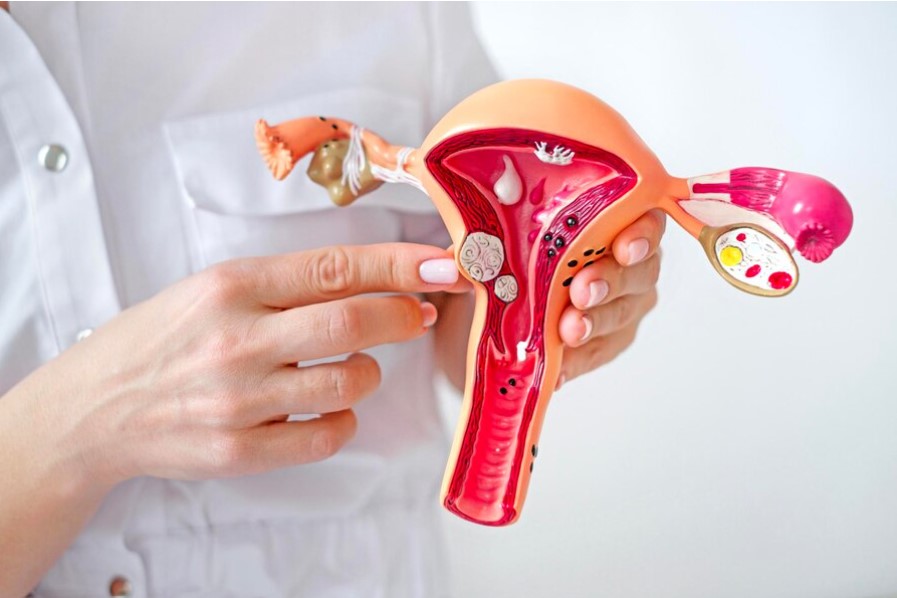
- What types of gynecologic conditions can be treated with robotic or laparoscopic surgery?
Minimally invasive surgery is used to treat a wide range of gynecologic conditions, including:
- Uterine fibroids
- Endometriosis
- Ovarian cysts
- Adenomyosis
- Pelvic organ prolapse
- Chronic pelvic pain
- Ectopic pregnancy
- Gynecologic cancers (early stages)
- Adhesions and scar tissue
These procedures allow surgeons to treat complex conditions while minimizing patient discomfort.
- Will there be visible scars after surgery?
Robotic and laparoscopic surgeries use very small incisions, usually less than one centimeter.
As a result:
- Scars are minimal
- Healing is faster
- Cosmetic results are better compared to open surgery
Most scars fade significantly over time.
- Is robotic surgery suitable for everyone?
While robotic surgery is beneficial for many patients, it may not be appropriate for every situation.
Factors that determine suitability include:
- The type of medical condition
- The complexity of the surgery
- Previous surgical history
- Overall health status
A detailed medical evaluation is necessary to determine the most appropriate surgical approach.
- How should I prepare for robotic or laparoscopic surgery?
Preparation helps ensure a smooth surgical experience.
Patients may be advised to:
- Stop certain medications before surgery
- Complete blood tests and imaging scans
- Avoid eating or drinking for several hours before surgery
- Arrange transportation and post-surgery care
Your doctor will provide detailed pre-operative instructions.
Benefits of Minimally Invasive Surgery
Robotic and laparoscopic surgeries offer several advantages compared to traditional open surgery.
Less Pain
Smaller incisions cause less trauma to surrounding tissues.
Faster Recovery
Patients can return to daily life sooner.
Shorter Hospital Stay
Many procedures require only a brief hospital visit.
Reduced Blood Loss
Precise surgical techniques minimize bleeding.
Smaller Scars
Minimal incisions improve cosmetic outcomes.
These benefits have made minimally invasive surgery the preferred option for many gynecologic conditions.
Importance of Choosing an Experienced Surgeon
Technology alone does not guarantee successful outcomes. The skill and experience of the surgeon play a crucial role in ensuring safe and effective treatment.
Experienced specialists such as Dr. Shweta Mendiratta, widely recognized as one of the best gynecologic surgeons in Faridabad, use advanced robotic and laparoscopic techniques to provide personalized treatment and optimal surgical outcomes for patients.
Selecting a qualified and experienced surgeon helps ensure that the procedure is performed with the highest level of precision and care.
Conclusion
Robotic and laparoscopic surgeries have revolutionized modern gynecologic care by offering safer, less invasive alternatives to traditional open surgery. These advanced techniques allow surgeons to perform complex procedures with improved precision while ensuring faster recovery and reduced discomfort for patients.
While it is natural for patients to have questions and concerns before surgery, understanding the process can significantly reduce anxiety and help them make informed healthcare decisions.
Ultimately, a well-informed patient is an empowered patient. By discussing concerns openly with a qualified specialist, patients can feel confident about their treatment journey and focus on achieving the best possible health outcomes.
FAQs
- Is robotic surgery safe?
Yes, robotic surgery is considered safe when performed by a trained and experienced surgeon.
- How long does robotic surgery take?
The duration depends on the procedure but typically ranges between 1 to 3 hours.
- Can laparoscopic surgery treat complex conditions?
Yes, many complex gynecological conditions can be treated effectively using laparoscopic or robotic techniques.
- How soon can I walk after surgery?
Most patients are encouraged to start walking within 24 hours to promote faster recovery.
- Is robotic surgery more expensive than traditional surgery?
Costs may vary depending on the procedure and hospital, but the benefits of faster recovery and shorter hospital stays often offset the difference.