PCOS or PCOD? Symptoms, Diagnosis and Treatment Guide

“Doctor, is it PCOS or PCOD? My friend says they are different.” This is one of the questions I am asked most often by young women who have just seen the words on an ultrasound report. Many arrive anxious, having already read that PCOS means they will never conceive or will gain weight no matter what they do. Neither is true.

Let me explain what these terms mean, how the condition is really diagnosed, and what can be done about it.

PCOS vs PCOD: is there a difference?

In everyday talk in India, PCOD (polycystic ovarian disease) usually means ovaries that contain many small, immature follicles along with some hormonal disturbance. PCOS (polycystic ovary syndrome) is the term doctors use for the full condition, which involves the hormones, the metabolism and the ovaries together. Some people describe PCOD as the milder form and PCOS as the more serious one.

In clinical practice, the two names are mostly used for the same problem, and what matters is not the label but the pattern in each woman: whether she ovulates regularly, whether her male-type hormones are high, and whether her body is resistant to insulin. That pattern decides the treatment.

How common is it?

PCOS is one of the most common hormonal conditions in women of reproductive age. Estimates for India vary widely between studies, but it affects a large number of women, many of whom have never been diagnosed. It often begins in the teenage years, although it may only be noticed when periods become irregular, weight rises, or pregnancy does not happen.

Symptoms to look out for

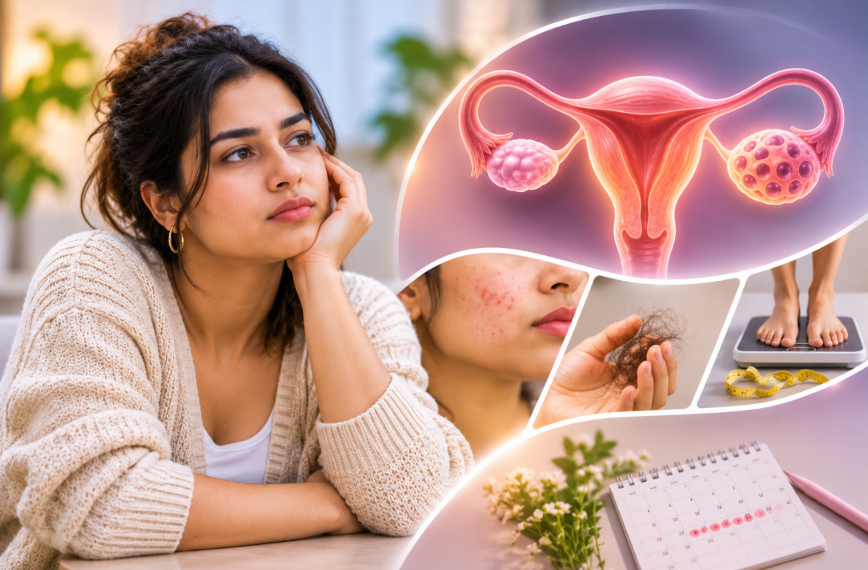
PCOS does not look the same in everyone. Common signs include:

  • Irregular, delayed or absent periods, often fewer than eight cycles a year
  • Acne, especially along the jaw and chin, that continues past the teenage years
  • Excess hair on the face, chest, abdomen or back
  • Thinning hair on the scalp
  • Weight gain, particularly around the waist, or difficulty losing weight
  • Dark, velvety patches of skin on the neck, underarms or groin
  • Difficulty conceiving
  • Mood changes, low energy and disturbed sleep

A woman can have PCOS without being overweight. Lean PCOS is common, and it is often missed because people assume the condition only affects those who weigh more.

Why it happens

The exact cause is not fully known. Several things seem to work together. Many women with PCOS have insulin resistance, which means the body needs to produce more insulin to control blood sugar. High insulin levels push the ovaries to make more male-type hormones (androgens), which interfere with ovulation. Genes play a role, and PCOS often runs in families. Lifestyle factors, such as weight gain, a sedentary routine and chronic stress, can make it worse.

How PCOS is diagnosed

An ultrasound that shows “polycystic ovaries” is not, by itself, a diagnosis. Many healthy women have ovaries with that appearance, and some women with PCOS have normal-looking ovaries. Doctors generally diagnose PCOS when at least two of these three features are present, after other causes have been ruled out:

  1. Irregular or absent ovulation, shown by irregular periods
  2. Signs of high androgens, such as acne and excess hair, or raised levels on a blood test
  3. Polycystic-appearing ovaries on ultrasound

Because thyroid disease, high prolactin and a few other conditions can look similar, I usually advise some tests along with the examination:

  • Hormone tests, such as thyroid function (TSH), prolactin, and, depending on the picture, testosterone, FSH and LH
  • Blood sugar and insulin assessment, including fasting glucose or HbA1c, and sometimes a glucose tolerance test
  • Cholesterol and lipid profile
  • Ultrasound of the pelvis, which may be done through the abdomen for women who are not sexually active

If you have already read my guide on PCOS treatment in Faridabad, this section shows how the diagnosis is made. If your main concern is periods, see PCOS and irregular periods: 10 questions answered.

Why PCOS needs treatment, not just tolerance

PCOS is not only about periods. Over the years, it increases the chances of:

  • Type 2 diabetes and pre-diabetes
  • High cholesterol and high blood pressure
  • Fatty liver
  • Sleep apnoea
  • Thickening of the uterine lining, because infrequent periods can let it build up without being shed, which in some women can lead to abnormal changes later
  • Anxiety and depression

The good news is that early diagnosis and steady management reduce these risks considerably.

Treatment: what actually works

There is no single “cure” for PCOS, but nearly all of its effects can be controlled. The plan depends on your symptoms and whether you want to conceive.

Lifestyle first. Even a loss of five to ten per cent of body weight can restore ovulation in many women who are overweight. I recommend regular meals with more protein, vegetables and whole grains and fewer refined carbohydrates and sugary drinks, plus around 150 minutes of exercise a week, mixing walking or cycling with strength training. I discuss why the scale is so stubborn in PCOS and weight gain: why losing weight feels impossible and what actually works, and why habits matter more than pills in Your hormones don’t need more pills, they need better habits.

Medicines to regulate periods and symptoms. Combined hormonal pills or progestin courses can regulate cycles and protect the uterine lining, and they often improve acne and hair growth. If there is insulin resistance, metformin may be added. For stubborn unwanted hair or hair loss, anti-androgen medicines can be used under supervision, with reliable contraception.

Help to conceive. If you are trying for a baby, ovulation can usually be induced with tablets such as letrozole, with monitoring through scans. Other options exist if these do not work. More on this in Can PCOS affect fertility? and my guide to infertility tests for women.

Supplements. Some women take inositol, vitamin D or other supplements. Evidence is mixed, so please discuss them with your doctor instead of buying them online.

Myths I hear every week

“PCOS means I cannot have a baby.” Many women with PCOS conceive naturally or with simple treatment.

“It will go away after marriage or after one pregnancy.” It may improve, but it can return. Periods and weight need lifelong attention.

“Only overweight women get PCOS.” Lean women can have it too.

“Birth control pills cure PCOS.” They control symptoms while you take them. They do not fix the underlying cause.

“I should skip carbohydrates completely.” Extreme diets backfire. Balanced, lower-glycaemic eating works better and lasts longer.

When to see a gynecologist

See a doctor if your periods are irregular for more than three months, you have gone more than two months without a period, acne or hair growth is worsening, you are gaining weight without explanation, or you have been trying to conceive for a year (or six months if you are over 35). Teenagers with irregular periods that persist two years after the first period should also be checked.

PCOS does not replace routine care. Women with PCOS still need regular check-ups and cervical screening, which I explain in HPV vaccine and cervical cancer screening: what women should know. If you also notice unusual vaginal discharge, read white discharge: normal vs abnormal. And if period pain is your main complaint, see painful periods: causes and when to see a gynecologist, because PCOS is not usually the cause of severe cramps.

You can book an appointment here. Our menstrual disorders page has more on what we treat.

This article is for general awareness and does not replace a personal medical consultation.
Gynecologist in Sector 17, Faridabad – Comprehensive Women’s Healthcare

Women’s healthcare needs change throughout life. From menstrual problems and PCOS during the reproductive years to pregnancy, fertility concerns, fibroids and menopause, timely consultation with an experienced gynecologist can help women understand symptoms and make informed healthcare decisions.

For women living in Sector 17, Faridabad and nearby areas, choosing a gynecologist who can provide comprehensive care can make ongoing consultations and follow-up easier.

Dr. Shweta Mendiratta  is a gynecologist, robotic and laparoscopic surgeon and infertility specialist with 15+ years of experience. She is also Director & Head – Unit II, Obstetrics & Gynecology at Yatharth Hospital, Sector 20, Faridabad. Her qualifications include MBBS, MS in Obstetrics & Gynecology, DNB, FICOG and CIMP.

Although Dr. Shweta does not list a clinic in Sector 17 itself, women from Sector 17 can consider her consultation locations in Faridabad depending on their healthcare needs.

When Should Women in Sector 17 See a Gynecologist?

A gynecologist is not only for pregnancy or reproductive problems. Regular gynecological care can help women address symptoms early and understand changes occurring at different stages of life.

You may consider consulting a gynecologist if you experience:

  • Irregular, delayed or missed periods
  • Very heavy menstrual bleeding
  • Severe period cramps
  • Pelvic or lower abdominal pain
  • Unusual vaginal discharge, itching or irritation
  • Recurrent vaginal infections
  • Symptoms associated with PCOS or hormonal imbalance
  • Difficulty conceiving
  • Concerns before planning pregnancy
  • Pregnancy-related concerns
  • Fibroids or ovarian conditions
  • Symptoms associated with endometriosis
  • Abnormal bleeding
  • Perimenopause or menopause symptoms
  • Concerns about contraception or reproductive health

Not every symptom indicates a serious condition. However, persistent, recurrent or unusual symptoms should not simply be ignored.

Common Women’s Health Conditions Managed by Dr. Shweta Mendiratta

Women looking for a gynecologist near Sector 17, Faridabad may need care for a wide range of conditions. Dr. Shweta’s practice covers routine gynecological care as well as pregnancy, fertility and minimally invasive gynecological procedures.

PCOS and Irregular Periods

Polycystic ovary syndrome can affect menstrual cycles, ovulation and fertility. Some women may experience irregular periods, acne, excessive hair growth, weight changes or difficulty conceiving.

Management depends on the individual woman’s symptoms, reproductive goals and overall health.

Dr. Shweta’s website also provides detailed information about PCOS and irregular periods, including when consultation may be appropriate.

Read: PCOS and Irregular Periods – When Should You See a Gynecologist?

Painful or Heavy Periods

Periods that are consistently very painful or unusually heavy can interfere with work, exercise, sleep and daily activities.

Possible causes can include hormonal changes, fibroids, endometriosis, adenomyosis and other gynecological conditions. A consultation can help determine whether further evaluation is appropriate.

Women should particularly seek medical advice when bleeding patterns change suddenly or period-related pain becomes difficult to manage.

Fibroids and Uterine Problems

Uterine fibroids are common non-cancerous growths that can occur in women during the reproductive years. Depending on their size and location, fibroids may be associated with heavy periods, pelvic pressure, pain or fertility concerns.

The presence of fibroids does not automatically mean that surgery is required. Treatment depends on factors such as symptoms, fibroid characteristics, age and pregnancy plans.

Read: Can You Get Pregnant With Fibroids? Risks & Solutions

Pregnancy Care for Women Near Sector 17

Pregnancy is one of the most important reasons women seek an experienced obstetrician.

A pregnancy consultation can cover care from the preconception stage through pregnancy and postpartum follow-up. Depending on individual circumstances, care may include:

  • Preconception assessment
  • Early pregnancy evaluation
  • Routine antenatal monitoring
  • High-risk pregnancy management
  • Monitoring maternal health conditions
  • Pregnancy-related investigations
  • Birth planning
  • Postpartum care

Women planning pregnancy may benefit from discussing existing medical conditions, medications, nutrition, lifestyle and other factors before conception.

Read: Questions to Ask Your Gynecologist Before Planning Pregnancy

Dr. Shweta’s official website identifies high-risk pregnancy management and comprehensive obstetric care among her areas of practice.

Fertility and Infertility Evaluation

Difficulty conceiving can have many possible causes, and infertility evaluation is not limited to the woman.

Female factors may include:

  • Ovulation disorders
  • PCOS
  • Endometriosis
  • Problems involving the fallopian tubes
  • Uterine abnormalities
  • Certain hormonal conditions

Male factors can also contribute to difficulty conceiving, which is why evaluation of both partners may be appropriate.

A gynecologist with experience in fertility evaluation can help determine which investigations may be relevant rather than recommending the same approach to every couple.

Read: Infertility Treatment in Faridabad – Dr. Shweta Mendiratta

Minimally Invasive Gynecological Surgery

Some gynecological conditions may require a surgical approach when symptoms are significant or when other treatments are not suitable.

Dr. Shweta Mendiratta has experience in laparoscopic and hysteroscopic gynecological procedures, along with conventional gynecological surgery. Her profile also identifies her as a robotic and laparoscopic surgeon.

Depending on the condition, minimally invasive approaches may be considered for selected cases involving conditions such as:

  • Fibroids
  • Endometriosis
  • Uterine abnormalities
  • Certain infertility-related conditions
  • Other gynecological problems requiring operative treatment

Importantly, surgery is not necessary for every woman with these conditions. The appropriate treatment depends on the diagnosis, symptoms, reproductive plans and overall health.

Menstrual, Hormonal and Menopause Care

Gynecological care continues beyond pregnancy and fertility.

During perimenopause and menopause, women may experience changes such as:

  • Irregular periods
  • Hot flashes
  • Sleep problems
  • Mood changes
  • Vaginal dryness
  • Changes in sexual health
  • Other hormonal symptoms

Dr. Shweta holds the CIMP credential as an IMS Menopause Practitioner, supporting her practice in women’s health across different stages of life.

Women experiencing persistent or disruptive symptoms can discuss them with a gynecologist rather than assuming they are simply an unavoidable part of ageing.

Read: Menopause in Your 40s or 50s – Questions to Ask Your Gynecologist

Why Women in Sector 17 May Prefer a Gynecologist With Comprehensive Care

For women living in and around Sector 17, healthcare convenience is one consideration, but the scope of care is equally important.

A gynecologist may become a long-term healthcare professional, particularly when a woman is managing a chronic condition, planning pregnancy or undergoing fertility evaluation.

Dr. Shweta Mendiratta offers experience across several areas of obstetrics and gynecology, including general gynecological care, pregnancy, high-risk pregnancy, infertility evaluation and minimally invasive gynecological surgery.

Her approach also emphasizes communication and helping patients understand their condition and treatment options.

Women who are comparing gynecologists can use a structured checklist before making their decision.

Read: How to Choose the Best Gynecologist in Faridabad – 10 Questions to Ask

Where Can Women From Sector 17 Consult Dr. Shweta Mendiratta?

Dr. Shweta’s official website currently lists two consultation locations in Faridabad:

Dr. Shweta Mendiratta – Yatharth Super Speciality Hospital

Yatharth Super Speciality Hospital, Sector 20, Faridabad

The official website lists consultations from Monday to Saturday, 10:00 AM to 4:00 PM.

Dr. Shweta Mendiratta – Sector 21C

Mediclub Gynae ‘N’ Neuro Clinic, Sector 21C, Faridabad

The official website lists evening consultations at this location, generally 5:30 PM to 7:30 PM, with Thursday and Sunday closed. Patients should confirm the current schedule while booking.

Contact Dr. Shweta Mendiratta


Frequently Asked Questions

1. Is Dr. Shweta Mendiratta a gynecologist near Sector 17, Faridabad?

Dr. Shweta Mendiratta consults at Yatharth Hospital in Sector 20 and at a clinic in Sector 21C, Faridabad. Women from Sector 17 can consider these locations for gynecological consultation.

2. What problems can I discuss with a gynecologist?

You can discuss menstrual irregularities, PCOS, pelvic pain, vaginal infections, fibroids, fertility concerns, pregnancy, menopause and other reproductive or women’s health concerns.

3. Should I see a gynecologist before planning pregnancy?

A preconception consultation can be useful for reviewing health conditions, medications, lifestyle factors and pregnancy-related considerations before conception.

4. Can a gynecologist help with infertility?

Yes. A gynecologist can evaluate potential female reproductive factors and help determine appropriate investigations or treatment. Evaluation may also involve the male partner when appropriate.

5. Does having fibroids always mean I need surgery?

No. Fibroids are managed according to symptoms, size and location, reproductive plans and other clinical factors. Some women may need monitoring or medical management, while others may require a procedure.

6. When should irregular periods be evaluated?

Persistent or recurrent irregular periods, especially when accompanied by other symptoms such as excessive hair growth, acne, weight changes, pelvic pain or difficulty conceiving, are worth discussing with a gynecologist.

7. Can women consult a gynecologist after menopause?

Yes. Gynecological care remains relevant after menopause, particularly for persistent symptoms, abnormal bleeding, vaginal symptoms and broader women’s health concerns.

8. How can I book an appointment with Dr. Shweta Mendiratta?

You can use the contact details and appointment information provided on her official website. It is advisable to confirm the current consultation timing before visiting.

Final Thoughts

Finding a gynecologist in or near Sector 17, Faridabad is not only about choosing a nearby doctor. Women should also consider experience, qualifications, areas of expertise, communication and whether the doctor can provide continuity of care when their needs change.

Dr. Shweta Mendiratta brings more than 15 years of experience in Obstetrics & Gynecology and provides care covering women’s health, pregnancy, fertility, PCOS, gynecological conditions and minimally invasive procedures.

For women in Sector 17 who are experiencing persistent gynecological symptoms, planning pregnancy, facing fertility concerns or simply want professional guidance about their reproductive health, an appropriate consultation can be an important first step.

For appointments and current consultation timings, visit the official website of Dr. Shweta Mendiratta or contact her clinic directly.

Book/Contact Dr. Shweta Mendiratta

Medical disclaimer: This article is intended for general health information and does not replace an individual consultation, examination or diagnosis by a qualified medical professional.