PCOS and Irregular Periods: When Should You See a Gynecologist? 10 Questions Answered

Irregular periods are one of the most common reasons women search for answers online before ever booking a doctor’s visit — and PCOS (Polycystic Ovary Syndrome) is very often the underlying cause. Yet PCOS remains widely misunderstood: some women dismiss it as “just irregular periods,” while others assume every menstrual irregularity must mean PCOS. Neither assumption is quite right.

This FAQ guide from Dr. Shweta Mendiratta, Director & Head – Unit II, Obstetrics & Gynecology at Yatharth Hospital, Faridabad, answers 10 of the most common questions women ask about PCOS, irregular periods, and when it’s time to seek proper evaluation for PCOS treatment in Faridabad.

1. Can PCOS cause irregular periods?

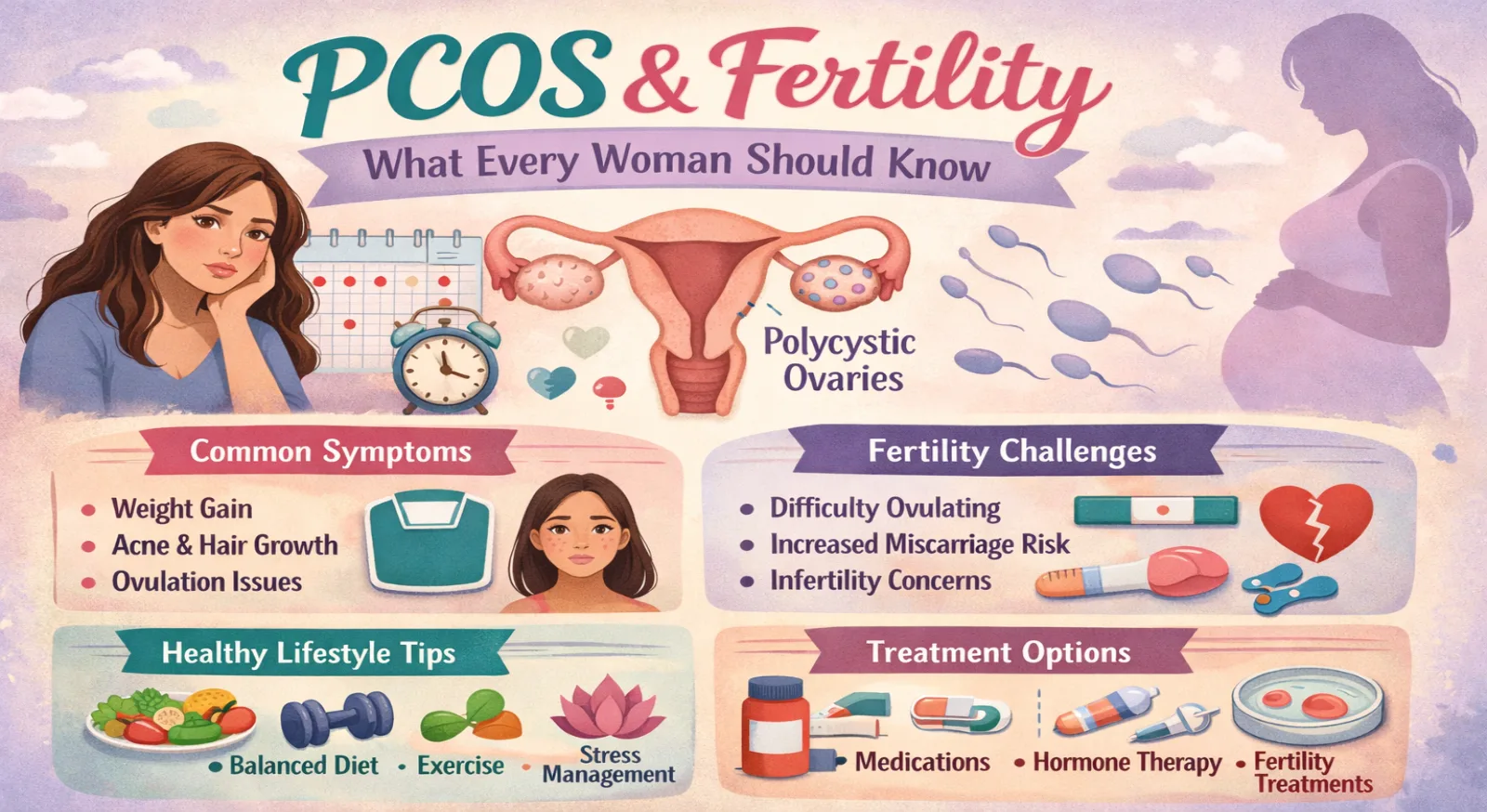
Yes — irregular periods are one of the hallmark symptoms of PCOS. The condition affects how the ovaries function, often disrupting regular ovulation. When ovulation doesn’t happen consistently, periods become unpredictable in one or more ways:

  • Cycles longer than 35 days
  • Fewer than eight periods a year
  • Periods that stop altogether for months at a time
  • Unpredictable timing that makes cycles difficult to track

Not every woman with PCOS experiences the same degree of irregularity — for some it’s a mild pattern shift, while for others periods may be absent for months.

2. Are irregular periods always caused by PCOS?

No. While PCOS is one of the most common causes of irregular periods in women of reproductive age, it’s far from the only one. Other causes include:

  • Thyroid dysfunction (both underactive and overactive)
  • Significant stress or sudden weight changes
  • Excessive exercise or very low body weight
  • Perimenopause, in women in their late 30s and 40s
  • Uterine conditions such as fibroids or polyps

This is exactly why irregular periods shouldn’t be self-diagnosed as PCOS — proper evaluation is needed to identify the actual underlying cause, since treatment differs significantly depending on it.

3. When should irregular periods be investigated?

As a general guideline, it’s worth seeking evaluation if you notice:

  • Irregular cycles persisting for more than two to three consecutive months
  • A sudden, unexplained change from your usual regular pattern
  • Periods that have stopped for three months or more (and you’re not pregnant)
  • Irregular cycles accompanied by other symptoms like acne, excess hair growth, or weight changes

Tracking your cycle for a couple of months before your appointment — even just start and end dates — gives your gynecologist useful information to work with at the first visit.

4. Can PCOS affect fertility?

Yes, PCOS is one of the leading causes of ovulatory infertility — difficulty conceiving due to irregular or absent ovulation. Because eggs aren’t released consistently, it can take longer to conceive naturally. That said, PCOS-related infertility is generally manageable, and many women with PCOS go on to conceive successfully with appropriate treatment, which may include:

  • Lifestyle and weight management, where relevant
  • Medications to induce or regulate ovulation
  • In some cases, assisted reproductive techniques if first-line treatment isn’t sufficient

Early evaluation matters here too — the sooner PCOS-related fertility concerns are addressed, the more treatment options remain straightforward.

5. What tests may be recommended for PCOS?

There’s no single test that confirms PCOS on its own; diagnosis is typically based on a combination of clinical evaluation and specific tests, which may include:

  • Pelvic ultrasound, to check for the characteristic appearance of the ovaries
  • Blood tests, to assess hormone levels including LH, FSH, testosterone, and prolactin
  • Thyroid function tests, to rule out thyroid disorders as the cause
  • Fasting glucose and insulin levels, since PCOS is closely linked with insulin resistance
  • Lipid profile, given the metabolic associations of PCOS

Your gynecologist will typically tailor this workup based on your specific symptoms rather than running every test for every patient.

6. Can PCOS symptoms be managed?

Yes — while PCOS isn’t something that’s “cured” in the traditional sense, it’s very manageable with the right combination of approaches, which usually include:

  • Lifestyle changes, particularly diet and regular physical activity, which can meaningfully improve symptoms even with modest weight change
  • Medications to regulate periods, manage insulin resistance, or reduce androgen-related symptoms like acne and excess hair growth
  • Fertility treatment, when conception is the goal
  • Ongoing monitoring, since PCOS management is typically a long-term, adjustable plan rather than a one-time fix

Most women see meaningful improvement in symptoms once a personalized management plan is in place — the key is consistency rather than a quick fix.

7. When should I see a gynecologist for PCOS?

Book a consultation if you notice any combination of:

  • Irregular or absent periods over several months
  • Unexplained weight gain, especially around the abdomen
  • Persistent acne that hasn’t responded to typical skincare
  • Excess hair growth on the face, chest, or back
  • Difficulty conceiving

You don’t need to wait until symptoms significantly disrupt your life — earlier evaluation generally means simpler, more effective management, and it also allows monitoring for the longer-term health considerations linked with PCOS.

8. Can PCOS affect weight, acne, or hair growth?

Yes, and these are among the most common — and most frustrating — symptoms women with PCOS experience, largely driven by elevated androgen levels and insulin resistance:

  • Weight gain, often concentrated around the abdomen, and difficulty losing weight despite effort
  • Acne, typically along the jawline, chin, and lower face, and often resistant to standard treatments
  • Excess hair growth (hirsutism) on the face, chest, or back
  • Hair thinning on the scalp, in some cases

Because these symptoms are hormonally driven, they often improve significantly once the underlying hormonal imbalance is addressed — rather than through skincare or weight-loss efforts alone.

9. Does PCOS increase the risk of other long-term health problems?

It can, which is part of why ongoing gynecological monitoring matters even once your periods or fertility concerns are addressed. PCOS is associated with a higher long-term risk of:

  • Type 2 diabetes, due to insulin resistance
  • High blood pressure and cardiovascular risk factors
  • Endometrial changes, related to infrequent ovulation and periods
  • Sleep apnea, in some cases

This doesn’t mean these outcomes are inevitable — but it’s a strong reason to manage PCOS proactively with periodic monitoring, rather than treating it as a purely cosmetic or fertility-related concern.

10. How do I book a consultation for PCOS treatment in Faridabad?

Getting an initial evaluation is straightforward. Before your visit, it helps to:

  • Track your last few cycles — dates, duration, and flow, if you can recall them
  • Note other symptoms — acne, hair growth, weight changes, and when they started
  • List any family history of PCOS, diabetes, or thyroid conditions
  • Bring previous test results, if you’ve had any hormone or thyroid tests done before

You can book an appointment with Dr. Shweta Mendiratta by calling +91-8130048652, +91-9999093503, or +91-8178939442, or through the online appointment form on her website.

Managing PCOS with Dr. Shweta Mendiratta in Faridabad

Dr. Shweta Mendiratta is Director & Head – Unit II, Obstetrics & Gynecology at Yatharth Hospital, Faridabad, with over 15 years of experience and more than 15,000 patients treated. She offers comprehensive evaluation and personalized management for PCOS, menstrual disorders, and related fertility concerns — combining hormonal, lifestyle, and, where needed, fertility treatment approaches tailored to each patient rather than a one-size-fits-all protocol.

Clinic Locations:

  • Yatharth Hospital, Sector 20, Faridabad — Monday to Saturday, 10:00 AM – 4:00 PM
  • Mediclub Gynae ‘N’ Neuro Clinic, Sector 21C, Faridabad — Monday to Sunday, 5:30 PM – 7:30 PM (Thursday & Sunday closed)

Dealing with irregular periods or PCOS symptoms? Book an appointment with Dr. Shweta Mendiratta or call +91-8130048652 for evaluation and personalized treatment.
Gynecologist in Faridabad: Complete Guide to Women’s Healthcare

Women’s healthcare needs evolve significantly across different life stages — from adolescence through pregnancy, motherhood, and menopause. Having access to a knowledgeable, trustworthy gynecologist in Faridabad is essential at every one of these stages. This comprehensive guide covers everything women in Faridabad should know about gynecological care, common conditions, and when to seek professional help.

Why Regular Gynecological Care Matters

Many women only visit a gynecologist when something feels wrong. However, regular checkups — even without symptoms — play a critical role in preventive healthcare. Routine visits help detect issues early, often before they become serious, and allow for ongoing monitoring of reproductive health.

Women searching for the best gynaecologist in Faridabad are often looking not just for treatment, but for a long-term healthcare partner who understands their history and can guide them through different life stages.

Adolescent Gynecological Care

Gynecological care doesn’t begin in adulthood. Adolescent girls may need guidance on:

  • Understanding menstrual cycles and what’s normal
  • Managing painful or irregular periods
  • Addressing concerns about puberty and physical development
  • HPV vaccination guidance
  • Education on reproductive health

Early, comfortable experiences with a gynecologist can help young women build healthy attitudes toward their reproductive health for years to come.

Reproductive Age Care (20s-30s)

This life stage often involves the widest range of gynecological needs:

Menstrual Health Conditions like PCOS/PCOD, endometriosis, and irregular cycles are common and often require ongoing management through lifestyle changes, medication, or hormonal treatment.

Family Planning From contraception counseling to preconception planning, women in this age group often need guidance tailored to their personal and family goals.

Pregnancy Care Comprehensive prenatal care, including regular checkups, screenings, and delivery planning, falls squarely within this stage.

Fertility Concerns For couples facing difficulty conceiving, early evaluation with a gynecologist can identify potential causes and treatment paths, including referrals for fertility treatments when necessary.

Sexual Health Regular screenings for sexually transmitted infections and general reproductive health checkups are important for maintaining long-term wellness.

Midlife and Perimenopausal Care (40s)

As women approach their 40s, hormonal shifts often bring new symptoms:

  • Changes in menstrual cycle regularity
  • Hot flashes and night sweats
  • Mood changes
  • Increased risk of fibroids or other gynecological growths

Regular screenings, including Pap smears and breast examinations, become increasingly important during this stage to catch any abnormalities early.

Menopause and Beyond

Menopause marks a significant transition, typically occurring between ages 45-55. A knowledgeable gynecologist in Faridabad can help manage:

  • Hormone-related symptoms (hot flashes, sleep disturbances, mood changes)
  • Bone density concerns due to declining estrogen
  • Vaginal dryness and related discomfort
  • Cardiovascular health considerations that become more relevant post-menopause
  • Continued cancer screening protocols

Common Gynecological Conditions Faridabad Women Should Know About

PCOS/PCOD A hormonal disorder affecting ovulation, often presenting with irregular periods, weight gain, and acne. Early management can prevent long-term complications like diabetes and infertility.

Fibroids Non-cancerous growths in the uterus that can cause heavy bleeding, pain, or fertility issues, depending on size and location.

Endometriosis A condition where tissue similar to the uterine lining grows outside the uterus, often causing significant pain, especially during periods.

Urinary Tract Infections (UTIs) Common among women, particularly during pregnancy, requiring prompt treatment to prevent complications.

Ovarian Cysts Fluid-filled sacs on the ovaries that are often harmless but occasionally require monitoring or treatment.

Preventive Screenings Every Woman Should Prioritize

  • Pap smear: Recommended every 3 years starting at age 21 (frequency may vary based on individual risk factors)
  • Breast examination: Both self-exams and clinical exams, with mammograms typically starting around age 40
  • Pelvic exams: Regular checkups to assess reproductive organ health
  • HPV testing: Often paired with Pap smears for comprehensive cervical health monitoring
  • Bone density screening: Particularly important post-menopause

Choosing the Right Gynecologist in Faridabad

When selecting a gynecologist, consider:

  • Their range of expertise across different life stages
  • Hospital affiliations and access to advanced facilities
  • Communication style and how comfortable you feel discussing sensitive topics
  • Availability for both routine and urgent concerns
  • Patient reviews and reputation within the community

Dr. Shweta Mendiratta offers comprehensive care across all these life stages, from adolescent guidance to menopause management, with practice locations at Yatharth Super Speciality Hospital and Mediclub Gynae ‘N’ Neuro Clinic in Faridabad.

Final Thoughts

Women’s healthcare is not a one-time concern — it’s a lifelong journey that benefits enormously from consistent, knowledgeable care. Whether you’re dealing with your first period, planning a pregnancy, or navigating menopause, having a trusted gynecologist in Faridabad by your side ensures you receive the right guidance at every stage of life.

Get In Touch With Dr. Shweta Mendiratta

Phone: +91-8130048652 | +91-9999093503 Email: shwetasmendiratta@gmail.com

Yatharth Super Speciality Hospital Plot No 9, Sector-20, Krishna Nagar, New Industrial Township, Faridabad, Haryana 121007 Phone: +91 8178-939442

Mediclub Gynae ‘N’ Neuro Clinic Plot No. 857, Sector 21 C, Faridabad, Haryana 121001

PCOS Treatment in Faridabad — Your Complete Guide by Dr. Shweta Mendiratta

Polycystic Ovary Syndrome (PCOS) is one of the most common hormonal disorders affecting women of reproductive age — and yet it remains one of the most misunderstood and undertreated conditions in India. If you live in Faridabad or the surrounding NCR region and are searching for reliable PCOS treatment, this guide by Dr. Shweta Mendiratta, senior gynaecologist and laparoscopic surgeon, will walk you through everything you need to know — from recognising PCOS to getting the most effective treatment available near you.

What Is PCOS?

Polycystic Ovary Syndrome is a hormonal disorder in which the ovaries produce an excess of androgens (male hormones), which interferes with the regular development and release of eggs. The name refers to the many small cysts (fluid-filled sacs) that can form on the ovaries — though not every woman with PCOS has visible cysts.

PCOS affects approximately 1 in 5 women in India, making it far more prevalent than commonly assumed. It can begin as early as the first menstrual period and continue well into the perimenopausal years.

How Do You Know If You Have PCOS?

PCOS presents differently in every woman. Common symptoms include:

  • Irregular or missing periods (fewer than 8 cycles per year)
  • Excess facial or body hair (hirsutism)
  • Acne, particularly on the jaw and chin
  • Hair thinning or scalp hair loss
  • Weight gain, especially around the abdomen
  • Difficulty getting pregnant
  • Darkened skin patches (acanthosis nigricans) around the neck or underarms
  • Mood swings, anxiety, or depression

A diagnosis of PCOS typically requires at least two of the three Rotterdam criteria: irregular ovulation, elevated androgens, and polycystic ovaries on ultrasound.

Why Is PCOS So Often Misdiagnosed or Dismissed?

Many women in Faridabad and across India are told that irregular periods are ‘normal’ or that their symptoms will resolve after marriage or pregnancy. This is medically inaccurate and harmful. PCOS is a metabolic and hormonal condition that requires proper evaluation and long-term management. Leaving it untreated raises the risk of type 2 diabetes, infertility, heart disease, endometrial cancer, and depression.

How Is PCOS Diagnosed?

Dr. Shweta Mendiratta follows a comprehensive diagnostic approach:

  • Detailed menstrual and medical history
  • Physical examination including BMI, blood pressure, and skin assessment
  • Pelvic ultrasound to evaluate ovarian morphology
  • Hormonal blood tests: FSH, LH, testosterone, DHEAS, prolactin, thyroid function
  • Fasting glucose and insulin levels
  • Lipid profile

This thorough workup ensures that your PCOS diagnosis is accurate and that any overlapping conditions (such as thyroid disease or hyperprolactinaemia) are not missed.

PCOS Treatment Options in Faridabad

  1. Lifestyle Modification

Lifestyle changes are the first-line treatment for PCOS, particularly for women with weight-related symptoms. Even a 5–10% reduction in body weight can restore menstrual regularity, improve insulin sensitivity, and reduce androgen levels significantly.

  1. Medications

Depending on your dominant symptoms and goals, Dr. Mendiratta may recommend:

  • Oral contraceptive pills (OCPs) — to regulate periods and reduce androgens
  • Metformin — to improve insulin resistance and support weight management
  • Anti-androgens such as spironolactone — for acne and hirsutism
  • Clomiphene citrate or letrozole — for women trying to conceive
  • Progesterone therapy — to induce withdrawal bleeds and protect the uterine lining
  1. Fertility Treatment

For women with PCOS who are trying to conceive, Dr. Mendiratta offers ovulation induction with close monitoring, intrauterine insemination (IUI) coordination, and referral for IVF when needed. PCOS is the leading cause of anovulatory infertility, and most women with PCOS can conceive with the right treatment.

  1. Long-Term Monitoring

Because PCOS is a lifelong condition, regular monitoring of blood sugar, lipids, blood pressure, and endometrial health is important. Dr. Mendiratta provides structured follow-up care to help women manage PCOS through every life stage.

Why Choose Dr. Shweta Mendiratta for PCOS in Faridabad?

  • Over a decade of experience in gynaecology and women’s endocrinology
  • Subspecialty expertise in laparoscopic and robotic surgery
  • Evidence-based, personalised treatment protocols
  • Holistic approach addressing metabolic, hormonal, and emotional wellbeing
  • Consultations available at two convenient Faridabad locations

Frequently Asked Questions (FAQs)

Q1. Can PCOS be cured permanently?

PCOS cannot be ‘cured’ in the traditional sense, but it can be effectively managed. With the right treatment plan, most women with PCOS live symptom-free and can conceive naturally or with minimal intervention.

Q2. Is PCOS hereditary?

Yes, PCOS has a genetic component. If your mother or sister has PCOS, you are at higher risk. However, lifestyle choices significantly influence whether or how severely PCOS manifests.

Q3. Can a teenager have PCOS?

Yes. PCOS can be diagnosed in adolescents, though the criteria are slightly different since irregular periods are common in the first few years after puberty. If your daughter has significant acne, excess hair, weight gain, or very irregular cycles, she should be evaluated.

Q4. Will I need surgery for PCOS?

Most PCOS cases are managed without surgery. In rare cases where medication has failed to stimulate ovulation, a laparoscopic procedure called ovarian drilling may be considered. Dr. Mendiratta will discuss all options with you before recommending any procedure.

Q5. How do I book an appointment with Dr. Shweta Mendiratta in Faridabad?

You can call +91-8130048652 or +91-9999093503 or visit the clinic at Yatharth Super Speciality Hospital, Sector 20, Faridabad.


Get In Touch With Dr. Shweta Mendiratta

Phone: +91-8130048652 | +91-9999093503

Email: shwetasmendiratta@gmail.com

Yatharth Super Speciality Hospital

Plot No 9, Sector-20, Krishna Nagar, New Industrial Township, Faridabad, Haryana 121007

Phone: +91 8178-939442

Mediclub Gynae ‘N’ Neuro Clinic

Pilot No. 857 Sector 21 C, Faridabad Delhi, Haryana 121001

Can PCOS Affect Fertility? Expert Advice You Need

If you’ve recently been diagnosed with PCOS or have been trying to conceive without success, chances are this question has crossed your mind—“Can PCOS affect my fertility?”

The short answer is yes, but here’s the reassuring part—it’s manageable and treatable. Many women with PCOS go on to have healthy pregnancies with the right guidance and care.

According to Dr Shweta Mendiratta, best PCOS Doctor in Faridabad early diagnosis, lifestyle changes, and personalized treatment can significantly improve fertility outcomes in women with PCOS.

Understanding PCOS: More Than Just Irregular Periods

Polycystic Ovary Syndrome (PCOS) is a hormonal condition that affects how the ovaries function. It is one of the most common reasons behind irregular periods and infertility in women of reproductive age.

Women with PCOS may experience:

  • Irregular or missed periods
  • Excess facial or body hair
  • Acne or oily skin
  • Weight gain or difficulty losing weight
  • Thinning hair or hair fall

While these symptoms may seem manageable on the surface, internally, PCOS can interfere with ovulation—which is key to natural conception.

How Does PCOS Affect Fertility?

To understand the connection between PCOS and fertility, it’s important to know how ovulation works.

Every month, your ovaries release an egg (ovulation), which can be fertilized. In PCOS, hormonal imbalance disrupts this process.

Here’s what happens:

  • The body produces higher levels of androgens (male hormones)
  • Eggs don’t mature properly
  • Ovulation becomes irregular or may not occur at all

This condition is often referred to as anovulation, one of the leading causes of infertility in women with PCOS.

Does PCOS Mean You Can’t Get Pregnant?

Absolutely not.

One of the biggest myths around PCOS is that it leads to permanent infertility. The truth is:

PCOS may make conception difficult, but not impossible.

With the right treatment from an experienced specialist like Dr Shweta Mendiratta, best PCOS doctor in Faridabad, many women successfully conceive—sometimes even naturally.

Signs That PCOS May Be Affecting Your Fertility

If you are trying to conceive and have PCOS, watch out for these signs:

  • Irregular menstrual cycles
  • Difficulty tracking ovulation
  • Long gaps between periods
  • Repeated failed attempts to conceive
  • Weight gain and insulin resistance

If you notice these symptoms, it’s important to consult a gynecologist in Faridabad for PCOS treatment and fertility guidance early on.

Expert Advice: How to Improve Fertility with PCOS

The good news is that PCOS-related fertility issues can often be improved with the right approach.

  1. Lifestyle Modifications (First Line of Treatment)

Simple lifestyle changes can make a huge difference:

  • Maintain a healthy weight
  • Follow a balanced, low-carb diet
  • Exercise regularly (even 30 minutes daily helps)
  • Manage stress levels

Even a 5–10% weight loss can restore ovulation in some women.

  1. Ovulation Induction Treatments

If natural ovulation doesn’t occur, doctors may prescribe medications to stimulate ovulation. These treatments are highly effective when monitored properly.

  1. Hormonal Balance & Insulin Management

PCOS is often linked to insulin resistance. Managing insulin levels through diet, medication, or supplements can improve hormonal balance and fertility.

  1. Advanced Fertility Treatments

In cases where basic treatments don’t work, options like:

  • IUI (Intrauterine Insemination)
  • IVF (In Vitro Fertilization)

may be considered. These treatments have helped many PCOS patients conceive successfully.

Emotional Impact of PCOS & Infertility

Trying to conceive with PCOS can be emotionally exhausting. There’s often anxiety, self-doubt, and pressure—especially in Indian families.

It’s important to remember:

You are not alone, and PCOS is treatable.

Having a supportive doctor who understands both the medical and emotional aspects can make all the difference.

Why Choose Dr. Shweta Mendiratta for PCOS & Fertility Treatment in Faridabad?

When dealing with something as sensitive as fertility, choosing the right doctor is crucial.

Dr. Shweta Mendiratta offers:

  • Personalized PCOS treatment plans
  • Expertise in hormonal and fertility management
  • Focus on natural conception whenever possible
  • Advanced fertility guidance when needed
  • Compassionate, patient-friendly care

Her holistic approach makes her a trusted choice for women searching for the best PCOS doctor in Faridabad or a reliable gynecologist for fertility treatment in Faridabad.

When Should You See a Doctor?

You should consult a specialist if:

  • You’ve been trying to conceive for 6–12 months without success
  • Your periods are irregular or absent
  • You have been diagnosed with PCOS
  • You notice symptoms like weight gain, acne, or excessive hair growth

Early consultation can prevent delays and improve your chances of conception.

Frequently Asked Questions (FAQs)

Q1: Can women with PCOS get pregnant naturally?

A: Yes, many women with PCOS conceive naturally, especially with lifestyle changes and proper medical guidance.

Q2: How long does it take to get pregnant with PCOS?

A: It varies from person to person. With treatment, many women conceive within a few months to a year.

Q3: Is PCOS a permanent condition?

A: PCOS cannot be completely cured, but it can be effectively managed with lifestyle changes and medical treatment.

Q4: Does weight loss really help in PCOS fertility?

A: Yes, even a small amount of weight loss can regulate hormones and improve ovulation.

Q5: Are fertility treatments necessary for all PCOS patients?

A: No, many women conceive with basic treatments and lifestyle changes. Advanced treatments are only needed in some cases.

Q6: Can PCOS cause miscarriage?

A: PCOS may slightly increase the risk, but with proper care and monitoring, many women have healthy pregnancies.

Q7: What is the best treatment for PCOS-related infertility?

A: The best treatment depends on individual health, but a combination of lifestyle changes, medications, and expert guidance works best.

Conclusion

PCOS can affect fertility, but it doesn’t take away your chance of becoming a mother. With early diagnosis, the right treatment, and a supportive healthcare provider, managing PCOS and achieving pregnancy is absolutely possible.

If you’re struggling with irregular periods or difficulty conceiving, consulting an experienced specialist like Dr Shweta Mendiratta, a leading gynecologist in Faridabad, can help you take the right steps toward a healthy pregnancy.

Remember—your journey may be different, but your dream is still within reach.

Female Infertility Treatment by the Best Gynaecologist in Faridabad

Infertility can be an emotionally challenging journey for many women and couples. Difficulty in conceiving often brings stress, confusion, and countless questions. However, with timely diagnosis, expert medical care, and the right treatment approach, many causes of female infertility can be effectively managed. Consulting an experienced specialist is the first and most important step.

If you are struggling to conceive, Dr. Shweta Mendiratta, the best gynaecologist in Faridabad, offers comprehensive evaluation and personalised treatment for female infertility, focusing on understanding the root cause and restoring natural reproductive health.

Understanding Female Infertility

Female infertility refers to the inability to conceive despite regular, unprotected intercourse for a year (or six months for women over 35). It can occur due to a variety of medical, hormonal, anatomical, or lifestyle-related factors. Many women are unaware that common gynaecological issues can silently affect fertility if left untreated.

Early consultation with a trusted gynaecologist in Faridabad helps in identifying these issues at the right time and preventing long-term complications.

Common Causes of Female Infertility

Female infertility can have multiple causes, and sometimes more than one factor may be involved. Some of the most common causes include:

1. Hormonal Imbalances

Hormones play a vital role in ovulation and menstrual cycles. Any imbalance can interfere with egg release, making conception difficult.

2. Irregular Ovulation

Women who experience irregular or missed periods may not ovulate regularly, reducing the chances of pregnancy.

3. Polycystic Ovary Syndrome (PCOS/PCOD)

PCOS is one of the leading causes of female infertility. It affects hormone levels and ovulation and often presents with irregular periods, weight gain, and acne.

4. Thyroid Disorders

Both hypothyroidism and hyperthyroidism can disrupt menstrual cycles and ovulation, impacting fertility.

5. Uterine Conditions

Fibroids, polyps, or abnormalities in the uterus can interfere with implantation or pregnancy maintenance.

6. Endometriosis

This condition occurs when tissue similar to the uterine lining grows outside the uterus, leading to pain, irregular periods, and fertility problems.

7. Pelvic Infections

Untreated infections can affect reproductive organs and lead to fertility challenges.

When Should You Seek Medical Help?

You should consult a female gynaecologist in Faridabad if:

  • You have been trying to conceive for over a year without success

  • Your menstrual cycles are irregular or very painful

  • You have a known hormonal or gynaecological condition

  • You experience pelvic pain or abnormal bleeding

  • You are over 30 and planning pregnancy

Early diagnosis can significantly improve treatment outcomes.

Diagnosis of Female Infertility

At Dr. Shweta Mendiratta’s clinic in Faridabad, infertility evaluation is done with care, privacy, and sensitivity. The diagnostic process may include:

  • Detailed medical and menstrual history

  • Physical and gynaecological examination

  • Hormonal blood tests

  • Ultrasound evaluation of uterus and ovaries

  • Assessment of ovulation patterns

Each investigation is recommended only when necessary, ensuring a patient-centric approach.

Non-Surgical and Medical Treatment Options

Dr. Shweta Mendiratta focuses on treating infertility by correcting underlying medical issues and improving reproductive health naturally.

1. Hormonal Regulation

Medications may be prescribed to regulate menstrual cycles and support ovulation.

2. PCOS Management

Treatment includes cycle regulation, hormonal balance, weight management guidance, and lifestyle modifications.

3. Thyroid and Metabolic Control

Addressing thyroid issues and insulin resistance plays a crucial role in restoring fertility.

4. Treatment of Infections

Timely treatment of pelvic or vaginal infections helps prevent long-term reproductive damage.

5. Menstrual Cycle Correction

Improving cycle regularity helps enhance natural conception chances.

Lifestyle Guidance for Improving Fertility

Along with medical treatment, lifestyle changes play a key role in fertility management. Dr. Shweta Mendiratta guides patients on:

  • Maintaining a healthy weight

  • Balanced nutrition

  • Stress management

  • Improving sleep patterns

  • Avoiding smoking and alcohol

These small but consistent changes can positively impact reproductive health.

Emotional Support and Counselling

Infertility is not just a physical condition; it can affect emotional well-being too. One of the reasons women trust Dr. Shweta Mendiratta as the best gynaecologist in Faridabad is her compassionate and supportive approach. She ensures patients feel heard, understood, and confident throughout their treatment journey.

Why Choose Dr. Shweta Mendiratta for Female Infertility Treatment in Faridabad?

  • Extensive experience in women’s health and infertility care

  • Personalised treatment plans tailored to individual needs

  • Focus on identifying and treating root causes

  • Ethical, transparent, and patient-centric care

  • Trusted by women across Faridabad for compassionate treatment

Her holistic approach ensures that every patient receives the highest standard of care in a comfortable and supportive environment.

Take the First Step Towards Parenthood

If you are facing difficulty in conceiving, remember that help is available. With expert guidance and timely treatment, many women successfully overcome infertility challenges. Consult Dr. Shweta Mendiratta – the best gynaecologist in Faridabad, and take a confident step toward improving your reproductive health.

Menstrual Irregularities Treatment by a Leading Gynaecologist in Faridabad

Menstrual cycles are an important indicator of a woman’s overall health. While minor changes in cycle length or flow can be normal, persistent or severe menstrual irregularities should never be ignored. Irregular periods can affect daily life, emotional well-being, and long-term reproductive health. Seeking timely care from a qualified specialist is essential.

Women looking for reliable care trust Dr. Shweta Mendiratta, a leading gynaecologist in Faridabad, for accurate diagnosis, personalized treatment, and compassionate guidance for menstrual problems at every stage of life.

What Are Menstrual Irregularities?

A normal menstrual cycle typically lasts between 21 to 35 days, with bleeding for about 3 to 7 days. Menstrual irregularities refer to any deviation from this pattern.

Common menstrual irregularities include:

  • Irregular or missed periods

  • Heavy menstrual bleeding (menorrhagia)

  • Very light periods

  • Painful periods (dysmenorrhea)

  • Bleeding between periods

If these symptoms occur frequently, it is important to consult the best gynaecologist in Faridabad for proper evaluation and treatment.

Common Causes of Menstrual Irregularities

Menstrual problems can be caused by a variety of factors, ranging from lifestyle issues to underlying medical conditions.

1. Hormonal Imbalance

Hormones like estrogen and progesterone regulate the menstrual cycle. Any imbalance can lead to irregular periods, spotting, or heavy bleeding.

2. Polycystic Ovary Syndrome (PCOS / PCOD)

PCOS is one of the most common causes of irregular periods in young women. It may also cause weight gain, acne, and difficulty in conceiving.

As a top gynaecologist in Faridabad, Dr. Shweta Mendiratta provides holistic PCOS management with lifestyle advice and medical treatment.

3. Stress and Lifestyle Factors

Excessive stress, poor sleep, sudden weight changes, and lack of physical activity can disrupt hormonal balance and menstrual cycles.

4. Thyroid Disorders

Both hypothyroidism and hyperthyroidism can cause irregular periods. Proper diagnosis and management are essential to restore cycle regularity.

5. Uterine Conditions

Conditions such as uterine fibroids, polyps, or adenomyosis can cause heavy bleeding, prolonged periods, and pelvic pain.

6. Perimenopause

Women in their late 30s and 40s may experience irregular cycles as they approach menopause. A senior gynaecologist in Faridabad can help manage symptoms effectively.

When Should You Consult a Gynaecologist?

You should visit a gynaecologist in Faridabad if you experience:

  • Periods that are consistently irregular

  • Bleeding lasting longer than 7 days

  • Severe menstrual pain affecting daily activities

  • Sudden changes in cycle pattern

  • Missed periods for more than two months (not pregnant)

Early consultation with Dr. Shweta Mendiratta – Best Gynaecologist in Faridabad helps prevent complications like anemia, infertility, and hormonal disorders.

Diagnosis of Menstrual Irregularities

Dr. Shweta Mendiratta follows a thorough and patient-centric approach to diagnosis, which may include:

  • Detailed medical and menstrual history

  • Physical and pelvic examination

  • Blood tests to check hormone levels and thyroid function

  • Ultrasound imaging to evaluate the uterus and ovaries

This comprehensive evaluation ensures accurate diagnosis and effective treatment planning.

Menstrual Irregularities Treatment by Dr. Shweta Mendiratta

As a trusted female gynaecologist in Faridabad, Dr. Shweta Mendiratta offers individualized treatment based on the underlying cause, age, and future fertility plans of the patient.

1. Lifestyle and Dietary Modifications

For many women, simple changes such as:

  • Balanced nutrition

  • Regular exercise

  • Stress management

  • Weight control

can significantly improve menstrual regularity.

2. Medical Management

Medications may be prescribed to:

  • Regulate hormonal balance

  • Reduce heavy bleeding

  • Relieve menstrual pain

  • Treat underlying conditions like PCOS or thyroid disorders

Dr. Shweta Mendiratta ensures safe and evidence-based treatment tailored to each patient.

3. Treatment for PCOS

PCOS management focuses on:

  • Hormonal regulation

  • Weight management

  • Ovulation induction (if pregnancy is planned)

Her holistic approach helps women regain cycle regularity and improve fertility outcomes.

4. Management of Heavy Menstrual Bleeding

Heavy bleeding can lead to anemia and fatigue. Treatment may include medications, iron supplementation, and further evaluation for uterine causes when required.

5. Perimenopausal Care

For women nearing menopause, treatment focuses on symptom relief, cycle regulation, and long-term health protection.

Impact of Untreated Menstrual Irregularities

Ignoring menstrual problems can lead to:

  • Anemia and weakness

  • Fertility issues

  • Hormonal disorders

  • Reduced quality of life

This is why consulting a leading gynaecologist in Faridabad is essential for timely care.

Why Choose Dr. Shweta Mendiratta – Best Gynaecologist in Faridabad?

  • Extensive experience in women’s health

  • Compassionate and patient-friendly approach

  • Expertise in hormonal and menstrual disorders

  • Trusted lady gynaecologist in Faridabad

  • Ethical and personalized treatment plans

Women across Faridabad trust her for reliable and long-term solutions to menstrual problems.

Conclusion

Menstrual irregularities are not something women should accept as “normal” when they disrupt health and daily life. With timely diagnosis and proper treatment, most menstrual problems can be effectively managed.

If you are experiencing irregular or painful periods, consult Dr. Shweta Mendiratta – Best Gynaecologist in Faridabad for expert care, accurate diagnosis, and compassionate treatment tailored to your needs.

Why Women Trust Dr. Shweta Mendiratta – Best Gynaecologist in Faridabad

When it comes to women’s health, trust is not built overnight—it grows through compassionate care, consistent results, and genuine understanding. Choosing the right gynaecologist is one of the most important healthcare decisions a woman makes, as it affects her physical, emotional, and reproductive well-being. Over the years, Dr. Shweta Mendiratta has earned the confidence of countless women and families and is widely recognized as the best gynaecologist in Faridabad.

Women across different age groups trust her not just for medical expertise, but for the comfort, clarity, and reassurance she provides at every step. Here’s why Dr. Shweta Mendiratta is the preferred choice for women seeking expert gynaecological care in Faridabad.

A Compassionate and Patient-First Approach

One of the biggest reasons women trust Dr. Shweta Mendiratta, a leading lady gynaecologist in Faridabad, is her empathetic and patient-centric approach. She understands that gynaecological concerns can be deeply personal and emotionally sensitive.

From the first consultation, patients feel heard and respected. She takes time to:

  • Understand each patient’s concerns in detail

  • Explain medical conditions in simple, easy-to-understand language

  • Offer reassurance and emotional support

This transparent and caring communication builds long-term trust and comfort, especially for first-time visitors and young women.

Expertise Across All Stages of a Woman’s Life

Women trust Dr. Shweta Mendiratta because she offers comprehensive care across every stage of life—from adolescence to menopause.

Her areas of expertise include:

  • Menstrual disorders and hormonal imbalance

  • PCOS and PCOD management

  • Pregnancy care and normal delivery

  • High-risk pregnancy management

  • Infertility evaluation and treatment

  • Menopause and post-menopausal care

This wide-ranging expertise makes her a one-stop solution for women searching for a gynaecologist in Faridabad they can rely on for years.

Trusted Pregnancy and Maternity Care

Pregnancy is a life-changing journey that requires skilled medical guidance and emotional reassurance. Women looking for a reliable pregnancy doctor in Faridabad trust Dr. Shweta Mendiratta for her calm, knowledgeable, and supportive approach.

She provides:

  • Personalized antenatal care plans

  • Continuous monitoring of mother and baby

  • Expert guidance for normal delivery

  • Special attention for high-risk pregnancies

Her focus on safe motherhood and evidence-based practices has helped many women experience healthy pregnancies and positive birthing outcomes.

Expertise in PCOS, Hormonal Disorders & Menstrual Problems

Conditions like PCOS, irregular periods, and hormonal imbalance are increasingly common among women today. What sets Dr. Shweta Mendiratta, a top gynaecologist in Faridabad, apart is her holistic approach to treatment.

Rather than focusing only on medication, she emphasizes:

  • Lifestyle modifications

  • Nutritional guidance

  • Long-term hormonal balance

  • Fertility planning when needed

Women appreciate her honest guidance and realistic treatment goals, which help them manage chronic conditions effectively.

Advanced Infertility Evaluation with Emotional Support

Infertility can be emotionally overwhelming, and couples need both medical expertise and compassionate counseling. As one of the best gynaecologists in Faridabad for infertility treatment, Dr. Shweta Mendiratta is known for her sensitive and supportive care.

She offers:

  • Thorough fertility evaluation

  • Clear explanation of treatment options

  • Emotional reassurance and patience

  • Ethical, step-by-step treatment planning

Her empathetic approach helps couples feel hopeful, informed, and supported throughout their fertility journey.

Focus on Preventive Women’s Health Care

Preventive care is the foundation of long-term wellness, and women trust Dr. Shweta Mendiratta for her strong emphasis on early detection and routine screenings.

She actively encourages:

  • Regular gynaecological checkups

  • Pap smear tests for cervical cancer screening

  • Breast health awareness

  • Hormonal health assessments

Women visiting her women’s health clinic in Faridabad feel empowered to take proactive steps toward maintaining their health.

Ethical, Evidence-Based Medical Practice

In an age of over-treatment and misinformation, patients value doctors who practice ethical and evidence-based medicine. Dr. Shweta Mendiratta is known for recommending treatments only when truly necessary.

Her approach includes:

  • Avoiding unnecessary tests or procedures

  • Explaining benefits and risks honestly

  • Respecting patient preferences and comfort

This ethical practice strengthens trust and long-term patient relationships.

A Comfortable and Safe Environment for Women

For many women, especially those visiting a gynaecologist for the first time, comfort and privacy matter immensely. As a respected female gynaecologist in Faridabad, Dr. Shweta Mendiratta ensures a welcoming, confidential, and non-judgmental environment.

Women feel comfortable discussing:

  • Menstrual concerns

  • Sexual health issues

  • Fertility struggles

  • Menopause-related changes

This sense of safety and respect is a major reason why patients continue to recommend her.

Strong Reputation and Word-of-Mouth Trust

Much of Dr. Shweta Mendiratta’s reputation as the best gynaecologist in Faridabad comes from genuine patient experiences and word-of-mouth referrals. Women who have benefited from her care often recommend her to friends and family, creating a strong foundation of trust within the community.

Conclusion

Trust in a gynaecologist is built on more than medical qualifications—it comes from compassion, transparency, ethical care, and consistent outcomes. Dr. Shweta Mendiratta embodies all these qualities, making her one of the most trusted and respected names in women’s healthcare.

Whether it’s routine checkups, pregnancy care, fertility treatment, or menopause management, women trust Dr. Shweta Mendiratta – Best Gynaecologist in Faridabad for expert care delivered with warmth and understanding.

When Should You Visit a Gynaecologist in Faridabad? A Complete Guide for Women

Women often prioritize their family’s health over their own, ignoring symptoms that may signal underlying gynaecological issues. From teenage years to menopause, a woman’s body goes through continuous hormonal and physical changes that require expert medical attention. Knowing when to visit a gynaecologist in Faridabad can help prevent complications and ensure long-term reproductive and overall health.

Dr. Shweta Mendiratta, widely regarded as the best gynaecologist in Faridabad, provides comprehensive care for women at every stage of life. This guide will help you understand the right time to consult a gynaecologist and why timely visits are essential.

Why Visiting a Gynaecologist Is Important

A gynaecologist specializes in women’s reproductive health, including menstruation, fertility, pregnancy, and menopause. Regular visits help in:

  • Early diagnosis of gynaecological conditions

  • Preventing serious health complications

  • Maintaining hormonal balance

  • Ensuring safe pregnancy and delivery

  • Improving quality of life

Consulting a lady gynaecologist in Faridabad like Dr. Shweta Mendiratta also offers emotional comfort, privacy, and personalized care.

1. During Teenage Years (Puberty & Early Periods)

The first gynaecological visit is often recommended between the ages of 13–15 or when menstruation begins.

You should visit a gynaecologist if you experience:

  • Very painful periods

  • Irregular or missed periods

  • Excessive bleeding

  • Delayed puberty

A female gynaecologist in Faridabad can guide teenagers on menstrual hygiene, hormonal changes, and lifestyle habits, helping them build a healthy foundation for the future.

2. Irregular or Painful Menstrual Cycles

Menstrual problems are common but should not be ignored if they disrupt daily life.

Visit the best gynaecologist in Faridabad if you have:

  • Periods lasting more than 7 days

  • Severe cramps affecting routine activities

  • Bleeding between periods

  • Very frequent or infrequent cycles

Dr. Shweta Mendiratta evaluates hormonal health and treats conditions such as PCOS, thyroid imbalance, or uterine disorders.

3. Symptoms of PCOS / Hormonal Imbalance

Polycystic Ovary Syndrome (PCOS) affects many women of reproductive age and can lead to infertility if untreated.

Signs that require consultation:

  • Irregular periods

  • Weight gain

  • Acne or excessive hair growth

  • Difficulty in conceiving

As a leading gynaecologist in Faridabad, Dr. Shweta Mendiratta offers long-term PCOS management with lifestyle modification, medication, and fertility planning.

4. Vaginal Infections or Abnormal Discharge

Symptoms like itching, burning, foul-smelling discharge, or discomfort during intercourse indicate infections that require medical treatment.

Consult a gynaecologist in Faridabad if you notice:

  • White, yellow, or green discharge

  • Pain or burning sensation

  • Recurrent infections

Early treatment prevents complications such as pelvic inflammatory disease or infertility.

5. Planning Pregnancy or Facing Difficulty Conceiving

If you are planning a pregnancy, a pre-conception visit is highly recommended.

You should visit a pregnancy doctor in Faridabad for:

  • Pre-pregnancy health checkups

  • Fertility assessment

  • Nutritional guidance

  • Ovulation tracking

Couples trying to conceive for over a year (or 6 months if the woman is above 35) should consult Dr. Shweta Mendiratta, known as one of the best gynaecologists in Faridabad for infertility treatment.

6. During Pregnancy

Pregnancy is a crucial phase that requires regular antenatal care to ensure the safety of both mother and baby.

You should consult a gynaecologist in Faridabad for:

  • Routine pregnancy checkups

  • Ultrasound and blood tests

  • High-risk pregnancy management

  • Delivery planning

Women trust Dr. Shweta Mendiratta for expert pregnancy care, normal delivery guidance, and compassionate support throughout the journey.

7. Recurrent UTIs or Pelvic Pain

Frequent urinary tract infections or unexplained pelvic pain should never be ignored.

Seek medical attention if you experience:

  • Burning during urination

  • Frequent urge to urinate

  • Lower abdominal pain

A top gynaecologist in Faridabad can identify underlying causes and provide long-term solutions.

8. After Childbirth (Post-Delivery Care)

Postpartum care is just as important as prenatal care.

Visit a lady gynaecologist in Faridabad for:

  • Post-delivery recovery assessment

  • Breastfeeding issues

  • Postpartum depression screening

  • Family planning guidance

Dr. Shweta Mendiratta ensures a smooth recovery and helps new mothers regain physical and emotional well-being.

9. Menopause & Mid-Life Health Concerns

Menopause brings hormonal changes that can impact daily life and long-term health.

Consult a senior gynaecologist in Faridabad if you experience:

  • Hot flashes

  • Mood swings

  • Sleep disturbances

  • Vaginal dryness

Dr. Shweta Mendiratta provides menopause management focused on comfort, bone health, and heart health.

10. Routine Preventive Checkups

Even without symptoms, women should visit a gynaecologist annually.

Preventive care includes:

  • Pap smear tests

  • Breast health screening

  • Pelvic examinations

Regular checkups at a women’s health clinic in Faridabad help in early detection of cervical cancer, infections, and hormonal disorders.

Why Choose Dr. Shweta Mendiratta – Best Gynaecologist in Faridabad?

  • Extensive experience in women’s health

  • Compassionate and patient-centric approach

  • Expertise in pregnancy, infertility & hormonal disorders

  • Trusted female gynaecologist in Faridabad

  • Focus on preventive and ethical medical care

Conclusion

Knowing when to visit a gynaecologist in Faridabad empowers women to take control of their health. Whether it’s menstrual issues, pregnancy planning, fertility concerns, or menopause management, timely consultation with an expert can make all the difference.

Dr. Shweta Mendiratta, the best gynaecologist in Faridabad, is committed to providing comprehensive, personalized, and compassionate care for women at every stage of life.

Common Gynaecological Problems Treated by the Best Gynaecologist in Faridabad

Women experience several physical and hormonal changes throughout their lives—from adolescence and reproductive years to pregnancy and menopause. While many symptoms are often ignored or considered “normal,” timely consultation with a qualified specialist can prevent complications and improve overall quality of life. Consulting the best gynaecologist in Faridabad ensures accurate diagnosis, personalized treatment, and compassionate care.

Dr. Shweta Mendiratta, a trusted and experienced lady gynaecologist in Faridabad, specializes in diagnosing and treating a wide range of gynaecological conditions with a patient-centric approach. Let’s take a closer look at the most common gynaecological problems treated by her and why early medical attention is essential.

1. Menstrual Disorders

Irregular or painful periods are among the most common reasons women visit a gynaecologist in Faridabad.

Common menstrual issues include:

  • Irregular periods

  • Heavy menstrual bleeding (menorrhagia)

  • Painful periods (dysmenorrhea)

  • Missed periods or spotting

These problems may be caused by hormonal imbalance, stress, PCOS, thyroid disorders, or uterine conditions. Dr. Shweta Mendiratta offers comprehensive evaluation and tailored treatment plans to restore menstrual health and prevent long-term complications such as anemia or infertility.

2. Polycystic Ovary Syndrome (PCOS / PCOD)

PCOS is a hormonal disorder that affects many women of reproductive age. It can lead to:

  • Irregular periods

  • Weight gain

  • Acne and excessive hair growth

  • Difficulty in conceiving

As a leading gynaecologist in Faridabad, Dr. Shweta Mendiratta provides holistic PCOS management through lifestyle guidance, medication, and fertility planning when required. Early diagnosis helps in reducing the risk of diabetes, heart disease, and infertility.

3. Vaginal Infections and White Discharge

Abnormal vaginal discharge, itching, burning, or foul odor are signs of infections such as:

  • Yeast infections

  • Bacterial vaginosis

  • Sexually transmitted infections (STIs)

Ignoring these symptoms can lead to recurrent infections and pelvic inflammatory disease. Consulting a female gynaecologist in Faridabad ensures privacy, comfort, and accurate treatment. Dr. Shweta Mendiratta emphasizes hygiene education and preventive care along with effective medical treatment.

4. Urinary Tract Infections (UTIs)

Recurrent UTIs are common in women due to anatomical factors. Symptoms include:

  • Burning sensation while urinating

  • Frequent urge to urinate

  • Lower abdominal pain

If untreated, UTIs can spread to the kidneys. Dr. Shweta Mendiratta, known as a top gynaecologist in Faridabad, identifies the underlying causes and provides long-term solutions to prevent recurrence.

5. Uterine Fibroids

Uterine fibroids are non-cancerous growths in the uterus that may cause:

  • Heavy periods

  • Pelvic pain

  • Pressure symptoms

  • Fertility issues

Treatment depends on the size, symptoms, and reproductive plans of the patient. With her expertise, Dr. Shweta Mendiratta offers both medical and minimally invasive surgical options when required.

6. Ovarian Cysts

Ovarian cysts are fluid-filled sacs that often form during ovulation. While many cysts resolve on their own, some may cause pain, bloating, or irregular cycles.

As an experienced gynaecologist in Faridabad, Dr. Shweta Mendiratta ensures regular monitoring, correct diagnosis, and timely intervention to avoid complications such as torsion or rupture.

7. Infertility in Women

Infertility can be emotionally challenging for couples. Common female-related causes include:

  • PCOS

  • Ovulation disorders

  • Blocked fallopian tubes

  • Endometriosis

Dr. Shweta Mendiratta is regarded as one of the best gynaecologists in Faridabad for infertility treatment, offering compassionate counseling, fertility evaluation, and advanced treatment options to help couples achieve parenthood.

8. Pregnancy-Related Concerns

From early pregnancy symptoms to delivery and postnatal care, pregnancy requires expert medical supervision.

Common pregnancy concerns treated include:

  • High-risk pregnancy

  • Gestational diabetes

  • Hypertension during pregnancy

  • Recurrent pregnancy loss

Women seeking a pregnancy doctor in Faridabad trust Dr. Shweta Mendiratta for safe antenatal care, normal delivery guidance, and personalized pregnancy management.

9. Menopause and Hormonal Changes

Menopause brings several physical and emotional changes such as:

  • Hot flashes

  • Mood swings

  • Sleep disturbances

  • Vaginal dryness

Consulting a senior gynaecologist in Faridabad helps women manage menopausal symptoms effectively and maintain long-term bone and heart health. Dr. Shweta Mendiratta provides supportive care and hormone management when required.

10. Preventive Gynaecological Care

Preventive care plays a crucial role in early detection of serious conditions.

Dr. Shweta Mendiratta strongly advocates:

  • Regular Pap smear tests

  • Breast health awareness

  • Routine gynaecological checkups

Women searching for a women’s health clinic in Faridabad benefit from her emphasis on prevention, education, and early diagnosis.

Why Choose Dr. Shweta Mendiratta – Best Gynaecologist in Faridabad?

  • Extensive experience in women’s health

  • Patient-friendly and empathetic approach

  • Expertise in pregnancy care, infertility, and hormonal disorders

  • Trusted lady gynaecologist in Faridabad

  • Evidence-based and ethical medical practice

Conclusion

Gynaecological problems should never be ignored or self-treated. Early consultation with the best gynaecologist in Faridabad can prevent complications and ensure long-term well-being. Whether it’s menstrual issues, fertility concerns, pregnancy care, or menopause management, Dr. Shweta Mendiratta provides comprehensive and compassionate care for women at every stage of life.

If you are experiencing any gynaecological symptoms, don’t hesitate to consult a trusted expert and take charge of your health today.

Hormonal Imbalance in Women: Signs You Shouldn’t Ignore

Hormones play a vital role in regulating almost every function in a woman’s body—from menstrual cycles and fertility to mood, metabolism, and bone health. When these hormones go out of balance, the effects can be subtle at first but may gradually impact overall well-being. Many women ignore early symptoms, assuming they are due to stress, age, or lifestyle. However, untreated hormonal imbalance can lead to long-term health issues. If you are experiencing persistent changes in your body or mood, consulting an experienced gynecologist in Faridabad like Dr. Shweta Mendiratta can help identify and manage the root cause.

What Is Hormonal Imbalance?

Hormonal imbalance occurs when there is too much or too little of one or more hormones in the body. Common hormones involved include:

  • Estrogen
  • Progesterone
  • Thyroid hormones
  • Insulin
  • Prolactin

Even small changes in hormone levels can significantly affect physical and emotional health.

Common Signs of Hormonal Imbalance in Women

Hormonal imbalance does not look the same in every woman. However, certain symptoms should never be ignored.

🔹 Irregular or Missed Periods

Unpredictable cycles, heavy bleeding, or skipped periods may indicate conditions like PCOS, thyroid disorders, or perimenopause.

🔹 Unexplained Weight Gain or Difficulty Losing Weight

Sudden weight changes, especially around the abdomen, may be linked to insulin resistance, thyroid imbalance, or cortisol issues.

🔹 Persistent Fatigue

Feeling tired despite adequate rest can be a sign of thyroid imbalance or low progesterone levels.

🔹 Mood Swings, Anxiety, or Depression

Hormonal fluctuations can affect neurotransmitters in the brain, leading to irritability, anxiety, or low mood.

🔹 Acne and Skin Changes

Adult acne, oily skin, or sudden breakouts may indicate androgen or estrogen imbalance.

🔹 Hair Fall or Excess Facial Hair

Hair thinning on the scalp or excessive hair growth on the face and body can be linked to hormonal disorders like PCOS.

🔹 Difficulty Conceiving

Hormonal imbalance is one of the leading causes of female infertility.

🔹 Sleep Problems

Difficulty falling or staying asleep may be linked to progesterone or cortisol imbalance.

According to Dr. Shweta Mendiratta, early diagnosis of hormonal imbalance significantly improves treatment outcomes and quality of life.

Causes of Hormonal Imbalance in Women

Several factors can disrupt hormonal balance, including:

  • Polycystic Ovary Syndrome (PCOS)
  • Thyroid disorders
  • Stress and lifestyle changes
  • Poor diet and lack of exercise
  • Pregnancy and postpartum changes
  • Perimenopause and menopause
  • Certain medications

When Should You See a Gynecologist in Faridabad?

You should consult a gynecologist if you experience:

  • Persistent menstrual irregularities
  • Symptoms affecting daily life
  • Difficulty getting pregnant
  • Sudden physical or emotional changes
  • Worsening symptoms despite lifestyle changes

A specialist like Dr. Shweta Mendiratta, an experienced gynecologist in Faridabad, can provide accurate diagnosis and personalised treatment.


How Is Hormonal Imbalance Diagnosed?

Diagnosis may involve:

  • Detailed medical history
  • Physical examination
  • Blood tests to check hormone levels
  • Ultrasound or other imaging if required

Proper evaluation helps identify the exact cause rather than treating symptoms alone.

Treatment Options for Hormonal Imbalance in Faridabad

Treatment depends on the underlying cause, age, and future health goals.

🔹 Lifestyle Modifications

  • Balanced diet
  • Regular physical activity
  • Stress management
  • Adequate sleep

🔹 Medications

Hormonal or non-hormonal medications may be prescribed to restore balance.

🔹 Fertility-Focused Treatment

For women planning pregnancy, treatment is tailored to improve ovulation and reproductive health.

🔹 Menopause & Perimenopause Care

Specialised management helps relieve symptoms and prevent long-term complications.

Dr. Shweta Mendiratta focuses on individualised, evidence-based treatment rather than one-size-fits-all solutions.

Patient Queries About Hormonal Imbalance

❓ Can hormonal imbalance fix itself?

Mild imbalances may improve, but persistent symptoms require medical evaluation.

❓ Is hormonal imbalance common?

Yes. Many women experience it at some stage of life, especially during reproductive transitions.

❓ Can stress alone cause hormonal imbalance?

Chronic stress can significantly disrupt hormone levels.

FAQs – Hormonal Imbalance Treatment in Faridabad

Q1. Can hormonal imbalance cause infertility?

Yes. It is one of the most common causes of difficulty in conceiving.

Q2. Are hormonal treatments safe?

When prescribed by a qualified gynecologist after evaluation, they are generally safe.

Q3. How long does treatment take?

It depends on the cause and severity. Some women improve within months, while others need longer care.

Q4. Do I need lifelong medication?

Not always. Many cases improve with lifestyle changes and short-term treatment.

Q5. Who should I consult for hormonal imbalance in Faridabad?

A qualified gynecologist like Dr. Shweta Mendiratta is the right specialist to consult.

Why Choose Dr. Shweta Mendiratta in Faridabad?

Dr. Shweta Mendiratta is known for:

  • Expertise in women’s hormonal health
  • Compassionate, patient-centric approach
  • Accurate diagnosis and ethical treatment
  • Experience in managing PCOS, infertility, and menopause
  • Focus on long-term wellness

Her holistic approach ensures women receive care that addresses both symptoms and root causes.

Importance of Location-Based Care in Faridabad

Choosing a local gynecologist in Faridabad ensures:

  • Easy access for follow-ups
  • Continuity of care
  • Faster diagnosis and treatment

This plays a crucial role in managing hormonal health effectively.


Final Thoughts

Hormonal imbalance is common—but ignoring symptoms is not safe. Early medical guidance can prevent complications, improve fertility, and enhance overall quality of life.

If you are experiencing symptoms of hormonal imbalance and looking for expert care in Faridabad, consulting Dr. Shweta Mendiratta can help you regain balance and confidence.