
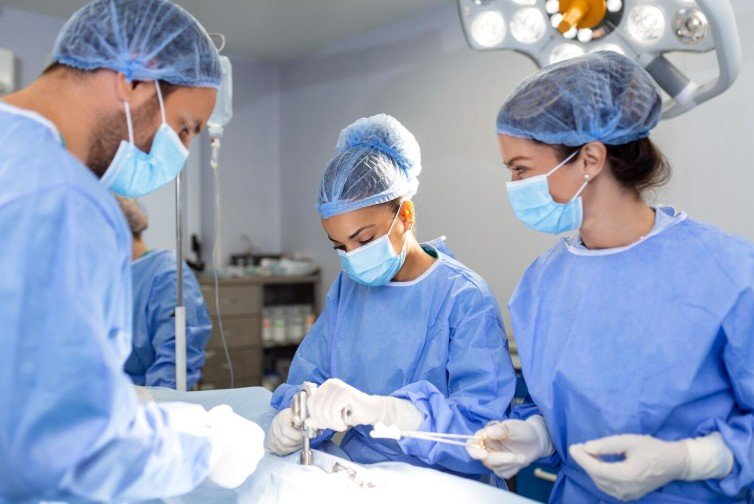
Advances in Minimally Invasive Gynecologic Surgery: What’s Next?

Over the past few decades, gynecologic surgery has undergone a remarkable transformation. Traditional open surgeries that required large incisions, longer hospital stays, and extended recovery periods are now increasingly being replaced by minimally invasive surgical techniques. These modern procedures allow surgeons to treat complex gynecological conditions with smaller incisions, greater precision, and faster patient recovery.

Minimally invasive gynecologic surgery includes techniques such as laparoscopy and robotic-assisted surgery, which have become the preferred approach for many procedures including hysterectomy, fibroid removal, ovarian cyst surgery, and treatment of endometriosis.

According to experts like Dr. Shweta Mendiratta, recognized as one of the best gynecologists in Faridabad, continuous innovations in surgical technology are further improving outcomes for women. From advanced robotic systems to artificial intelligence-assisted planning, the future of gynecologic surgery is evolving rapidly.

In this article, we explore the latest advances in minimally invasive gynecologic surgery, emerging technologies shaping the future, and how these developments benefit patients.

Understanding Minimally Invasive Gynecologic Surgery

Minimally invasive surgery (MIS) refers to surgical techniques that are performed through small incisions using specialized instruments and cameras rather than large cuts used in traditional open surgery.

Common minimally invasive approaches include:

  • Laparoscopic surgery
  • Robotic-assisted surgery
  • Hysteroscopic procedures

These techniques allow surgeons to operate with enhanced precision while minimizing trauma to surrounding tissues.

Why Minimally Invasive Surgery Is Transforming Women’s Healthcare

Minimally invasive surgery has become increasingly popular because it offers several advantages for patients:

  • Smaller incisions
  • Less post-operative pain
  • Reduced blood loss
  • Shorter hospital stays
  • Faster recovery
  • Minimal scarring

These benefits not only improve surgical outcomes but also enhance the overall patient experience.

Emerging Trends in Minimally Invasive Gynecologic Surgery

As technology continues to evolve, several new innovations are shaping the future of gynecologic surgery. These advancements are designed to improve surgical precision, reduce complications, and further enhance patient safety.

  1. Single-Incision Laparoscopic Surgery (SILS)

One of the latest innovations in minimally invasive surgery is Single-Incision Laparoscopic Surgery (SILS).

Unlike conventional laparoscopy, which requires multiple small incisions, SILS involves performing the entire surgery through a single small incision, usually near the belly button.

Advantages of SILS

  • Minimal visible scarring
  • Reduced post-operative pain
  • Faster healing
  • Improved cosmetic outcomes

Although SILS requires specialized training and equipment, it is becoming increasingly popular for procedures such as hysterectomy and ovarian cyst removal.

  1. Augmented Reality in Surgical Planning

Another exciting advancement in surgical technology is the use of augmented reality (AR) in surgical planning.

Augmented reality allows surgeons to combine 3D imaging from CT scans or MRIs with real-time surgical views, providing a more detailed understanding of the patient’s anatomy.

Benefits of Augmented Reality

  • Better surgical planning
  • Improved visualization of organs and blood vessels
  • Greater surgical accuracy
  • Reduced risk of complications

AR technology helps surgeons navigate complex cases with greater confidence and precision.

  1. AI-Assisted Robotic Surgery

Artificial Intelligence (AI) is beginning to play an important role in surgical innovation. In robotic-assisted procedures, AI-powered systems can assist surgeons by analyzing data and providing insights during surgery.

How AI Supports Robotic Surgery

  • Predicting potential complications
  • Assisting in surgical decision-making
  • Enhancing robotic instrument precision
  • Providing real-time feedback

Although AI does not replace surgeons, it serves as an intelligent support system that helps improve surgical outcomes.

  1. Improved Suturing Tools and Energy Devices

Technological advancements are also improving the tools surgeons use during procedures.

Modern energy devices and suturing instruments allow surgeons to perform delicate tasks more efficiently.

Examples of Advanced Surgical Tools

  • Advanced bipolar energy devices for precise tissue sealing
  • Ultrasonic surgical instruments
  • Improved laparoscopic suturing devices
  • Advanced robotic instruments with enhanced flexibility

These innovations help reduce surgical time, minimize bleeding, and improve patient recovery.

How These Advances Benefit Patients

Technological innovations in gynecologic surgery are not just about improving surgical techniques — they are also about improving the overall patient experience.

Faster Recovery

Modern minimally invasive procedures cause less tissue damage, allowing patients to recover faster and return to daily activities sooner.

Reduced Surgical Complications

Advanced imaging and robotic systems help surgeons operate with greater accuracy, reducing the likelihood of complications.

Greater Precision

Robotic and AI-assisted technologies enable surgeons to perform extremely delicate procedures with enhanced control.

Improved Patient Comfort

Smaller incisions and less trauma to surrounding tissues lead to reduced pain and minimal scarring.

These benefits are transforming the way gynecological conditions are treated.

Conditions Treated Using Advanced Minimally Invasive Surgery

Minimally invasive techniques can be used to treat a wide range of gynecologic conditions, including:

  • Uterine fibroids
  • Endometriosis
  • Ovarian cysts
  • Adenomyosis
  • Pelvic organ prolapse
  • Chronic pelvic pain
  • Infertility-related conditions
  • Gynecologic cancers (early stage)

Many of these procedures can now be performed with robotic or laparoscopic techniques, allowing for better surgical outcomes.

The Importance of Surgical Expertise

While modern technology plays a crucial role in advancing surgical care, the expertise of the surgeon remains the most important factor in achieving successful outcomes.

Experienced specialists such as Dr. Shweta Mendiratta, widely regarded as one of the best gynecologists in Faridabad, combine advanced surgical technology with years of clinical expertise to provide safe, effective, and personalized treatment for women.

Choosing an experienced surgeon ensures that patients benefit fully from the latest advancements in minimally invasive gynecologic surgery.

The Future of Gynecologic Surgery

The field of gynecologic surgery continues to evolve rapidly, and several exciting innovations are expected in the coming years.

Future developments may include:

  • Fully integrated AI-assisted robotic platforms
  • Enhanced surgical simulation and training tools
  • Personalized surgical planning using genetic and imaging data
  • Advanced micro-robotic surgical instruments

These technologies aim to make surgeries even safer, more precise, and more patient-friendly.

Conclusion

Minimally invasive gynecologic surgery has revolutionized women’s healthcare by providing safer alternatives to traditional open surgery. With smaller incisions, faster recovery, and reduced complications, these techniques have become the preferred approach for treating many gynecological conditions.

The future of gynecologic surgery is even more promising. Emerging technologies such as single-incision laparoscopic surgery, augmented reality, AI-assisted robotic systems, and advanced surgical instruments are shaping the next generation of surgical care.

As innovation continues to advance, patients can expect smarter, safer, and more personalized treatment options.

With the guidance of experienced specialists like Dr. Shweta Mendiratta, women can benefit from these modern surgical techniques and achieve better health outcomes with minimal disruption to their daily lives.

FAQs

  1. What is minimally invasive gynecologic surgery?

Minimally invasive surgery involves performing procedures through small incisions using specialized instruments and cameras. It reduces pain, scarring, and recovery time compared to traditional open surgery.

  1. Is robotic surgery safer than traditional surgery?

Robotic surgery offers improved precision, better visualization, and smaller incisions, which often result in fewer complications and faster recovery when performed by an experienced surgeon.

  1. How long does recovery take after minimally invasive surgery?

Most patients recover within 1–3 weeks, depending on the procedure and their overall health condition.

  1. Are these surgeries painful?

Because minimally invasive surgeries use small incisions, patients generally experience less pain compared to open surgery. Pain can usually be managed with medication.

  1. Who is a good candidate for minimally invasive gynecologic surgery?

Many women with conditions such as fibroids, ovarian cysts, endometriosis, or pelvic pain may be candidates. A consultation with a specialist will determine the most appropriate treatment.
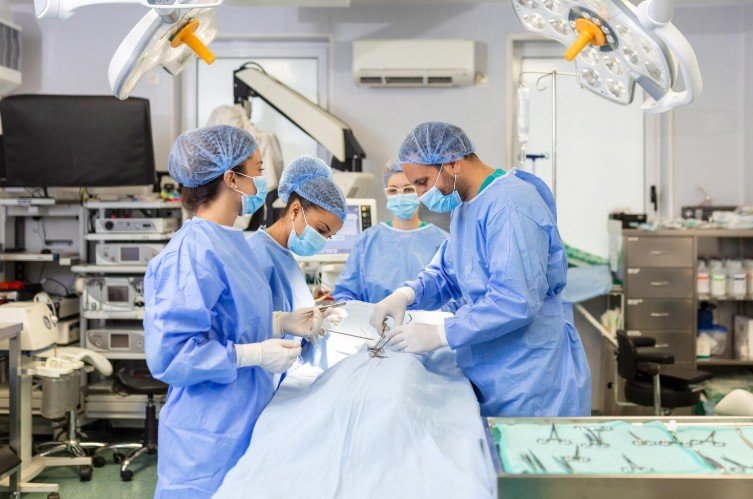
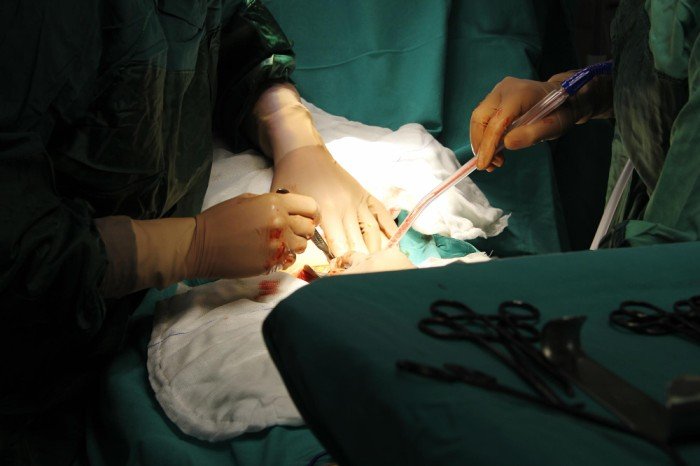
Frequently Asked Questions About Robotic & Laparoscopic Surgery

Advances in medical technology have significantly transformed surgical care, especially in the field of gynecology. Today, robotic and laparoscopic surgeries are widely used as minimally invasive techniques to treat various gynecological conditions with greater precision and improved patient comfort.

However, many patients still feel anxious when they hear terms like robotic surgery or laparoscopic surgery. Questions about safety, recovery time, pain, and effectiveness are very common. Addressing these concerns is important because understanding the procedure helps patients feel more confident and prepared.

According to specialists such as Dr. Shweta Mendiratta, known as one of the best gynecologic surgeons in Faridabad, patient awareness plays a key role in successful treatment outcomes. When patients are well-informed about their surgical options, they are better equipped to make the right decisions about their health.

In this article, we answer some of the most frequently asked questions about robotic and laparoscopic surgery to help patients better understand these modern surgical approaches.

Understanding Robotic and Laparoscopic Surgery

Before exploring the common questions, it is important to understand what these procedures involve.

Laparoscopic Surgery

Laparoscopic surgery, often called keyhole surgery, is a minimally invasive procedure where surgeons operate through small incisions using a thin instrument called a laparoscope. A tiny camera sends images to a monitor, allowing the surgeon to perform the operation with precision.

Robotic Surgery

Robotic surgery is an advanced form of minimally invasive surgery. In this technique, the surgeon controls robotic arms that hold specialized surgical instruments. The robotic system provides enhanced 3D visualization and greater precision, especially during complex procedures.

Both techniques aim to minimize surgical trauma while improving patient recovery and outcomes.

Frequently Asked Questions About Robotic & Laparoscopic Surgery

  1. Is robotic surgery really performed by a robot?

This is one of the most common concerns patients have.

The answer is no. Robotic surgery is not performed independently by a robot. Instead, the robotic system acts as a highly advanced surgical tool controlled entirely by the surgeon.

The surgeon sits at a console and guides the robotic instruments with precise hand movements. The system translates these movements into highly accurate actions inside the patient’s body.

The surgeon remains in complete control throughout the procedure.

  1. What is the difference between robotic and laparoscopic surgery?

Both procedures are minimally invasive and involve small incisions.

However, robotic surgery offers certain technological advantages:

  • High-definition 3D visualization
  • Greater instrument flexibility
  • More precise movement
  • Better control in complex surgical cases

Laparoscopic surgery remains an excellent option for many procedures, while robotic surgery may be preferred for more complex conditions requiring higher precision.

  1. Will I feel pain during or after surgery?

During the procedure, patients are under general anesthesia, so they do not feel pain during the surgery.

After surgery, some mild discomfort or soreness around the incision sites is normal. However, because robotic and laparoscopic procedures use smaller incisions, patients generally experience less pain compared to traditional open surgery.

Pain can usually be managed effectively with prescribed medications.

  1. How long will I need to stay in the hospital?

One of the biggest advantages of minimally invasive surgery is the shorter hospital stay.

Many patients who undergo robotic or laparoscopic surgery may:

  • Go home the same day, or
  • Be discharged within 24 hours

The exact hospital stay depends on the type of procedure performed and the patient’s overall health condition.

  1. When can I return to normal activities?

Recovery after minimally invasive surgery is usually faster compared to traditional open surgery.

Most patients can:

  • Resume light activities within a few days
  • Return to work within 1–2 weeks
  • Resume full activities within 3–4 weeks

However, recovery time may vary depending on the procedure and individual health factors. Your doctor will provide specific instructions for your situation.

  1. Are there additional risks with robotic surgery?

All surgical procedures carry some level of risk. However, robotic surgery is considered very safe when performed by a trained and experienced surgeon.

Potential risks may include:

  • Infection
  • Bleeding
  • Reaction to anesthesia
  • Rare surgical complications

However, robotic technology often reduces complications by providing greater surgical precision and better visualization of delicate structures.

  1. What types of gynecologic conditions can be treated with robotic or laparoscopic surgery?

Minimally invasive surgery is used to treat a wide range of gynecologic conditions, including:

  • Uterine fibroids
  • Endometriosis
  • Ovarian cysts
  • Adenomyosis
  • Pelvic organ prolapse
  • Chronic pelvic pain
  • Ectopic pregnancy
  • Gynecologic cancers (early stages)
  • Adhesions and scar tissue

These procedures allow surgeons to treat complex conditions while minimizing patient discomfort.

  1. Will there be visible scars after surgery?

Robotic and laparoscopic surgeries use very small incisions, usually less than one centimeter.

As a result:

  • Scars are minimal
  • Healing is faster
  • Cosmetic results are better compared to open surgery

Most scars fade significantly over time.

  1. Is robotic surgery suitable for everyone?

While robotic surgery is beneficial for many patients, it may not be appropriate for every situation.

Factors that determine suitability include:

  • The type of medical condition
  • The complexity of the surgery
  • Previous surgical history
  • Overall health status

A detailed medical evaluation is necessary to determine the most appropriate surgical approach.

  1. How should I prepare for robotic or laparoscopic surgery?

Preparation helps ensure a smooth surgical experience.

Patients may be advised to:

  • Stop certain medications before surgery
  • Complete blood tests and imaging scans
  • Avoid eating or drinking for several hours before surgery
  • Arrange transportation and post-surgery care

Your doctor will provide detailed pre-operative instructions.

Benefits of Minimally Invasive Surgery

Robotic and laparoscopic surgeries offer several advantages compared to traditional open surgery.

Less Pain

Smaller incisions cause less trauma to surrounding tissues.

Faster Recovery

Patients can return to daily life sooner.

Shorter Hospital Stay

Many procedures require only a brief hospital visit.

Reduced Blood Loss

Precise surgical techniques minimize bleeding.

Smaller Scars

Minimal incisions improve cosmetic outcomes.

These benefits have made minimally invasive surgery the preferred option for many gynecologic conditions.

Importance of Choosing an Experienced Surgeon

Technology alone does not guarantee successful outcomes. The skill and experience of the surgeon play a crucial role in ensuring safe and effective treatment.

Experienced specialists such as Dr. Shweta Mendiratta, widely recognized as one of the best gynecologic surgeons in Faridabad, use advanced robotic and laparoscopic techniques to provide personalized treatment and optimal surgical outcomes for patients.

Selecting a qualified and experienced surgeon helps ensure that the procedure is performed with the highest level of precision and care.

Conclusion

Robotic and laparoscopic surgeries have revolutionized modern gynecologic care by offering safer, less invasive alternatives to traditional open surgery. These advanced techniques allow surgeons to perform complex procedures with improved precision while ensuring faster recovery and reduced discomfort for patients.

While it is natural for patients to have questions and concerns before surgery, understanding the process can significantly reduce anxiety and help them make informed healthcare decisions.

Ultimately, a well-informed patient is an empowered patient. By discussing concerns openly with a qualified specialist, patients can feel confident about their treatment journey and focus on achieving the best possible health outcomes.

FAQs

  1. Is robotic surgery safe?

Yes, robotic surgery is considered safe when performed by a trained and experienced surgeon.

  1. How long does robotic surgery take?

The duration depends on the procedure but typically ranges between 1 to 3 hours.

  1. Can laparoscopic surgery treat complex conditions?

Yes, many complex gynecological conditions can be treated effectively using laparoscopic or robotic techniques.

  1. How soon can I walk after surgery?

Most patients are encouraged to start walking within 24 hours to promote faster recovery.

  1. Is robotic surgery more expensive than traditional surgery?

Costs may vary depending on the procedure and hospital, but the benefits of faster recovery and shorter hospital stays often offset the difference.

Laparoscopic vs. Open Surgery: Why Less Is Often More

For many years, open surgery was the standard approach for treating several gynecological conditions. It involved making a large incision in the abdomen so the surgeon could directly access the internal organs. While effective, open surgery often required longer hospital stays, more pain, and extended recovery time.

With advancements in medical technology, minimally invasive surgery (MIS)—especially laparoscopic surgery—has become the preferred option for many gynecological procedures. Laparoscopy allows surgeons to perform complex surgeries through very small incisions using specialized instruments and a camera.

Today, patients benefit from safer procedures, faster recovery, and improved outcomes. Under the expertise of Dr. Shweta Mendiratta – Best Gynae Laparoscopic Surgeon in Faridabad, many women are choosing laparoscopic surgery for better comfort and quicker healing.

Understanding Open Surgery

Open surgery is the traditional surgical technique where a large incision is made in the abdomen to access the uterus, ovaries, or other pelvic organs.

Features of Open Surgery

  • Large abdominal incision
  • Direct access to organs
  • Longer hospital stay
  • Higher risk of blood loss
  • Longer recovery time

Open surgery may still be required in certain complex cases, such as extensive disease, emergency situations, or when minimally invasive techniques are not feasible.

However, in many situations today, laparoscopic surgery provides a safer and more patient-friendly alternative.

What Is Laparoscopic Surgery?

Laparoscopic surgery, also known as keyhole surgery, is a minimally invasive surgical technique performed using small incisions and a thin camera called a laparoscope.

The laparoscope sends high-definition images to a monitor, allowing the surgeon to view the internal organs in great detail while performing the procedure with specialized instruments.

Key Features of Laparoscopic Surgery

  • Small incisions (usually 0.5–1 cm)
  • High-resolution camera visualization
  • Specialized surgical instruments
  • Minimal tissue damage
  • Faster healing

This advanced surgical approach has transformed gynecological treatment and improved patient comfort significantly.

Common Gynecological Conditions Treated with Laparoscopic Surgery

Laparoscopic surgery is widely used for diagnosing and treating many gynecological conditions.

  1. Fibroids (Myomectomy)

Uterine fibroids can cause heavy bleeding, pain, and fertility problems. Laparoscopic surgery allows precise removal of fibroids while preserving the uterus.

  1. Ovarian Cysts

Large or persistent ovarian cysts can be removed laparoscopically with minimal discomfort and faster recovery.

  1. Endometriosis

Laparoscopy is considered the gold standard for diagnosing and treating endometriosis by removing abnormal tissue growth.

  1. Hysterectomy

In many cases, the uterus can be removed laparoscopically instead of through large abdominal incisions.

  1. Ectopic Pregnancy

Laparoscopy helps safely treat ectopic pregnancy while minimizing complications.

Under the expertise of Dr. Shweta Mendiratta – Best Gynae Laparoscopic Surgeon in Faridabad, these procedures can often be performed with minimal pain and quick recovery.

Laparoscopic vs. Open Surgery: Key Differences

Feature Laparoscopic Surgery Open Surgery
Incision Size Very small Large abdominal incision
Pain Less pain More post-operative pain
Hospital Stay 1–2 days 4–7 days
Recovery Time Faster recovery Longer recovery
Blood Loss Minimal Higher risk
Scarring Very small scars Visible scars

These advantages explain why laparoscopic surgery is often preferred whenever medically suitable.

Benefits of Laparoscopic Surgery for Patients

  1. Less Pain

Small incisions cause significantly less pain compared to traditional open surgery.

  1. Faster Recovery

Patients can usually return to their normal routine much sooner.

  1. Minimal Scarring

Laparoscopic surgery leaves tiny scars that are barely noticeable.

  1. Reduced Risk of Infection

Smaller wounds lower the risk of infection and other complications.

  1. Shorter Hospital Stay

Most patients go home within a day or two after surgery.

  1. Faster Return to Daily Life

Many patients resume work and daily activities earlier compared to open surgery.

For these reasons, minimally invasive surgery is transforming women’s healthcare.

When Is Open Surgery Still Required?

While laparoscopic surgery offers many benefits, there are certain situations where open surgery may still be necessary.

These include:

  • Extremely large tumors or fibroids
  • Severe pelvic adhesions
  • Complex cancer surgeries
  • Emergency surgical conditions

An experienced gynecologic surgeon carefully evaluates each patient before deciding the most appropriate surgical method.

Why Choose an Experienced Laparoscopic Surgeon?

Minimally invasive procedures require advanced surgical skills and expertise. The surgeon must be trained in using specialized instruments and interpreting high-definition images.

Choosing an experienced specialist ensures:

  • Better surgical precision
  • Reduced complications
  • Improved patient safety
  • Faster recovery

Dr. Shweta Mendiratta – Best Gynae Laparoscopic Surgeon in Faridabad has extensive experience in performing advanced laparoscopic procedures and providing personalized care to women.

Her patient-focused approach ensures that every woman receives the safest and most effective treatment.

Recovery After Laparoscopic Surgery

Recovery after laparoscopic surgery is usually smooth and quick.

Typical Recovery Timeline

  • Walking within a few hours after surgery
  • Discharge within 24–48 hours
  • Return to light activities in a few days
  • Full recovery within 2–3 weeks

Your doctor may advise:

  • Avoid heavy lifting
  • Follow prescribed medications
  • Attend follow-up appointments
  • Maintain a healthy lifestyle

With proper care, most patients experience a comfortable recovery.

Conclusion

Medical advancements have revolutionized gynecological surgery. While open surgery once dominated the field, laparoscopic surgery has become the preferred choice for many conditions due to its minimally invasive nature and faster recovery.

Smaller incisions, less pain, reduced hospital stay, and better cosmetic outcomes make laparoscopic surgery a major breakthrough in modern healthcare.

Under the expertise of Dr. Shweta Mendiratta – Best Gynae Laparoscopic Surgeon in Faridabad, women can benefit from advanced surgical techniques that prioritize safety, comfort, and quicker healing.

When it comes to surgical care, sometimes less truly is more.

Frequently Asked Questions (FAQs)

  1. Is laparoscopic surgery safe?

Yes, laparoscopic surgery is considered very safe when performed by an experienced surgeon. It has lower complication rates compared to traditional open surgery.

  1. How long does laparoscopic surgery take?

Most laparoscopic procedures take 1–3 hours, depending on the complexity of the condition.

  1. Will I have scars after laparoscopic surgery?

The incisions are very small (usually 0.5–1 cm), so the scars are minimal and often barely visible.

  1. Is laparoscopic surgery painful?

Patients generally experience much less pain compared to open surgery because the incisions are smaller.

  1. How soon can I return to work?

Most patients can return to light work within 1–2 weeks, depending on the type of surgery.

  1. Is laparoscopic surgery suitable for everyone?

Not always. Your doctor will evaluate your condition and medical history to determine whether laparoscopic surgery is the best option for you.