

Female Infertility Treatment by the Best Gynaecologist in Faridabad

Infertility can be an emotionally challenging journey for many women and couples. Difficulty in conceiving often brings stress, confusion, and countless questions. However, with timely diagnosis, expert medical care, and the right treatment approach, many causes of female infertility can be effectively managed. Consulting an experienced specialist is the first and most important step.

If you are struggling to conceive, Dr. Shweta Mendiratta, the best gynaecologist in Faridabad, offers comprehensive evaluation and personalised treatment for female infertility, focusing on understanding the root cause and restoring natural reproductive health.

Understanding Female Infertility

Female infertility refers to the inability to conceive despite regular, unprotected intercourse for a year (or six months for women over 35). It can occur due to a variety of medical, hormonal, anatomical, or lifestyle-related factors. Many women are unaware that common gynaecological issues can silently affect fertility if left untreated.

Early consultation with a trusted gynaecologist in Faridabad helps in identifying these issues at the right time and preventing long-term complications.

Common Causes of Female Infertility

Female infertility can have multiple causes, and sometimes more than one factor may be involved. Some of the most common causes include:

1. Hormonal Imbalances

Hormones play a vital role in ovulation and menstrual cycles. Any imbalance can interfere with egg release, making conception difficult.

2. Irregular Ovulation

Women who experience irregular or missed periods may not ovulate regularly, reducing the chances of pregnancy.

3. Polycystic Ovary Syndrome (PCOS/PCOD)

PCOS is one of the leading causes of female infertility. It affects hormone levels and ovulation and often presents with irregular periods, weight gain, and acne.

4. Thyroid Disorders

Both hypothyroidism and hyperthyroidism can disrupt menstrual cycles and ovulation, impacting fertility.

5. Uterine Conditions

Fibroids, polyps, or abnormalities in the uterus can interfere with implantation or pregnancy maintenance.

6. Endometriosis

This condition occurs when tissue similar to the uterine lining grows outside the uterus, leading to pain, irregular periods, and fertility problems.

7. Pelvic Infections

Untreated infections can affect reproductive organs and lead to fertility challenges.

When Should You Seek Medical Help?

You should consult a female gynaecologist in Faridabad if:

  • You have been trying to conceive for over a year without success

  • Your menstrual cycles are irregular or very painful

  • You have a known hormonal or gynaecological condition

  • You experience pelvic pain or abnormal bleeding

  • You are over 30 and planning pregnancy

Early diagnosis can significantly improve treatment outcomes.

Diagnosis of Female Infertility

At Dr. Shweta Mendiratta’s clinic in Faridabad, infertility evaluation is done with care, privacy, and sensitivity. The diagnostic process may include:

  • Detailed medical and menstrual history

  • Physical and gynaecological examination

  • Hormonal blood tests

  • Ultrasound evaluation of uterus and ovaries

  • Assessment of ovulation patterns

Each investigation is recommended only when necessary, ensuring a patient-centric approach.

Non-Surgical and Medical Treatment Options

Dr. Shweta Mendiratta focuses on treating infertility by correcting underlying medical issues and improving reproductive health naturally.

1. Hormonal Regulation

Medications may be prescribed to regulate menstrual cycles and support ovulation.

2. PCOS Management

Treatment includes cycle regulation, hormonal balance, weight management guidance, and lifestyle modifications.

3. Thyroid and Metabolic Control

Addressing thyroid issues and insulin resistance plays a crucial role in restoring fertility.

4. Treatment of Infections

Timely treatment of pelvic or vaginal infections helps prevent long-term reproductive damage.

5. Menstrual Cycle Correction

Improving cycle regularity helps enhance natural conception chances.

Lifestyle Guidance for Improving Fertility

Along with medical treatment, lifestyle changes play a key role in fertility management. Dr. Shweta Mendiratta guides patients on:

  • Maintaining a healthy weight

  • Balanced nutrition

  • Stress management

  • Improving sleep patterns

  • Avoiding smoking and alcohol

These small but consistent changes can positively impact reproductive health.

Emotional Support and Counselling

Infertility is not just a physical condition; it can affect emotional well-being too. One of the reasons women trust Dr. Shweta Mendiratta as the best gynaecologist in Faridabad is her compassionate and supportive approach. She ensures patients feel heard, understood, and confident throughout their treatment journey.

Why Choose Dr. Shweta Mendiratta for Female Infertility Treatment in Faridabad?

  • Extensive experience in women’s health and infertility care

  • Personalised treatment plans tailored to individual needs

  • Focus on identifying and treating root causes

  • Ethical, transparent, and patient-centric care

  • Trusted by women across Faridabad for compassionate treatment

Her holistic approach ensures that every patient receives the highest standard of care in a comfortable and supportive environment.

Take the First Step Towards Parenthood

If you are facing difficulty in conceiving, remember that help is available. With expert guidance and timely treatment, many women successfully overcome infertility challenges. Consult Dr. Shweta Mendiratta – the best gynaecologist in Faridabad, and take a confident step toward improving your reproductive health.
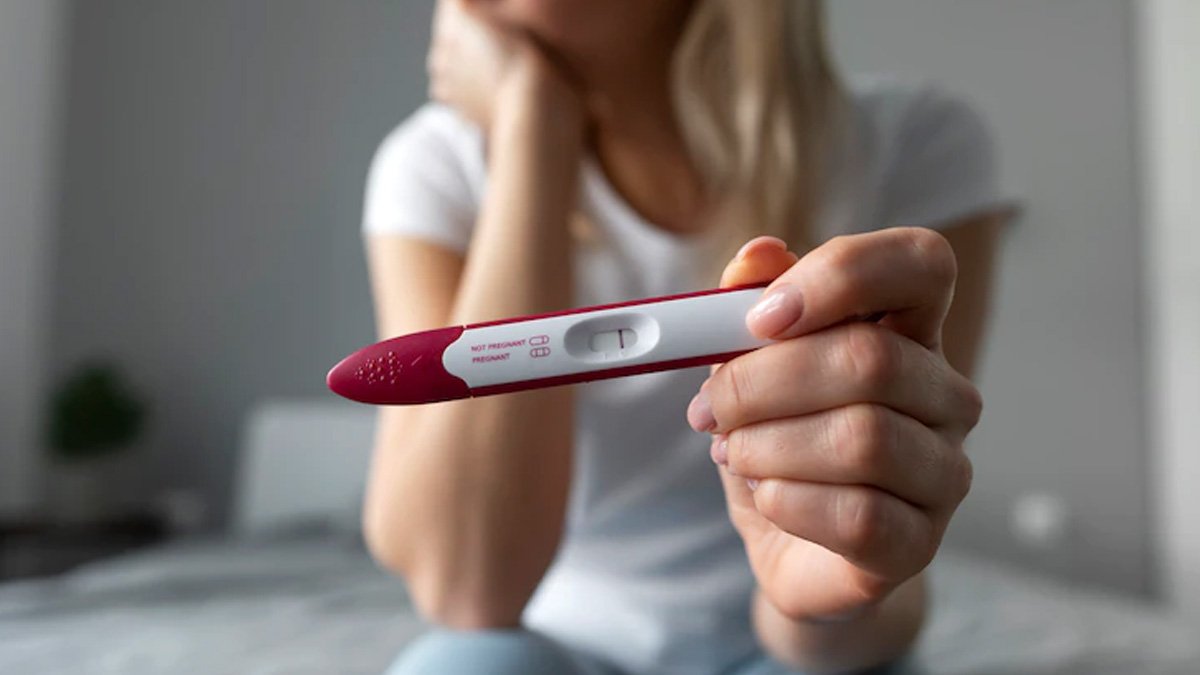
Common Causes of Female Infertility Explained by a Gynecologist

Infertility can be a deeply emotional and confusing experience for women and couples alike. Many women blame themselves or delay seeking medical advice due to myths, fear, or lack of awareness. The truth is, female infertility is common and often treatable, especially when diagnosed early.

If you are trying to conceive and facing difficulties, understanding the common causes of female infertility is the first step toward the right treatment. In this blog, Dr. Shweta Mendiratta, an experienced gynecologist in Faridabad, explains the major reasons behind female infertility and when you should seek medical help.

What Is Female Infertility?

Female infertility refers to a woman’s inability to conceive or maintain a pregnancy due to medical, hormonal, structural, or lifestyle-related factors. It can occur at any age but becomes more common as women grow older.

If pregnancy has not occurred after:

  • 12 months of regular unprotected intercourse (below 35 years)
  • 6 months (above 35 years)

…it is advisable to consult a gynecologist.

Common Causes of Female Infertility

1️⃣ Ovulation Disorders (Most Common Cause)

Ovulation disorders occur when the ovaries do not release eggs regularly.

Common reasons include:

  • Polycystic Ovary Syndrome (PCOS)
  • Hormonal imbalance
  • Thyroid disorders
  • High prolactin levels

Women with ovulation problems often experience irregular periods or missed cycles. According to Dr. Shweta Mendiratta, early hormonal evaluation can help restore ovulation with simple treatments in many cases.

2️⃣ Polycystic Ovary Syndrome (PCOS)

PCOS is one of the leading causes of infertility in young women.

Symptoms may include:

  • Irregular or absent periods
  • Excess facial or body hair
  • Acne
  • Weight gain

PCOS affects egg development and release, making conception difficult. However, with proper lifestyle changes and medical treatment, many women with PCOS conceive successfully.

3️⃣ Blocked or Damaged Fallopian Tubes

The fallopian tubes play a crucial role in fertilisation. If they are blocked or damaged, the sperm cannot meet the egg.

Causes include:

  • Pelvic infections
  • Previous surgeries
  • Tuberculosis
  • Endometriosis

A gynecologist in Faridabad may recommend imaging tests to check tubal patency and guide further treatment.

4️⃣ Endometriosis

Endometriosis occurs when tissue similar to the uterine lining grows outside the uterus.

It can cause:

  • Severe menstrual pain
  • Pain during intercourse
  • Infertility

Endometriosis can affect ovulation, fertilisation, or implantation. Early diagnosis helps in better fertility outcomes.

5️⃣ Uterine Abnormalities

Problems within the uterus may interfere with implantation or pregnancy continuation.

These include:

  • Fibroids
  • Polyps
  • Congenital uterine abnormalities
  • Scar tissue

Dr. Shweta Mendiratta often emphasises that not all fibroids cause infertility, but some may require treatment depending on size and location.

6️⃣ Age-Related Fertility Decline

Female fertility naturally declines with age, especially after 35 years.

  • Egg quantity and quality reduce
  • Risk of chromosomal abnormalities increases
  • Pregnancy complications become more common

This makes timely consultation extremely important, especially for women planning late pregnancies.

7️⃣ Lifestyle and Environmental Factors

Modern lifestyles can also impact fertility:

  • Chronic stress
  • Poor diet
  • Smoking or alcohol
  • Obesity or being underweight
  • Lack of physical activity

Addressing these factors can significantly improve natural fertility.

When Should You See a Gynecologist for Infertility?

You should consult a gynecologist in Faridabad if you experience:

  • Irregular or absent periods
  • Severe menstrual pain
  • Repeated pregnancy loss
  • Difficulty conceiving after one year
  • Known hormonal or thyroid issues

Early evaluation allows simpler and more effective treatment options.

Patient Queries About Female Infertility

❓ Can infertility happen even if periods are regular?

Yes. Regular periods do not always guarantee ovulation or egg quality.

❓ Is infertility always a woman’s problem?

No. Male factors contribute to infertility in nearly 40–50% of cases.

❓ Can infertility be treated without IVF?

Yes. Many women conceive with medication, lifestyle changes, or minor procedures.

❓ Does stress really affect fertility?

Chronic stress can disturb hormonal balance and ovulation patterns.

FAQs – Female Infertility

Q1. Is female infertility permanent?

Not always. Many causes are reversible or manageable with treatment.

Q2. How is female infertility diagnosed?

Diagnosis includes blood tests, ultrasound, hormonal evaluation, and sometimes tubal tests.

Q3. Can PCOS patients get pregnant naturally?

Yes, many women with PCOS conceive with proper medical support.

Q4. Is infertility treatment painful?

Most tests and treatments are minimally invasive and well tolerated.


Q5. Who should I consult for infertility in Faridabad?

An experienced gynecologist like Dr. Shweta Mendiratta is the right first step.

Why Consult Dr. Shweta Mendiratta for Female Infertility?

Dr. Shweta Mendiratta is a trusted gynecologist in Faridabad known for:

  • Expertise in infertility and hormonal disorders
  • Ethical, evidence-based treatment
  • Individualised care plans
  • Focus on natural conception when possible
  • Compassionate patient counselling

Her approach ensures that patients feel informed, confident, and supported throughout their fertility journey.

Importance of Location-Based Care in Faridabad

Choosing a gynecologist in Faridabad offers:

  • Easy access for frequent follow-ups
  • Faster diagnostic coordination
  • Personalised continuity of care

Local expertise helps ensure better long-term outcomes.


Final Thoughts

Female infertility can feel overwhelming, but understanding its causes can bring clarity and hope. Many women go on to conceive successfully with timely diagnosis and proper treatment.

If you are facing difficulty in conceiving, consulting an experienced gynecologist like Dr. Shweta Mendiratta in Faridabad can help you take the right steps toward parenthood with confidence.