
The Role of Robotic Surgery in Treating Endometriosis

Endometriosis is a chronic and often painful condition that affects millions of women worldwide. It occurs when tissue similar to the lining of the uterus grows outside the uterus, commonly affecting the ovaries, fallopian tubes, pelvic lining, and sometimes even the intestines or bladder. This misplaced tissue responds to hormonal changes during the menstrual cycle, leading to inflammation, severe pain, and sometimes infertility.

For many women, endometriosis can significantly impact daily life, causing chronic pelvic pain, painful periods, fatigue, and reproductive challenges. While medications and lifestyle modifications may help manage symptoms, surgery is often required when the disease becomes severe or when fertility is affected.

Advancements in surgical technology have made treatment more effective and safer. One of the most promising developments is robotic-assisted surgery, which offers improved precision and visualization during complex procedures. Experts such as Dr. Shweta Mendiratta, widely recognized as the Best Robotic Surgeon in Faridabad for Endometriosis, utilize robotic techniques to achieve better surgical outcomes for women suffering from this challenging condition.

Endometriosis can be debilitating, but timely and precise surgical treatment can make a significant difference in symptom relief and overall quality of life.

Understanding Endometriosis

Endometriosis develops when endometrial-like tissue grows outside the uterus. Unlike normal uterine lining, this tissue has no way to exit the body during menstruation. As a result, it becomes trapped and leads to inflammation, scar tissue, and adhesions.

Common symptoms include:

  • Severe menstrual pain
  • Chronic pelvic pain
  • Pain during intercourse
  • Painful bowel movements or urination
  • Heavy menstrual bleeding
  • Infertility

In some cases, women may have minimal symptoms, making diagnosis challenging. Early diagnosis and proper treatment are essential to prevent disease progression and complications.

Traditional Treatment Approaches

Treatment for endometriosis depends on the severity of symptoms and the patient’s reproductive goals.

Common treatment options include:

  • Pain medications
  • Hormonal therapy
  • Lifestyle modifications
  • Laparoscopic surgery

While laparoscopic surgery has been the gold standard for treating endometriosis for many years, robotic surgery has emerged as an advanced alternative for complex cases, especially when deep infiltrating endometriosis is involved.

What Is Robotic Surgery?

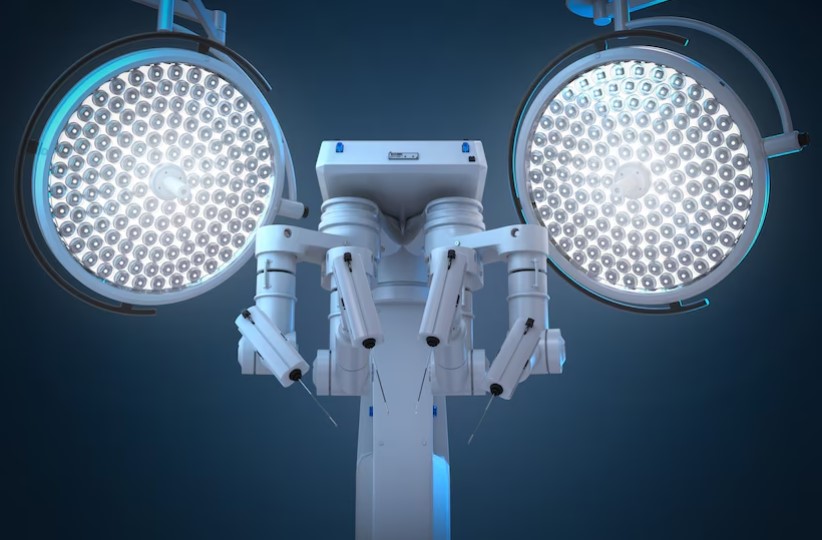
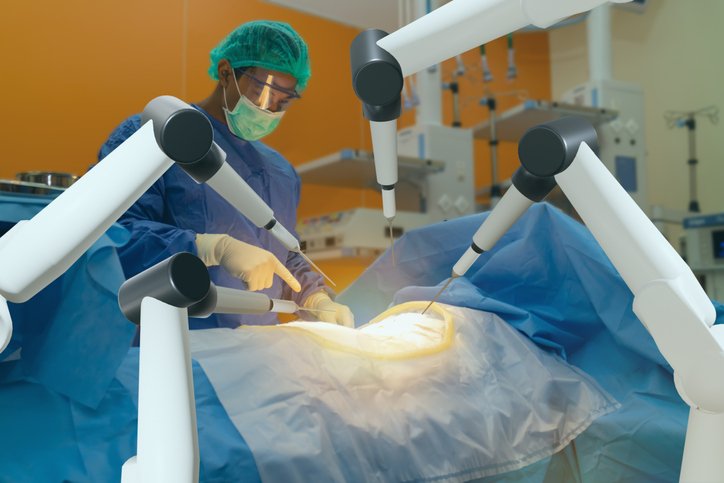
Robotic surgery is a minimally invasive surgical technique in which a surgeon uses a robotic system to perform delicate procedures with enhanced precision.

During robotic surgery:

  • Small incisions are made in the abdomen
  • A high-definition camera provides a magnified 3D view of the pelvic organs
  • Robotic instruments controlled by the surgeon perform the surgical procedure

The surgeon remains in full control of the robotic system at all times. The robotic platform simply enhances the surgeon’s ability to operate with greater accuracy and control.

Why Robotic Surgery Helps in Endometriosis Treatment

Endometriosis surgery can be particularly challenging because the disease often affects delicate pelvic structures such as the bladder, bowel, and nerves. In such situations, robotic technology provides several advantages.

  1. Excellent Visualization of the Pelvis

Robotic systems provide high-definition 3D magnified images of the pelvic area. This enhanced visualization allows surgeons to clearly identify endometriosis lesions, scar tissue, and surrounding organs.

Better visualization helps ensure that diseased tissue is removed while protecting healthy structures.

  1. Precision Dissection in Deep Endometriosis

Deep infiltrating endometriosis occurs when abnormal tissue penetrates deeply into pelvic organs and tissues.

Robotic instruments provide:

  • Greater flexibility
  • Enhanced dexterity
  • More precise movement

This allows surgeons to carefully remove deeply embedded endometriosis lesions without damaging surrounding tissues.

  1. Reduced Blood Loss

Robotic surgery allows surgeons to operate with exceptional precision, which helps reduce blood loss during the procedure.

Less bleeding improves surgical safety and contributes to faster recovery for patients.

Surgical Goals in Endometriosis Treatment

The primary goals of surgery for endometriosis include:

  • Removing visible endometriosis tissue
  • Relieving pelvic pain
  • Restoring normal pelvic anatomy
  • Preserving fertility whenever possible

Complete and precise removal of endometriosis lesions is essential to reduce the risk of recurrence.

Outcomes of Robotic Surgery for Endometriosis

When performed by experienced surgeons, robotic surgery can significantly improve treatment outcomes for patients with endometriosis.

Improved Pain Control

Many women experience substantial relief from chronic pelvic pain and painful menstrual cycles after surgical removal of endometriosis tissue.

Reducing inflammation and removing scar tissue helps improve long-term pain management.

Better Fertility Outcomes

Endometriosis can affect fertility by damaging reproductive organs or causing adhesions that block fallopian tubes.

Robotic surgery can help restore normal anatomy and improve the chances of natural conception in some patients.

Reduced Recurrence

Careful and thorough removal of endometriosis lesions reduces the likelihood of the disease returning.

Robotic technology allows surgeons to identify and treat even small or hidden lesions that may otherwise be missed.

Benefits of Robotic Surgery for Patients

Compared to traditional open surgery, robotic procedures offer several patient-friendly advantages.

Smaller Incisions

Robotic surgery uses small incisions, resulting in minimal scarring.

Less Pain

Because the procedure is minimally invasive, patients generally experience less post-operative pain.

Faster Recovery

Many patients can return to normal activities sooner compared to traditional surgery.

Shorter Hospital Stay

Some patients are discharged within 24 hours depending on the complexity of the surgery.

Who May Need Robotic Surgery for Endometriosis?

Robotic surgery may be recommended for patients who:

  • Have severe or deep endometriosis
  • Experience persistent pelvic pain despite medication
  • Have infertility related to endometriosis
  • Have endometriosis affecting the bowel, bladder, or nerves
  • Require complex surgical removal of adhesions

A detailed evaluation and consultation with a specialist are necessary to determine the best treatment plan.

Importance of Choosing an Experienced Surgeon

Endometriosis surgery requires advanced surgical expertise because the disease can affect multiple pelvic organs.

Choosing an experienced robotic surgeon is crucial to ensure:

  • Complete removal of endometriosis tissue
  • Protection of surrounding organs
  • Better long-term outcomes

Specialists such as Dr. Shweta Mendiratta, known as the Best Robotic Surgeon in Faridabad for Endometriosis, provide advanced surgical care using robotic technology to treat complex gynecological conditions with precision and safety.

Conclusion

Endometriosis can be a debilitating condition that affects physical health, emotional well-being, and fertility. However, advances in surgical technology have made treatment more effective and less invasive.

Robotic surgery is emerging as a powerful tool in the management of complex endometriosis. With its enhanced visualization, improved precision, and reduced surgical trauma, robotic-assisted procedures offer promising outcomes for women seeking relief from this challenging condition.

When performed by skilled specialists, robotic surgery can significantly improve pain control, fertility outcomes, and quality of life for patients with endometriosis.

Frequently Asked Questions (FAQs)

  1. Is robotic surgery better than laparoscopy for endometriosis?

Both techniques are minimally invasive, but robotic surgery may provide greater precision and improved visualization in complex cases of deep endometriosis.

  1. How long does robotic endometriosis surgery take?

The duration varies depending on the severity of the disease but typically ranges from 1.5 to 3 hours.

  1. How long is recovery after robotic surgery?

Most patients recover within 2–3 weeks, although full recovery may take longer depending on the extent of the procedure.

  1. Can endometriosis return after surgery?

Yes, recurrence is possible, but precise surgical removal significantly reduces the risk.

  1. Will robotic surgery improve fertility?

In many cases, removing endometriosis lesions and adhesions can improve fertility outcomes, especially when reproductive organs are preserved.

Common Myths About Robotic Gynecological Surgeries Debunked

Robotic gynecological surgeries have revolutionized the field of women’s health, offering many advantages over traditional open surgeries. However, despite their growing popularity, several myths surrounding robotic surgery persist. These misconceptions can often cause confusion and hesitation among patients. If you are considering robotic gynecological surgery in Faridabad, it’s essential to separate fact from fiction. Dr. Shweta Mendiratta, the best robotic gynae surgeon in India, is here to debunk these myths and provide clarity about the benefits and realities of robotic procedures.

Myth 1: Robotic Surgery is Fully Automated, and the Surgeon Has No Control

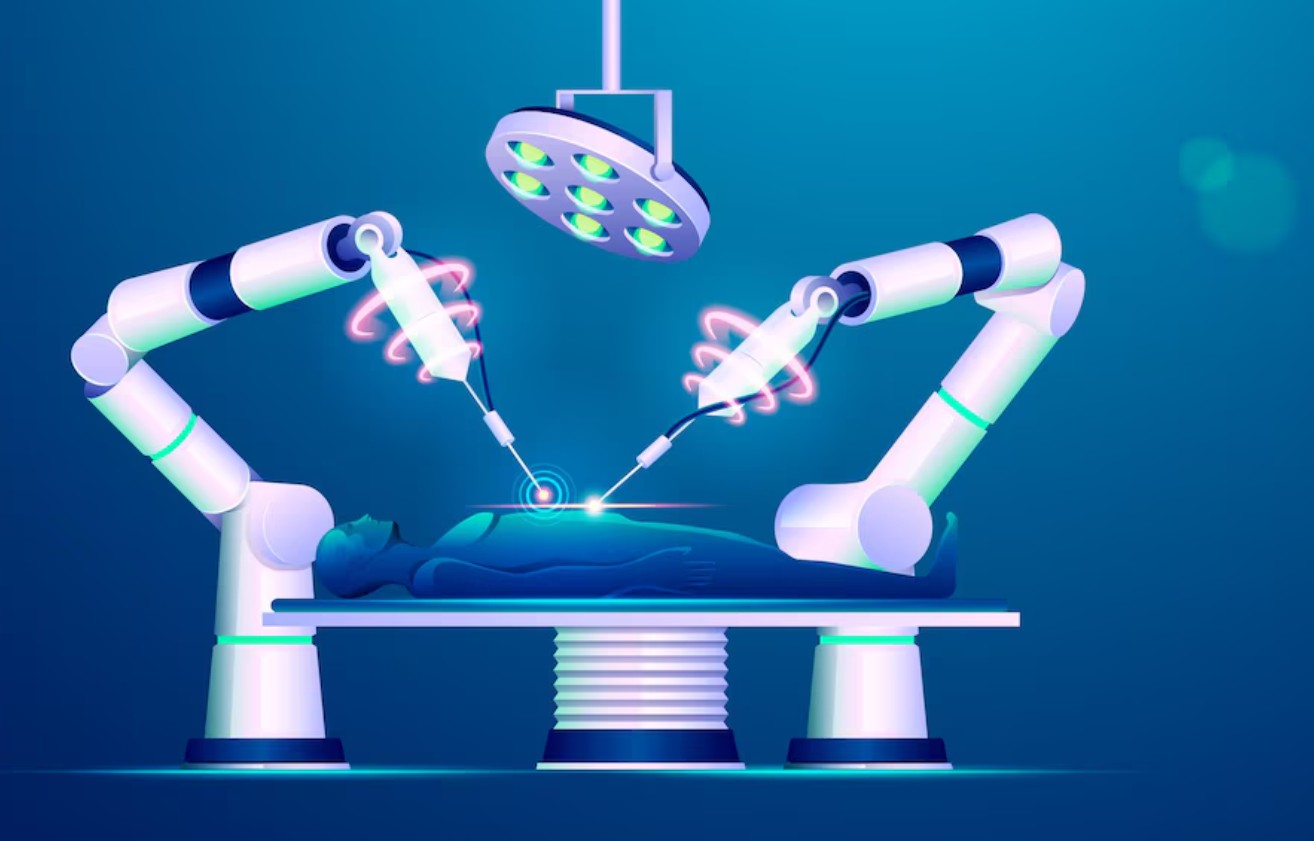
One of the most common myths about robotic gynecological surgeries is that the robot performs the surgery independently, with no intervention from the surgeon. This is far from the truth. In robotic surgery, the surgeon controls the robot using a console, which translates their hand movements into precise actions performed by the robotic instruments. The robot enhances the surgeon’s ability to perform complex tasks with greater accuracy and steadiness, but it is still entirely under the surgeon’s control.

Dr. Shweta Mendiratta, the best robotic surgeon in Faridabad, ensures that every robotic procedure is carefully monitored and executed by skilled hands, offering you the utmost safety and precision.

Myth 2: Robotic Surgery is Only for Large or Complex Procedures

Another common misconception is that robotic surgery is only suitable for large, complicated surgeries. While it’s true that robotic surgery excels in complex procedures, it is also highly effective for a wide range of gynecological issues, including minimally invasive procedures like hysterectomies, fibroid removal, and ovarian cyst removals. The use of robotic surgery allows for more precision, even in smaller or less complex procedures, leading to faster recovery and reduced risk.

If you’re considering robotic gynecological surgery in Faridabad, Dr. Shweta Mendiratta, known as the best robotic gynae surgeon in India, specializes in both simple and complex gynecological conditions, tailoring the surgery to your specific needs.

Myth 3: Robotic Surgery is Too Expensive

Many patients assume that robotic surgery is prohibitively expensive due to the advanced technology involved. While it’s true that robotic surgery requires specialized equipment and training, the cost of the procedure is often comparable to that of traditional surgery. In fact, due to the smaller incisions and faster recovery times, patients may save on post-operative care, hospital stays, and lost work time, ultimately making robotic surgery a cost-effective choice.

With the best robotic surgeon in Faridabad, Dr. Shweta Mendiratta, you can expect high-quality care without the inflated costs sometimes associated with newer technology. Her goal is to ensure that patients receive the best treatment possible at an affordable price.

Myth 4: Robotic Surgery Is Riskier Than Traditional Surgery

Some believe that because robotic surgery is a newer technology, it must be riskier than traditional methods. Robotic surgery has been shown to have fewer complications than traditional open surgeries. The precision and accuracy of the robotic system minimize the risk of infection, bleeding, and damage to surrounding tissues. Additionally, the smaller incisions result in less pain and a quicker recovery time for patients.

Dr. Shweta Mendiratta, renowned for her expertise in robotic gynecological surgery in Faridabad, has successfully performed numerous surgeries with excellent outcomes, making her the best robotic gynae surgeon in India.

Myth 5: Recovery from Robotic Surgery is Just Like Traditional Surgery

Another myth is that recovery from robotic surgery is similar to traditional surgery. In fact, recovery from robotic surgery is generally faster and less painful. The smaller incisions result in less trauma to the body, allowing for quicker healing and reduced post-operative discomfort. Most patients can return to their regular activities within a few weeks, compared to the longer recovery times associated with traditional open surgeries.

With Dr. Shweta Mendiratta, the best robotic surgeon in Faridabad, you will receive personalized care and guidance to ensure a smooth recovery after your procedure.

Conclusion

Robotic gynecological surgery is a safe, effective, and minimally invasive option for women requiring gynecological procedures. By debunking common myths surrounding robotic surgery, patients can make informed decisions about their healthcare. If you are considering robotic gynecological surgery in Faridabad, Dr. Shweta Mendiratta, widely recognized as the best robotic gynae surgeon in India, is the expert you can trust for high-quality care and outstanding results. With her expertise, advanced technology, and personalized approach, you can confidently embark on your surgical journey with peace of mind.

Post-Operative Care After Robotic Gynecological Surgeries

Robotic gynecological surgeries offer numerous benefits, including smaller incisions, faster recovery, and minimal pain. However, just like any surgery, proper post-operative care is crucial to ensure a smooth recovery and optimal results. If you’ve recently undergone robotic gynecological surgery in Faridabad, it’s essential to follow the right guidelines to minimize complications and speed up your recovery. Dr. Shweta Mendiratta, the best robotic gynae surgeon in Faridabad, emphasizes the importance of post-operative care in ensuring successful outcomes after surgery.

  1. Immediate Post-Surgery Care

After your robotic gynecological surgery in Faridabad, you will be monitored closely for the first few hours in the recovery room. This is to ensure that there are no immediate complications such as bleeding or infection. Most patients can leave the hospital within 24 hours, depending on the nature of the surgery and their individual health. However, the following post-operative care measures are essential:

  • Pain Management: Mild to moderate pain or discomfort is common after robotic surgery, but it is usually less intense compared to traditional surgeries. Your doctor will prescribe pain medication to help manage any discomfort during the first few days.
  • Hydration and Nutrition: Stay hydrated and gradually begin eating soft, light meals once you feel ready. Avoid heavy or spicy food that may cause discomfort as your body recovers.
  1. Monitoring for Complications

Although robotic surgeries have fewer complications than traditional open surgeries, there are still risks that you need to watch for during recovery. These include:

  • Signs of Infection: Redness, swelling, or discharge at the incision sites, as well as fever, can indicate an infection. Contact your doctor if you notice any of these signs.
  • Bleeding or Fluid Leakage: Excessive bleeding or any abnormal fluid drainage from the surgical site should be reported to your surgeon immediately.

Dr. Shweta Mendiratta, the best robotic gynae surgeon in India, ensures that her patients are well-informed about the signs of potential complications and are monitored closely in the initial post-operative period.

  1. Activity Restrictions and Rest

For a smooth recovery after robotic surgery, it is essential to follow your doctor’s instructions regarding activity restrictions. While robotic surgery typically results in smaller incisions and less trauma, it’s still important to avoid certain physical activities during the early stages of healing:

  • Rest and Avoid Heavy Lifting: In the first few weeks, avoid lifting heavy objects, bending, or performing strenuous physical activities. Allow your body to rest and heal properly.
  • Gentle Movement: Engage in light walking to promote circulation, prevent blood clots, and aid in your recovery. Avoid long periods of bed rest, as it can increase the risk of complications.
  1. Follow-Up Appointments

Regular follow-up appointments with your surgeon are essential for monitoring the healing process. Dr. Shweta Mendiratta, known as the best robotic gynae surgeon in Faridabad, schedules follow-up visits to check the healing of the incisions, assess overall recovery, and discuss any concerns you might have. During these visits, your surgeon may recommend additional care or therapies to ensure the best possible outcome.

  1. Resuming Normal Activities

Recovery time varies for each patient, but in general, most women can resume light activities within 1-2 weeks after surgery, and more strenuous activities within 4-6 weeks. Be patient and give your body the time it needs to heal fully before returning to your regular routine.

  1. Diet and Lifestyle Modifications

A balanced diet rich in vitamins, minerals, and protein can aid in the healing process. Foods that are high in fibre can help prevent constipation, which is common after surgery. Avoid smoking and alcohol consumption, as they can interfere with the healing process.

Dr. Shweta Mendiratta, the best robotic gynae surgeon in India, offers personalized post-operative care instructions to ensure a smooth recovery. She ensures that her patients are well-prepared and informed throughout their healing process, which contributes to a faster and more effective recovery.

Conclusion

Post-operative care plays a significant role in the success of your recovery after robotic gynecological surgery. By following the expert advice of the best robotic gynae surgeon in Faridabad, Dr. Shweta Mendiratta, you can ensure a smoother recovery, reduce the risk of complications, and enjoy the long-term benefits of your surgery. With her guidance and expertise, you can confidently navigate the post-surgical phase and return to your normal activities in no time.

Benefits of Robotic Surgery for Gynecological Conditions

Robotic surgery has revolutionized the field of gynecology, offering numerous benefits over traditional surgical methods. With advancements in medical technology, robotic-assisted surgeries have become increasingly popular, particularly for treating various gynecological conditions. This cutting-edge approach allows for greater precision, less recovery time, and improved outcomes for patients. In this article, we will explore the key benefits of robotic surgery for Gynecological conditions, and how Dr. Shweta Mendiratta, one of the best robotic Gynecological surgeons in Faridabad, can help improve your health with this advanced surgical option.

  1. Minimally Invasive Approach

One of the biggest advantages of robotic surgery is that it is minimally invasive. Unlike traditional open surgery, which requires large incisions, robotic surgery uses small keyhole incisions. The robotic system allows the surgeon to make precise movements, enabling them to perform the surgery with great accuracy while minimizing trauma to the surrounding tissues. This approach reduces the risk of complications, scarring, and infections, making the recovery process much smoother for patients.

  1. Enhanced Precision and Control

Robotic-assisted surgery provides surgeons with a higher degree of precision and control than traditional methods. The robotic arms are equipped with specialized tools that can move in multiple directions, offering a range of motion that is far superior to that of human hands. Surgeons can make finer, more precise movements, allowing for a more accurate surgery with less tissue damage. For complex Gynecological conditions such as fibroids, endometriosis, and ovarian cysts, this level of precision can significantly improve the outcome of the procedure.

  1. Reduced Recovery Time

Because robotic surgery is minimally invasive, patients generally experience a faster recovery time compared to traditional surgery. The smaller incisions result in less trauma to the body, reducing pain and the need for strong pain medications. Many patients who undergo robotic surgery for Gynecological conditions are able to go home the same day or within a day or two after the procedure. Additionally, they are likely to experience less postoperative discomfort and can return to their normal activities much sooner—often within a few weeks.

  1. Less Blood Loss and Lower Risk of Complications

Robotic surgery is associated with a lower risk of blood loss during the procedure. The precision of the robotic instruments allows for more controlled and smaller incisions, which reduces the need for extensive tissue cutting. As a result, patients are less likely to require blood transfusions and have a lower risk of infections and other complications. This leads to a safer surgery with a more predictable recovery.

  1. Better Visualization

Robotic surgery provides surgeons with high-definition 3D visualization, which offers a clearer and more detailed view of the surgical area. This enhanced visualization allows the surgeon to navigate through delicate tissues with greater accuracy. For Gynecological surgeries, where the reproductive organs and surrounding structures need to be carefully handled, this clarity is invaluable. Surgeons can make informed decisions during the procedure, ensuring better outcomes for patients.

  1. Improved Outcomes for Complex Conditions

Robotic surgery has proven to be particularly beneficial for complex gynecological conditions, such as large fibroids, severe endometriosis, and certain cancers. For these conditions, traditional surgery can be more challenging and may involve longer recovery times. Robotic surgery allows for greater access to difficult-to-reach areas, enabling the surgeon to perform the procedure with greater ease and accuracy. This results in better surgical outcomes and minimizes the risk of recurrence or complications.

  1. Cosmetic Benefits

In addition to the functional benefits, robotic surgery offers cosmetic advantages as well. The smaller incisions result in less visible scarring, which is a significant consideration for many patients. Women undergoing Gynecological surgery often worry about the cosmetic appearance after surgery, and robotic surgery minimizes the aesthetic impact by leaving smaller, less noticeable scars.

Conclusion

Robotic surgery has revolutionized the way Gynecological conditions are treated. With its numerous benefits, including reduced recovery time, increased precision, and fewer complications, it has become a preferred method for many patients seeking treatment for conditions like fibroids, endometriosis, and ovarian cysts. If you are considering robotic surgery, Dr. Shweta Mendiratta, the best robotic Gynecological surgeon in Faridabad, is here to help. With her expertise and advanced surgical techniques, you can rest assured that you are in the best hands.

Schedule a consultation today with Dr. Shweta Mendiratta and take the first step towards a healthier, quicker recovery with robotic surgery for your Gynecological condition. Contact us now to book your appointment!

Best Robotic Surgeon in Faridabad: Dr. Shweta Mendiratta

Robotic surgery has revolutionized the field of gynecology, offering minimally invasive solutions with enhanced precision and faster recovery times. Among the leading experts in this field is Dr. Shweta Mendiratta, a renowned gynecologist and robotic surgeon in Faridabad. Her exceptional skills and dedication to patient care have made her a top choice for women seeking advanced surgical treatments. This article delves into the benefits of robotic surgery in gynecology.

What is Robotic Surgery?

Robotic surgery is a form of minimally invasive surgery that uses advanced robotic systems to assist surgeons in performing complex procedures with high precision. In gynecology, robotic surgery is employed for various conditions such as fibroids, endometriosis, ovarian cysts, and hysterectomies.

Key Benefits of Robotic Surgery

  • Precision and Control: Robotic systems offer greater precision and control, allowing surgeons to perform intricate procedures with enhanced accuracy.
  • Minimally Invasive: Smaller incisions lead to less pain, reduced scarring, and quicker recovery times.
  • Reduced Complications: The enhanced precision reduces the risk of complications and minimizes blood loss during surgery.
  • Faster Recovery: Patients typically experience shorter hospital stays and faster return to normal activities.

Robotic Surgery in Gynecology

Robotic-assisted gynecological surgeries encompass a wide range of procedures, providing solutions for many common and complex conditions. Some of the key procedures include:

Robotic Hysterectomy

A hysterectomy is the surgical removal of the uterus. It is often required for conditions such as severe endometriosis, uterine fibroids, chronic pelvic pain, and certain cancers. Robotic hysterectomy allows for precise removal of the uterus with minimal impact on surrounding tissues, leading to faster recovery and fewer postoperative complications.

Robotic Myomectomy

This procedure involves the removal of fibroids while preserving the uterus. Robotic myomectomy is ideal for women who wish to maintain their fertility. The robotic approach ensures meticulous dissection and suturing, which is crucial for preserving uterine function.

Robotic Endometriosis Resection

Endometriosis is a painful condition where tissue similar to the lining inside the uterus grows outside it. Robotic surgery allows for thorough removal of endometriosis lesions, reducing pain and improving the quality of life for patients.

Robotic Ovarian Cystectomy

Robotic surgery is highly effective in removing ovarian cysts while preserving the healthy ovarian tissue. This is particularly beneficial for women who wish to retain their fertility.

Dr. Shweta Mendiratta: A Pioneer in Robotic Gynecological Surgery

Dr. Shweta Mendiratta is a leading gynecologist and robotic surgeon in Faridabad, known for her expertise in performing advanced gynecological procedures. Her dedication to patient care and innovative surgical techniques have earned her a reputation as one of the best robotic surgeons in the region.

With years of experience in gynecology and robotic surgery, Dr. Mendiratta has successfully treated numerous patients with various gynecological conditions. Her expertise extends to complex cases that require meticulous planning and execution. She is proficient in using the latest robotic surgical systems, ensuring optimal outcomes for her patients.

Patient-Centered Approach

Dr. Shweta Mendiratta is known for her compassionate and patient-centered approach. She takes the time to understand each patient’s unique medical history and concerns, providing personalized treatment plans tailored to their needs. Her empathetic demeanor helps patients feel comfortable and confident throughout their treatment journey.

Advanced Surgical Techniques

Utilizing state-of-the-art robotic systems, Dr. Shweta Mendiratta performs surgeries with unparalleled precision. Her expertise in robotic surgery translates to shorter recovery times, less postoperative pain, and improved overall outcomes for her patients. She continually updates her knowledge and skills to stay at the forefront of medical advancements, ensuring her patients receive the best possible care.

Comprehensive Gynecological Services

In addition to robotic surgery, Dr. Shweta Mendiratta offers a wide range of gynecological services, including routine check-ups, prenatal care, and treatment for various reproductive health issues. Her holistic approach ensures that all aspects of a woman’s health are addressed, promoting overall well-being.

Why Choose Dr. Shweta Mendiratta?

Choosing the right surgeon is crucial for the success of any surgical procedure. Here are some reasons why Dr. Shweta Mendiratta is the best choice for robotic gynecological surgery in Faridabad:

  • Expertise: Dr. Shweta Mendiratta’s extensive training and experience in robotic surgery ensure precise and effective treatments.
  • Patient Care: Her compassionate approach and personalized care make patients feel valued and understood.
  • Advanced Technology: She employs the latest robotic surgical systems, ensuring optimal outcomes.
  • Holistic Health: Dr. Mendiratta provides comprehensive gynecological care, addressing all aspects of women’s health.
  • Positive Outcomes: Her commitment to excellence results in successful surgeries and improved quality of life for her patients.

If you are experiencing gynecological issues and considering robotic surgery, Dr. Shweta Mendiratta is available for consultations. She will provide a thorough evaluation and discuss the best treatment options tailored to your needs.

For appointments, please contact: +91-8130048652/+91-7217656982

You can also visit her practice in Faridabad to discuss your concerns and explore the advanced surgical solutions available.

In Conclusion, Robotic surgery represents a significant advancement in gynecological care, offering precise, minimally invasive solutions for various conditions. Dr. Shweta Mendiratta, a leading robotic surgeon in Faridabad, combines expertise, compassion, and advanced technology to provide exceptional care for her patients. If you are considering robotic gynecological surgery, Dr. Shweta Mendiratta’s skills and dedication make her the ideal choice for achieving the best possible outcomes. Contact her today to embark on your journey to better health and well-being.